Every so often a show arrives a little unfinished. The pilot gets made, the network takes a gamble, and then something happens between season one and season two that completely resets the show’s DNA. Sometimes it’s a budget bump, sometimes a writers’ strike, sometimes just a creative team figuring out what actually works. What follows is a look at seven series whose second acts bear almost no resemblance to their first. These aren’t shows that simply got better with practice. They’re shows that took a hard turn, for reasons ranging from real-world labor disputes to a single guest actor changing the entire creative calculus.
Breaking Bad
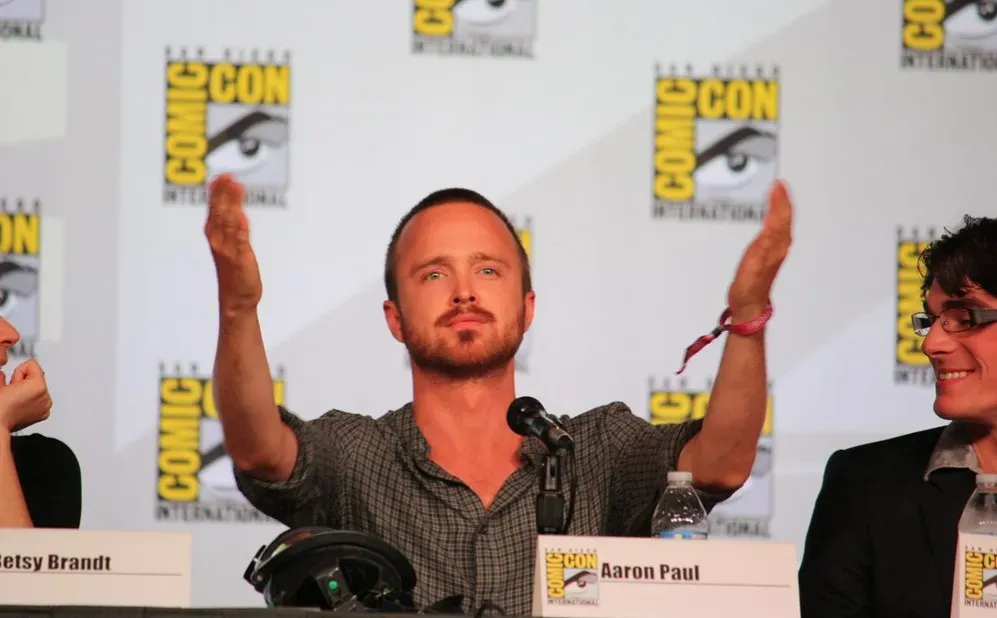
Vince Gilligan’s crime drama almost unfolded very differently. The show’s debut season was originally mapped out as nine episodes, but the first season was originally going to consist of nine episodes, but was reduced to seven by the 2007–2008 Writers Guild of America strike. That four month production halt did more than trim the runtime.
Gilligan has said the disruption actually saved the series. Gilligan told Esquire he had planned to kill off a main character at the end of season one, “because that’s what the ballsy shows do,” but the whole shape of the show would have been so different from what fans know now, resulting in a much shorter, less rich experience. The extra time also let the writers reconsider Jesse Pinkman’s arc, since Aaron Paul’s layered performance convinced Gilligan that Jesse deserved to become a second lead rather than an early casualty. Without that pause, there’s a real chance the show we know, five seasons of escalating consequence, never happens.
The Office

NBC’s mockumentary sitcom started as a near carbon copy of its source material. The pilot episode was written almost word for word from the first episode of the British series, with only minor changes made to resonate with an American audience. That season ran a mere six episodes, and while some viewers enjoyed the pilot, others felt it was simply a copy of the original British version.
The turning point came once the writers stopped leaning on David Brent’s blueprint for Michael Scott. “Diversity Day” forced the show to change course from its British inspiration, even though the pilot had already shown Greg Daniels and his writers that Michael Scott could never be exactly like David Brent. From season two onward, the adaptation grew in originality as writers began tailoring jokes and subplots specifically to the American cast. The show that eventually ran for nine seasons and 201 episodes bears little resemblance to those tentative first six.
Parks and Recreation
Few sitcoms have had a rockier launch than this one. The first season ran only six episodes and, by most accounts, hadn’t found its stride yet. Critics couldn’t help comparing it unfavorably to its NBC sibling, and Parks and Recreation initially struggled due to comparisons to The Office, with critics finding it predictable and lacking the show’s signature cringe comedy.
Season two didn’t just patch the problems, it rewired the show’s entire emotional register. No single character felt completely different, but the perspective shifted from cynicism toward optimism, and the show stopped being about characters working at cross purposes and started being about the daily challenges of a small government department, with conflict becoming external rather than internal. Leslie Knope in particular got a personality transplant of sorts, since the show improved by softening her intensity and developing genuine relationships, eventually becoming one of television’s best workplace comedies built on optimism and positive role models. A show that once felt like a lesser Office knockoff became something entirely its own.
It’s Always Sunny in Philadelphia
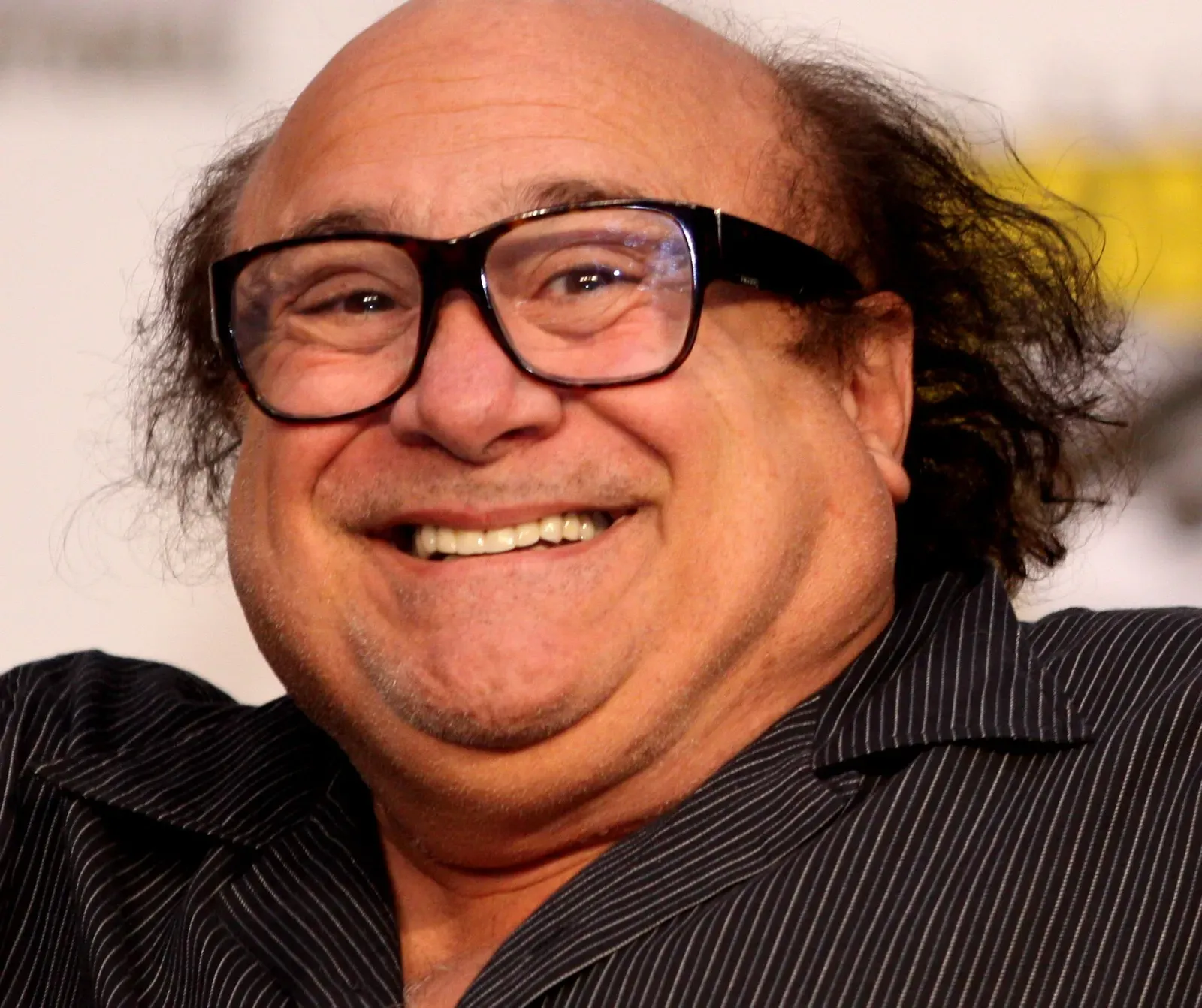
This one changed for reasons that had almost nothing to do with writing and everything to do with money and casting. Season one ran on a shoestring, since FX gave the show a budget of $450,000 per episode for its first season, roughly a quarter of a standard sitcom budget. It also floundered in the ratings, though FX president John Landgraf remained a believer and liked the show’s low price tag even as it struggled through its debut run.
Then Danny DeVito joined as Frank Reynolds, and everything shifted. By season two, DeVito was on board and the per episode budget had almost doubled. The show’s visual identity kept evolving too, since the aspect ratio changed from boxy 4:3 to widescreen 16:9 beginning with season five. What started as a scrappy, self funded experiment eventually grew into a production costing around 1.5 million dollars per episode fifteen seasons in.
Partner offer
Buffy the Vampire Slayer
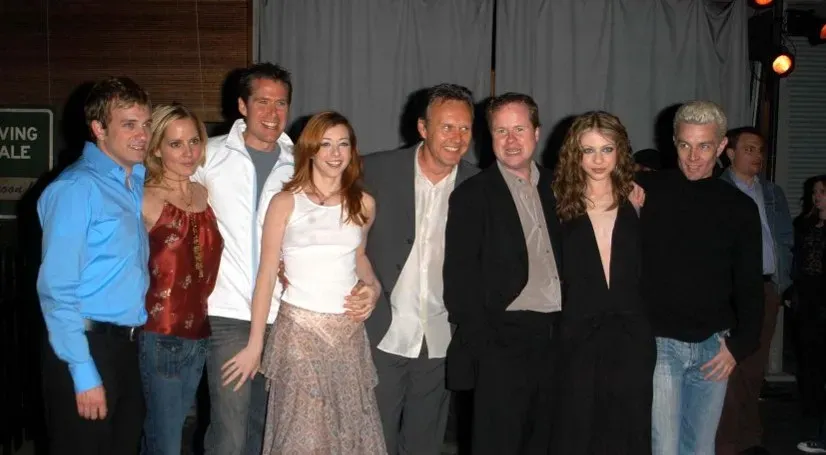
Joss Whedon’s series debuted almost apologetically. Conceived as a mid-season replacement, the first season consisted of just twelve episodes, each running about 45 minutes. It was clever and had a devoted following, but it still played mostly as a monster-of-the-week high school comedy with horror trappings.
Season two is where the show found its teeth, quite literally. Spike and a weakened Drusilla arrived in Sunnydale, with Spike killing the season one villain and becoming the more informal leader of the town’s vampire society. The emotional stakes rose sharply as well, and by most critical accounts the series retained its witty dialogue and high school as hell metaphor while embracing darker themes, with higher stakes and more personal villains. The Angelus storyline that followed turned a cult curiosity into one of the defining genre shows of its era.
Community

NBC’s community college comedy spent its first season establishing a fairly grounded premise: a disbarred lawyer, a Spanish study group, and the ordinary indignities of Greendale Community College. The humor was sharp, but it largely stayed within the bounds of a conventional single camera sitcom, closer in spirit to other workplace and school comedies airing at the time. There were flashes of the show’s later ambitions, including genre riffs and pop culture homages, but they were the exception rather than the rule.
From season two onward, the show leaned hard into its stranger instincts. Paintball wars, elaborate homages to film genres, and clay animated Christmas specials became something closer to the norm than the novelty. It’s a shift that earned Community a smaller but fiercely loyal fanbase, precisely because so few sitcoms were willing to abandon a working formula in favor of something riskier.
Orange Is the New Black
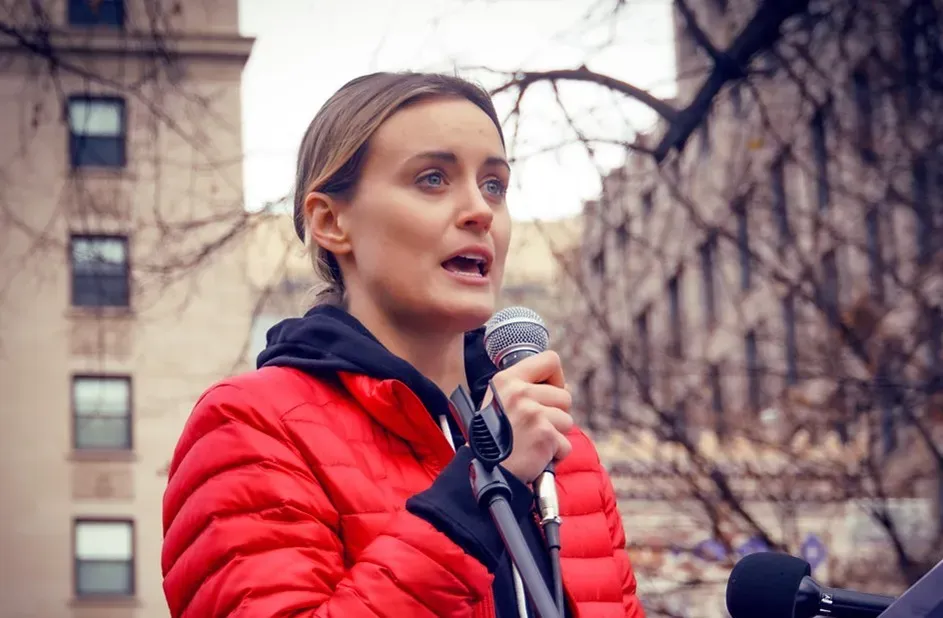
Jenji Kohan’s prison dramedy began as a fairly faithful adaptation of Piper Kerman’s memoir, with the story filtered largely through Piper Chapman’s perspective as a newcomer to Litchfield. It was a smart choice for introducing viewers to the world, but it also meant the show’s most compelling characters, many of them women of color with far more dramatic backstories, spent season one mostly on the margins.
Season two widened the lens considerably, pulling focus away from Piper and toward the wider inmate population, including new arrivals who reshaped the prison’s power structure. The show became less about one woman’s culture shock and more about an ensemble navigating a system stacked against nearly all of them. That expansion is often credited with turning a promising freshman season into one of the more ambitious ensemble dramas of the streaming era’s early years.
What ties these seven together isn’t just improvement, it’s transformation. A writers’ strike reshaped Breaking Bad’s entire moral arc. A single actor’s chemistry rewired It’s Always Sunny’s budget and cast. A network’s insistence on trimming episode counts gave both The Office and Parks and Recreation an accidental head start on finding their real voice. None of these shows set out to become unrecognizable. They just kept adjusting until the version people actually remember clicked into place.
Partner offer
Planning a trip to Vegas?
Compare hotel rates and show tickets on VEGAS.com.