Some of the biggest songs in pop history were never meant for the voice that made them famous. Behind plenty of chart-topping singles sits a songwriter who happened to be a recording artist themselves, quietly handing off material, sometimes under a fake name, sometimes just without much fanfare. The stories behind these swaps reveal a side of the music business that rarely gets the spotlight, even when the songs themselves became inescapable.
Prince and his army of songwriting aliases

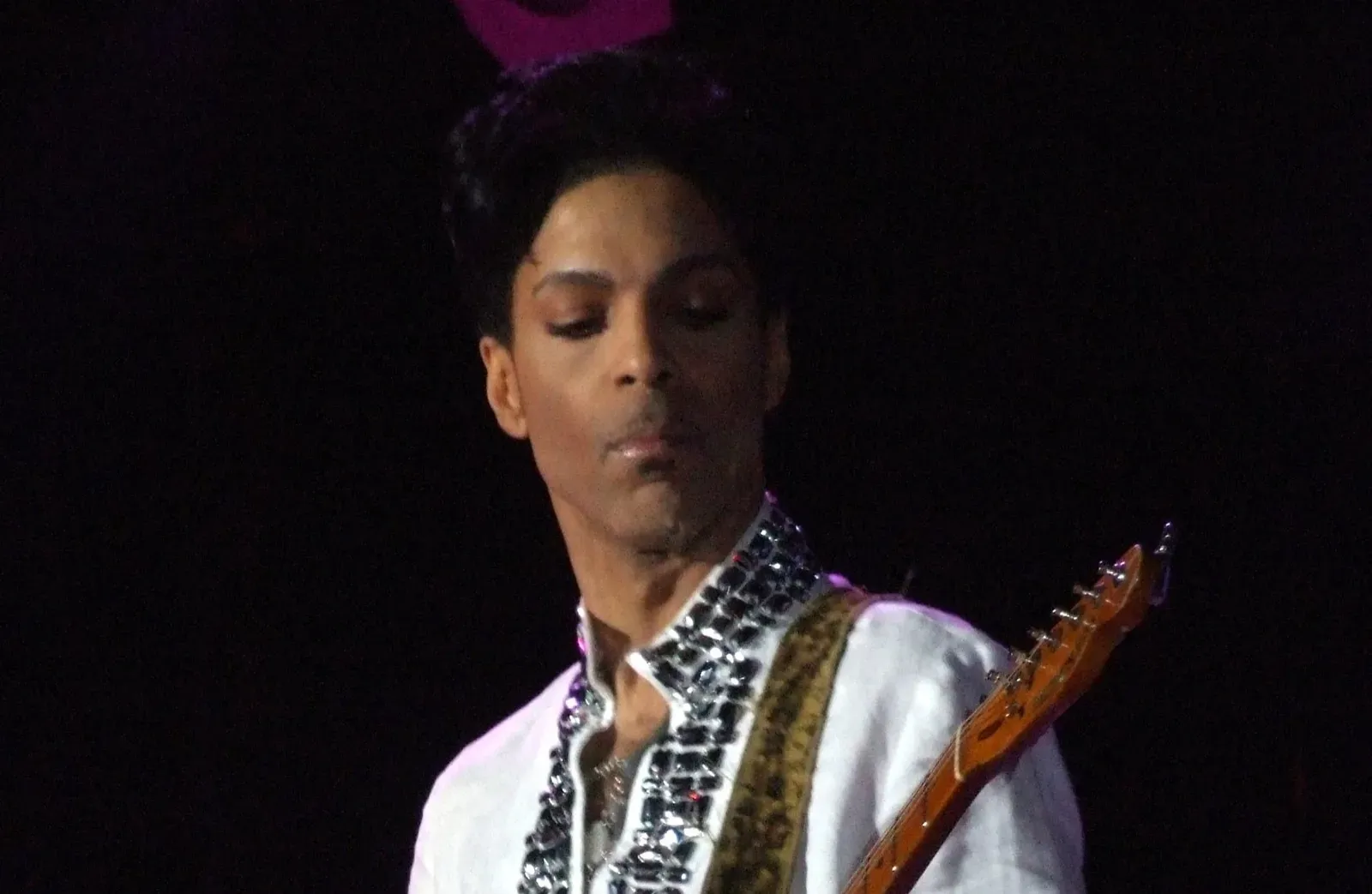
Prince was a prolific musician who often used pseudonyms to write and produce work for artists like The Time, Sheena Easton, Sheila E and The Bangles. He wasn’t shy about creating entire fictional identities just to keep his own catalog separate from what he handed to others. One of the earliest examples was his use of the pseudonym Jamie Starr, or The Starr Company, which he used after forming The Time as part of a contract clause that let him recruit new artists.
The alter egos kept multiplying. He also favored the pseudonym Joey Coco, which he used to write Kenny Rogers’ “You’re My Love,” and later to write and produce multiple tracks for Sheena Easton, with Coco credited as sole writer on “101” and “Cool Love.” Under the moniker Alexander Nevermind, he wrote Easton’s “Sugar Walls,” which peaked at number nine on the Billboard Hot 100. Sinéad O’Connor’s “Nothing Compares 2 U” and The Bangles’ “Manic Monday” both trace back to Prince demos originally intended for his own side projects, proof that even his castoffs could become someone else’s signature hit.
Sia’s years as pop’s most anonymous hitmaker

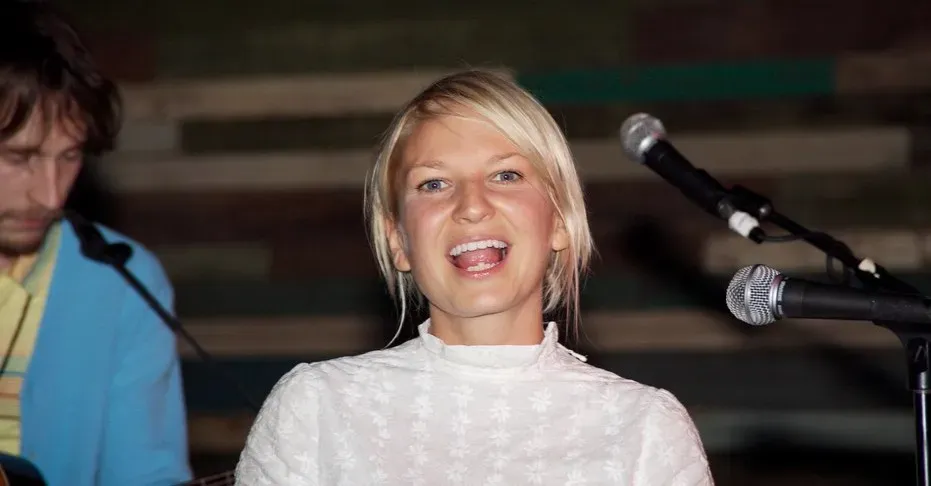
Long before “Chandelier” made her a household name, Sia Furler was writing songs for everyone else. She had been writing for other artists for a long time, co-writing Zero 7’s tracks as early as 2001, and over the next decade her outside-songwriting credits made up a truly random patchwork including Will Young, Flight of the Conchords, and a David Byrne and Fatboy Slim collaboration. Her real breakthrough came almost by accident.
Her pop breakthrough came in 2011 when she wrote “Titanium” for Alicia Keys, but Keys never recorded it, and David Guetta got hold of the demo and decided her vocal from that demo was the best one, something Sia hadn’t planned on and wasn’t initially happy about. A year later she handed Rihanna arguably her signature ballad. She revealed in an interview with the New York Times that she wrote “Diamonds” in just 14 minutes. She had originally written the song known as “Pretty Hurts” for Katy Perry, before Beyoncé wanted it instead.
Dolly Parton’s quiet gift to Whitney Houston

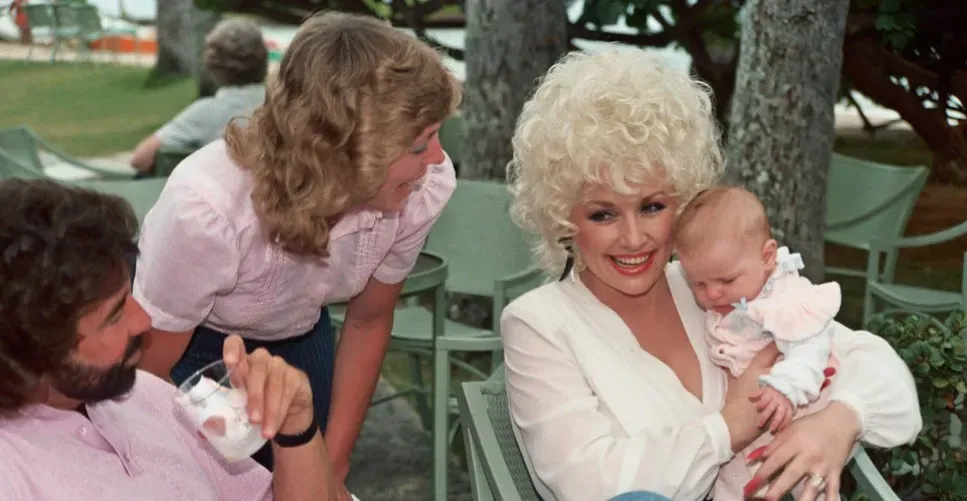
Dolly Parton wrote and recorded “I Will Always Love You” back in 1974, a farewell song aimed at her former business partner and mentor Porter Wagoner. It did well on the country charts at the time, but nothing close to what came next. Nearly two decades later, Whitney Houston recorded it for The Bodyguard soundtrack, turning it into one of the best-selling singles of the era and a defining vocal performance of the 1990s.
Parton has spoken often about the financial windfall that followed, crediting the Houston version with changing her life in ways the original release never did. It’s a rare case where the songwriter’s name was never hidden, yet most casual listeners still associate the song entirely with the artist who covered it. That quiet arrangement, built on royalties rather than secrecy, still counts as one of the most consequential handoffs in modern music.
Carole King’s Brill Building years before Tapestry

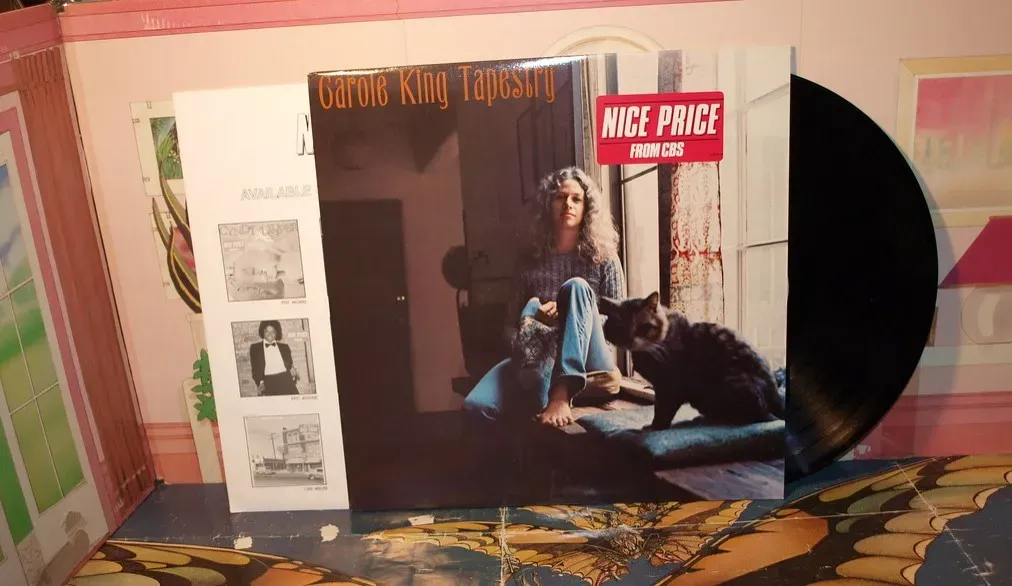
Before Carole King became a solo superstar with 1971’s Tapestry, she spent the early 1960s writing hits for other people out of New York’s Brill Building, often with her then-husband Gerry Goffin. Songs like “Will You Love Me Tomorrow” for the Shirelles and “The Loco-Motion” for Little Eva became massive successes for artists most listeners never connected to the songwriter working quietly behind the scenes.
King and Goffin also co-wrote “(You Make Me Feel Like) A Natural Woman” for Aretha Franklin, a song that would go on to be considered one of the great vocal performances in soul music. At the time, songwriters working the Brill Building system rarely got public recognition beyond the trade papers. It took King’s own solo career, years later, for audiences to fully grasp how many hits she’d already written for other voices.
Ryan Tedder, the OneRepublic frontman moonlighting as a hitmaker


Ryan Tedder has written or co-written a raft of hit songs including Beyoncé’s “Halo,” Adele’s “Rumour Has It,” and Leona Lewis’ “Bleeding Love.” What makes his case unusual is that he never stopped fronting his own band while doing it. Billboard eventually named him “The Undercover King of Pop” and put him on the magazine’s cover.
The origin stories behind his biggest gifts to other artists are often stranger than expected. Paul McCartney’s own A&R rep didn’t think “Bleeding Love” was a hit, so he let Tedder walk away with it, and pretty soon afterward it was the biggest song in the world. Beyoncé, who was a fan of OneRepublic’s “Come Home,” reached out to Tedder to see if he’d try writing her a song, and “Halo” came together while he was stuck at home with a torn Achilles.
Ne-Yo’s habit of writing songs meant for himself

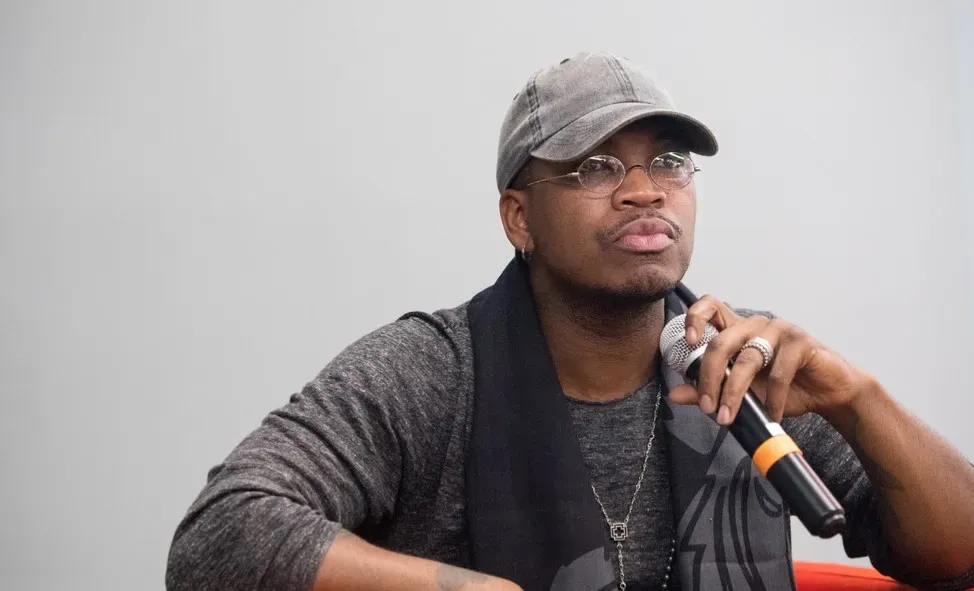
Ne-Yo built his own singing career on hits like “So Sick,” but one of his most famous compositions almost never left his own hard drive as someone else’s song. He originally wrote “Irreplaceable” for himself, but quickly realized that a man singing about being the irreplaceable one in a relationship might send the wrong message. Realizing it would work better on a female voice, he and his collaborators shopped it around to a few female artists who actually turned it down first.
Beyoncé wasn’t even the first choice, and the song almost didn’t fit on the B’Day album at all. It didn’t seem to fit on B’Day, but Swizz Beatz, who was also working on the album, insisted Beyoncé would be crazy not to include it. The gamble paid off. The lyric was written by Ne-Yo, who’d already had a number one hit that same year with “So Sick,” and “Irreplaceable” went to number one that December.
Linda Perry, from 4 Non Blondes to pop’s secret architect

Linda Perry, as lead singer and main songwriter for 4 Non Blondes, wrote the group’s international 1993 hit “What’s Up?” before establishing herself as a major songwriter and producer for other people. She co-wrote and produced much of Pink’s debut, including full writing credit for “Get the Party Started,” and the following year wrote and produced another worldwide hit for Christina Aguilera, “Beautiful.”
What’s striking is how recently Perry has started reclaiming her own history. In early 2026 she released her own version of “Beautiful,” the song she wrote that became one of Christina Aguilera’s signature hits, as part of her new solo album, Let It Die Here. She’s said she’s happy she was finally brave enough to record her own version, while still crediting the performance she originally pulled out of Aguilera. It’s a rare full-circle moment for a songwriter who spent decades handing her best work to other people’s careers.
Jack Antonoff’s dual life as a band frontman and pop’s go-to collaborator


As the frontman of Bleachers and a founding member of fun., Jack Antonoff has kept a visible performing career going even as he became one of the most sought-after songwriter-producers in mainstream pop. His fingerprints run through a huge stretch of Taylor Swift’s catalog, from Lover through Midnights and The Tortured Poets Department, work that’s earned him multiple Grammy nominations for Producer of the Year over the past several years.
His writing partnerships extend well beyond one artist. Lorde’s Melodrama, Lana Del Rey’s Norman F***ing Rockwell!, and St. Vincent’s Masseduction all carry his creative stamp, often in ways casual listeners never notice unless they check the liner notes. That pattern, quietly co-writing career-defining albums while still releasing his own music with Bleachers, puts him squarely in the tradition of musicians who build two careers at once, one loud and one mostly behind the scenes. The common thread running through all eight of these stories is timing as much as talent. A song gets written with one voice in mind, then life intervenes, a label passes, a schedule conflicts, an artist has second thoughts, and the track ends up somewhere else entirely. What’s left behind is a strange kind of authorship, where the person who shaped the words and melody stays mostly invisible while someone else takes the bow.