Ever wonder what it takes to walk away from millions, adoring fans, and a spotlight that never dims? Most of us dream about that kind of success. Yet scattered throughout music history are artists who had it all, only to vanish when they were at their absolute peak.
It’s one thing to retire when the hits stop coming or the crowds thin out. It’s another to simply say no when you’re on top of the world. These musicians didn’t fade away. They chose to leave, and their stories are as captivating as their music ever was.
Lauryn Hill: The Genius Who Vanished After One Album

At the height of her fame, after the monumental success of The Miseducation of Lauryn Hill (1998), Lauryn Hill stunned the world by retreating almost entirely from music. Her debut solo album swept the Grammys, earning five awards, and made her a cultural icon practically overnight.
After getting her start in the music industry as a member of the group Fugees, Hill skyrocketed to fame with her debut solo album, The Miseducation of Lauryn Hill, in 1998. However, after the album’s success, which included five Grammy Award wins, Hill mostly stepped away from the spotlight. She was barely out of her early twenties, starting a family, and suddenly the entire world wanted a piece of her. Hill cited immense pressure, exhaustion, and a sense of being exploited by the music industry. The constant demands of fame, touring, and recording left her feeling creatively and spiritually drained.
Legal battles didn’t help either. Her lack of trust in the industry began after she was named in a 1998 lawsuit by four musicians, New Ark, who demanded writing and production credit on her Miseducation album. It wasn’t until 2001 that Hill settled out of court with New Ark for $5 million. The combination of industry pressure, lawsuits, and relentless scrutiny pushed her away from the very thing that made her famous. She’s performed sporadically since, though her reputation for showing up hours late to concerts has become almost as legendary as her music. Still, her one album remains one of the greatest of all time.
Bill Withers: The Soul Legend Who Had Enough
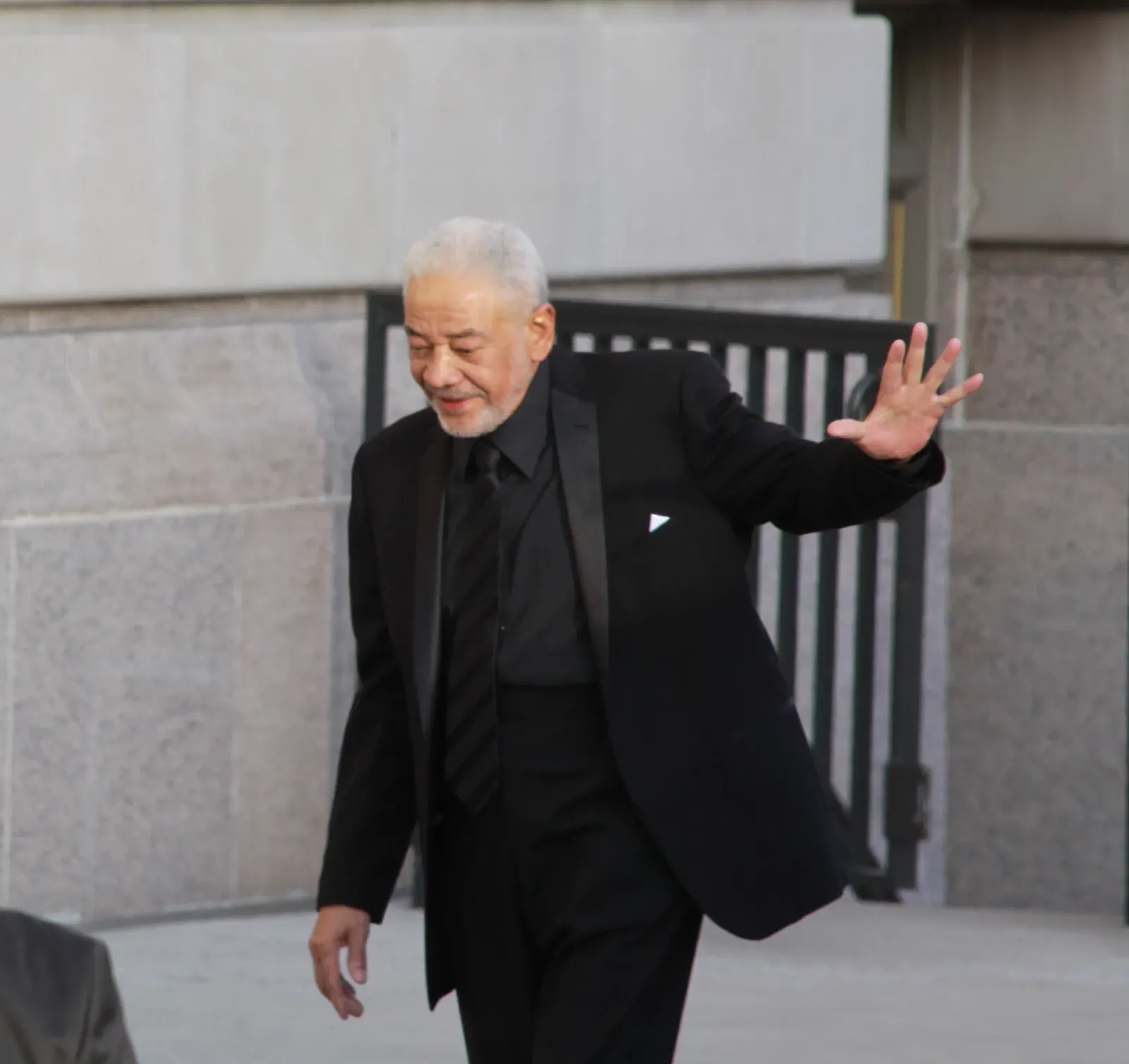
By the mid-1970s, Bill Withers had become a soul and R&B icon, penning timeless classics such as ‘Ain’t No Sunshine’, ‘Lean on Me’ and ‘Use Me’. Yet at the peak of his career, he quietly stepped away from the industry, frustrated by the music business’s demands and politics.
Here’s the thing: Withers didn’t even start making music until he was in his thirties. He’d already lived a whole life before fame found him. Withers, who didn’t even start his music career until his thirties, grew tired of fighting with Columbia Records executives over creative control. The battles over how his music should sound, what he should record, and who got to make the decisions wore him down.
Withers often clashed with Columbia executives, who wished to control his sound to sell more records. Feeling disillusioned with the industry, Withers left music behind in 1985 and reportedly never missed it. Think about that for a second. A man who created songs that literally everyone knows, songs that still play at weddings and graduations and moments of hope, walked away and never looked back. He passed away in 2020, but his music continues to touch millions. Sometimes knowing when to walk away is the greatest power move of all.
Cat Stevens: From Rock Star to Spiritual Seeker
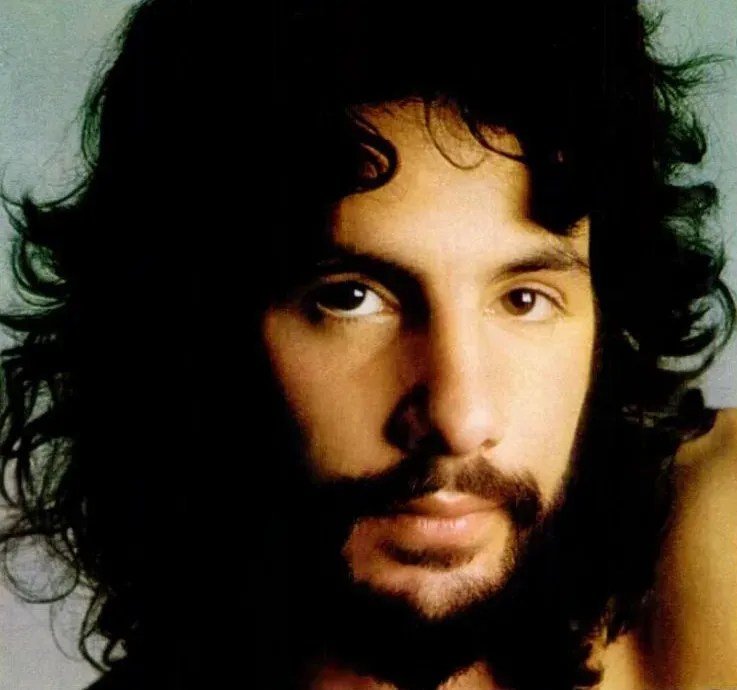
Folk-rock superstar Cat Stevens was selling out arenas when a near-death experience changed everything. After nearly drowning in Malibu in 1976, the “Peace Train” singer made a promise to God that would transform his life. By 1978, at the peak of his popularity, Stevens converted to Islam, changed his name to Yusuf Islam, and abandoned his music career entirely.
Let’s be real, that’s not the kind of retirement you see coming. One minute you’re a chart-topping folk rock sensation, the next you’re selling your instruments and walking away from everything. He sold his instruments, devoted himself to religious study, and didn’t perform publicly for nearly 30 years.
His departure was fueled by a quest for spiritual fulfillment and a desire to contribute to humanitarian causes. This shift in priorities left fans stunned, as Stevens was at the peak of his popularity. It takes serious courage to choose faith and inner peace over fame and fortune. Eventually, he did return to music, but on his own terms, with a completely different perspective on life and art.
Syd Barrett: The Pink Floyd Founder Who Couldn’t Handle Fame
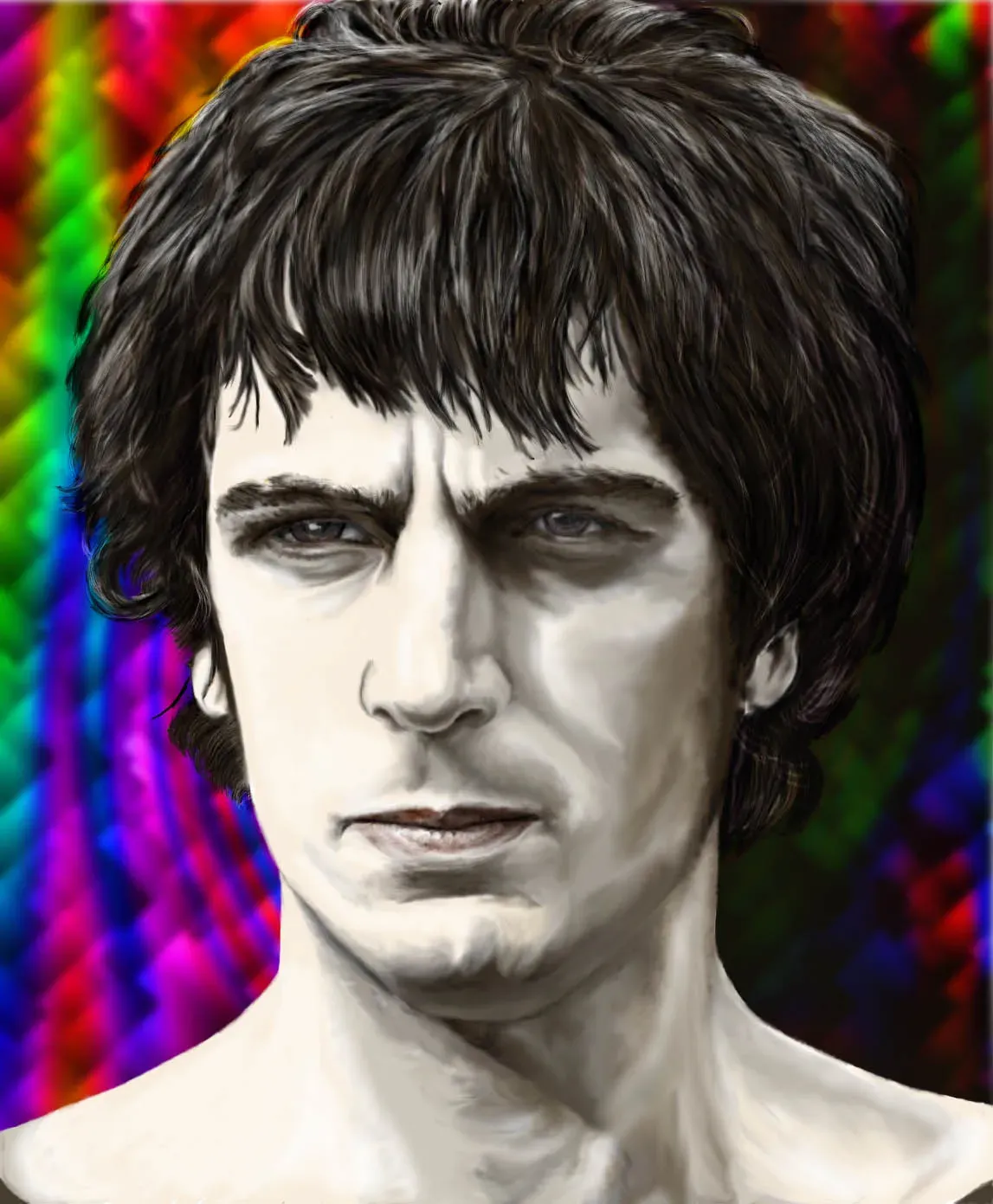
Syd Barrett, for instance, abandoned Pink Floyd after dazzling the world with his surreal songwriting and playful, chaotic guitar work, leaving an indelible mark despite a brief career. He was the creative genius behind the band’s early sound, the one who gave them their psychedelic edge and experimental spirit.
Saddled with addiction, Barrett departed from Pink Floyd in 1968 and went on to live most of his life in relative seclusion. At 60, Barrett died of cancer, leaving behind a formidable legacy despite only a brief stint in the limelight. His struggles with mental health and substance abuse made the pressures of fame unbearable.
The tragedy is that Barrett’s influence on rock music is immeasurable, yet he barely experienced any of the glory. He retreated to a quiet life, painting and gardening, largely forgotten by the mainstream world until his death. Sometimes the brightest lights burn out the fastest, and Barrett’s story remains one of rock’s most haunting what-ifs.
John Deacon: Queen’s Bassist Who Quietly Disappeared
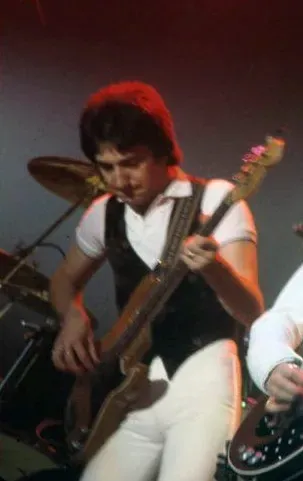
Queen’s bassist never officially quit, at least not with some big announcement or farewell tour. After Freddie Mercury’s death in 1991, Deacon gradually faded away. He performed at The Freddie Mercury Tribute Concert in 1992 and recorded final tracks with remaining members in 1997. Then, without fanfare, Deacon simply stopped. He retired completely from music and public life, declining to participate in any Queen-related activities since.
While Brian May and Roger Taylor continued performing, Deacon chose family life over fame. The quiet Beatle-like member became even quieter, managing the band’s financial affairs from afar while living a deliberately private existence away from rock stardom. It’s hard to blame him. Losing Freddie, the heart and soul of Queen, must have been devastating. For Deacon, continuing without him probably felt wrong.
There’s something admirable about choosing peace and privacy over endless touring and tributes. He made his money, had his glory, and walked away to live life on his own terms.
D’Angelo: The Neo-Soul King Who Vanished for a Decade

D’Angelo’s 2000 album “Voodoo” represented the peak of neo-soul artistry, featuring collaborations with Questlove and showcasing his incredible vocal range and musicianship. After the album’s success and the provocative “Untitled (How Does It Feel)” music video, D’Angelo virtually disappeared from the music scene for over a decade.
That music video, the one where he’s shirtless and smoldering, became iconic. However, it also created a problem. His struggles with fame, body image issues following the video’s reception, and personal demons led to a complete withdrawal from the industry. Suddenly, people were obsessed with his body instead of his music, and the pressure became overwhelming.
While he eventually returned with “Black Messiah” in 2014, his absence during what should have been his prime years remains a cautionary tale about the pressures of sudden stardom. Fourteen years is a long time to stay away. When he did come back, fans were ecstatic, but those lost years remain a painful reminder of how fame can distort everything, even genuine artistry.
The Police: Breaking Up at the Top of the World

After all, 1983’s “Synchronicity” was turning them into unquestionable superstars, with singles like “King of Pain” saturating radio all year long and even signature tune “Every Breath You Take” beating out Michael Jackson’s “Billie Jean” for a Record of The Year Grammy. They were massive. They couldn’t get bigger. So what did they do? They walked away.
Sting wanted to put out solo albums (and did), Copeland tried his hand at filmmaking, and Summers turned to scoring movies. Thus, when the trio reconvened in the studio, an injured Copeland wasn’t able to drum, the vibes were off, and Summers later described the attempted new sessions as “an empty exercise.” The band walked away from each other at the unquestioned height of their fame, and while they reunited in 2007 for a lucrative concert tour, the message for decades on end was “don’t stand so close to me.”
Creative differences, competing egos, and the desire to explore solo projects pulled them apart. Sometimes staying together would have ruined what made them great in the first place. They reunited eventually, sure, but they knew when to quit while they were ahead.
Glenn Gould: The Classical Pianist Who Chose the Studio Over the Stage
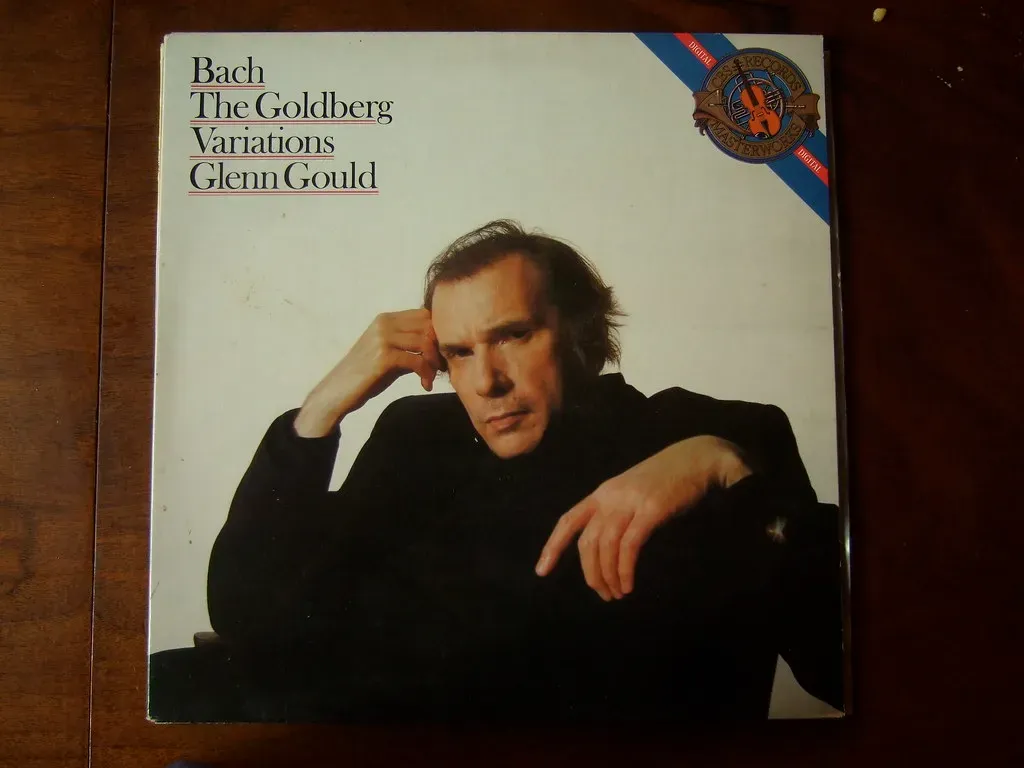
In 1964, aged just 31, Canadian classical pianist Glenn Gould walked away from the concert stage, despite being celebrated worldwide for his extraordinary interpretations of Bach, Mozart, Beethoven and other repertoire. This wasn’t about burnout or scandal. Gould simply decided he preferred recording in a studio to performing live.
He was a perfectionist who hated the unpredictability of live performances. The coughs from the audience, the pressure, the inability to redo a mistake. In the studio, he could control everything. He spent the rest of his life recording albums and became even more legendary for his unorthodox decision. Gould proved you don’t need to tour to be great. You just need to create work that speaks for itself.
His recordings remain some of the most revered in classical music history. Walking away from the stage didn’t diminish his legacy. If anything, it enhanced it.
Conclusion: The Power of Saying No

These eight musicians remind us that success isn’t always about how high you climb or how long you stay on top. Sometimes it’s about knowing when to walk away, even when the world is begging you to stay. Fame, money, and adoration can’t compete with peace of mind, personal fulfillment, or simply wanting to live a different life.
Their stories prove that the real power isn’t in chasing fame forever. It’s in having the courage to leave it behind. Would you have done the same? Could you walk away from the spotlight when it’s shining brightest? That’s a question worth pondering.