Awards season has a funny way of getting things wrong in real time, only for film history to quietly correct the record years later. Some of the most talked about performances in cinema never earned so much as a nomination, and looking back now, the gaps in Oscar’s memory feel almost baffling. Below are eight performances that missed out when it mattered most, each one still discussed, studied, and rewatched long after the ceremonies that ignored them.
Judy Garland in A Star Is Born (1954)
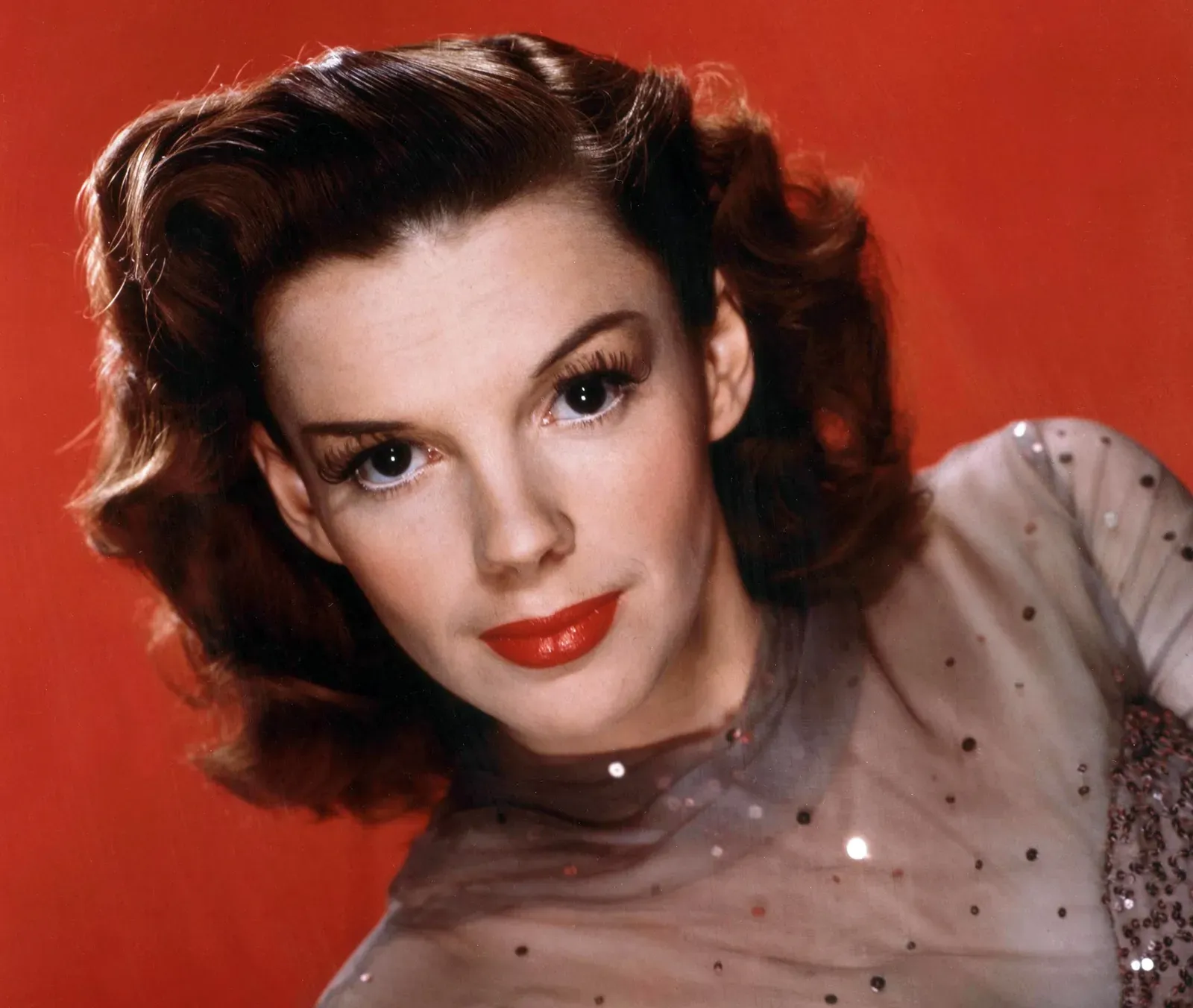
Judy Garland’s return to the screen after leaving MGM was treated as one of the great comeback stories of the decade, and her performance as Esther Blodgett drew rapturous reviews. The movie earned seven Academy Award nominations for Best Actress, Best Actor, Art Direction, Set Decoration, Costume Design, Musical Score, and Song. Expectations were so high that a television crew set up cameras in her hospital room, since she had just given birth and was widely expected to win.
Instead, the Oscar for Best Actress in a Leading Role went to Grace Kelly for Country Girl. The reaction from her peers was immediate. When the award went to Kelly instead of Garland, Groucho Marx sent her a telegram reading, “Dear Judy, this is the biggest robbery since Brink’s.” Decades later, the film’s restored cut only reinforced how good she actually was in it.
Marilyn Monroe in Some Like It Hot (1959)
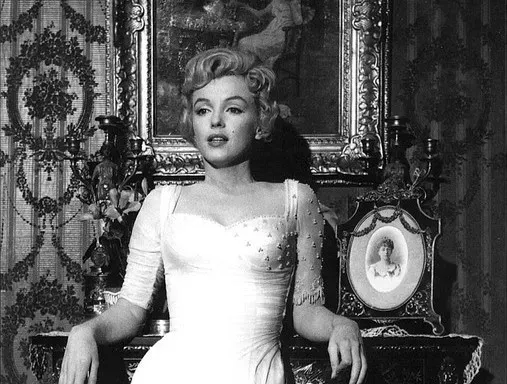
Marilyn Monroe spent her career being underestimated as an actress, treated more as a screen presence than a performer with real comic instincts. Her work as Sugar Kane in Some Like It Hot, playing opposite Tony Curtis and Jack Lemmon in drag, required exact timing and vulnerability in equal measure. Critics at the time noted how effortlessly she carried scenes that could have easily tipped into caricature.
Despite the film’s lasting reputation as one of the finest comedies ever made, Monroe never received a single Academy Award nomination across her entire career. It’s a strange footnote given how frequently her comedic performances are cited by actors and historians as technically difficult work disguised as effortless charm. The industry simply wasn’t built, at that point, to take a blonde bombshell seriously as a craftsperson.
Toshiro Mifune across his collaborations with Akira Kurosawa
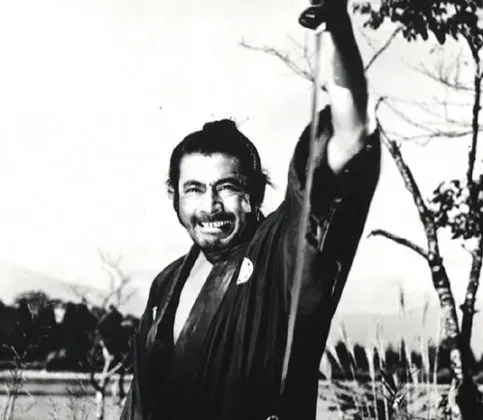
Toshiro Mifune’s performances in films like Seven Samurai, Rashomon, and Yojimbo are frequently cited among the greatest screen acting ever captured, influencing generations of actors and directors worldwide. His physicality, restraint, and intensity shaped how international audiences understood Japanese cinema for decades. Yet the Academy, focused almost entirely on English-language films through much of his active career, never once nominated him.
The oversight says less about Mifune’s talent than about how narrow the Academy’s frame of reference was during the mid-twentieth century. Foreign language films occasionally received honorary or special recognition, but individual acting nominations for non-English performances were exceedingly rare. Mifune’s body of work remains a reminder that awards bodies often lag well behind critical consensus, especially across borders.
Sigourney Weaver in Alien (1979)
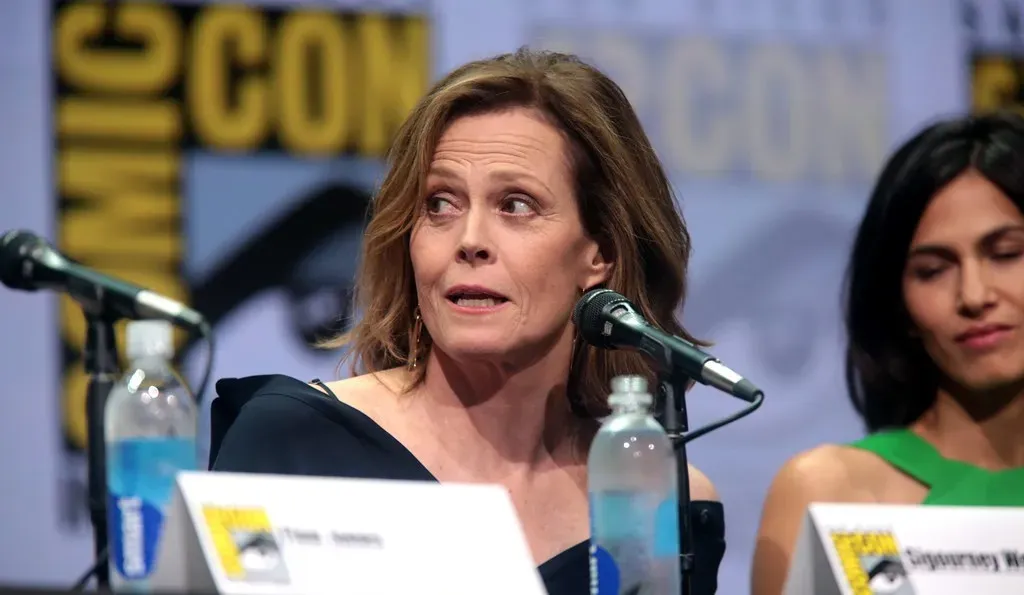
Sigourney Weaver’s Ellen Ripley redefined what a lead character in a science fiction horror film could look like, giving audiences a protagonist who was resourceful rather than helpless. The role became foundational, cited constantly whenever critics discuss strong female leads in genre filmmaking. At the time, though, science fiction and horror carried a stigma that made acting nominations for either genre nearly unheard of.
Weaver would eventually earn Oscar nominations for later roles, including her return to the character in Aliens, but her original performance went completely unrecognized by the Academy in 1979. The film has since been reassessed as one of the most influential genre pictures of its era. Ripley’s absence from that year’s acting shortlist looks, in hindsight, like an early symptom of the same bias that would later keep other genre performances off the ballot too.
John Cazale across five acclaimed films
John Cazale appeared in only five feature films before his death in 1978, and remarkably, every single one of them received a Best Picture nomination, including The Godfather, The Godfather Part II, and The Conversation. His portrayal of Fredo Corleone in particular remains one of the most quietly devastating supporting performances of that decade, built on hesitation and weakness rather than showy dramatics. Actors and directors who worked with him have long spoken about the precision he brought to even brief scenes.
Despite that consistent track record and widespread respect within the industry, Cazale never received an individual Academy Award nomination during his short career. His filmography is now treated almost like a case study in perfect batting averages, five films and five Best Picture nods, yet the acting categories somehow passed him by every time. It remains one of the more curious blind spots in Oscar history, given how frequently his work is referenced by contemporary actors as a model of subtlety.
Toni Collette in Hereditary (2018)
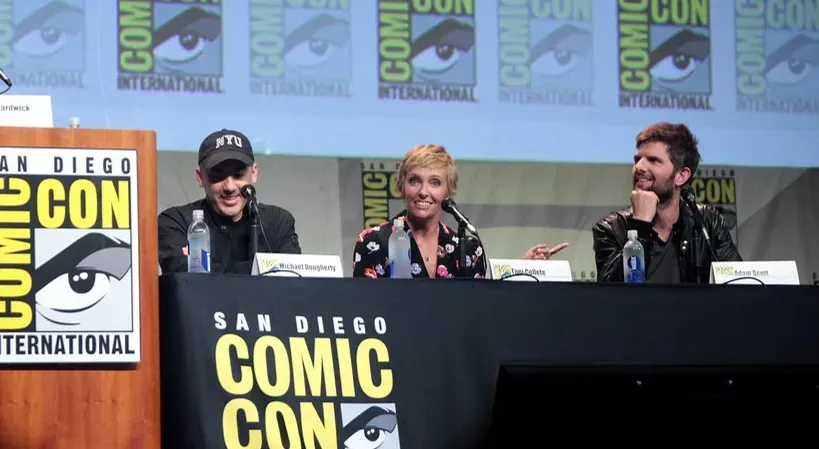
Toni Collette’s performance as a grieving, unraveling mother in Ari Aster’s Hereditary generated some of the strongest reviews of that awards season, with critics repeatedly calling it one of the best performances of the year. Her blistering portrayal of Annie Graham left audiences gawking and garnered critical acclaim and Oscar buzz. When nominations were announced, though, her name simply wasn’t there.
The reaction from fans and critics was swift and has never really faded. Despite being overlooked for Hereditary, Collette had been nominated once before, ironically for another horror-adjacent film, The Sixth Sense. Years later, when directly asked about the snub on television, Collette responded that it was very sweet that people got so irate that she wasn’t nominated for an Oscar, adding that it was really nice that people cared.
Jake Gyllenhaal in Nightcrawler (2014)
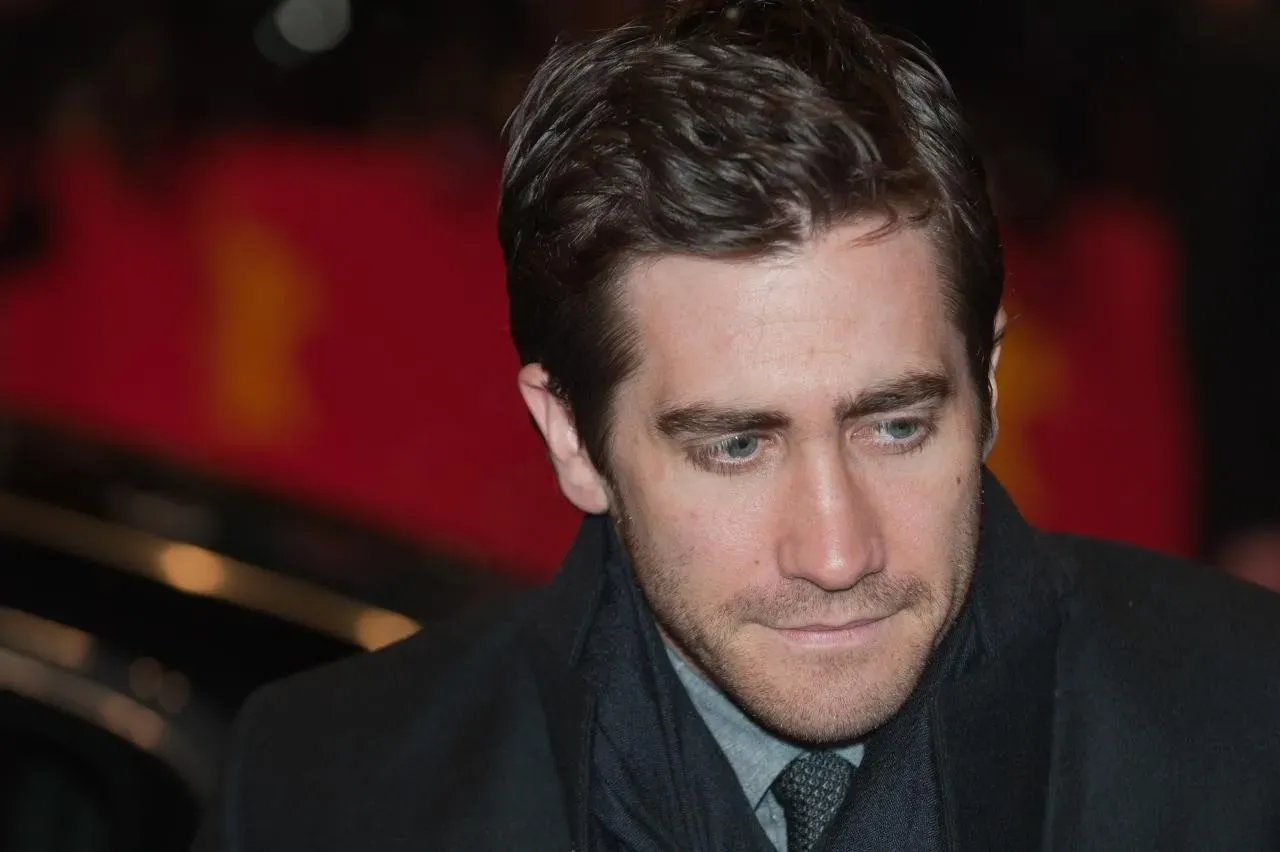
Jake Gyllenhaal’s transformation into Louis Bloom, an unsettling freelance video journalist chasing violent footage across Los Angeles, remains one of the more physically committed performances of the 2010s. Gyllenhaal was nominated for the BAFTA Award, Screen Actors Guild Award, Golden Globe Award and Critics’ Choice Movie Award, surprisingly missing in the Best Actor Oscar category. The film itself earned a screenplay nomination, but the lead performance driving it went unmentioned.
Critics have continued to revisit the snub as one of the clearest examples of Oscar voters simply misjudging a performance in real time. These types of actorly affectations usually bowl people over during awards season, and in Nightcrawler, they actually pay off, with Louis being a man on edge, starving with real hunger, which makes him capable of anything. Gyllenhaal has since earned a reputation as one of contemporary Hollywood’s most reliably snubbed actors, a status that Nightcrawler basically cemented.
Andy Serkis across motion capture roles in The Lord of the Rings and Planet of the Apes
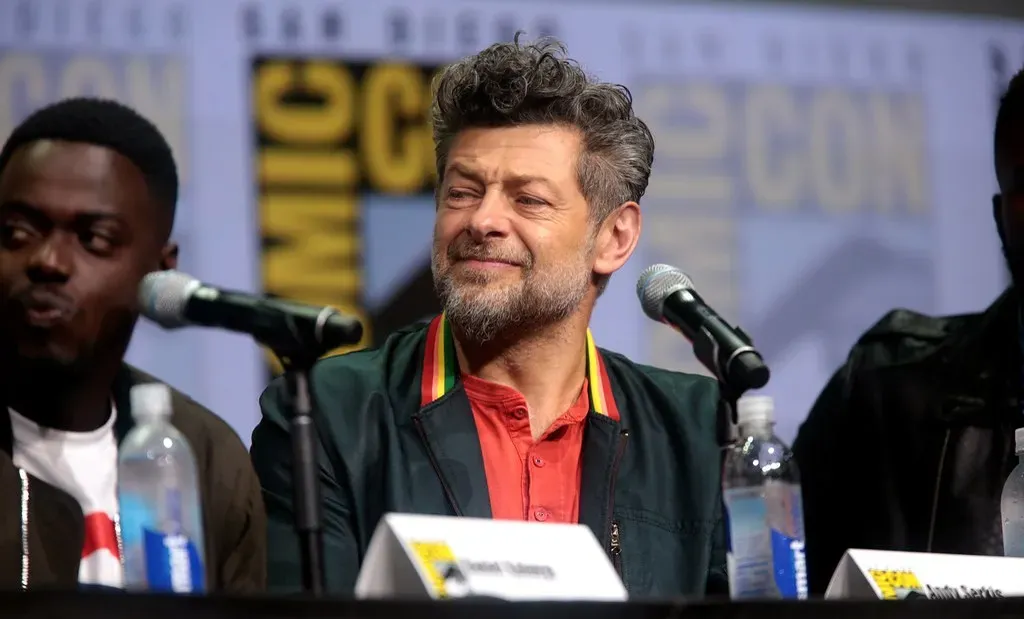
Andy Serkis brought Gollum to life in The Lord of the Rings trilogy through a combination of physical performance, voice work, and early motion capture technology, and the character became one of the most memorable in modern film. Producer Barrie M. Osborne campaigned for Serkis to be nominated for the Academy Award for Best Supporting Actor, arguing that his voice, body language, and facial expressions were all genuinely his own. The campaign never gained real traction with voters.
The same pattern repeated years later with Caesar in the Planet of the Apes reboot series, where Serkis again drew widespread critical praise without ever coming close to a nomination. To date, no motion captured performance has ever been nominated for an Academy Award. Serkis himself has continued to push for the Academy to recognize the format, and as of his most recent comments in 2026 while directing The Lord of the Rings: The Hunt for Gollum, he still believes that recognition is overdue.
Looking across these eight cases, a pattern starts to emerge that has little to do with talent and much more to do with genre, format, and timing. Horror, science fiction, comedy, and motion capture have all struggled to be taken seriously by Oscar voters, even when the work inside those genres was clearly exceptional. History has been kinder to most of these performances than the Academy was in the moment, which is really the only consolation available at this point.