Test screenings feel like a modern invention, something born out of nervous studio executives and endless focus groups. In reality, the practice goes back almost a century. Silent comedy star Harold Lloyd reportedly used them as early as 1928. Since then, the ritual of showing an unfinished film to a room full of strangers has quietly reshaped some of the most memorable moments in cinema.
Sometimes those changes are small, a trimmed scene or a tweaked line of dialogue. Other times, a single bad reaction card sends a production back into reshoots, rewriting the entire meaning of a story. The eight cases below show just how far a angry test audience can push a filmmaker away from their original vision, for better or worse.
Fatal Attraction (1987): A suicide swapped for a struggle

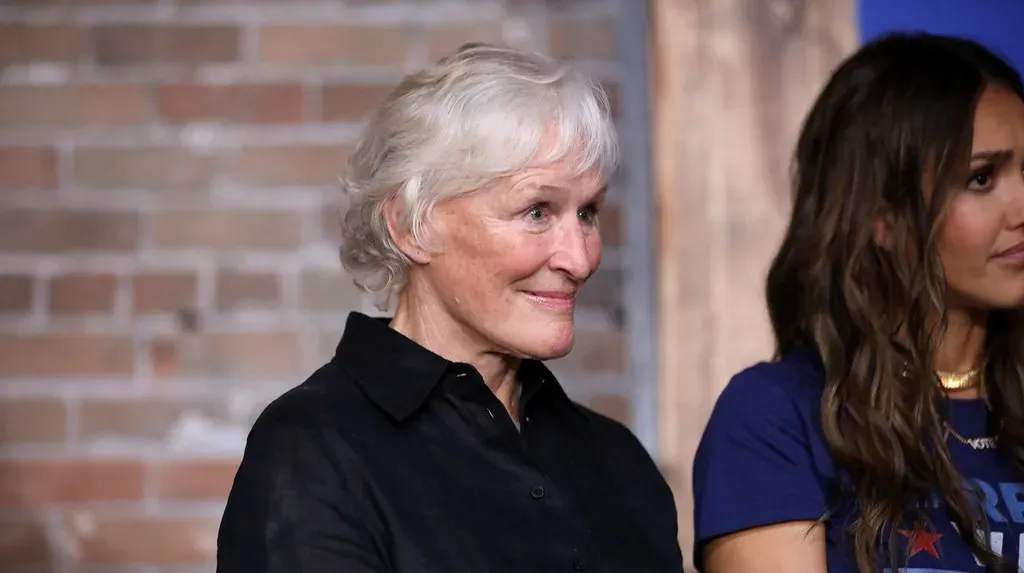
Test audiences didn’t like the original ending of Fatal Attraction, which featured Alex taking her own life and then framing Dan for her murder, ensuring that Dan’s fingerprints were on the knife she used. The idea was tied to Alex’s love of the opera Madama Butterfly, giving her death a tragic, almost poetic quality rather than a villain’s comeuppance. The Los Angeles Times archive from October 1987 reported that Japanese distributors received the suicide ending enthusiastically at a spring screening, unlike American test audiences whose poor reaction prompted the substitute ending.
Test audiences baulked, however, and so production rolled into reshoots for a further three weeks. Director Adrian Lyne and producers replaced the quiet, tragic finale with a violent home invasion sequence instead. In the new version, Alex invades the Gallagher’s suburban home and attempts to kill Beth while she’s in the bathtub, and it’s ultimately Beth who delivers the fatal shot. The gamble paid off commercially, though Glenn Close has said for decades that she preferred the version audiences never got to see.
First Blood (1982): Rambo was supposed to die

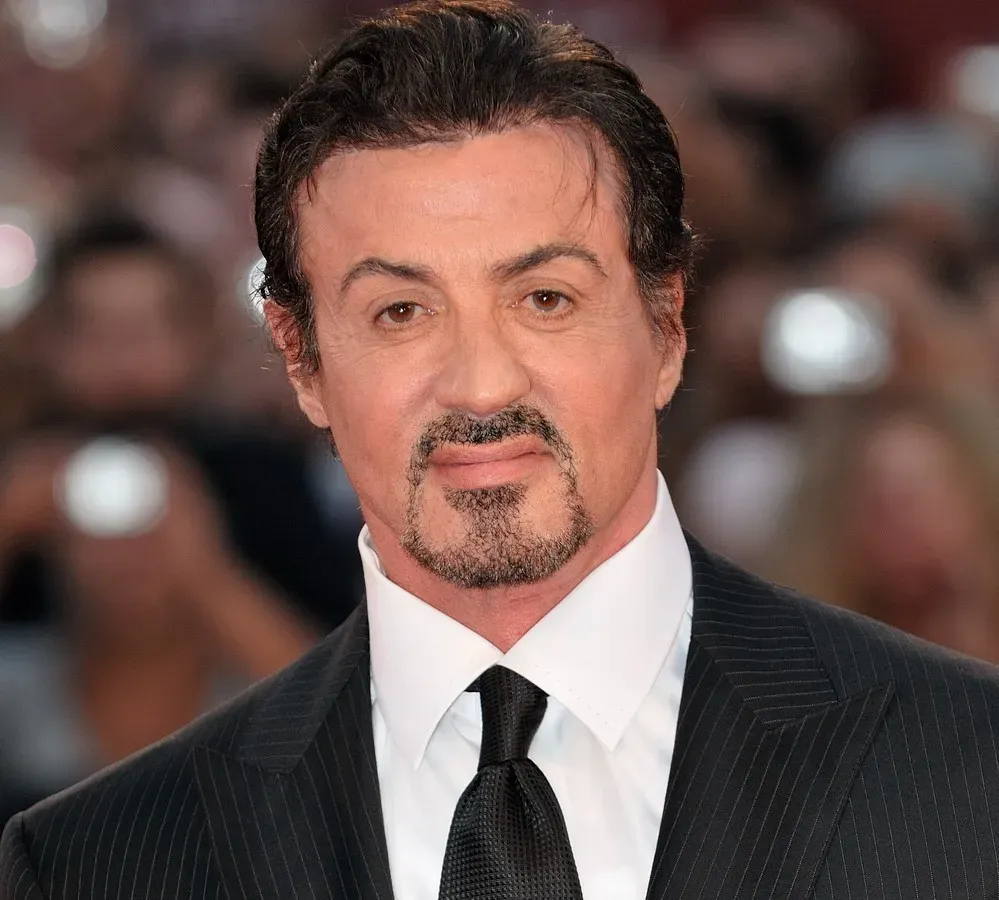
Long before John Rambo became an action icon capable of surviving anything, the character was written to meet a grim end, closer to the source novel by David Morrell. In both Morrell’s novel and the original version of the film, it’s Trautman who ultimately kills Rambo, although the filmmakers significantly tweaked the circumstances of the character’s death. The scene was reportedly powerful on set, a quiet, emotional gut punch rather than an action beat.
It fell apart the moment it reached a crowd. When First Blood screened for a Las Vegas test audience, they were violently opposed to seeing Stallone get killed. Stallone, who co wrote the script, had already sensed the problem might arise and pushed for an alternate version to be filmed just in case. That backup ending, where Rambo surrenders instead of dying, became the theatrical release, and it helped turn a small, somber war drama into the launching pad for four sequels.
I Am Legend (2007): A twist the book never betrayed

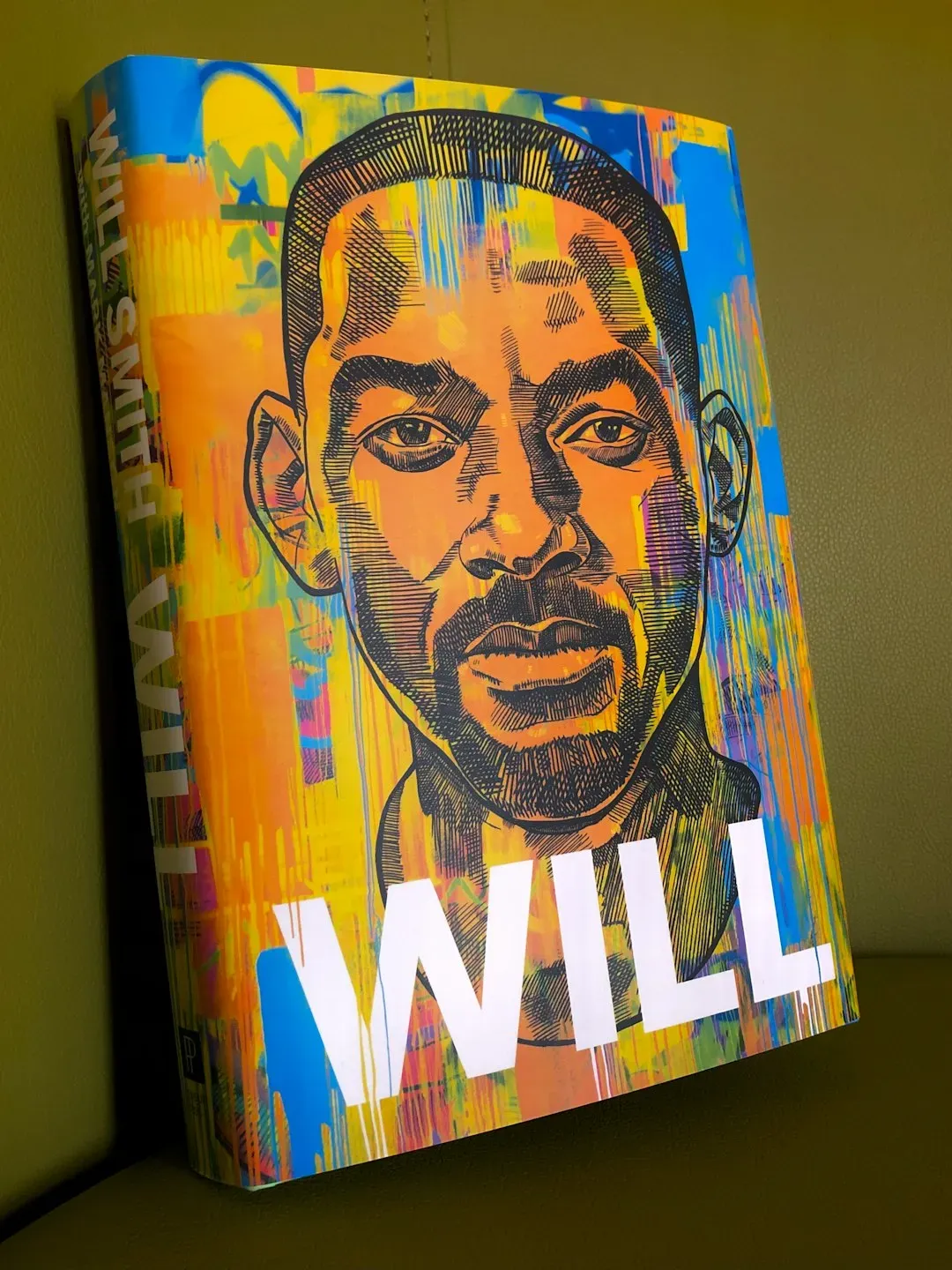
Will Smith has talked publicly about how disastrously this one went over. Test audience members booed the original ending, which was faithful to the novel’s conclusion by Richard Matheson. In that version, Robert Neville realizes the infected Darkseekers were not mindless monsters but survivors trying to protect their own, forcing him to confront the idea that he might be the real threat in their eyes.
The reaction cards told a brutal story. The top two boxes on the feedback form only fetched about half of the votes, making it the lowest scoring movie Smith says he’s ever had. Studios scrapped the twist within weeks of release, replacing it with a straightforward sacrifice ending where Neville detonates a grenade to save the last uninfected survivors, a far simpler note that left the film’s central theme largely unresolved.
World War Z (2013): The Russian finale that never made the cut

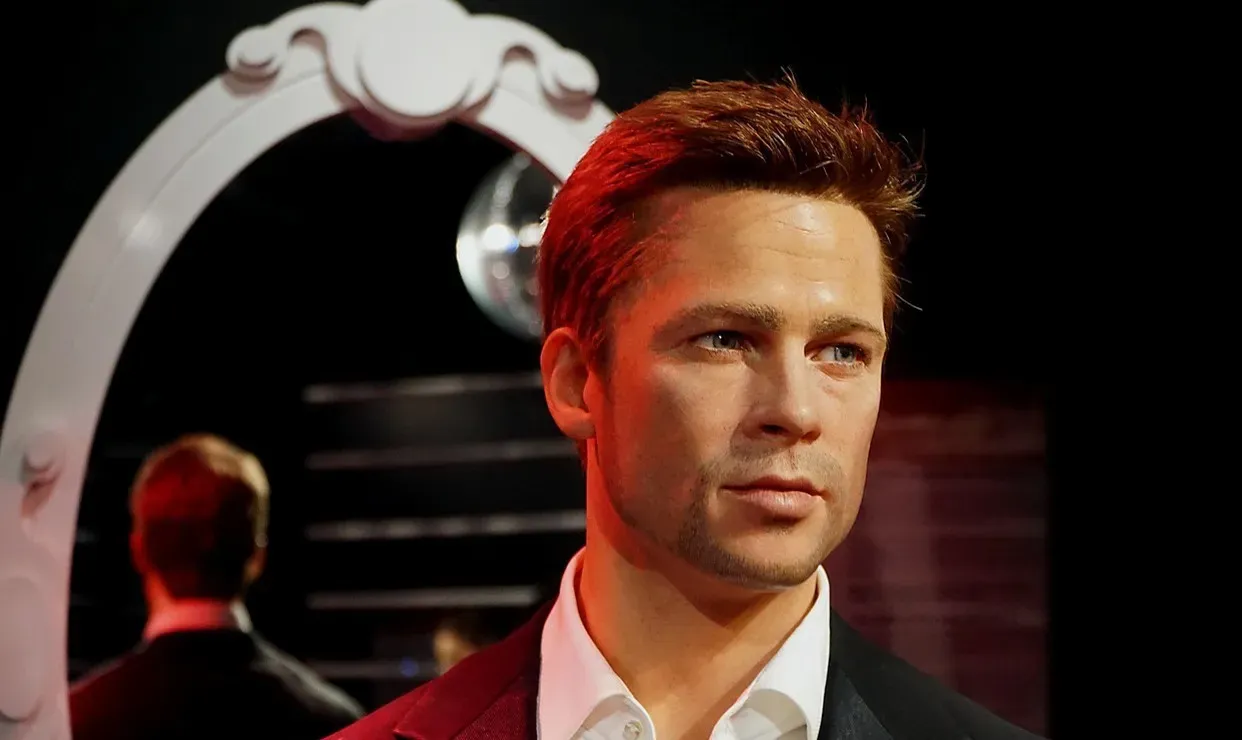
Brad Pitt’s zombie epic originally planned to end on a much larger, bleaker scale, set partly in Russia. Gerry’s wife Karin was to be stuck in an Everglades refugee camp forced to sell her body for survival, while the closing moments featured Gerry and soldiers storming the American shore to get her back before the film cut to black. It was a chaotic, war torn conclusion that clashed with the more grounded tone of the rest of the film.
Test screenings made it clear the ending simply was not landing. The third act was overhauled after filmmakers realized the existing ending wasn’t working and felt abrupt, so Damon Lindelof was brought in to rethink the last act while Drew Goddard helped finish the new version. The result is the quieter, tension based laboratory finale audiences know now, replacing a much larger action heavy climax that had been planned. The reshoots reportedly added tens of millions to the budget, but the calmer ending is now considered one of the film’s stronger stretches.
Little Shop of Horrors (1986): When the monster was meant to win


Frank Oz’s musical adaptation originally stayed true to both the stage show and the 1960 Roger Corman original. In that ending, the man eating plant Audrey II succeeds in taking over New York after killing Seymour and Audrey, mirroring the ending of both the stage musical and the earlier Corman film. It was tonally consistent, if nothing else.
Early test audiences in San Jose hated the bleak ending despite loving everything that came before it. Warner Bros. responded by funding a full reshoot rather than risk releasing the darker version. The studio gave the production an additional 5 million dollars to shoot a happier finale, and the original cut was shelved for decades. It eventually resurfaced on home video, and many fans who finally saw it argued the grim version was actually the better film.
Pretty in Pink (1986): Booing rewrote a prom night

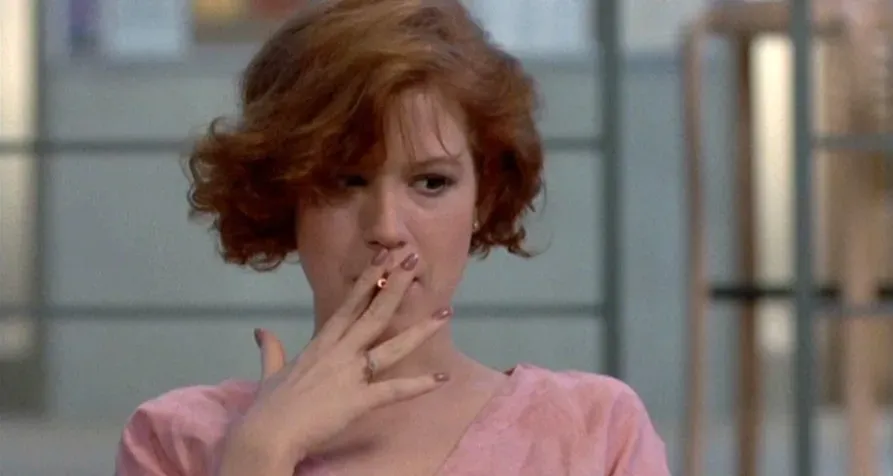
John Hughes’ teen romance was originally built around a very different pairing at the finish line. Test audiences didn’t like the original ending of Pretty in Pink, which featured Andie and Duckie going to the prom together and dancing the night away with the implication that they’d be together forever. Director Howard Deutch has said he found the reshot version heartbreaking and unfair to the character work already done.
The first test screening reaction was unmistakable. People rose up during the first test screening, booing the film’s original ending, with the screening feeling like a rock concert right up until that final scene. The crew reshot the ending to pair Andie with Blane instead, even hiring an actress to appear briefly as a love interest for Duckie so his arc wouldn’t feel entirely abandoned. During the next test screening, the audience went crazy for the revised ending, describing themselves as satisfied, fulfilled, and delighted.
28 Days Later (2002): A hero who wasn’t meant to wake up

Danny Boyle’s zombie horror originally ended on a note far bleaker than the one that made it to theaters. In Boyle’s original ending, Selena and Hannah are marched to their deaths and Jim dies, a fate confirmed by the filmmakers during commentary discussions of the shoot. Test audiences thought that ending was simply too bleak and upsetting given the amount of tragedy already shown throughout the film.
Boyle and writer Alex Garland went back to reshape the finale into something with a flicker of hope. In the final version, Jim survives thanks to Selena reviving him through her nursing skills, and after another 28 days the group lays out a message for any passing planes to spot. It gave the film a small note of survival rather than total despair, and it later opened the door for a sequel that would have made little sense with the original, fatal ending intact.
Scott Pilgrim vs. the World (2010): The wrong girl walked away with him
Edgar Wright’s comic book adaptation ran into a timing problem, since the source graphic novels were still being released as the film was shot. The film had to get creative with its ending as a result, opting to have Scott end up with his original girlfriend, Knives Chau, rather than Ramona Flowers. Wright reportedly wanted something closer to the bittersweet ambiguity of The Graduate.
Audiences at test screenings did not share that ambition. Fans at test screenings fought about the ending, dividing into firm Ramona and Knives camps while remaining generally dissatisfied with how both women were treated. In response, Wright rewrote the ending into an open ended celebration of the uncertainty of love, with Knives pushing Scott and Ramona back together as the pair meet in a parking lot. The reshot version is now the one most fans of the film remember, closer in spirit to how the completed graphic novel series eventually wrapped up its own story.