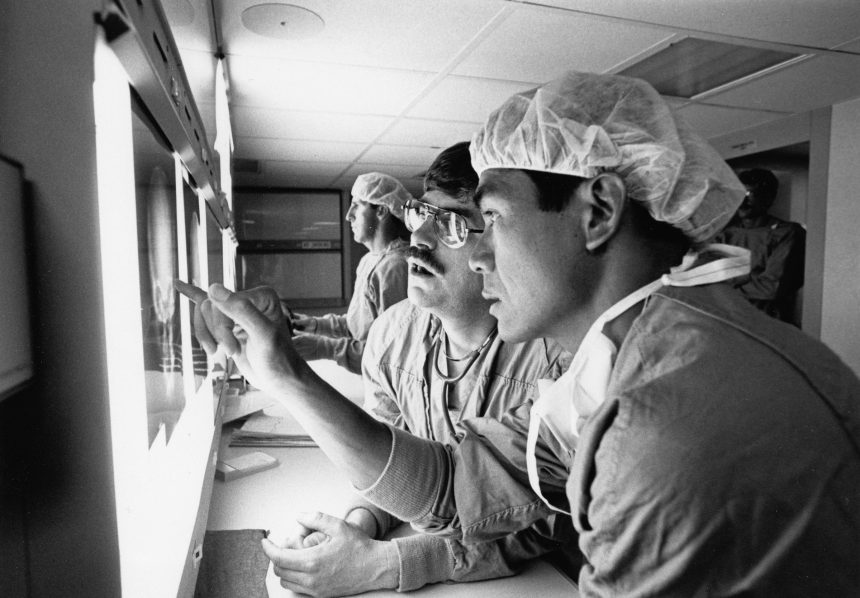
Some of the biggest breakthroughs in medicine and science were never planned. A forgotten petri dish, a mislabeled bin of electronic parts, a batch of spoiled hay that killed cattle. These are not the ingredients of a tidy research proposal, yet they ended up reshaping how long and how well people live. What follows is a look at eight moments when a mistake, an oversight, or a strange coincidence turned into something that mattered far beyond the lab. None of these discoveries were the result of someone chasing the outcome they eventually got. That is precisely what makes them worth revisiting.
1. Penicillin and the mold that refused to behave

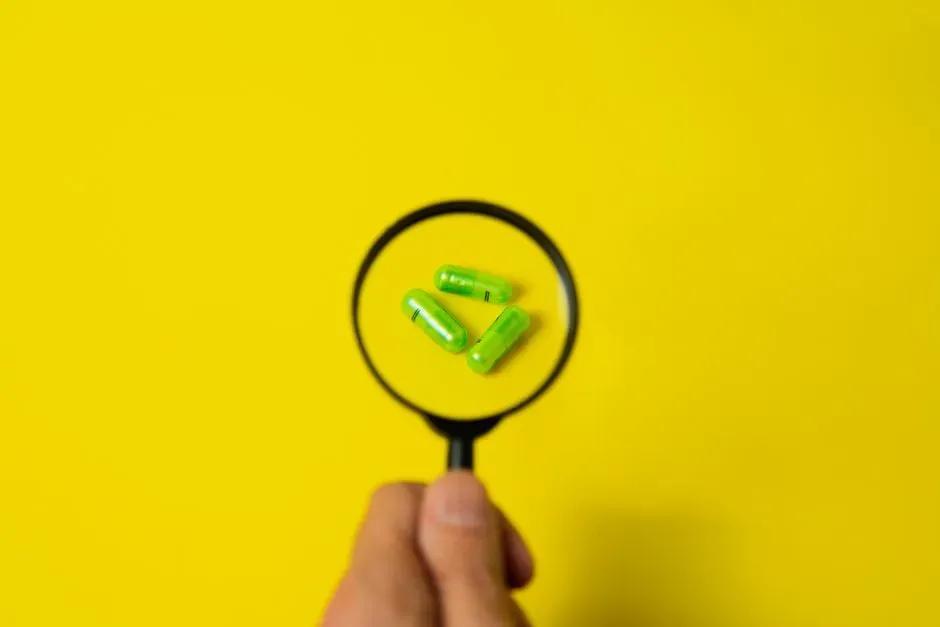
In 1928, Scottish bacteriologist Alexander Fleming returned from a summer holiday to his lab at St Mary’s Hospital in London and found something odd in one of his uncovered petri dishes. A stray mold, later identified as Penicillium notatum, had contaminated a culture of Staphylococcus bacteria and appeared to be killing it. Fleming had not set out to find an antibacterial substance. He had simply left a window open and a dish uncleaned before leaving town.
It took over a decade for chemists Howard Florey and Ernst Chain to turn Fleming’s observation into a usable drug, and penicillin became widely available to treat wounded soldiers during the Second World War. Bacterial infections that once routinely killed people, from pneumonia to sepsis following minor injuries, suddenly became treatable. Antibiotics descended from this discovery are still credited with saving an enormous number of lives each year, even as antibiotic resistance now presents its own growing challenge.
2. The pacemaker built from the wrong resistor

American engineer Wilson Greatbatch was working in 1956 on a device meant to record heart sounds when he reached into a box of spare parts and pulled out a resistor with the wrong resistance value. Instead of scrapping the mistake, he noticed the circuit produced a rhythmic electrical pulse strikingly similar to the human heartbeat. Rather than dismissing the error, he recognized what he was looking at and pursued it.
That misplaced component led directly to the first practical implantable cardiac pacemaker, refined over the following years and successfully implanted in patients starting in 1960. Modern pacemakers, now implanted in hundreds of thousands of people annually worldwide, trace their lineage back to that single wrong part pulled from a supply bin. Greatbatch later held dozens of patents, but this one accident became the foundation of an entire field of cardiac device technology.
3. X-rays discovered through a glowing screen

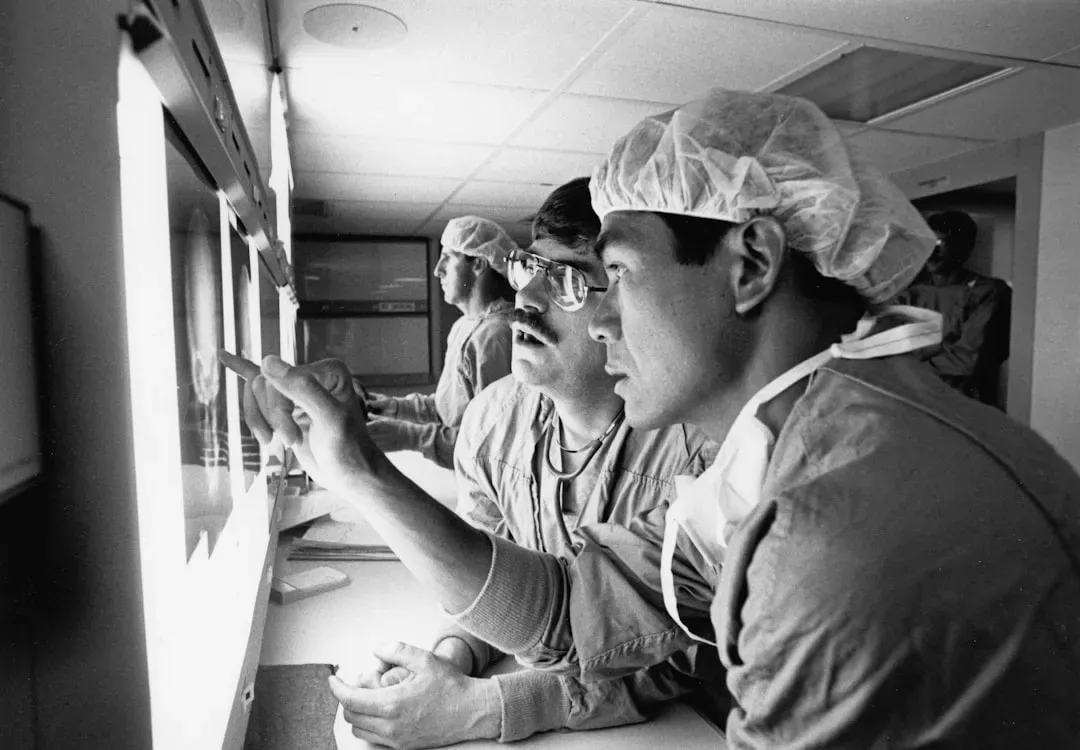
German physicist Wilhelm Conrad Röntgen was experimenting with cathode ray tubes in his Würzburg laboratory in 1895 when he noticed something that should not have happened. A nearby screen coated with barium platinocyanide began to glow even though the tube producing the rays was wrapped in black cardboard, meaning no visible light should have escaped it. Curious rather than dismissive, Röntgen investigated further and identified an entirely new form of radiation he called X-rays.
Within weeks he produced the first X-ray image of a human body part, an image of his wife’s hand showing her bones and wedding ring. The medical world adopted the technology almost immediately, and X-ray imaging became one of the earliest and most widely used diagnostic tools in history. Röntgen refused to patent his discovery, believing it should belong to everyone, and it went on to underpin later technologies including CT scans and radiation therapy.
4. Anesthesia born from laughing gas parties
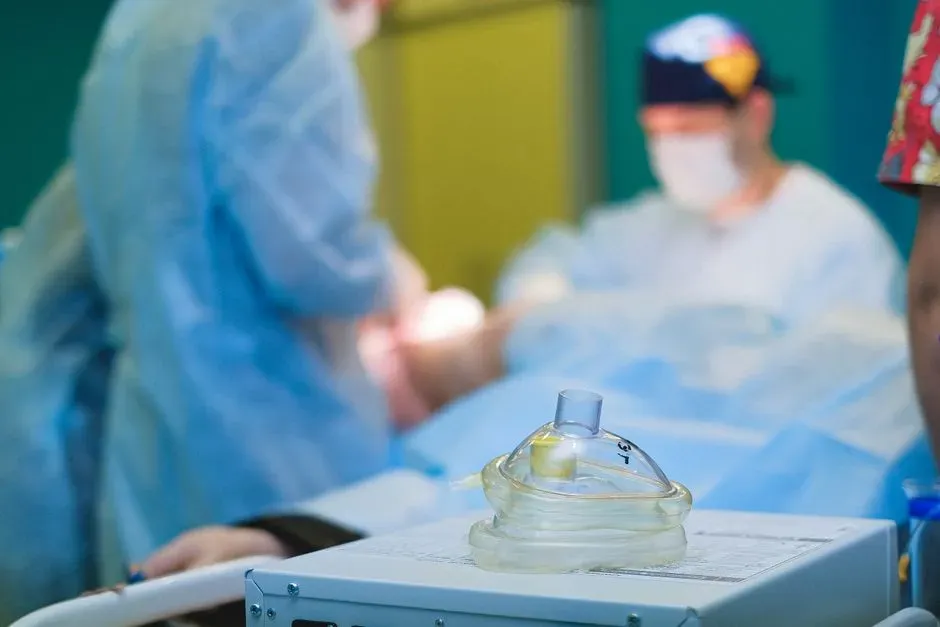
Long before nitrous oxide and ether were used in operating rooms, they were novelties passed around at public demonstrations and informal gatherings sometimes nicknamed ether frolics. Attendees inhaled the gases for the euphoric or numbing sensations they produced, often stumbling or injuring themselves without seeming to notice any pain. Dentist William Morton, having witnessed these effects, began experimenting with ether as a way to numb patients during procedures.
In 1846, Morton administered ether during a public surgical demonstration at Massachusetts General Hospital, and the patient remained still and reported no pain during the operation. The event marked a turning point that made painless surgery a realistic goal rather than a fantasy. What had circulated as entertainment at parties became the foundation of modern anesthesia, a field without which most major surgery today would be unthinkable.
Partner offer

5. Viagra’s unexpected detour from heart medicine

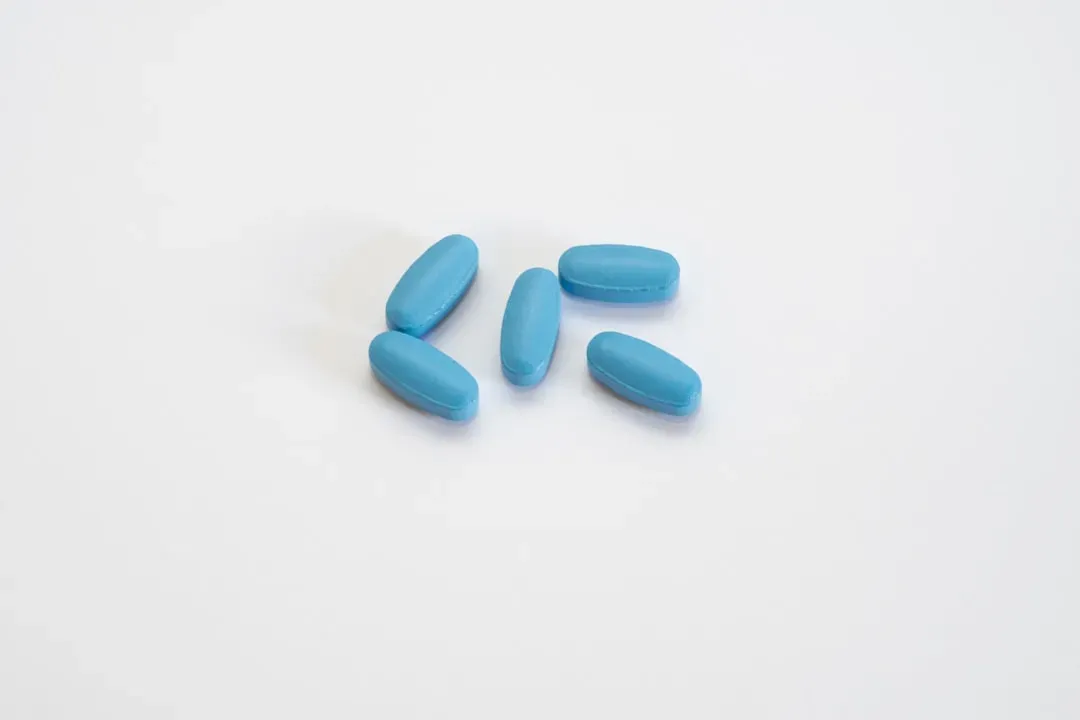
Pfizer researchers in the early 1990s were testing a compound called sildenafil citrate in clinical trials in Wales, hoping it would treat angina and high blood pressure by relaxing blood vessels around the heart. The drug performed poorly at its intended job, and the trial looked like it was heading toward failure. During the trials, however, male participants began reporting an unrelated and very noticeable side effect that had nothing to do with chest pain.
Pfizer pivoted the drug’s development entirely, and sildenafil was approved in 1998 under the brand name Viagra as a treatment for erectile dysfunction. It became one of the fastest selling prescription drugs in history and changed public conversation around a condition that had long been quietly stigmatized. A related version was later approved to treat pulmonary arterial hypertension, bringing the drug’s story back, in a roundabout way, closer to its original medical target.
6. Warfarin, born from a mysterious cattle disease
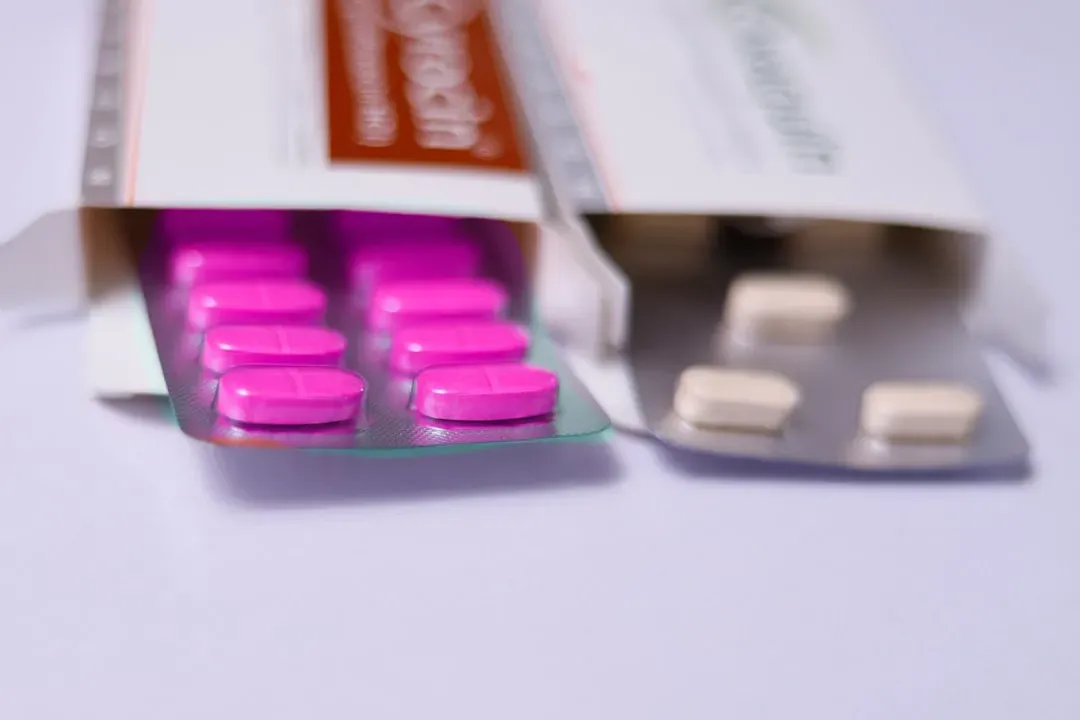
In the 1920s and 1930s, farmers across the northern United States and Canada began reporting cattle bleeding to death from minor injuries after eating hay made from spoiled sweet clover. Veterinarians were baffled until biochemist Karl Paul Link at the University of Wisconsin identified the culprit as a compound called dicoumarol, formed when the clover fermented and spoiled. The finding explained the cattle deaths, but Link’s team saw a second possibility hiding inside the danger.
If the compound could stop blood from clotting properly, a controlled version might help patients at risk of dangerous clots rather than harming them. The resulting drug, warfarin, named for the Wisconsin Alumni Research Foundation that funded the work, became one of the most widely prescribed blood thinners in the world. It is still used today to prevent strokes and clots in patients with conditions like atrial fibrillation, decades after its origin story began with dying cattle.
7. Chemotherapy’s roots in a wartime chemical disaster


During the Second World War, an Allied ship carrying mustard gas exploded in the harbor of Bari, Italy in 1943, exposing hundreds of soldiers and civilians to the toxic chemical. American physician Stewart Francis Alexander was sent to study the casualties and noticed something unusual in the survivors’ blood work. Their white blood cell counts, particularly certain fast dividing lymphocytes, had dropped sharply after exposure.
That observation echoed earlier laboratory work by pharmacologists Louis Goodman and Alfred Gilman at Yale, who had already begun testing a related compound called nitrogen mustard on a patient with lymphoma in 1942. If the chemical could suppress rapidly dividing healthy cells, researchers reasoned it might also suppress rapidly dividing cancer cells. That reasoning marked the beginning of modern chemotherapy, a treatment approach that has since evolved into dozens of drug classes used against a wide range of cancers.
8. The smallpox vaccine and the milkmaids who never got sick
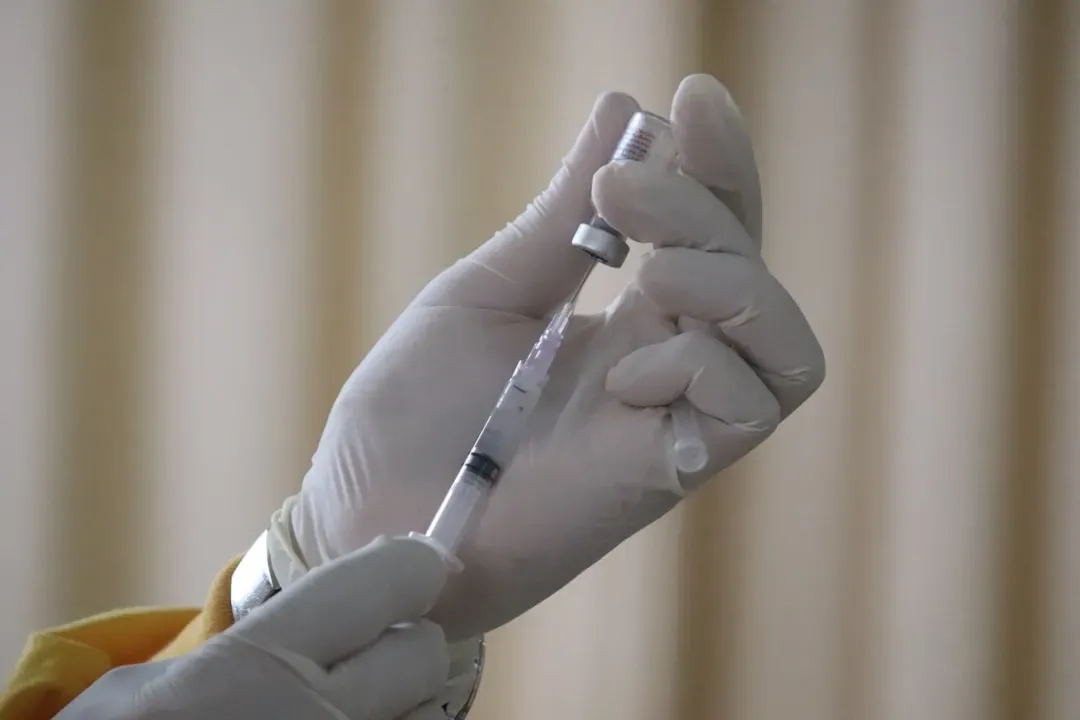
English physician Edward Jenner spent years listening to a piece of local folklore in the English countryside during the late 1700s. Milkmaids who had previously caught cowpox, a mild disease from cattle, seemed to never come down with smallpox, one of the deadliest diseases of the era. Rather than dismissing this as coincidence, Jenner decided to test the folk wisdom directly.
In 1796, he inoculated a young boy named James Phipps with material from a cowpox sore, then later exposed him to smallpox material, and the boy remained healthy. The experiment, unthinkable by modern ethical standards, laid the groundwork for vaccination as a medical practice and eventually led to smallpox becoming the only human disease ever fully eradicated, declared eliminated worldwide in 1980. Jenner’s willingness to take a rural observation seriously ended up saving an estimated hundreds of across the following two centuries.
Taken together, these eight stories share a common thread that has little to do with luck alone. Fleming noticed the mold instead of throwing the dish away. Greatbatch investigated the strange pulse instead of correcting his mistake and moving on. Jenner tested a piece of folk wisdom instead of dismissing it as superstition. The accidents created the opportunity, but it was attention, and the willingness to follow an unexpected result somewhere unplanned, that turned each one into something that outlived its discoverer by generations.Partner offer
Planning a trip to Vegas?
Compare hotel rates and show tickets on VEGAS.com.