The 1990s occupy a complicated corner of cultural memory. On one hand, they’re reliably nostalgic: the music, the fashion, the sense that the internet was just arriving and nobody quite knew what to do with it yet. On the other hand, looking back with any honesty reveals a decade that treated public figures, particularly women, with extraordinary carelessness. The media had teeth and few rules, fame was brutal, and the prevailing culture rarely stopped to ask whether any of it was fair.
Several moments from that era that once felt like ordinary entertainment now look like something else entirely. Not because the facts changed, but because the framework we use to understand them has. Here are eight of those moments, and a clear-eyed look at how they’d land in 2026.
1. The Monica Lewinsky Scandal and the Media’s Treatment of the Intern
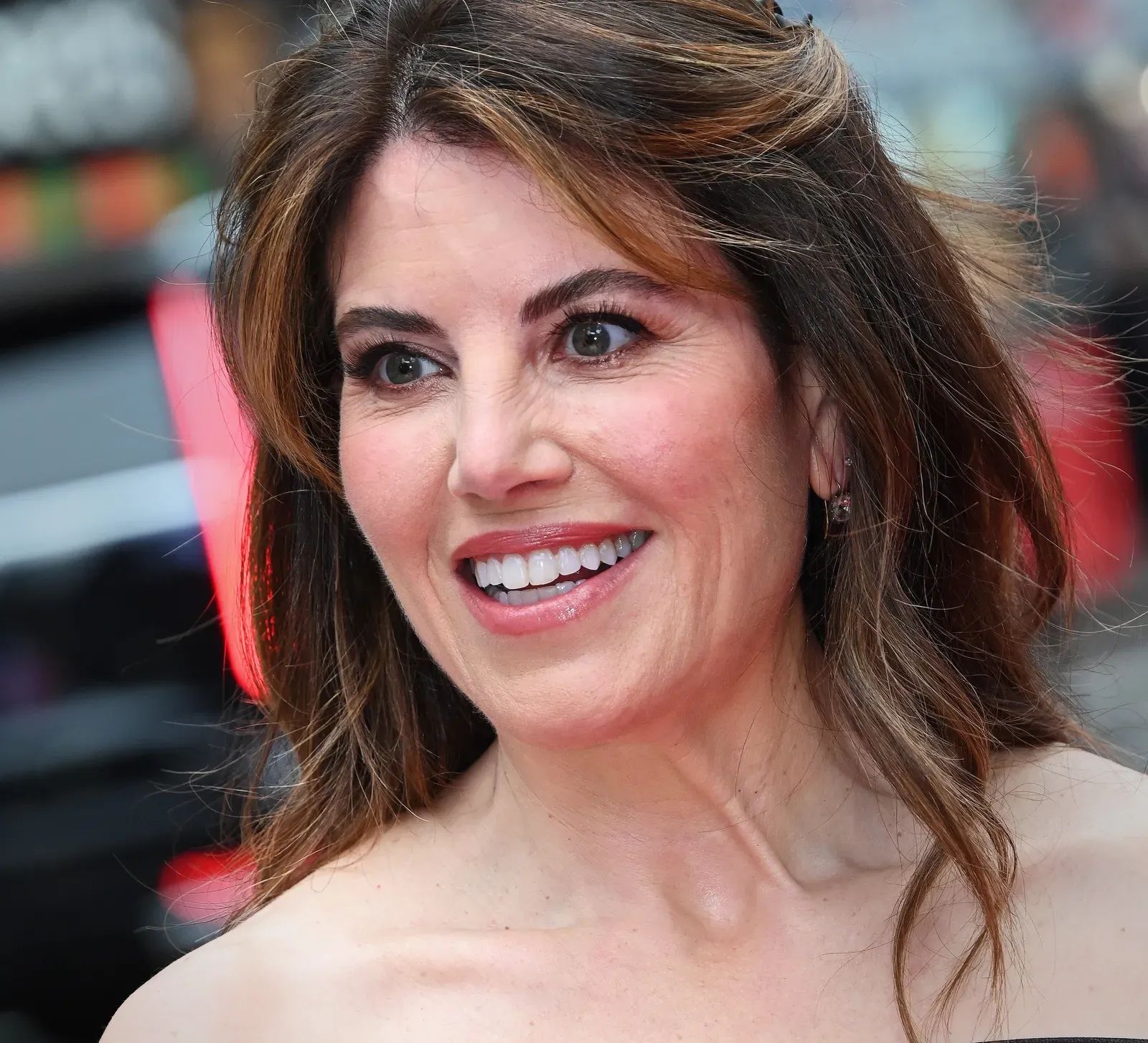
A sex scandal involving Bill Clinton and Monica Lewinsky, a White House intern, erupted publicly in 1998. Their relationship had begun in 1995, when Clinton was 49 years old and Lewinsky was just 22, and it lasted about 18 months. The power imbalance was plain to see, yet for years, the public conversation focused almost entirely on her behavior, not his.
While much of the negative commentary was technically directed at the married president, Lewinsky was vilified for her part in the situation. Major outlets called her a “little tart” and a “ditzy, predatory White House intern,” and at least one cable news outlet asked readers to rate her attractiveness. Weeks after Clinton’s Senate acquittal, the majority of Americans polled still held a more negative view of Monica Lewinsky than of Bill Clinton himself. In the age of MeToo, that dynamic would be swiftly and loudly reversed.
2. The Tonya Harding Media Circus After the Nancy Kerrigan Attack
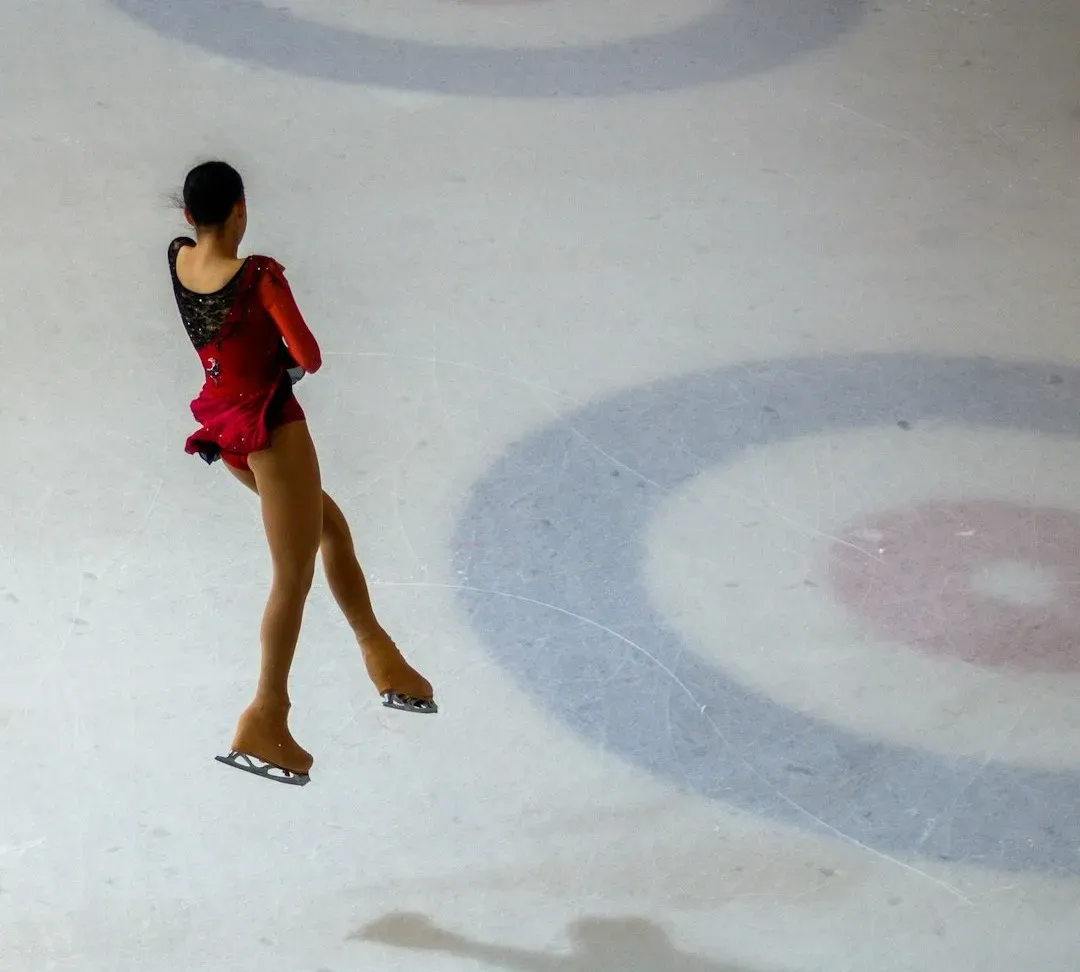
Before the Clinton impeachment played out on cable news, before Princess Diana was chased down by paparazzi, there was the high-stakes media bonanza surrounding the Olympic rivalry between Nancy Kerrigan and Tonya Harding. Not only was it the perfect tabloid story, but it was the first of its kind – never before had 24-hour news, celebrities, and international spectacle combined in a way that has now become a normal part of culture.
What both women had in common was that the popular media of the time relegated them to caricatures and minimized their actual accomplishments. In a media circus, everyone gets made to look foolish, but in Harding’s case especially, she was minimized in favor of serving a particular narrative. Throughout the nineties, the media pummeled women for the crime of being famous, focusing on their clothes, their hair, or the details of their sex lives rather than the pain they endured or the work they were trying to do. Today, a story like Harding’s would almost certainly arrive first as a long-form investigative piece centered on class bias and journalistic accountability.
3. Britney Spears Being Launched Into Fame as a Teenager
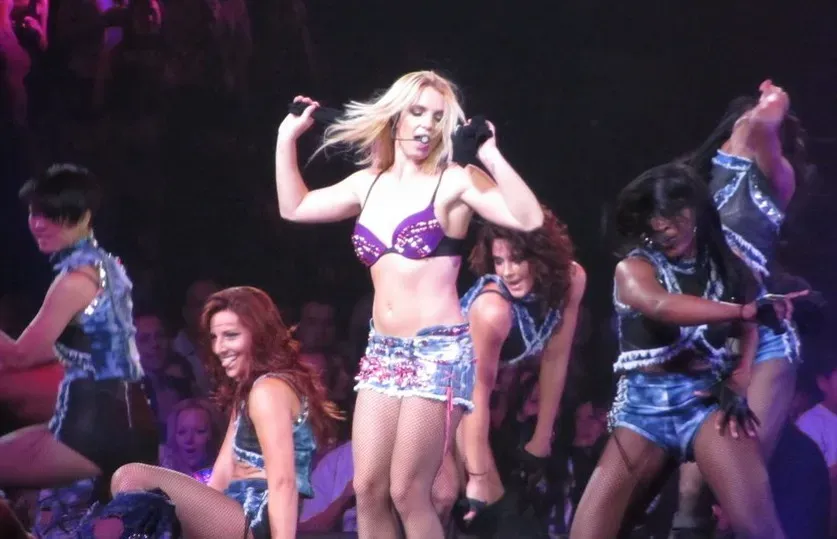
Britney Spears’ debut single remained her most culturally defining moment. Between the catchy chorus, distinctive vocals, and the music video’s iconic schoolgirl outfit, the song helped introduce a new wave of teen pop that brought her a massive amount of fame almost overnight. She was 16 years old. The machinery of celebrity swallowed her whole, and nobody seemed to think that was worth examining at the time.
Being thrust into the limelight meant invasive, deeply personal questioning from a media that had never treated female celebrities equitably. The paparazzi tracked her every movement, vying for the perfect photo to fuel the tabloids and entertainment press. Lapses in understanding of mental health at the time permitted the invasive and inhumane treatment she received, leading to public judgments of her competencies without any real understanding of her personal circumstances. In 2026, a teenager in the same position would likely have at minimum a structured team of advocates, legal protections, and a very different kind of public scrutiny directed at the adults around her.
4. The O.J. Simpson Trial as a Live Entertainment Event
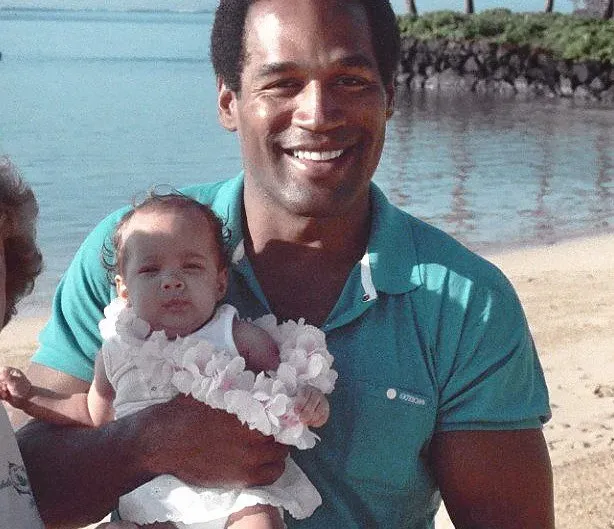
If you lived through it, “spectacle” is the most generous term you could use to describe the media environment around the trial. It was the moment the entire media, seeing the ratings tabloid shows were generating, went all-in on the trash-exploitation and racial tropes that would go on to dominate news coverage for decades. The trial aired on television like a soap opera, complete with daily recaps and breathless commentary.
Ratings and money poured in for everyone involved, and the media continued their appetite for this kind of coverage into the JonBenét Ramsey murder and later the Clinton impeachment. Today, a trial of that magnitude would still generate enormous attention, but the conversation around race, domestic violence, and media exploitation would be impossible to avoid from day one. The analysis would arrive in real time rather than decades later in prestige TV retrospectives.
Partner offer
5. The Public Shaming of Marcia Clark During the Simpson Trial
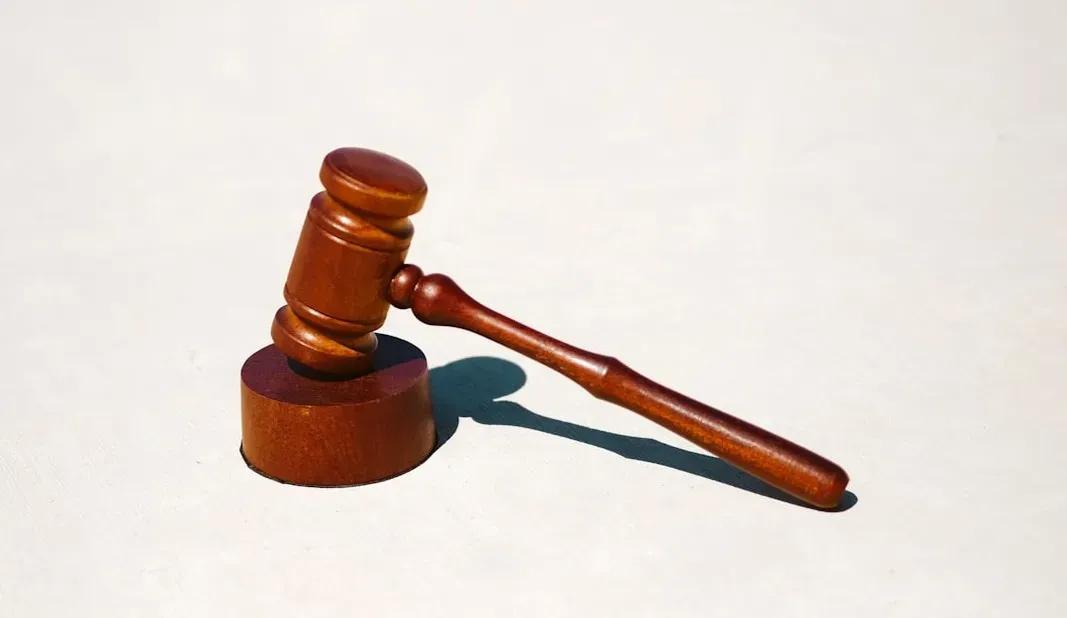
With productions like American Crime Story, audiences later saw that Marcia Clark’s greatest failing, according to the revisionist view, was having too much faith in the American public and assuming that, recognizing a case of domestic violence for what it was, they would convict accordingly. At the time, however, the media had a different preoccupation entirely.
There were plenty of jokes made about Clark’s hair during the trial, but comparatively little attention paid to her success as a prosecutor or the actual merits of her case. A lead prosecutor running a major nationally televised case would not be subjected to that kind of treatment unchallenged today. The backlash would be immediate, and it would likely overshadow the original story within hours on social media.
6. The Press Coverage of Princess Diana’s Mental Health and Marriage
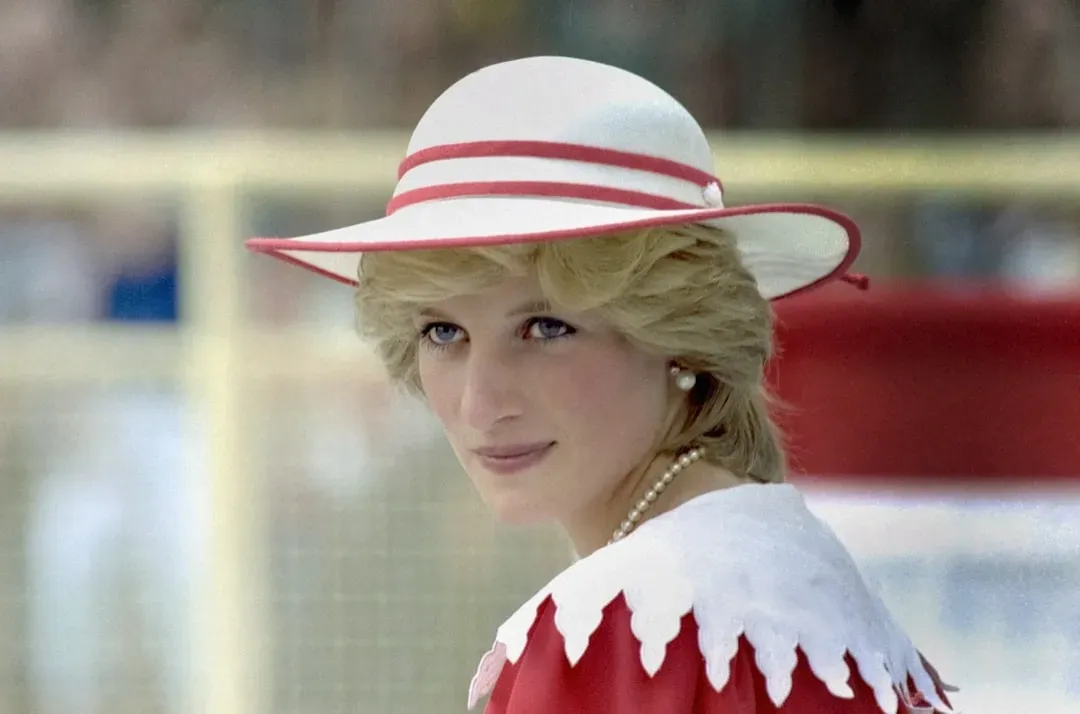
As the years pass, even the most controversial moments in pop culture history become easily forgotten, undermined by the natural evolution of acceptability from the shock value they once created. Many things that defined the 1990s would seem fundamentally out of place today. Few stories illustrate that shift more starkly than the way British tabloids and international media covered Diana’s struggles within the royal family.
Her eating disorder, her depression, and her accounts of institutional neglect were treated either as scandal fodder or outright disbelieved by large segments of the press. Only in hindsight did it become apparent how race, gender, and the toxic media environment of the era contributed to the destruction of women in the public eye. A royal family member speaking openly about suicidal ideation today would be met with an avalanche of mental health resources, public support campaigns, and institutional pressure on the press – not ridicule and skepticism.
7. Tabloid Coverage of Whitney Houston’s Personal Life
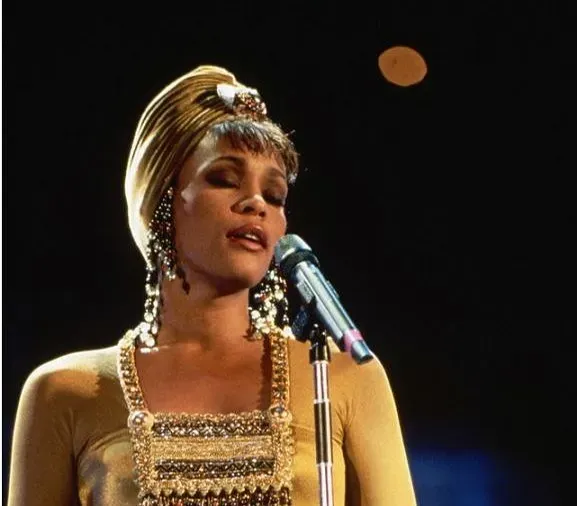
Whitney Houston’s extraordinary talent was never really in question, but the trajectory of her life was shaped in part by how race, gender, and the toxic media culture of the nineties contributed to her downfall. The entertainment press scrutinized her marriage, her appearance, and her personal struggles with relentless intensity, often framing her as someone to be mocked rather than supported.
Headlines and imagery played a significant role in shaping public perceptions of mental health during that era. The media’s portrayal of public figures during personal crises often prioritized sensational narratives over any nuanced understanding of what those individuals were actually experiencing. Instead of fostering concern for their well-being, many reports labeled these experiences in ways that deepened stigma. Houston’s story, examined today, would look very different – less like tabloid sport and more like an urgent conversation about the price of fame and the particular pressures placed on Black women in entertainment.
8. The Y2K Panic and How It Was Reported

Widespread fear spread through 1999 under the name Y2K, the so-called Year 2000 bug. Because computers at the time displayed each year as two digits, there was serious global panic that when the clock struck midnight, all systems would crash with catastrophic consequences. When January 1, 2000 finally arrived, there were some minor technological issues, but nothing close to what the Y2K hysteria had predicted.
The world did gain some valuable lessons from this moment: more advanced technology, a clearer understanding of the sociological implications of panic buying, and insights into how quickly mass anxiety can be manufactured and amplified. Handled in 2026, the coverage would be more tempered from the start. Misinformation specialists would push back on viral worst-case claims within hours, fact-checkers would track the gap between expert consensus and public fear, and the story would likely read as a case study in media literacy rather than a genuine civilization-ending threat.
What connects all eight of these moments is less about specific bad actors and more about the cultural conditions that made them possible. There were no real guardrails – not for how the press treated young women, not for how race and class shaped courtroom coverage, not for how personal crisis got repackaged as entertainment. The tools and frameworks that exist now, imperfect as they still are, didn’t really exist then. That’s worth sitting with rather than simply dismissing as a different time.
Partner offer
Planning a trip to Vegas?
Compare hotel rates and show tickets on VEGAS.com.