Walk through almost any American strip mall today and you’ll find familiar logos that haven’t changed much in decades. Others have left no trace at all, even though they once sat on every busy corner.
The 1970s were a crowded, experimental time for casual dining and fast food. Some brands from that era were swallowed up, some collapsed under debt, and a few faded out so slowly that nobody noticed the last location closing. Here are eight that no longer operate the way they once did.
Burger Chef
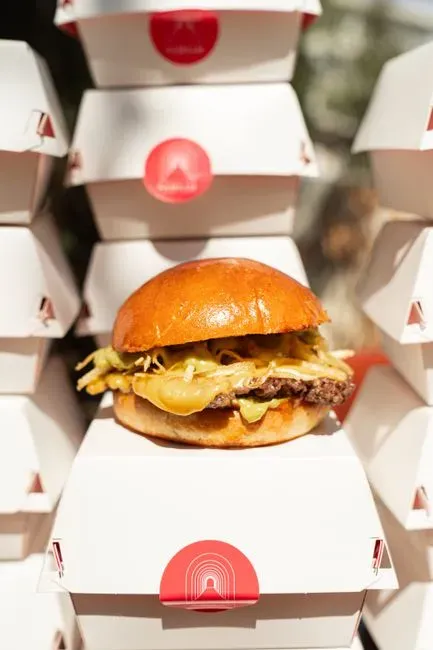
Burger Chef started in Indianapolis in 1954 and grew into one of the largest burger chains in the country. During the 1970s it ranked behind only McDonald’s in size, with thousands of locations. It was owned by General Foods for much of that period.
The chain is often remembered for its Funmeal, a kids’ meal with a toy and activities that arrived years before the Happy Meal. Its decline came in the early 1980s, when the parent company Imasco sold the brand to Hardee’s. Many of the restaurants were converted to Hardee’s, and the Burger Chef name faded away.
Howard Johnson’s
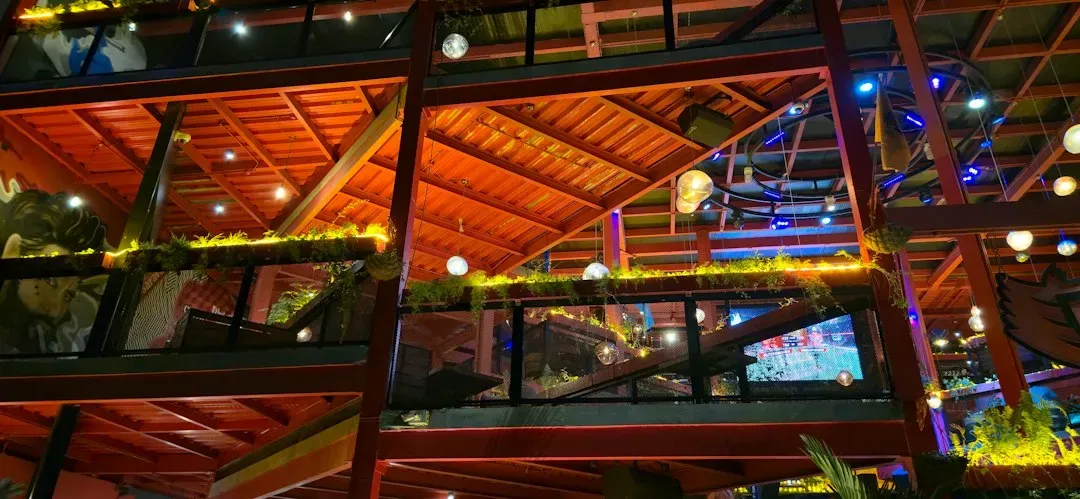
Howard Johnson’s began in 1925 and became a roadside fixture, known for orange roofs and 28 ice cream flavors. In the 1970s it was among the biggest restaurant operators in the United States, with well over a thousand restaurants along highways and turnpikes. Families treated it as the default stop on a road trip.
Changing tastes and the rise of fast food chains steadily cut into its business. The restaurants dwindled over the following decades, and the last one, in Lake George, New York, closed in 2022. The Howard Johnson name still lives on as a hotel brand, though the dining side is gone.
Horn and Hardart
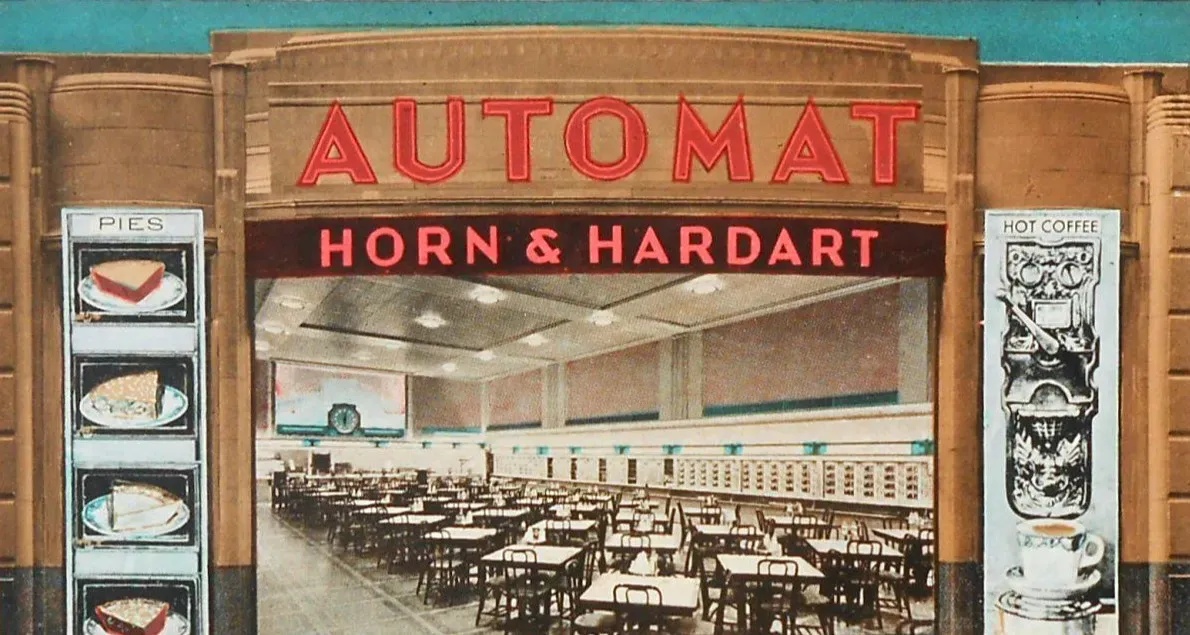
Horn and Hardart brought the Automat to America, opening its first in Philadelphia in 1902 and later expanding to New York. Customers dropped nickels into slots and pulled out sandwiches, pies, and coffee from little glass windows. By the 1970s the format was already showing its age.
Rising labor and food costs, plus competition from fast food, forced the company to shift course. It converted many locations into Burger King franchises. The last New York Automat closed in 1991, ending a chain that had once defined city lunch breaks.
Chi-Chi’s
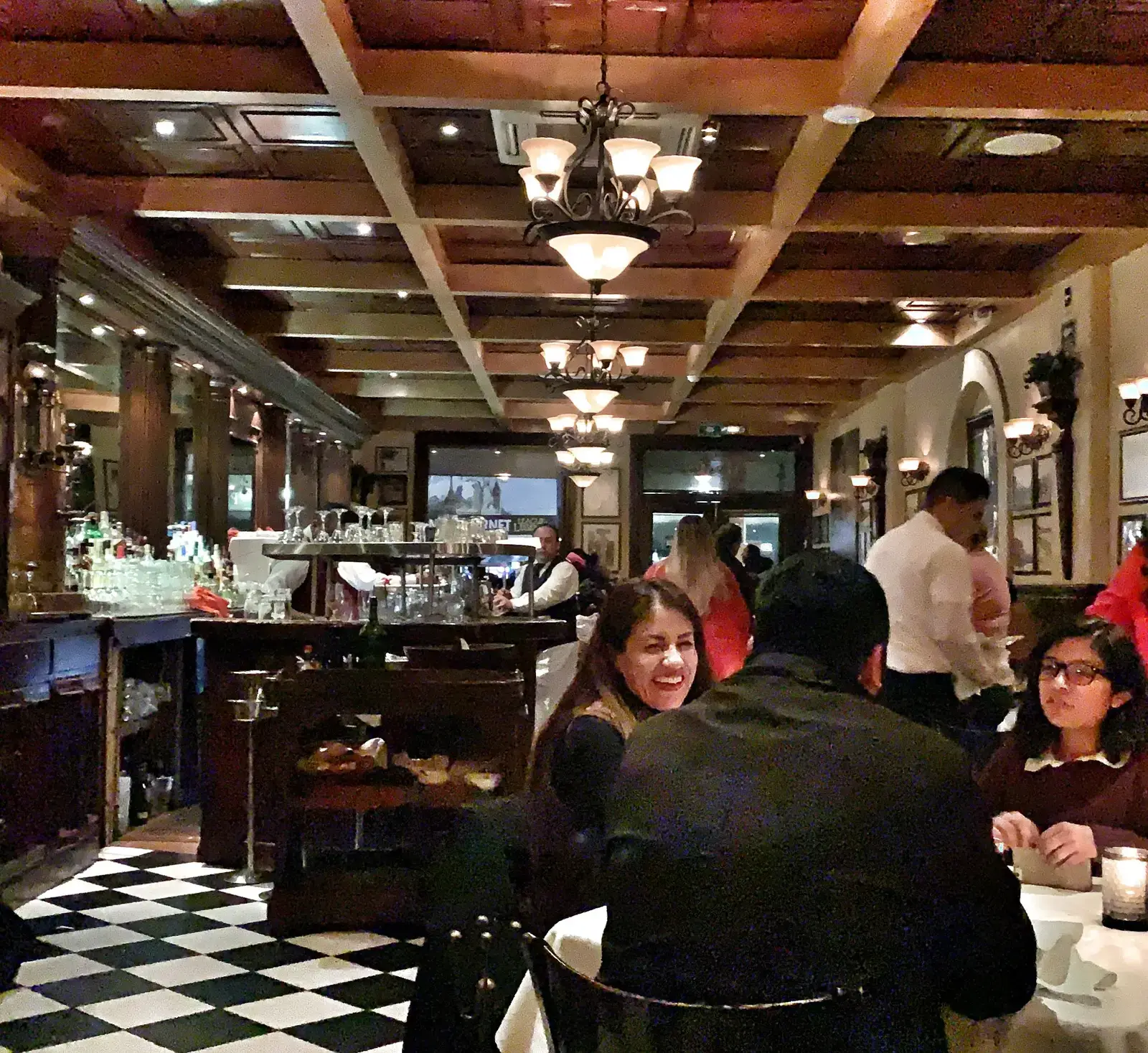
Chi-Chi’s opened in 1975 in Minneapolis and quickly became a household name for casual Mexican food in the Midwest and beyond. Big margaritas, sizzling fajitas, and a festive atmosphere made it a popular spot for birthdays and group dinners. At its height it operated well over a hundred restaurants.
Trouble arrived in 2003, when a hepatitis A outbreak was traced to a location at a Pennsylvania mall. Its parent company, Prandium, was already in financial difficulty and filed for bankruptcy that year. The U.S. restaurants were then closed, and the brand largely disappeared from American dining.
Gino’s Hamburgers
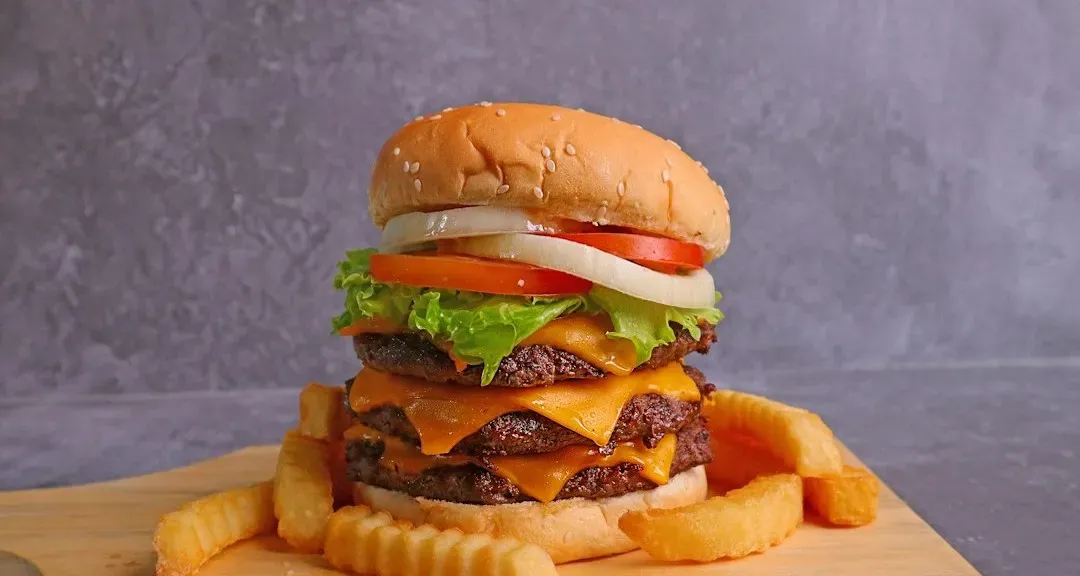
Gino’s was launched in Baltimore in 1957 and was partly founded by football star Gino Marchetti of the Baltimore Colts. The chain spread through the Mid-Atlantic and was known for its Giant sandwich, a forerunner to the big burger formats that came later. It was a regional favorite through the 1970s.
In 1982 the company was sold to Marriott, which converted the restaurants to its Roy Rogers brand. Gino’s name vanished from storefronts nearly overnight. Many longtime customers in Maryland still remember it with some affection.
Sambo’s
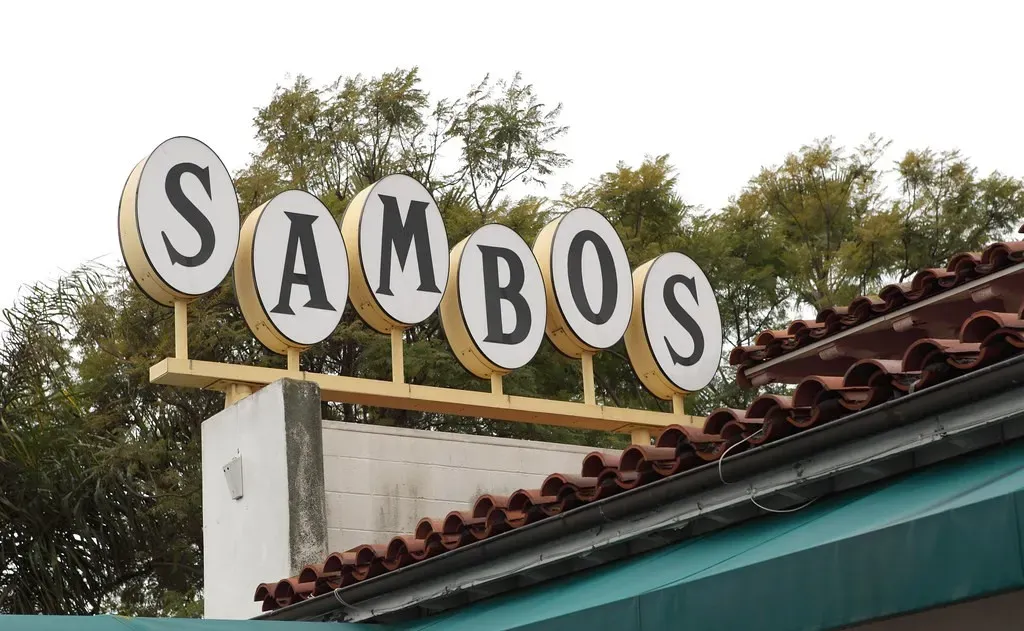
Sambo’s began in Santa Barbara, California, in 1957 and expanded to more than a thousand restaurants across the country by the 1970s. Its pancakes and family menu drew steady crowds, and the chain became a major name in coffee shop dining. Over time, though, its name and imagery drew growing public criticism.
The company tried to rebrand, but the troubles piled up along with its financial strain. Sambo’s filed for bankruptcy in 1981, and the chain collapsed soon afterward. It stands as one of the more dramatic fall-offs among 1970s restaurant brands.
Lum’s
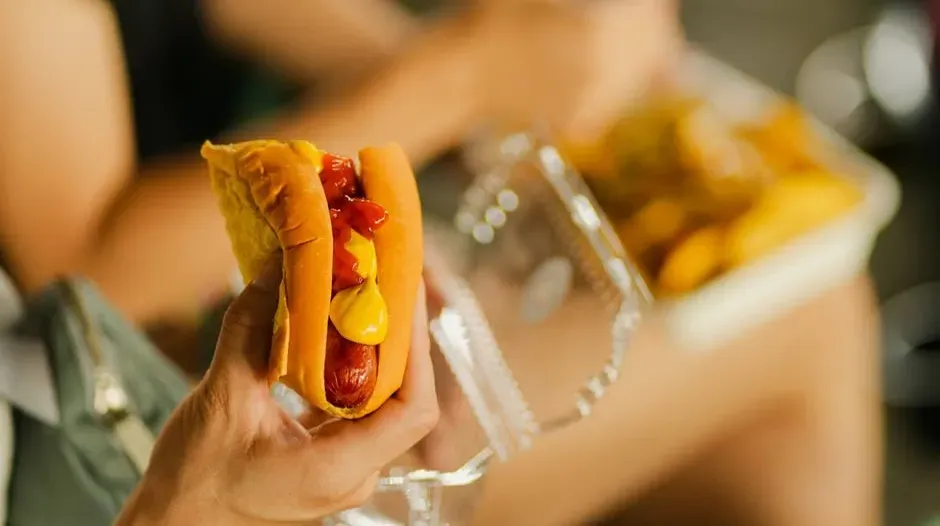
Lum’s opened in Miami Beach in 1956 and built its reputation on hot dogs steamed in beer. Over the following years it grew into a national chain, and in the 1970s it was part of Caesars World. The menu expanded to include burgers and other sit down fare, aiming at casual family dining.
By the early 1980s the business was struggling, and the company went through bankruptcy. Locations closed or were sold off, and the Lum’s name faded. Few people today recognize it, even though it was once a familiar roadside sign.
Ground Round
Ground Round was founded in 1969 in the Boston area and flourished during the 1970s as a family friendly restaurant and bar. Its pitch was simple: a relaxed place with burgers, cartoons on screen, and free peanuts. Parents liked it as much as kids did.
Ownership changed hands several times in the following decades, and the number of locations steadily shrank. By the early 2000s most of the company owned restaurants had closed. Only a handful of franchised sites lingered, so the chain is for practical purposes a thing of the past.