Hollywood loves to talk about the “sophomore slump,” the idea that sequels rarely live up to what came before. Yet history tells a different story. Plenty of second (and even third) installments have blown past the box office numbers of the films that started their franchises, often by building on brand recognition, bigger budgets, and audiences who fell in love the first time around. Here are eight standout cases where the follow-up outearned the original, along with a look at what made the difference.
1. Aliens (1986) vs. Alien (1979)


Ridley Scott’s original Alien was a slow-burn horror hit that became a cultural touchstone, but its box office numbers were modest by blockbuster standards. Alien grossed $78.9 million in the United States and its worldwide gross has been estimated at between $109 million and $188 million. It was a profitable film, especially against its budget, but it never became a true global smash.
James Cameron’s 1986 sequel changed the equation by turning a horror film into an action spectacle, and audiences responded. Aliens earned $131.1–183.3 million during its theatrical run, making it one of the highest-grossing films of 1986 worldwide. Cameron widened the appeal by adding marines, firepower, and a faster pace, while keeping Sigourney Weaver’s Ripley at the emotional center, a formula that pulled in fans who might have skipped a straight horror sequel.
2. Terminator 2: Judgment Day vs. The Terminator (1984)


The original Terminator was a scrappy, low-budget sci-fi thriller that turned into a sleeper hit. It eventually grossed $78.3 million against a modest $6.4 million budget, numbers that were impressive for the investment but tiny compared to what was coming next. The film’s cult following and Arnold Schwarzenegger’s rising star power set the stage for something much bigger.
Seven years later, James Cameron returned with a sequel boasting groundbreaking visual effects and a massively expanded budget. Terminator 2 was a critical and commercial success, grossing $519–$520.9 million at the box office to become the highest-grossing film of 1991 worldwide. The jump from tens of millions to over half a billion dollars shows how a bigger budget, smarter marketing, and genuine technical innovation, like early CGI work, can transform a cult favorite into a global phenomenon.
3. Shrek 2 vs. Shrek (2001)


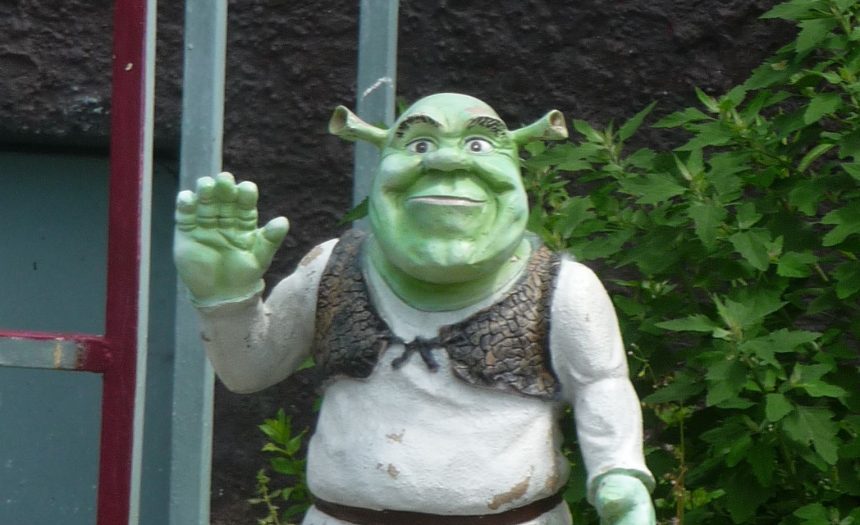
The first Shrek was a genuine surprise, a fairy tale spoof that helped DreamWorks Animation establish its own identity apart from Disney and Pixar. The first Shrek movie turned into a monster hit in the summer of 2001, grossing $267.7 million and establishing DreamWorks Animation as the anti-Disney/Pixar. It was a hit, but nobody expected what came next.
Shrek 2 didn’t just repeat the formula, it expanded the world with new characters like Puss in Boots and leaned into broader family appeal. Three years later, Shrek 2 became the highest-grossing animated movie of all-time, banking over $440 million domestically, with a worldwide haul that eventually approached the billion-dollar mark after later re-releases. Shrek 2 concluded its run as the year’s highest-grossing film worldwide, and the biggest film in the history of DreamWorks Animation, a record it still holds today.
4. Jurassic World vs. Jurassic Park (1993)


Steven Spielberg’s Jurassic Park was a genuine phenomenon when it opened, blending cutting-edge visual effects with a Michael Crichton story that captured the public imagination. It briefly became the highest-grossing film of all time upon release, a huge achievement for 1993. Yet more than two decades of inflation, ticket price growth, and a global audience three times larger meant the door was open for a sequel to eventually top it in raw dollars.
That sequel arrived in 2015 as Jurassic World, and it shattered expectations almost instantly. The film finished with a worldwide gross of $1.672 billion, becoming the third highest-grossing film of all time upon its release. At the time of its release, Jurassic World set a record for the fastest movie to ever reach $1 billion globally, powered by nostalgia, a beloved setting, and a marketing blitz that reintroduced dinosaurs to a new generation of moviegoers.
5. 22 Jump Street vs. 21 Jump Street (2012)


21 Jump Street was a modestly budgeted comedy that turned an unlikely source, an old television procedural, into a self-aware buddy-cop hit. It performed solidly and built a loyal fan base thanks to the chemistry between Channing Tatum and Jonah Hill, but it wasn’t a blockbuster on the scale of the era’s biggest comedies.
The sequel leaned even harder into meta humor about sequels themselves, and audiences ate it up. 22 Jump Street grossed $331.3 million against a budget of $50–84.5 million, a clear jump from its predecessor’s totals. The joke-filled marketing campaign, which openly mocked the idea of a bigger, more expensive sequel, actually helped sell the film as an event rather than a retread.
6. Frozen II vs. Frozen (2013)


Frozen became a cultural juggernaut in 2013, turning “Let It Go” into a global singalong and pushing Disney’s animation studio back into rarefied box office territory. It was one of the biggest animated films ever made at the time of its release, and it built an enormous merchandising and fan base that stretched well beyond the usual family-movie audience.
By the time Frozen II arrived in 2019, that fan base had grown even larger, and Disney capitalized on six years of anticipation. The sequel opened bigger than its predecessor and went on to surpass Frozen’s total worldwide earnings, becoming one of the highest-grossing animated films ever released. Built-in audience loyalty, a returning voice cast, and a marketing machine six years in the making gave the sequel a running start the original never had.
7. Despicable Me 2 vs. Despicable Me (2010)


Despicable Me introduced audiences to Gru and, more importantly, to the Minions, who quickly became a merchandising sensation independent of the film itself. The original was a solid hit for Illumination and helped establish the studio as a real competitor to Pixar and DreamWorks, but it was still finding its footing as a franchise.
The sequel arrived at the height of Minion mania, and it grossed substantially more than the original worldwide. Riding a wave of toy sales, spin-off shorts, and viral popularity that the first film never had access to, Despicable Me 2 proved that a beloved side character can sometimes do more for a sequel’s box office than the main plot ever could.
8. Toy Story 3 vs. Toy Story (1995)


The original Toy Story was groundbreaking as the first fully computer-animated feature film, but ticket prices and global multiplex infrastructure in 1995 were nowhere near what they’d become fifteen years later. It was a beloved hit and a genuine technical milestone, yet its box office total looked modest next to what Pixar would eventually achieve with the same characters.
Toy Story 3 closed out the trilogy in 2010 with a tearjerker ending that resonated with the adults who’d grown up on the first film, and it became one of the highest-grossing animated movies of all time at that point, even briefly surpassing Shrek 2’s long-held record. The combination of nostalgia, 3D ticket premiums, and a genuinely emotional send-off gave the third installment a box office advantage the 1995 original simply couldn’t have had.
Looking across these eight cases, a few patterns stand out. Bigger budgets and better special effects certainly help, as seen with Terminator 2 and Jurassic World, but so does something less flashy: time. Ticket prices rise, international markets expand, and franchises accumulate fans who show up in bigger numbers for a sequel than they ever did for the film that started it all. Nostalgia, merchandising tie-ins, and returning casts also play an outsized role, especially in animation, where characters like the Minions or Puss in Boots can become bigger draws than the original premise itself.
None of this means sequels are automatically better than their originals, artistically they rarely are, but it does show that box office success and creative achievement don’t always move in the same direction. Sometimes the film that broke new ground simply laid the groundwork for its own sequel to make more noise, and more money, later on.