Long before the first temple was built, before a single deity was named, and before any priest ever stood before a congregation, human beings were already doing something unmistakably spiritual. They buried their dead with care. They painted animals on cave walls by torchlight. They beat drums and burned pigment and gathered at appointed places for reasons that went well beyond simple survival.
What follows is a look at ten of the most significant ritual practices that archaeologists and anthropologists have traced to a time before existed in any formal sense. These are not myths or speculation. They are backed by physical evidence, excavated from the earth over the past century and studied with increasingly precise methods.
1. Intentional Burial of the Dead

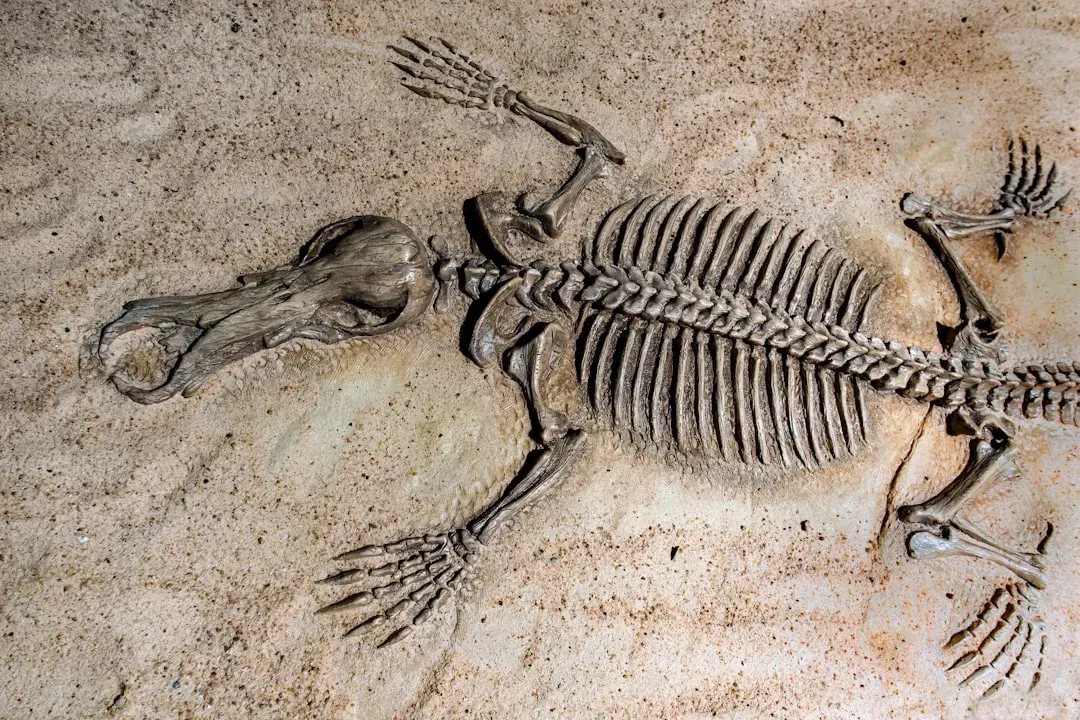
The study of early ritual revolves heavily around death and burial rites. The first undisputed burials, performed approximately 150,000 years ago, were carried out by Neanderthals. This is not a small claim. It places deliberate funerary behavior far deeper in human prehistory than most people imagine.
The deliberate burial of the dead, including ochre-stained skeletal remains at Skhul and Qafzeh in Israel dating to around 100,000 BCE, is among the earliest evidence of ritual behavior. The effort invested in preparing, positioning, and interring a corpse suggests beliefs about death that go beyond its physical fact. More recently, the oldest deliberate human burial in Africa was unearthed in 2013 near the coast of Kenya, where roughly 78,000 years ago, a small child was placed in the fetal position and laid to rest in a shallow grave.
2. The Use of Red Ochre in Ceremony

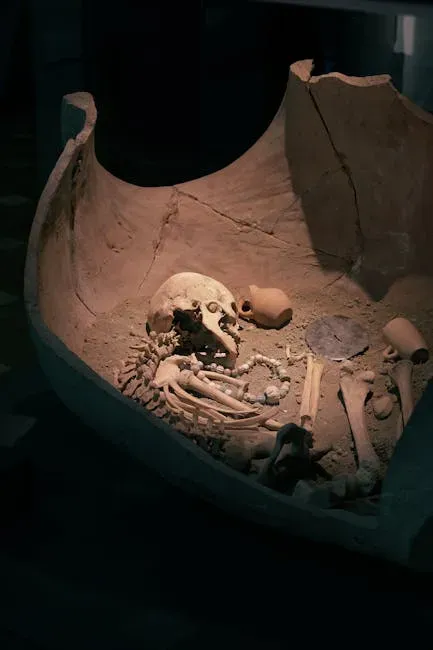
Evidence of early religious cognition appears in intentional human burials accompanied by red ochre pigment and marine shells at Qafzeh Cave in Israel, dated to approximately 100,000 years ago, suggesting ritualistic behaviors possibly linked to beliefs in continuity beyond death. Red ochre turns up again and again across prehistoric sites on nearly every continent, always in contexts that suggest more than practical use.
The widespread use of ochre in burials throughout the pre-pottery Neolithic period in Anatolia and the Levant has been associated with expressions of ritual and religious behavior, as a reflection of differential access to resources and as a marker of status. The discovery of 100,000-year-old symbolic artifacts like pierced shell ornaments and decorated chunks of red ochre in caves in South Africa was not sufficient on its own to prove ritual activity, but when found consistently alongside burials, the ceremonial intent becomes difficult to dismiss.
3. Cave Painting as Spiritual Communication

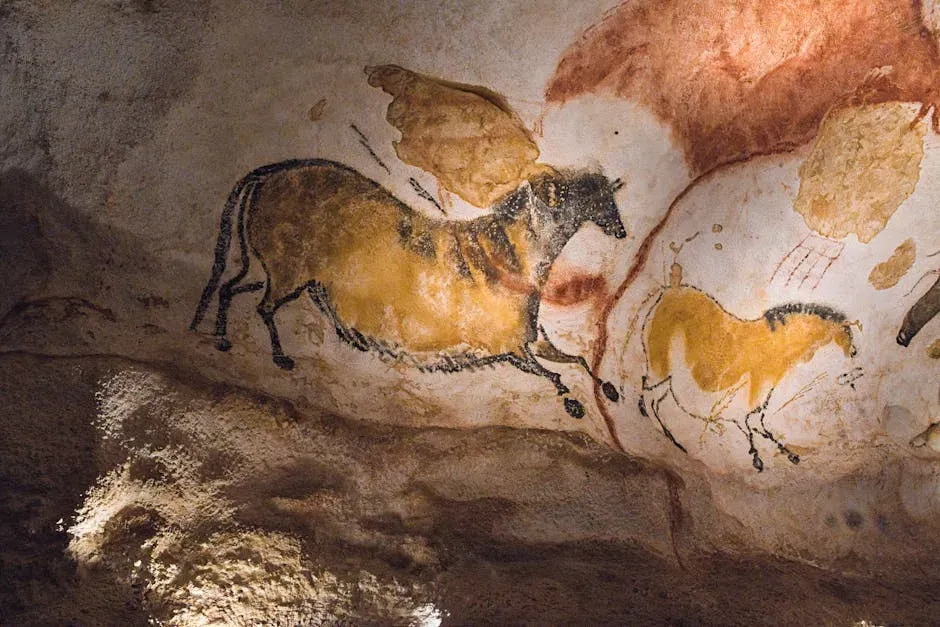
Paleolithic cave paintings, found at sites like Altamira in Spain and Chauvet in France and dating from 30,000 to 40,000 years ago, are among the most technically sophisticated art ever produced. Humans painted deep in oxygen-poor caves using red ochre and charcoal, depicting animals, shamans, and abstract symbols. The choice of deep, nearly inaccessible chambers is itself significant. These were not casual decorations.
Some scholars suggest that these images could have been part of mystical or ritual practices. A widely discussed theory, rooted in ethnographic studies of contemporary hunter-gatherer societies, posits that the paintings are connected to shamanistic practices, with spiritual leaders creating or using the images as part of rituals to invoke animal spirits or gain supernatural assistance. At sites like El Castillo in Spain, hand stencils occur at specific depths in caves, suggesting ritual use rather than casual marking.
4. Shamanic Practice and Altered States
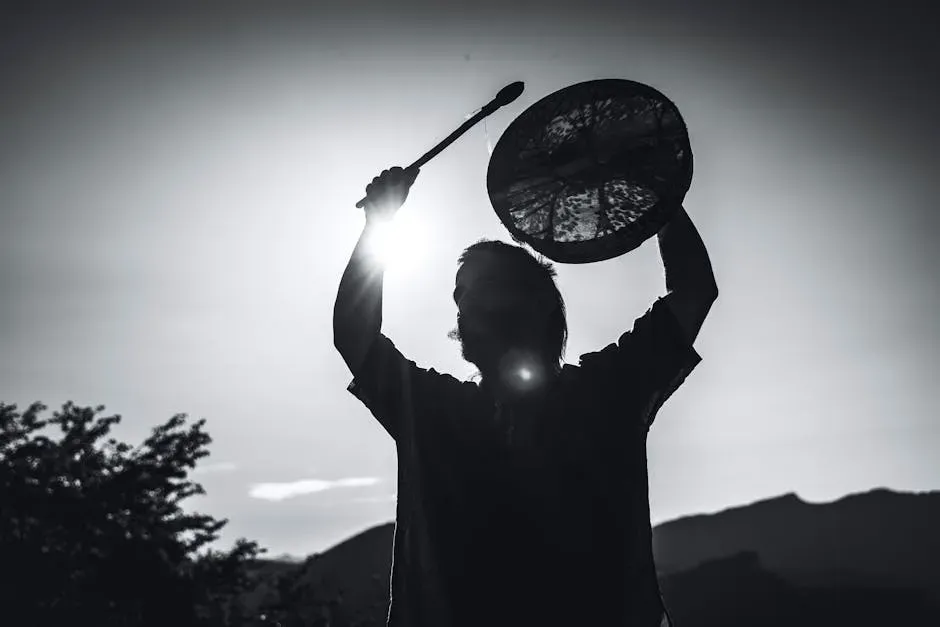
The key element in shamanic ritual was the trance, or altered state of consciousness, during which the shaman traveled to the other world. This ecstatic state was often stimulated by music and dance, which explains the recovery of bone and ivory flutes, such as the Divje Babe Flute dated to around 58,000 BCE, from multiple cave sites across Europe. The instruments were not decorative objects. They were tools of transformation.
Archaeologists Jean Clottes and David Lewis-Williams suggest that ancient cave images were created by shamans, powerful individuals who were able to contact the spirit world through trance and ritual. In many societies throughout history, shamans have been consulted to try to change the weather, foretell the future, control the movements of animals, and converse with the dead. The shaman, in this sense, predates the priest by tens of thousands of years.
5. Totemism and Animal Veneration
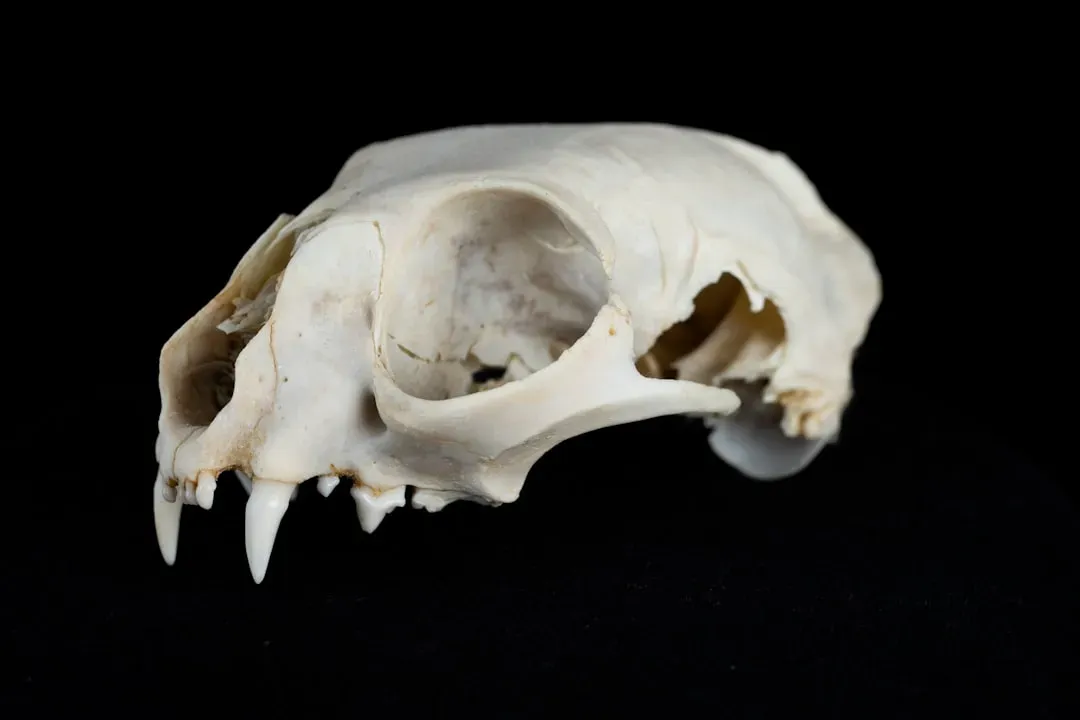
Across the world, ancient peoples carved animals into stone, wood, or bone as symbols that represented the soul of a clan, tribe, or family. Totemism is the belief that a group is spiritually linked to a particular animal, plant, or natural force, with these totems becoming guardians, teachers, and emblems of shared identity. Archaeological finds show that animal motifs were not just decorative but played a central role in myths, rituals, and social organization.
Paleolithic societies engaged in rituals that indicated a close magical relationship with animals, particularly noted in early cave art. Archaeological findings suggest a widespread bear-cult among Neanderthals, supporting notions of animalism and totemic beliefs. In Drachenloch Cave in Switzerland, several stone chests each containing four or five bear skulls were found, all pointing in the same direction. These have been explained as skull and long bone sacrifices connected with the religious conceptions of Mousterian hunters.
6. Ritual Feasting and Communal Gathering

The archaeologists who excavated Göbekli Tepe argue that massive quantities of animal bones associated with the structures represent the remains of feasts. Twelve thousand years ago, humans were still hunter-gatherers subsisting entirely on wild foods, yet they were already gathering in large groups for communal meals that carried clear ceremonial weight.
Zooarchaeological analysis shows that gazelle were only seasonally present in the region around Göbekli Tepe, suggesting that events such as rituals and feasts were likely timed to occur during periods when game availability was at its peak. The Neolithic period witnessed the construction of monumental structures interpreted as sites for communal rituals. Evidence of organized gatherings, such as feasting remains and symbolic carvings, suggests these rituals reinforced social cohesion among communities transitioning from hunting to farming.
7. The Skull Cult: Honoring and Displaying the Dead

Other than the burial of the whole body, the disposition of individual parts, and especially the skull, is archaeologically significant. Ritual deposition of skulls is confirmed for the Middle Paleolithic Period. This is one of the more striking pre-religious practices, one that involved treating human remains as sacred objects long after death.
Carved and drilled skull fragments from a roughly 11,000-year-old ritual site point to an undocumented variation of skull cult. More likely, the skulls were carved to venerate ancestors not long after their death, or to put recently dispatched enemies on display. Each skull had intentional deep incisions along its sagittal axes, and one also displayed a drilled hole in the left parietal bone as well as red ochre remnants, reinforcing the idea that these were acts of ceremony, not mere disposal.
8. Venus Figurines and Fertility Ritual

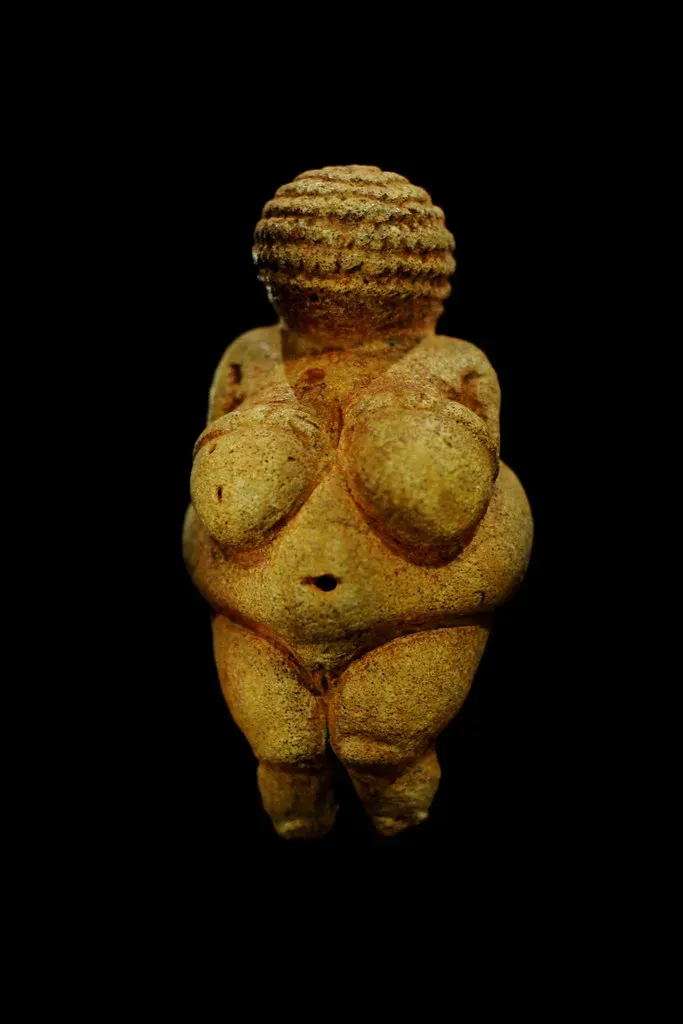
One Upper Paleolithic remnant that draws significant cultural attention is the Venus figurines, carved statues of nude women speculated to represent deities, fertility symbols, or ritual fetish objects. These small sculptures have been found from western Europe to Siberia, pointing to a shared symbolic vocabulary across enormous distances and thousands of years.
The Venus of Berekhat Ram is one such highly speculative figure, a scoria dated between 300,000 and 350,000 years ago with several grooves interpreted as resembling a woman’s torso and head. Scanning electron microscopy found the Venus of Berekhat Ram’s grooves consistent with those that would be produced by contemporary flint tools, suggesting intentional carving at a date far earlier than most people associate with symbolic human behavior.
9. Ritual Music and Percussive Ceremony

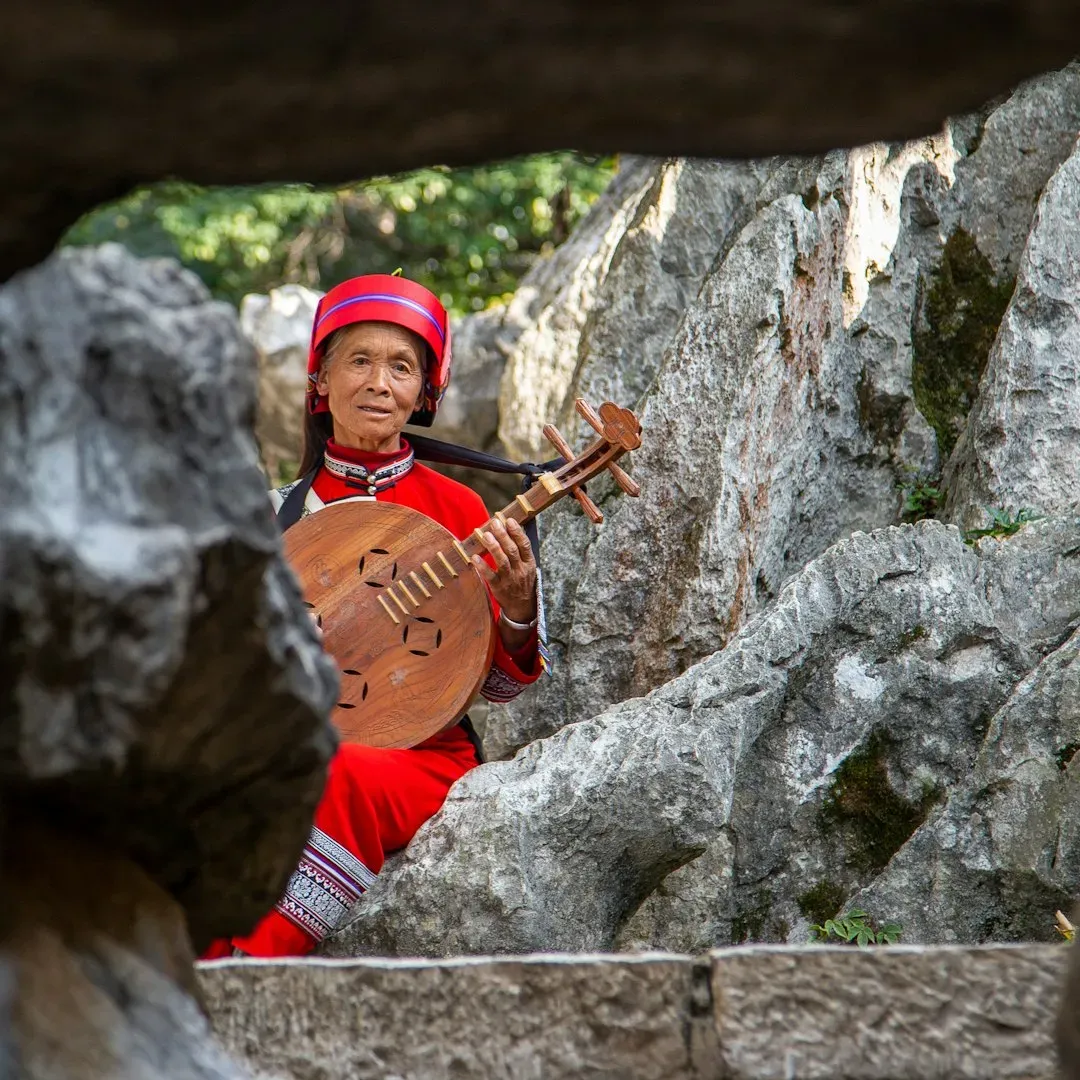
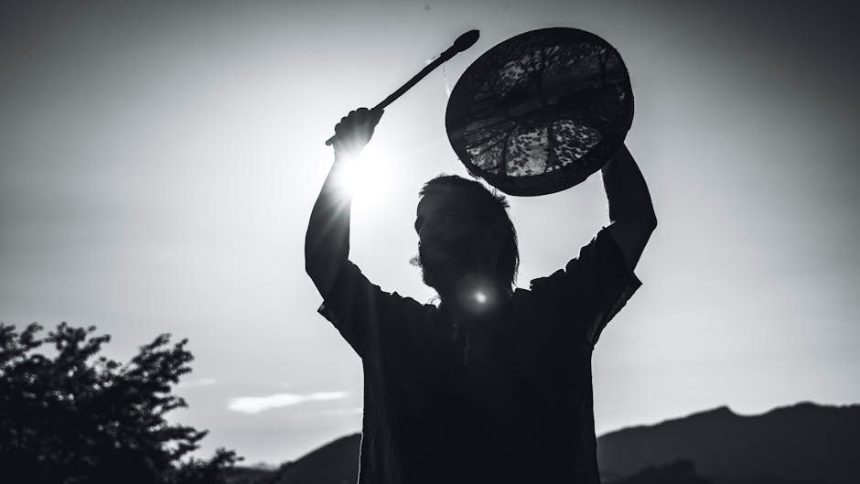
Ancient flutes, drums, and rattles, some over 30,000 years old, have been found in prehistoric sites. These instruments were likely used in rituals to entrance, celebrate, or communicate with the spirit world. Sound, it turns out, may have been just as powerful a ritual technology as fire or pigment.
In a dimly-lit chamber, sound is an extremely powerful sensory stimulus. When a shaman mimicked the sound of an animal and heard the sound reverberating around them, it might have helped attain a deeper state of consciousness. Researchers in the field of archaeoacoustics are now actively studying how prehistoric artists chose locations for their cave art based partly on acoustic properties, suggesting that music and visual ritual were deeply intertwined from the very beginning.
10. Ancestor Veneration Before Temples Existed


Evidence for ancestor cult practices dating to the 7th millennium BCE were first discovered at Jericho in Palestine, where several skulls were found to have been deposited in a separate room, some of them covered with a plaster modeling of faces. This practice of treating the dead as spiritually present and socially relevant is one of the most widespread human behaviors on record.
China’s Yangshao culture predates the era of the dynasties, dating from around 5,000 BCE, and exhibits all the signs of belief in life-after-death and ancestor worship. The Neolithic people of the Yellow River region developed intricate burial practices and fertility rituals. In Banpo Village near present-day Xi’an, the dead were buried with pottery containing food and utensils, clam-shell figures representing iconic power animals, and jade jewelry. The dead were also positioned with their heads to the west, the direction of the setting sun. Gestures like these required no temple, no written scripture, and no ordained clergy. They needed only intention, and the very human desire to keep the dead close.