Some songs get misread so consistently that the interpretation practically becomes the accepted one. A stadium crowd roars along to a chorus without noticing the verses tell a much darker story, or a couple picks a slow song for their wedding dance without catching the unsettling lyrics underneath the melody. It happens more often than you’d think, and once you know the real story behind these tracks, you can’t really unhear it.
What follows are eight songs where the popular reading and the songwriter’s actual intent have drifted apart, sometimes by a mile. A few of these misunderstandings caused real controversy. Others just turned a personal or unsettling song into background music for barbecues and first dances.
1. “Born in the U.S.A.” by Bruce Springsteen
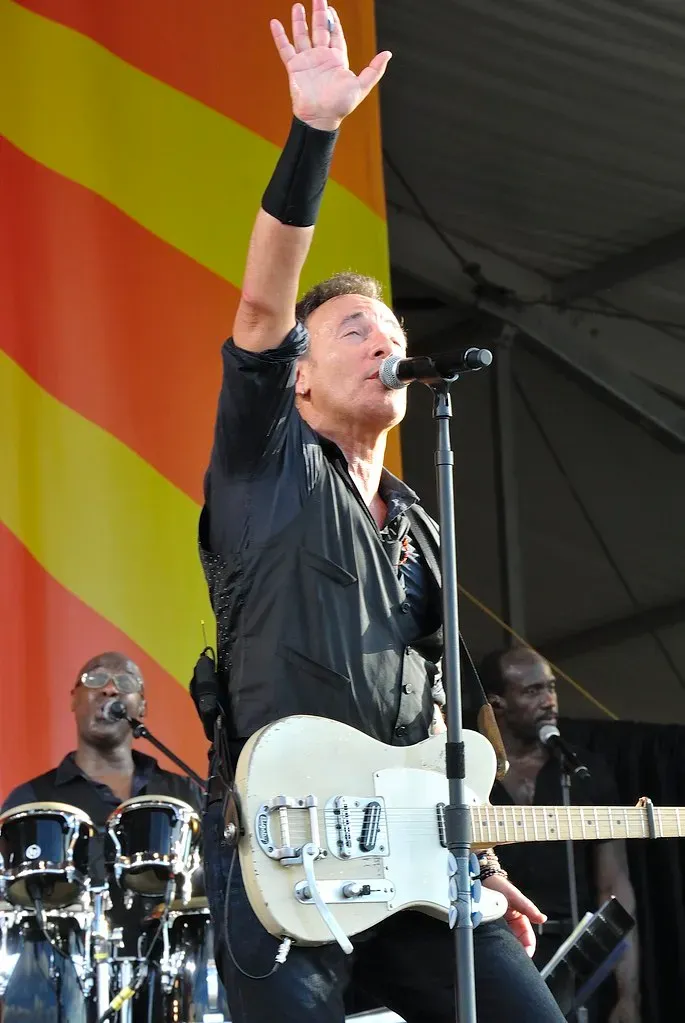
Few songs have been hijacked for a cause their writer never intended quite like this one. Ronald Reagan referenced the song during his 1984 presidential campaign, and it has been widely misunderstood as a song celebrating the gift of being born an American citizen. In reality, the song is about the problems Vietnam veterans faced when they returned to America, since veterans of other wars received heroes’ welcomes while those who fought in Vietnam were mostly ignored when they returned to their homeland.
The verses lay it out plainly if anyone bothers to listen past the chorus. The other two verses wedged between the “born in the USA” refrain tackle the mistreatment of Vietnam veterans, telling of a war veteran coming home and struggling to get hired at his hometown’s oil refinery before going to see his local Veterans Affairs office and being met with an apology and zero help. Springsteen himself has been direct about it, calling it “a protest song” in his 2016 memoir Born to Run, though the booming, fist-pumping arrangement makes it easy to see why so many missed the point entirely.
2. “Every Breath You Take” by The Police


This one might be the single most requested song at weddings that absolutely should not be played at weddings. It is one of the most misinterpreted songs ever, an obsessive stalker song that sounds like a love song, and some people have even used it as their wedding song. Sting wrote it while his first marriage was falling apart, and he later described the lyrics bluntly.
In his own words, the writer was clear about the darker undercurrent running through it. He said it sounds like a comforting love song, but he didn’t realize at the time how sinister it is, adding that he was thinking of Big Brother, surveillance, and control during the Reagan, Star Wars years. Even Stewart Copeland, the band’s own drummer, didn’t catch the true meaning either, and it wasn’t until after the song was released that he realized it wasn’t a love song.
3. “Fortunate Son” by Creedence Clearwater Revival

This track gets misread in two directions at once, sometimes treated as blindly patriotic, sometimes as simply anti-American. Neither is quite right. It became a Vietnam anti-war movement anthem and an expressive symbol of the counterculture’s opposition to executive power grabs, released during the peak period of U.S. involvement in the Vietnam War, critical of the unfairness of the draft.
John Fogerty was not attacking soldiers or the country itself. Rather, it is an attack on children of privilege like a “senator’s son” or “millionaire’s son” who used that privilege to dodge the draft, an anti-draft dodger song rooted in stories of senior military personnel using their influence to keep their own children out of harm’s way. The confusion likely stems from that stomping, flag-waving guitar riff, which sounds triumphant even while the lyrics are pointing fingers at the powerful.
4. “Pumped Up Kicks” by Foster the People


Few songs have caused more genuine confusion between sound and subject than this one. The bright, breezy synth-pop production hides lyrics written entirely from a disturbed character’s point of view. The song was written from the perspective of a mentally disturbed teen named Robert who wanted to bring a gun to school and shoot the kids who wore better shoes, despite its bubbly, mellow sound.
Mark Foster has repeatedly pushed back on the most common assumption about the track. The song isn’t specifically about a school shooting, and Foster has said that people filled in the blanks to reach that conclusion, since he never mentions a school anywhere in the lyrics, and it is really more about the character’s psyche. After events like the Marjory Stoneman Douglas shooting, where the perpetrator had reportedly referenced the song, Foster has grown increasingly uneasy performing it live.
Partner offer

5. “Semi-Charmed Life” by Third Eye Blind


This one is a classic case of a hook overpowering everything underneath it. The “doo-doo-doo” refrain became such an inescapable summer radio staple in the late nineties that most casual listeners never registered what the verses were actually describing. Stephan Jenkins wrote the song about crystal methamphetamine use and the way addiction warps a relationship, cycling between euphoric highs and grinding comedowns.
Radio edits often censored or altered the more explicit drug references, which only reinforced the misreading of it as a breezy party anthem. Played at graduation parties and summer cookouts for decades, the track’s actual subject matter, dependency, deception, and the slow unraveling of a relationship, rarely gets a mention. It’s a song that proves a catchy melody can bury a fairly bleak story almost completely.
6. “Closing Time” by Semisonic

Most people hear this as a simple, wistful bar song, the kind of thing that plays as the lights come up and everyone shuffles toward the exit. Dan Wilson has explained over the years that he actually wrote it while his wife was pregnant with their first child, and the lyrics double as a meditation on birth as much as they are about last call at a tavern.
Lines about being “born again” and someone new coming into the world take on a very different meaning once you know that context. The bar setting works as a clever bit of misdirection, letting the song function as both a closing-time anthem and a quiet birth song at the same time. It’s a rare case where the “hidden” meaning doesn’t cancel out the surface one, it just runs alongside it.
7. “Losing My Religion” by R.E.M.


Despite the title, this is not a song about faith, doubt, or organized religion in any literal sense. Michael Stipe has explained that “losing my religion” is a Southern American expression for reaching the end of your patience or losing your composure, something closer to being at your wit’s end than a crisis of belief.
The song is really about romantic infatuation and the anxiety of unrequited feelings, not a theological statement of any kind. Its somber tone and mandolin line lend it a churchy, reflective quality that probably nudges listeners toward the religious reading even though the lyrics never actually go there. It remains one of the more frequently misfiled songs in rock, largely because the title does a lot of misleading work on its own.
8. “Hotel California” by Eagles


For decades, rumors circulated that this song was some kind of coded reference to a satanic church or an actual haunted hotel, a theory that has never held up under scrutiny. The band has said repeatedly that it’s a metaphorical piece about the excess, seduction, and emptiness they observed within the Southern California music and entertainment scene of the mid-1970s.
The hotel itself functions as a symbol for a trap that looks glamorous from the outside but becomes impossible to leave once you’re inside it, a fairly clear commentary on fame and indulgence rather than anything occult. That reading fits neatly with the rest of the Hotel California album, which leans heavily into themes of disillusionment with the American dream. The mystery around the song has arguably kept it in rotation longer than a straightforward corporate answer ever could have.
Taken together, these eight songs share a common thread. A great melody can carry lyrics a long way past their original meaning, sometimes for forty years or more. Knowing the real story behind them doesn’t ruin the songs, if anything, it usually makes them more interesting the next time they come on.
Partner offer
Planning a trip to Vegas?
Compare hotel rates and show tickets on VEGAS.com.