


Hollywood likes to tell casting stories as if they were destiny, as though the perfect actor and the perfect role were always meant to find each other. The truth is messier. Behind almost every performance that now feels inevitable, there was a room full of nervous executives, a director fighting for a choice nobody else wanted, or an actor one bad screen test away from losing the part entirely. What follows are eight of those moments, backed by interviews, studio recollections, and the people who were actually in the room when the decision could have gone the other way.
Robert Downey Jr. and the Iron Man screen test nobody wanted to approve

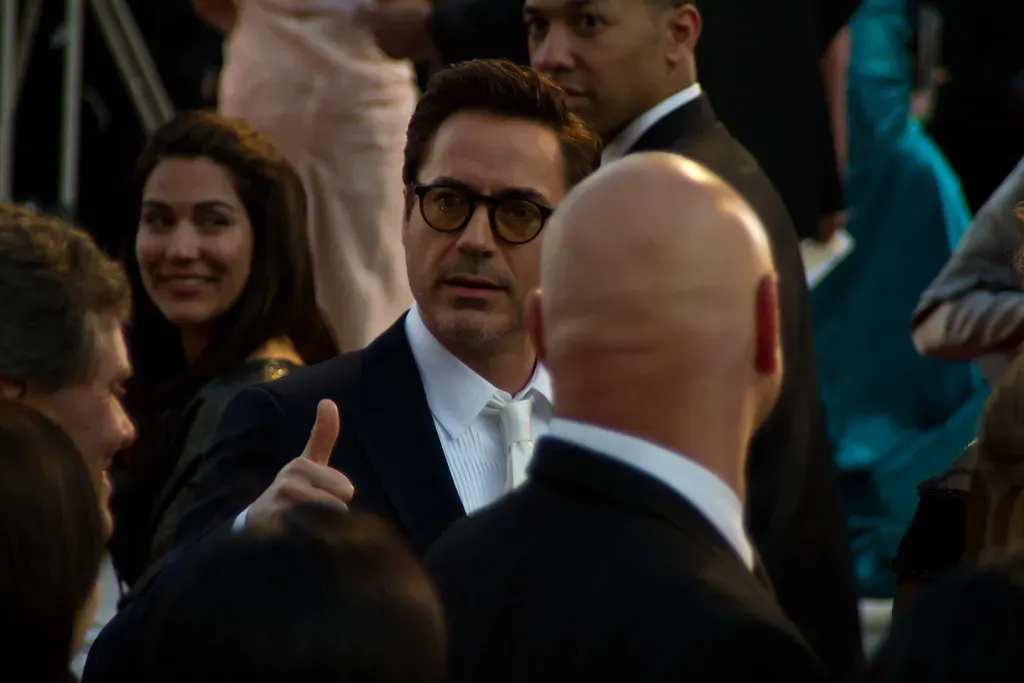
By the mid 2000s, Robert Downey Jr. had already lived through very public struggles with addiction and legal trouble, and that history followed him into the Iron Man casting process. Favreau told Rolling Stone that Marvel had said “under no circumstances are we prepared to hire him for any price.” Marvel’s own leadership later confirmed the hesitation went beyond a passing concern.
Kevin Feige said the resistance “purely came down to the Marvel board being nervous at putting all of their chips in their future films on somebody who famously had those legal troubles in the past.” Favreau kept pushing anyway, and he “kept advocating for him, though, and eventually Marvel agreed to a screen test.” That test changed everything. Once Marvel saw it, according to Favreau, “there was no one else.”
Viggo Mortensen’s last minute call to replace an actor already on set

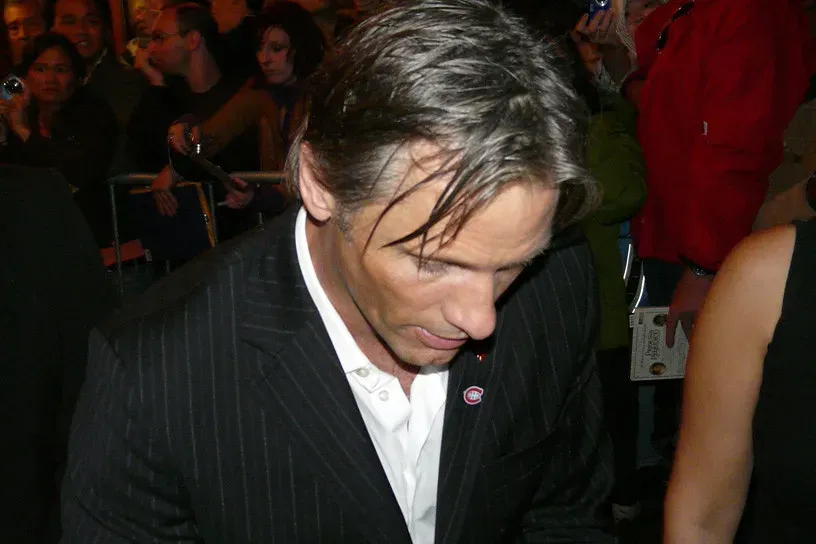
Aragorn feels so thoroughly tied to Viggo Mortensen that it’s easy to forget Peter Jackson’s original choice was Irish actor Stuart Townsend. Townsend was fired by the production at short notice, just a day before shooting, and replaced by Mortensen. Mortensen wasn’t hunting for the role and had almost no time to prepare for one of the most physically demanding parts in the trilogy.
He later admitted the transition was rough. “I felt unprepared,” Mortensen said, explaining that the other actors had been there for weeks or months preparing for the shoot, and that he “felt awkward” stepping into a role by replacing someone else. His son actually played a part in convincing him to take the job at all. Mortensen was considering turning down the part, but his son, who loved the books, encouraged him to take the role.
Sigourney Weaver’s audition against a far bigger name


Before Ellen Ripley became one of the defining action heroines in film history, the role was seriously considered for Meryl Streep. Despite becoming synonymous with the role, Weaver wasn’t the first pick to play Ripley, and at one point it was almost Meryl Streep who took the part, and was actually the first choice. Streep’s circumstances changed the calculation.
Streep’s partner John Cazale had recently passed away when she was under consideration, so the producer decided it was best to let her grieve rather than pursue her for the film. That left the door open for Weaver, then a near unknown, to audition alongside actors like Helen Mirren. Weaver immediately impressed director Ridley Scott and the producers, with Scott reportedly saying, “Meryl will be a great actress, but Sigourney is Ripley.”
Johnny Depp’s pitch meeting that made Disney executives panic
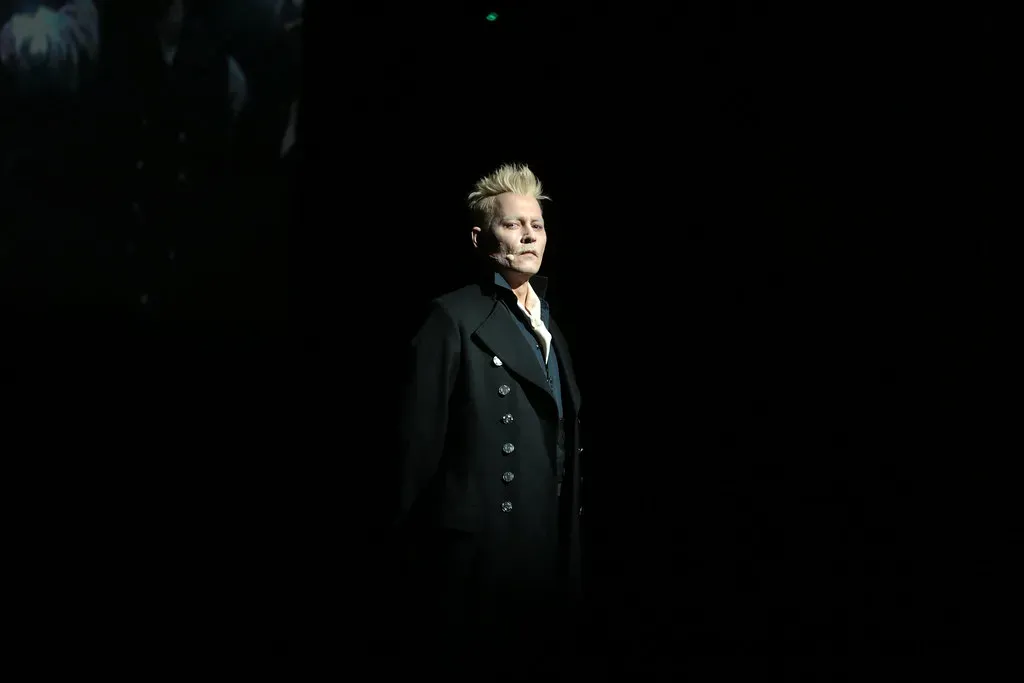
Long before Captain Jack Sparrow became one of Disney’s most profitable characters, the studio’s first reaction to Depp’s take was closer to alarm than excitement. Producer Jerry Bruckheimer recalled that Depp showed up channeling a very different energy than the swashbuckling hero the studio had pictured. He showed up with gold teeth and strange mannerisms, leaning heavily into a rockstar inspired persona, and this wasn’t the charming, square jawed hero Disney had imagined, so executives were confused and worried.
Depp has said the pushback continued well into production. He recalled Disney representatives calling him and asking, “Is he drunk? Are you drunk? What’s the thing with his hands?” At one point, according to Depp, the concern escalated to the studio’s top leadership. He said, “They wanted to fire me,” adding that he’d heard former Disney CEO Michael Eisner complained that “Johnny Depp’s ruining the film.” The film went on to earn Depp an Oscar nomination and launch a five film franchise.
Marlon Brando’s unconventional screen test for Vito Corleone

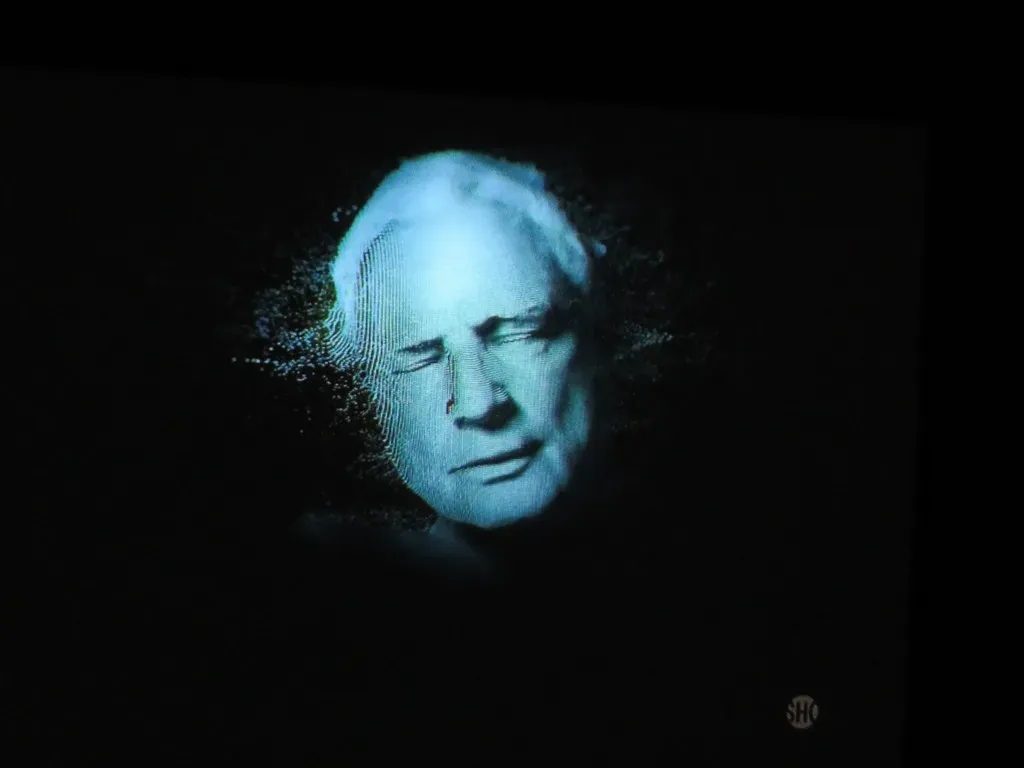
Paramount executives were deeply skeptical about casting Marlon Brando as Vito Corleone in The Godfather. By the early 1970s, Brando had a reputation in the industry for being difficult on set, and studio leadership worried that his presence would drive up costs and complicate production. Director Francis Ford Coppola had to lobby hard just to get Brando in front of a camera for consideration.
Partner offer

When Brando finally did test for the role, he arrived with cotton stuffed in his cheeks and shoe polish darkening his hair, reshaping his entire physical presence for the camera. The transformation was convincing enough that it overcame the studio’s resistance almost instantly. Brando went on to win the Academy Award for the performance, a role now considered inseparable from his legacy.
Al Pacino’s rocky path to becoming Michael Corleone

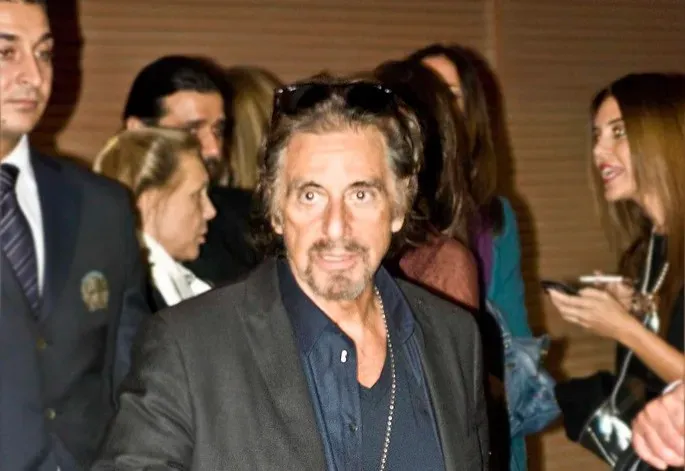
While Brando’s casting drew resistance for his reputation, Al Pacino faced a different problem entirely: studio executives simply didn’t see a star in him. Pacino was a relatively unknown stage actor at the time, and Paramount pushed hard for more established, conventionally leading man types to play Michael Corleone. Coppola fought to keep Pacino attached even as the studio pressed for alternatives.
The doubts didn’t fully disappear once filming began. Pacino’s early performances on set reportedly left some studio figures unconvinced, and there was real concern that he might be replaced before the film’s most pivotal scenes were shot. Once those scenes came together on screen, however, the hesitation evaporated, and Pacino’s performance became one of the most studied portrayals in American cinema.
Sean Connery’s screen test that needed more than good line readings

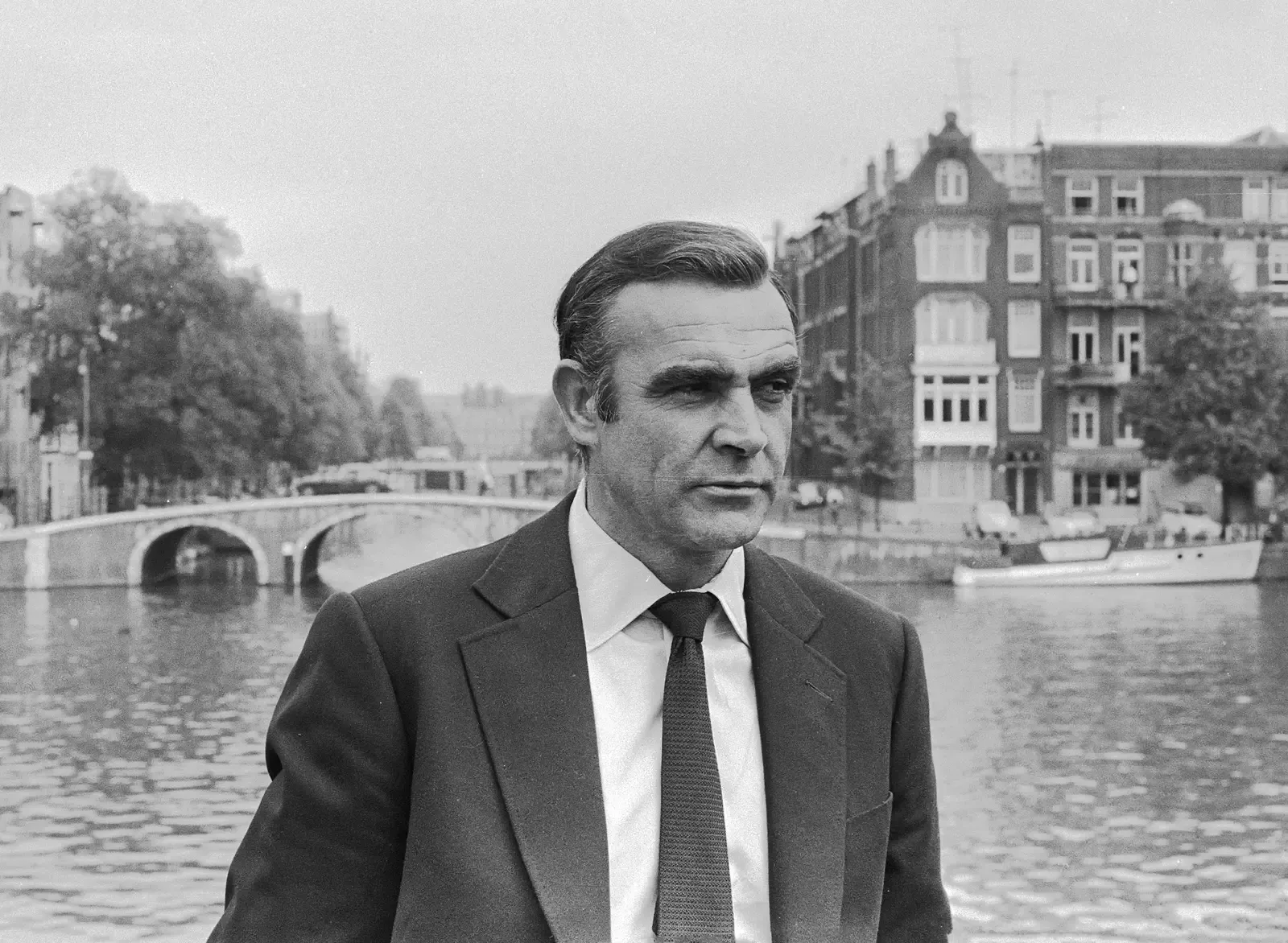
When producers Albert Broccoli and Harry Saltzman were searching for the first actor to play James Bond, Sean Connery was far from an obvious choice on paper. He lacked the polished, aristocratic bearing that many assumed the character required, and some involved in the search worried he was too rough around the edges for a sophisticated British spy. His initial screen test did little to settle the debate outright.
What reportedly shifted opinion was watching Connery move, not just read lines. Observing his physical presence and natural confidence on camera helped convince skeptics that he could embody Bond’s charisma even without a conventional leading man polish. The gamble paid off across six films and set the template that every Bond actor since has been measured against.
Chris Pratt’s self-tape and Marvel’s hesitation over Star-Lord

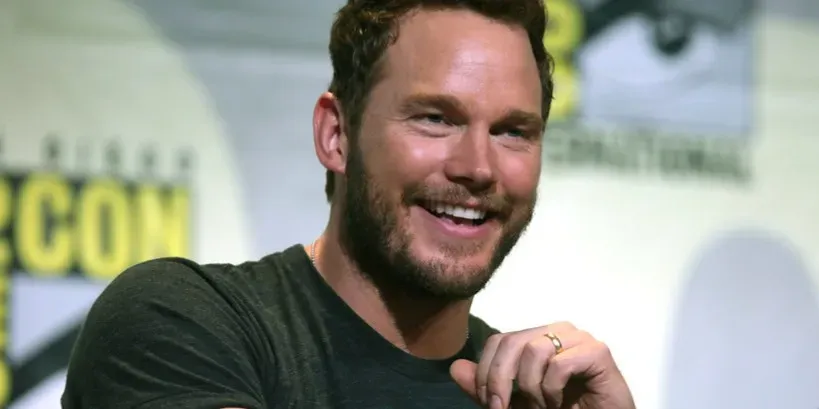
Before Guardians of the Galaxy, Chris Pratt was best known for comedic television work, and Marvel executives had real doubts about whether audiences would accept him as a leading action hero. His early auditions leaned into humor, which fit his established image but raised questions about whether he could anchor a big budget space adventure. Some at Marvel reportedly considered other actors with more conventional action credentials before settling on him.
Pratt addressed the concern directly by physically transforming for the role, losing a significant amount of weight and demonstrating a level of commitment that helped shift the studio’s confidence. Once cast, his blend of humor and sincerity became central to why Guardians of the Galaxy connected so strongly with audiences in 2014. The film’s success helped cement Pratt as one of Hollywood’s more reliable leading men in the years that followed.
What these near misses actually reveal


Looking across these stories, a pattern emerges that has little to do with talent alone. Studios and directors were rarely doubting whether these actors could act. They were worried about risk, reputation, age, image, or simply whether an unconventional choice would confuse audiences used to something safer.
In nearly every case, someone close to the project had to make an uncomfortable bet against the room’s consensus. That willingness to trust an unconventional audition, even when it unsettled everyone watching, is often the real reason these performances exist at all.
Partner offer
Planning a trip to Vegas?
Compare hotel rates and show tickets on VEGAS.com.


