Every filmmaker has a story about a note that made no sense on paper. A executive worried about a rating, a market, or a test screening asks for one small change, and a director grits their teeth and complies. What nobody expects is that the workaround becomes more memorable than the rule it was designed to satisfy, and decades later audiences don’t even notice they’re watching a compromise. That’s the strange alchemy behind some of cinema’s most recognizable habits. Below are eight cases where a corporate or regulatory mandate, meant purely to avoid trouble, ended up shaping how movies look and feel to this day.
The Hays Code’s bedroom rule and the sexless married couple

From 1934 through the late 1960s, the Motion Picture Production Code dictated that films banned anything that might suggest inappropriate behavior, including something as simple as a married couple sharing a bed. Studios responded by filling movie bedrooms with twin beds and a nightstand wedged between them, a visual shorthand that had nothing to do with how real couples actually slept. Nick and Nora Charles shared a king bed in 1934’s The Thin Man, then nursed their hangovers from separate twin beds just two years later once the code tightened its grip.
Even when a double bed was permitted, the code insisted on absurd physical caveats. Filmmakers could show a couple sleeping in the same bed only if the woman kept one foot on the floor for the duration of the scene, a rule presumably meant to reassure audiences that nothing untoward was happening under the covers. The image stuck around so long that it became its own genre joke, and later sitcoms like I Love Lucy kept the twin-bed setup well into the television era simply because it looked like what marriage was supposed to look like on screen.
The “crime doesn’t pay” clause and the villain’s inevitable comeuppance

The same Production Code carried a broader moral mandate: audiences were never supposed to leave a theater sympathizing with wrongdoing, and criminals could not simply get away with their crimes. Studios translated that into a formula so durable it barely registers as a rule anymore. The bank robber dies in the shootout, the con artist gets arrested in the final reel, the femme fatale meets a suitably grim end before the credits roll.
That mandate outlived the code itself by decades, quietly shaping action and crime films long after the Production Code Administration lost its teeth in 1968. Even movies that flirt with moral ambiguity for ninety minutes tend to snap back to order in the last ten, because the expectation that wrongdoing gets punished became baked into how screenwriters structure a third act. It is one of the rare studio mandates that turned into an audience expectation rather than a workaround.
The MPAA’s one-F-word rule and the strategically placed swear

Since the PG-13 rating arrived in 1984 at Steven Spielberg’s suggestion, the ratings board has enforced an unusually specific limit on language. Guidance from the Classification and Rating Administration states that a single use of one of the harsher sexually derived words initially requires at least a PG-13 rating, while more than one use requires an R. Filmmakers chasing a broad audience learned to treat that single expletive like ammunition, saving it for one perfectly timed moment rather than sprinkling it through the dialogue.
The trope became self-aware fairly quickly. Be Cool built an entire opening monologue around the absurdity of the rule, with John Travolta’s character complaining that unless you’re willing to use the R rating, you can only say the F word once, so he says fuck that, I’m done. The same quota shows up in blockbuster after blockbuster, from a superhero muttering it under his breath during a fight to a stranded astronaut cursing at a hostile planet, always deployed once, always for maximum impact.
Hollywood’s China mandate and the sanitized, nationality-swapped villain

As China’s box office ballooned in the 2010s, studios began quietly rewriting villains to avoid offending regulators and audiences there. The clearest case is the 2012 remake of Red Dawn, where the invading army and antagonists were changed from Chinese to North Korean in post-production in order to maintain access to the Chinese box office, requiring digitally edited symbols and re-recorded dialogue. The film still never got a release in China, but the trope of the conveniently vague, geopolitically safe villain nation was already spreading through the industry.
Marvel ran into the same pressure with Iron Man 3’s version of the Mandarin. Rather than co-produce with a Chinese partner, the studio filmed additional scenes for the Chinese release, hoping they would appeal to viewers even though the effort seemed aimed mainly at placating the government, and the character himself was altered specifically so his portrayal would not read as derogatory toward Chinese audiences. Both cases nudged Hollywood toward villains who are ideologically fuzzy by design, a habit still visible in how many modern action films avoid naming a real-world enemy at all.
Partner offer
Test screenings and the tacked-on happy ending

Long before social media let audiences weigh in instantly, studios relied on preview screenings to gauge reactions, and those reactions routinely rewrote endings. Fatal Attraction originally closed with its villain framing her former lover for her own suicide, but test audiences balked, sending production into three more weeks of reshoots that resulted in a theatrical cut where the wife dispatches the villain and the family emerges intact. Director Adrian Lyne came to prefer the new ending, but the underlying lesson for studios was unmistakable: give audiences catharsis or risk a flop.
Two decades later, I Am Legend hit the same wall. Will Smith recalled that the original ending, faithful to Richard Matheson’s novel, scored so poorly that the studio ordered reshoots for a new ending just six weeks before release. The pattern repeated across enough films, including Pretty in Pink and First Blood, that the tidy, redemptive finish became almost a genre requirement for mainstream studio releases, regardless of what the story actually earned.
Marvel’s post-credits mandate and the industry-wide stinger
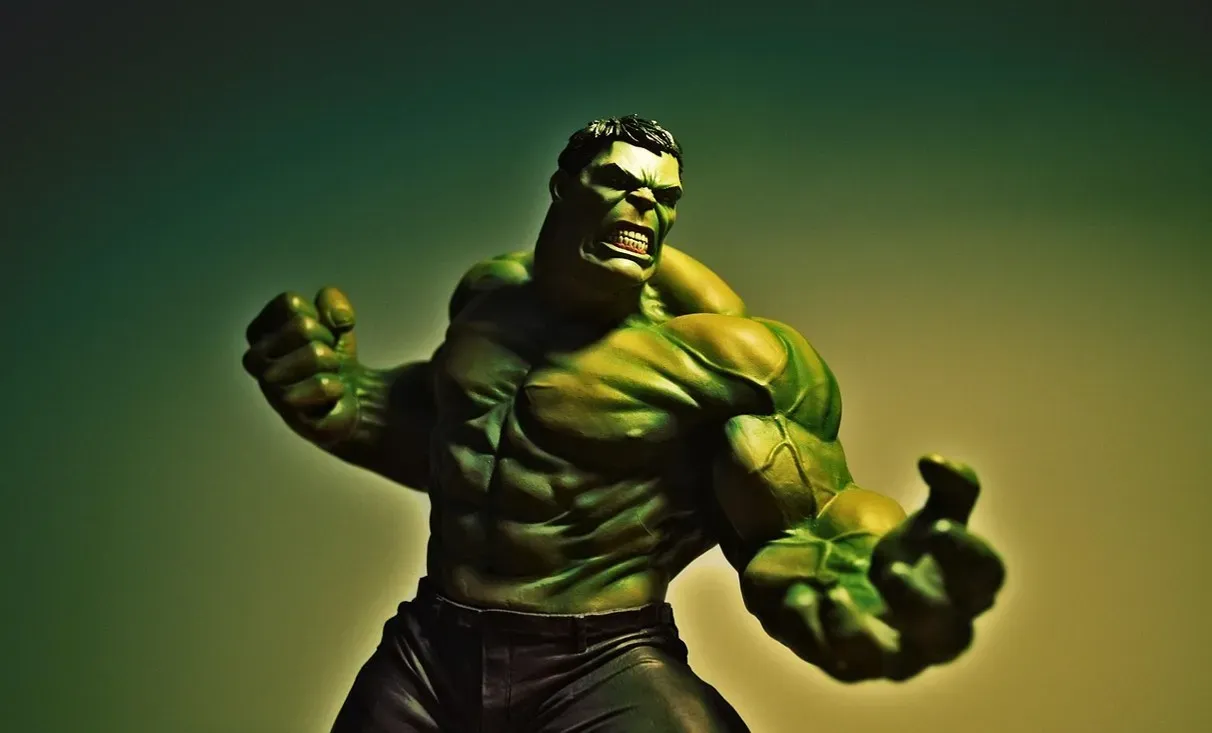
When Iron Man closed its 2008 credits with Samuel L. Jackson’s Nick Fury introducing the idea of an Avengers Initiative, it wasn’t an afterthought thrown in for fun. It was a calculated move by Marvel Studios leadership to signal that individual films were building toward something larger, and the studio kept doing it for every release that followed. The tactic worked well enough that it stopped being a curiosity and became an expectation, with fans staying seated through the entire credits roll just in case they missed something.
Rival studios noticed the box office and social media chatter that came with each stinger and started mandating their own, whether or not they had a franchise plan to back it up. Sony, Universal, and Warner Bros. all experimented with post-credits teasers for cinematic universes that, in several cases, never actually materialized. The trope outlived plenty of the franchises it was meant to promote, which says something about how quickly a marketing tactic can calcify into a genre convention.
The Batman and Robin backlash and the grounded reboot mandate

Warner Bros.’ 1997 Batman & Robin landed with enough critical scorn and financial disappointment that the studio shelved the Batman franchise for nearly a decade rather than risk another campy misstep. When the studio finally revived the character, the mandate handed to Christopher Nolan was essentially the opposite of everything the previous film represented: strip away the neon and the puns, ground the story in something resembling reality, and treat comic book material with the seriousness of a crime drama.
Batman Begins delivered on that mandate so effectively in 2005 that it reset expectations for the entire superhero genre. Studios across town took note and began commissioning their own “dark and gritty” reboots, a wave that swept through everything from Spider-Man to Superman reinterpretations over the following decade. What started as one studio’s damage control after a specific flop became shorthand for how an entire genre was supposed to look and feel.
The Kenner toy deal and the merchandise-friendly sidekick

George Lucas’s decision to retain the toy and merchandising rights to Star Wars, later licensed to Kenner, turned out to be one of the most consequential business decisions in film history. Once studios saw how much money could be made from action figures alone, character design started bending toward what would look good on a shelf rather than purely what served the story. Cute, marketable creatures with distinct silhouettes and simple color palettes became a studio requirement rather than a creative choice.
The result is a lineage of furry, chirping, easily mass-produced sidekicks that stretches from Ewoks and Gremlins through to Minions and dozens of animated mascots since. These characters often exist in a film with only loose narrative justification, added because a mandate from the merchandising division outranked a note from the writers’ room. It’s a quiet reminder that some of the most beloved faces in movie history were never really designed for the story at all, but for the toy aisle.
None of these rules were meant to produce anything memorable. They were meant to dodge a lawsuit, satisfy a censor, calm a test audience, or squeeze a few more million out of a foreign market. Yet each compromise settled into the grammar of filmmaking so thoroughly that audiences now read them as style choices rather than the byproducts of committee decisions made under deadline pressure. The next time a superhero mutters one perfectly placed curse word or a villain’s nationality feels oddly vague, it’s worth remembering that somewhere behind the scene sat an executive worried about something else entirely.Partner offer
Planning a trip to Vegas?
Compare hotel rates and show tickets on VEGAS.com.