Hollywood has always projected a certain image to the world: glamour, opportunity, creative freedom, and the promise that talent will be rewarded. For the women who actually work inside that system, the reality is often far more complicated. Many female actors carry quiet frustrations about the industry that rarely make it into polished interviews or awards-night speeches.
Some of these grievances have been discussed more openly in recent years, pushed forward by movements, lawsuits, and a growing willingness to speak plainly. Others remain just below the surface. Here are eight things that genuinely bother many female actors about working in Hollywood, backed by what the data and documented experiences actually show.
1. The Persistent and Well-Documented Pay Gap
The numbers on this one are hard to ignore. Female stars in the nation’s movie capital earn an average of $1 million less per film than their male counterparts when they perform in similar roles. The gap persists even accounting for actors’ experience, box office earnings, and a host of other factors. That’s not a rounding error. That’s a structural problem that affects nearly every contract negotiation a woman enters.
In 2017, a comparison of the highest-paid male and female actors revealed an average salary of $57.4 million for men and $21.8 million for women, meaning top female actors earn roughly 38% as much as the top male actors. Research published in the Journal of Cultural Economics demonstrates an unexplained female earnings gap of over two million dollars a film, with action films specifically driving this gap. The disparity isn’t subtle, and women in the industry know it every time a contract lands on the table.
2. Ageism That Doesn’t Apply to Men
Hollywood, since its inception, has been obsessed with youth and beauty when it comes to women, and great actresses have routinely been cast out of Hollywood once they turned 40, often relegated to desexualized side characters or overlooked, one-dimensional mothers. Male actors of the same age simply don’t face this same professional cliff. Actors like Denzel Washington, Tom Hanks, and Liam Neeson get leading roles, and younger love interests, well into their 60s.
Historically, female actors have often faced pressure from casting directors regarding their ages relative to their male counterparts, with young women frequently cast alongside significantly older men. The FIA finds that roughly 64% of women in the performance industry have a career lasting between 11 and 15 years, compared to about 51% of men, a gap that reflects the number of women ending their careers earlier than their male counterparts. It’s one of the most openly discussed yet stubbornly unchanged realities of the business.
3. Unrealistic and Exhausting Beauty Standards
The pressure to maintain a very specific appearance is something female actors describe as a near-constant background stress. There is a well-documented pressure in Hollywood to remain ageless, with women reportedly trying every possible measure to stop the clock in ways that reflect deep professional insecurity rather than personal choice. What reads as a lifestyle choice from the outside often amounts to a career requirement.
Certain casting practices prolong the narrative that women in their 30s, 40s, 50s, and older should still possess the youthful features of a woman in her early 20s, and even the most decorated and respected actresses are eventually pigeonholed into playing mothers or minor roles after they’ve passed what the industry considers their prime age. The relentless scrutiny of women’s physical appearance, including weight, wrinkles, and cosmetic choices, is simply not applied to men in the same way or to the same degree.
4. Sexual Harassment and the Power Imbalance Behind It
Sexual abuse and harassment in the Hollywood film industry have been longstanding issues, with many victims historically coerced into silence, partly because the perpetrators of harm are often in positions of power such as producers, directors, or influential figures who can impact someone’s career, creating a power imbalance that complicates consent and makes it difficult for victims to speak out. This isn’t ancient history.
As recently as December 2024, the entertainment industry faced fresh allegations when actress Blake Lively filed an expansive lawsuit against Wayfarer Studios and others, claiming she was subjected to a sex-based hostile work environment and retaliation allegedly perpetrated by her co-star and producer. The heightened public awareness of sexual assault and harassment in Hollywood has led to women from all industries disclosing their stories about workplace harassment and assault. Progress has been made, but the underlying power structure has not changed as fundamentally as many had hoped.
Partner offer
5. Being Pressured into Nudity or Uncomfortable Scenes
Separate from outright harassment sits a quieter, subtler form of pressure: the expectation that female actors will agree to nudity or intimate scenes as part of doing the job. Kate Winslet, Salma Hayek, Amanda Seyfried, Jennifer Lopez, and more actors have all been pressured to take their clothes off for a role. The ask is frequently framed as artistically necessary, making it difficult to decline without appearing difficult or uncommitted.
Sophia Bush and several of her One Tree Hill castmates spoke out in a 2017 open letter accusing a showrunner of sexual harassment on set, with Bush elaborating that her boss kept writing scenes requiring her to be in her underwear, saying she found it inappropriate and a damaging example for young viewers. The frequency with which this kind of pressure appears in actresses’ accounts across decades and across different productions suggests it’s systemic, not situational.
6. Fewer Roles and a Narrower Range of Characters
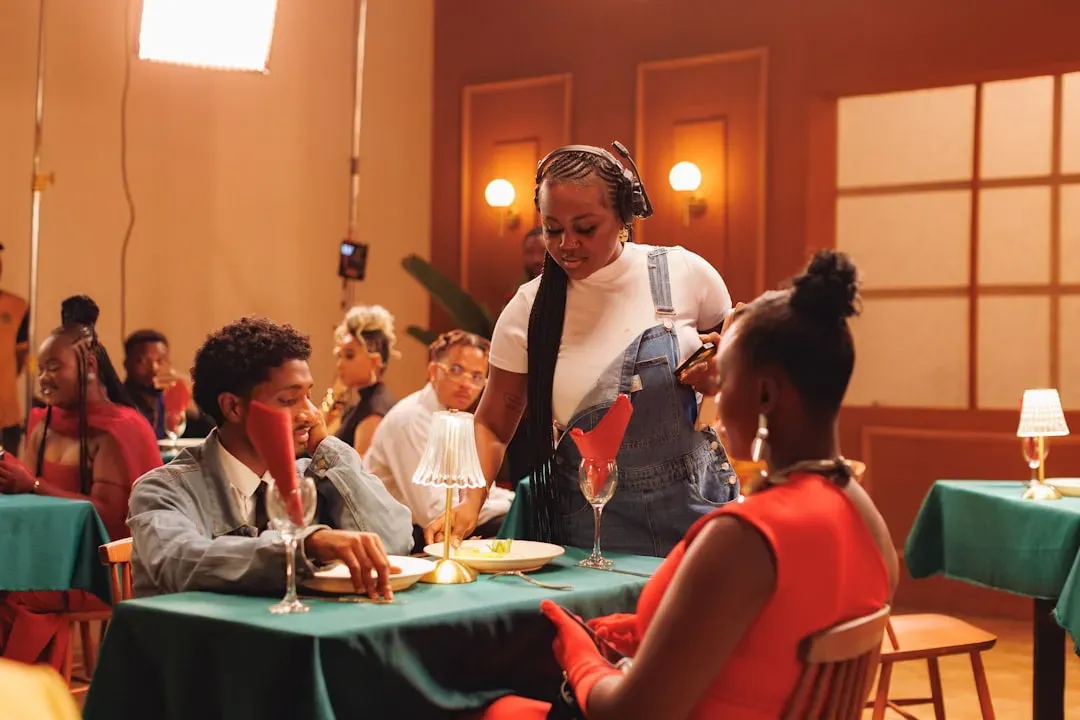
The number of Hollywood films made by women had a stark decline in 2025, and gender-balanced productions also dropped. Fewer films made by women tends to mean fewer complex, leading roles written for women. There is also a meaningful difference in the opportunities available between genders and in the representation of each gender within the media. Female characters are still far more likely to exist in service of a male character’s story than to carry a narrative on their own terms.
A New York Film Academy research study found that films with a female director exhibited a 10.6% increase in female characters on screen and an 8.7% increase when a female screenwriter was part of the project. That statistic tells you something important: who is telling the story shapes who gets to be in it. From 1929 to the 2010s, only 5 of 449 nominees went to women for the Academy Award for Best Director, with only one winning. The pipeline for powerful female roles begins behind the camera, and that pipeline has long been narrow.
7. Disproportionate Public Scrutiny and Media Hostility
Over time, the public has become increasingly aware of the way famous women have historically been, and continue to be, mistreated in the public eye, especially by the media, with that mistreatment rooted in misogyny and translating into people targeting female celebrities for criticism with no apparent reason. Female actors are judged on their relationships, their bodies, their age, and their tone of voice in a way their male colleagues rarely experience at the same intensity.
In recent years, numerous famous women have been built up by the public only to have their former fans later turn on them and celebrate their downfall. As sensationalism and misinformation continue to be promoted by social media platforms, successful women will be forced to deal with this kind of scrutiny. For female actors, maintaining a public persona involves constantly managing a narrative that can shift against them overnight, without any clear cause, and with real consequences for their careers.
8. The Intersectional Burden Faced by Women of Color
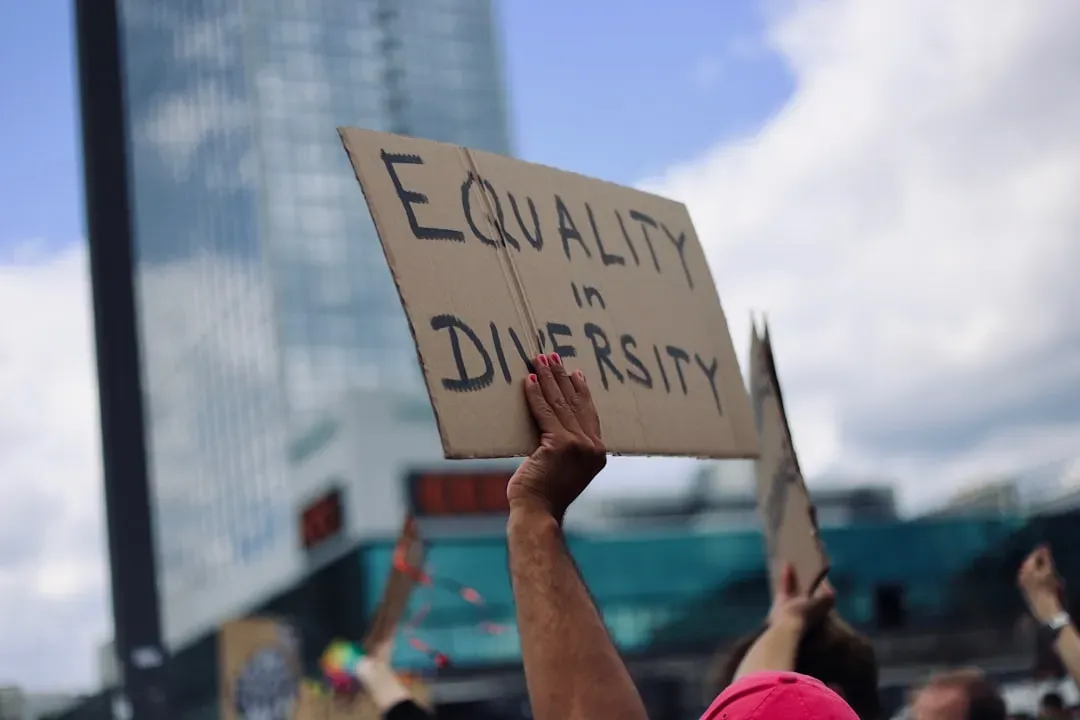
For Black actresses and other women of color, the frustrations listed above tend to stack. Acclaimed actresses may be both famous and highly undercompensated, since stereotypes are a significant factor contributing to wage discrimination, and Black women in Hollywood face an uphill battle against stereotypes that have plagued them for generations. Fame and fair compensation are simply not the same thing.
In 2016, Mo’Nique shared in an interview that she was paid only $50,000 for her role in “Precious,” which grossed $47.5 million at the box office. Viola Davis has also been an outspoken advocate for equal pay in Hollywood, explaining in a 2018 interview that despite winning an Oscar, an Emmy, and two Tonys, her professional value in terms of compensation remains in question. The gap between recognition and compensation is real enough for any woman in Hollywood. For women of color, it tends to be wider still.
What makes all eight of these grievances worth understanding is that they don’t exist in isolation. They reinforce each other. A woman paid less has less leverage to decline uncomfortable scenes. A woman pressured to appear ageless is more vulnerable to the public scrutiny that can end a career overnight. The frustrations most female actors carry about Hollywood aren’t separate complaints. They’re different expressions of the same structural reality, one the industry continues to address slowly, unevenly, and often only when pushed.
Partner offer
Planning a trip to Vegas?
Compare hotel rates and show tickets on VEGAS.com.