


Most television episodes disappear quietly. Some get buried in a syndication slot nobody watches, and others never make it onto a streaming menu. A smaller group was taken off the schedule on purpose.
The reasons vary a lot: public safety, off-screen scandals, outdated jokes, or a network deciding it had misjudged the audience. Here are eight , edited out of rotation, or left out of reruns, and what happened in each case.
The Simpsons: Stark Raving Dad

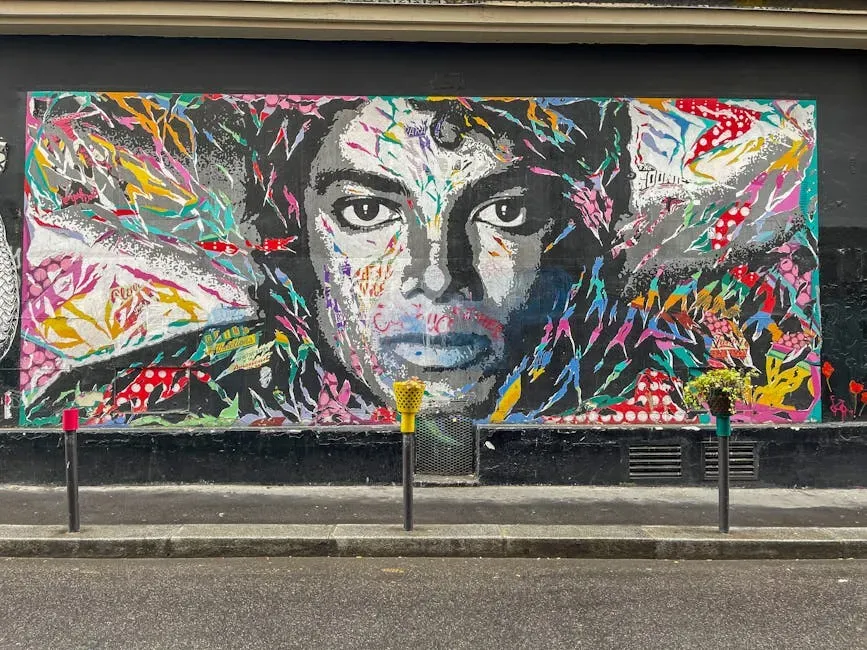
This 1991 episode opened the show’s third season. It featured Michael Jackson as the speaking voice of a patient who believes he’s the pop star. Jackson’s contract used a pseudonym, and the singing parts were handled by another performer.
In 2019, after the documentary Leaving Neverland renewed allegations against Jackson, the producers announced the episode would be removed from circulation. It was left out when Disney Plus launched later that year. The decision has largely held since.
30 Rock: Four Episodes With Blackface Scenes

In June 2020, Tina Fey and her producing partner Robert Carlock asked that four episodes of 30 Rock be withdrawn from circulation. Each one used blackface as a comedic device. The sitcom had aired from 2006 to 2013, and the scenes were written as satire.
The request covered streaming platforms and syndication packages. Fey’s team said it was acting out of concern for how the scenes would land with viewers today. It was one of the most direct creator-led removals of that period.
Scrubs: My Jerks

The 2020 wave of removals reached the hospital comedy Scrubs too. Hulu took down several episodes that included blackface gags, and My Jerks is the one most often named. Those episodes originally aired in the mid 2000s.
The removal happened in the same weeks as the 30 Rock changes, as streamers reviewed their older comedies. The rest of the series stayed available. It shows how a single episode can vanish while its neighbors remain.
Fawlty Towers: The Germans

Fawlty Towers is a British classic, and The Germans is one of its best known episodes. In 2020, the UKTV streaming service pulled it because a character uses racist language. The BBC had already trimmed that scene at one point.
Partner offer

The takedown caused a public debate in Britain, partly because the show’s satire targets the bigotry of its own characters. The episode was later restored with a content advisory attached. Its removal was brief, though the argument around it lasted a lot longer.
Beavis and Butthead: Fire

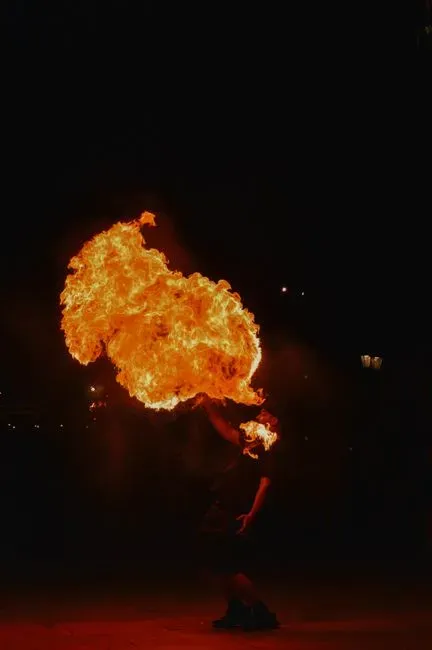
In October 1993, MTV aired an episode of Beavis and Butthead in which the two characters were fascinated by fire. Soon after, a house fire in Ohio killed a young child. Reports linked the incident to the show, and public criticism followed.
MTV responded by moving the series to a later time slot and removing fire references from episodes. The episode in question stayed out of normal rerun rotation. The incident became an early example of a cable network responding quickly to pressure over its content.
Pokémon: Dennō Senshi Porygon

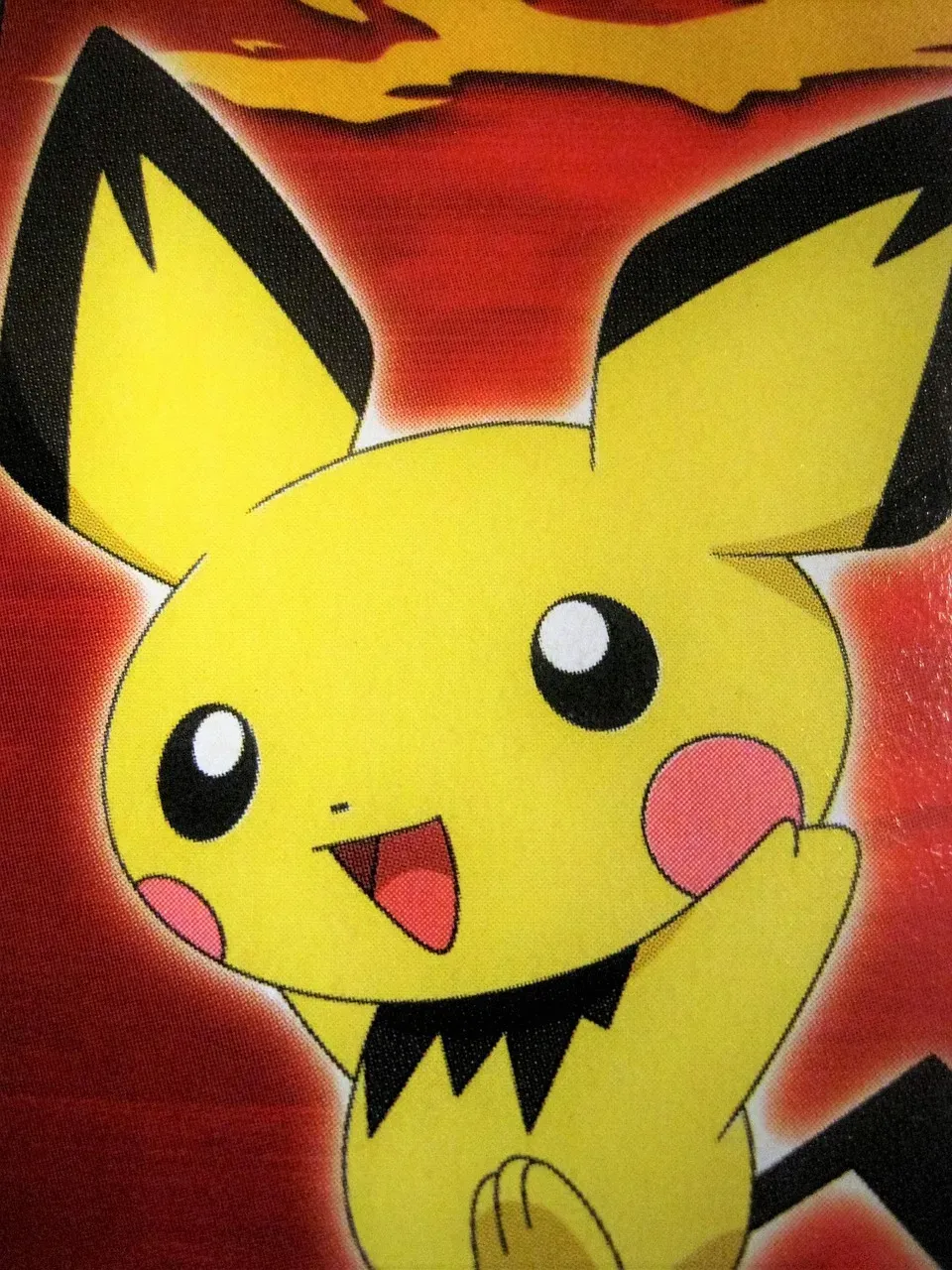
This episode aired in Japan on December 16, 1997. A sequence of rapidly flashing red and blue lights triggered seizures and other symptoms in hundreds of viewers. Estimates of those taken to hospitals reached around seven hundred people.
Broadcasts of the series were suspended for months, and the episode has never been rerun. It was never shown in the United States either. The Pokémon Porygon, which appears in the episode, was also kept out of the anime for years afterward.
Seinfeld: The Puerto Rican Day

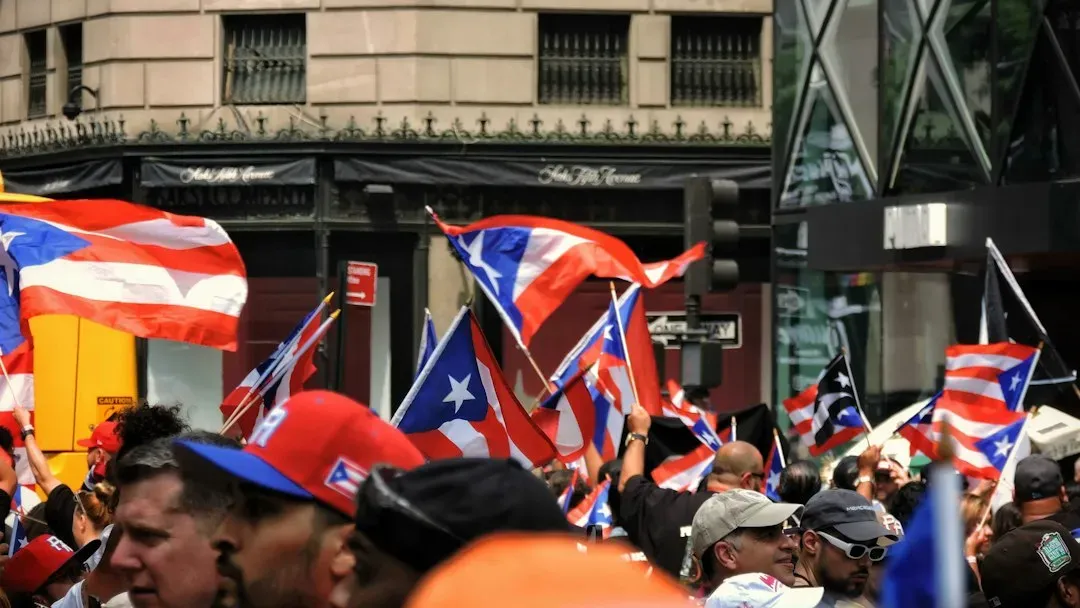
This 1998 episode follows the characters stuck in traffic during a parade in New York. A scene that ends with a flag being burned drew immediate complaints. NBC issued an apology soon after the broadcast.
The network kept the episode out of its rerun rotation, and it was a long time before it found a regular place again. It remains one of the few Seinfeld installments to carry that kind of baggage. Most of the others have been replayed endlessly.
South Park: 200 and 201

These two episodes aired in April 2010 and revolved around a plan to bring back a long list of celebrities. The second part was heavily bleeped by Comedy Central after threats were made online against the show’s creators. The creators had also made a point of showing how restricted the episode had become.
Both episodes were later left off official streaming for years, which became something of a running story among fans. They were rarely repeated in the censored form that first aired. For a show that built its reputation on provoking viewers, it’s a rare case of the network deciding the risk outweighed the repeat value.
Partner offer
Planning a trip to Vegas?
Compare hotel rates and show tickets on VEGAS.com.


