It is strange to think about now, but some of the most beloved shows in television history nearly never made it past their first episode. Test audiences hated them, ratings tanked, or network executives simply did not see the appeal. Yet somehow, through a mix of stubborn creators, sympathetic executives, and a little bit of luck, these shows survived their rocky starts and went on to define entire eras of pop culture.
What is fascinating about these stories is how close each of them came to disappearing entirely. A cancelled special, a persuasive actress, or a single executive fighting for a renewal often made the difference between obscurity and legendary status. Here are eight pilots that almost never got a second chance, yet ended up becoming some of the most iconic shows on television.
1. Seinfeld
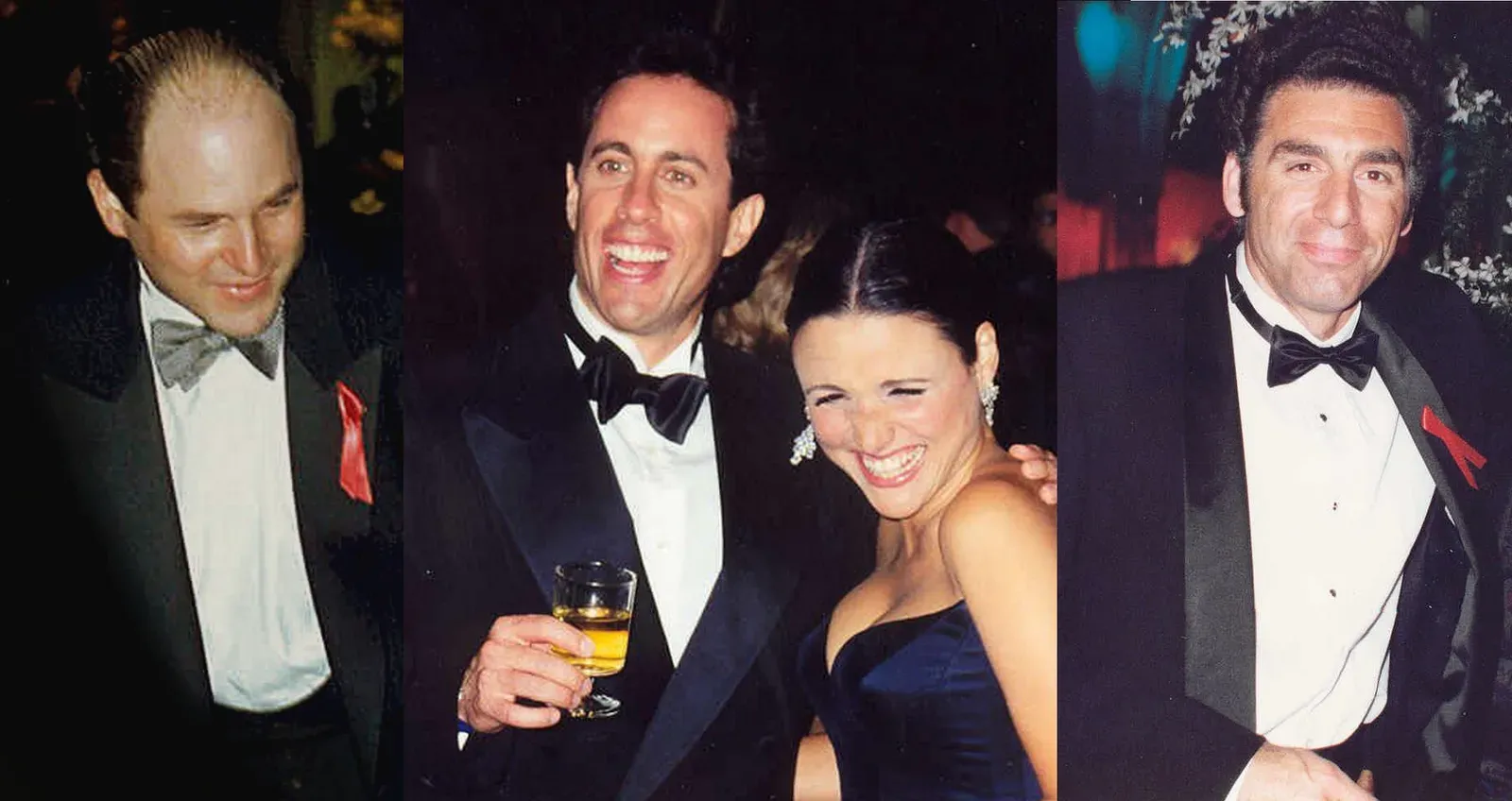
Few shows have a more dramatic origin story than Seinfeld. According to Kevin Reilly, a development executive at NBC who later became network president, it was probably the lowest-testing pilot in the history of NBC. The feedback from test viewers was brutal, with one memo noting that “no segment of the audience was eager to watch the show again” and that none of the supporting characters were particularly liked.
The show survived only because one executive found the money to keep it alive. NBC had developed a variety of specials, so the network dumped Bob Hope’s two-hour birthday special, and from that got the money for four episodes. Jerry Seinfeld and Larry David were so convinced the show would never air that they figured it would never air and decided to make the show for their friends instead. Nine seasons and nearly 200 episodes later, Seinfeld is regularly cited as one of the greatest sitcoms ever made.
2. The Office (US)

Adapting a beloved British sitcom for American audiences was always a risky bet, and the pilot proved just how skeptical people were. Steve Carell later admitted that their pilot was the lowest-testing pilot in the history of NBC, and that people really hated it, actively hated the show, and he didn’t quite know how it got legs after that. Much of the backlash stemmed from the perception that it was simply copying the UK original scene for scene.
Ratings only got worse once the show premiered, and The Office was almost canceled after its first season due to declining ratings and lackluster reception from viewers. What saved it was a combination of factors, since the decision to save the show was influenced by Steve Carell’s rising stardom from The 40-Year-Old Virgin and NBC offering episodes on iTunes, which became a popular purchase in 2005. Season two grew dramatically in viewership, and the show eventually ran for nine seasons, becoming a streaming phenomenon decades later.
3. Cheers
Long before it became a Thursday night institution, Cheers debuted to almost nobody watching. After premiering in 1982, it was nearly canceled during its first season when it ranked almost last in ratings for its premiere, coming in 74th out of 77 shows. Ted Danson later recalled the absurdity of the situation, joking that they were dead last one week in the ratings, essentially 75th out of 70 shows, since there were only 70 shows total.
Ironically, the show was not saved through a heroic rescue effort. Danson revealed that network executives later admitted they weren’t brilliant programmers, they simply had nothing to replace Cheers with, or they would have. That stroke of scheduling luck gave the show time to find its audience, and Cheers eventually became a ratings powerhouse, earning a top-10 rating during eight of its 11 seasons, including one season at number one in its ninth year.
4. Star Trek: The Original Series
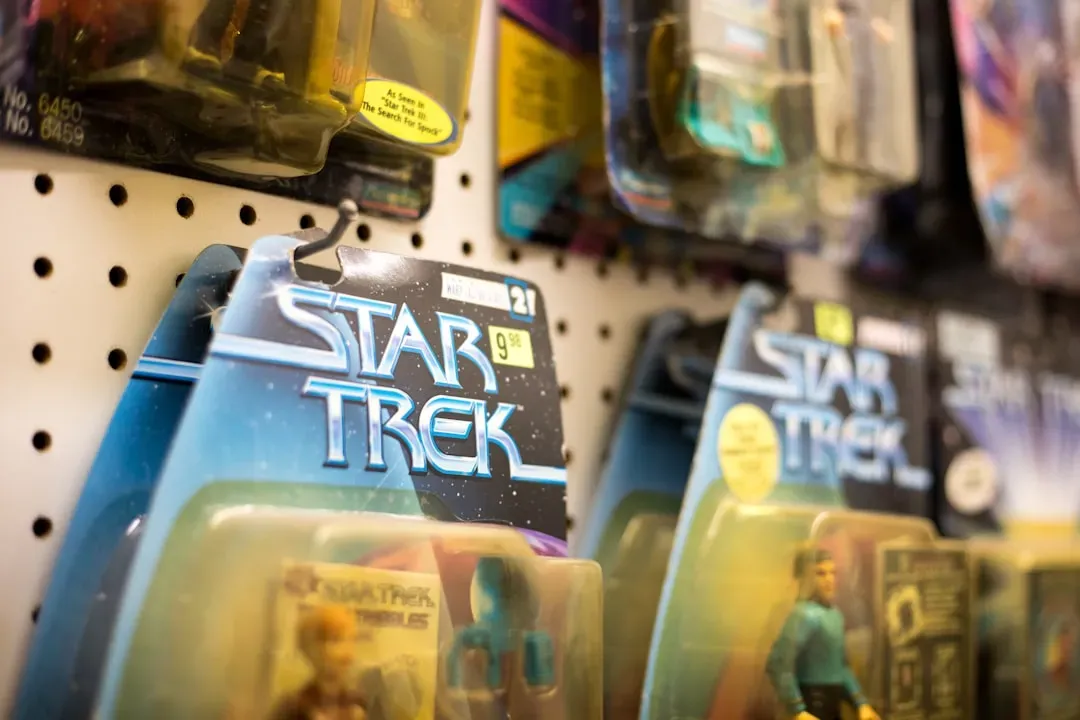
Star Trek’s first attempt at a pilot, “The Cage,” was rejected outright by NBC. Executives reportedly called it “too cerebral,” “too intellectual,” and “too slow” with “not enough action.” Rather than green-lighting the show, the network asked for something completely different, and NBC rejected it in February 1965, ordering another pilot episode, which became “Where No Man Has Gone Before.”
The show might never have gotten that second chance without an unexpected ally. As Desilu executive Ed Holly put it, “If it were not for Lucy, there would be no Star Trek today.” Lucille Ball, who ran Desilu Productions with her husband, was instrumental in persuading NBC to order a second Star Trek pilot and contributed to its financing. That second chance eventually launched a franchise that has spanned television, film, and streaming for close to sixty years.
Partner offer
5. Parks and Recreation
Parks and Recreation was originally conceived as a companion piece to The Office, sharing its mockumentary style and even some of its creative team. The first, shortened season struggled to define its own identity, drawing comparisons to its sister show and modest ratings that left its future in doubt. Critics at the time noted that Leslie Knope’s character felt underdeveloped compared to the sharper version audiences would come to love in later seasons.
Rather than scrap the concept, NBC gave the writers room to retool the show for its second season, allowing the cast chemistry and character work to mature. That patience paid off handsomely, as Parks and Recreation grew into one of the most quotable and emotionally warm sitcoms of its era, running for seven seasons and building a passionate fan base that continued to grow well after the finale aired.
6. It’s Always Sunny in Philadelphia

Before it became one of the longest-running live-action comedies on American television, It’s Always Sunny in Philadelphia started as a scrappy, low-budget experiment. The creators famously shot the original pilot on a shoestring budget using a basic home camera before shopping it around to networks, eventually landing at FX, which was still building its comedy lineup at the time.
Early ratings were modest, and the raw, low-budget look of the first season made it a hard sell to casual viewers. The show found its footing after Danny DeVito joined the cast in its second season, adding star power and helping the series carve out its own chaotic identity. Decades later, it remains on air, frequently cited as the longest-running live-action sitcom in United States television history.
7. Supernatural

Supernatural debuted on The WB in the mid-2000s with modest ratings that never made it an obvious hit by network standards. As The WB merged into The CW, the smallest of the major broadcast networks, the show spent years hovering in a precarious spot, never quite pulling in numbers that would guarantee renewal on a larger network.
What kept Supernatural alive season after season was an unusually devoted and vocal fan base that grew alongside the show’s mythology about two monster-hunting brothers. That loyalty turned into staying power, and the series eventually ran for fifteen seasons, becoming one of the longest-running genre shows in American television history and a defining title for The CW.
8. Breaking Bad
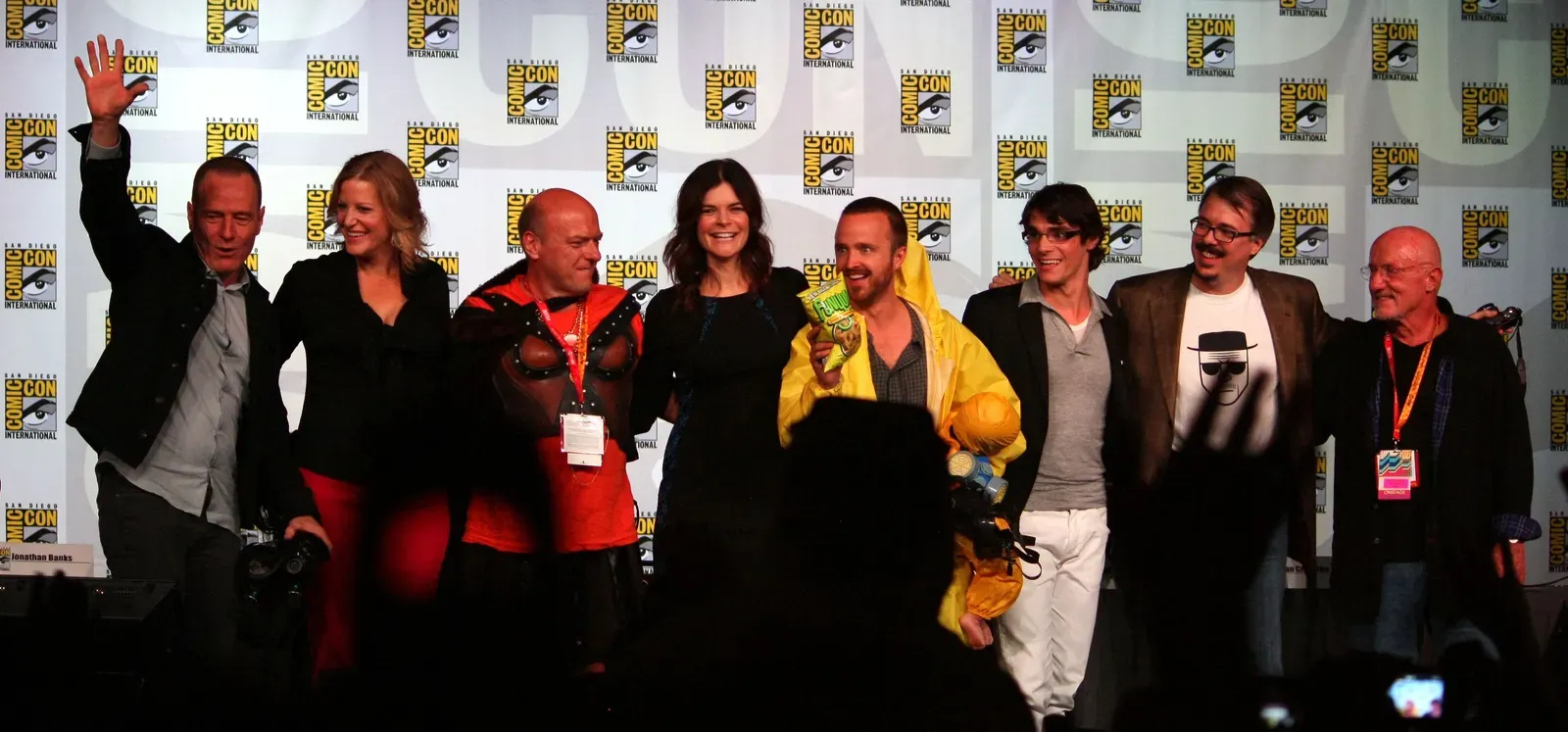
When Breaking Bad premiered on AMC, the network was still a relatively unproven player in original scripted drama, and the show’s live viewership numbers were underwhelming for years. Its bleak subject matter, following a chemistry teacher turned methamphetamine manufacturer, was a tough sell to advertisers and casual viewers who preferred more conventional crime dramas.
Critical acclaim and a string of Emmy wins kept the show afloat even as ratings lagged behind other cable dramas of the era. Everything changed once earlier seasons became available on Netflix, introducing the show to a massive new audience right before its final season aired. That streaming boost transformed Breaking Bad from a critically respected but modestly watched drama into one of the most acclaimed and widely discussed shows in television history.
Looking back at these eight shows, a clear pattern emerges. Almost none of them were instant successes, and most were saved by a mix of stubborn belief from a handful of people, fortunate timing, or simply the absence of a better replacement on the schedule. It is a reminder that television history is filled with near misses, and that the shows we now consider untouchable classics were once one bad ratings week away from vanishing completely.
Partner offer
Planning a trip to Vegas?
Compare hotel rates and show tickets on VEGAS.com.