


Hollywood tends to obsess over youth, yet some of the most respected careers in film took shape only after their leading players had already lived a few decades. These are actors who spent years auditioning, taking supporting parts, or working steadily in theater before a single role finally made the industry pay attention. Their stories offer a quieter, more patient version of the overnight success myth, one built on timing, persistence, and a willingness to keep showing up.
Morgan Freeman

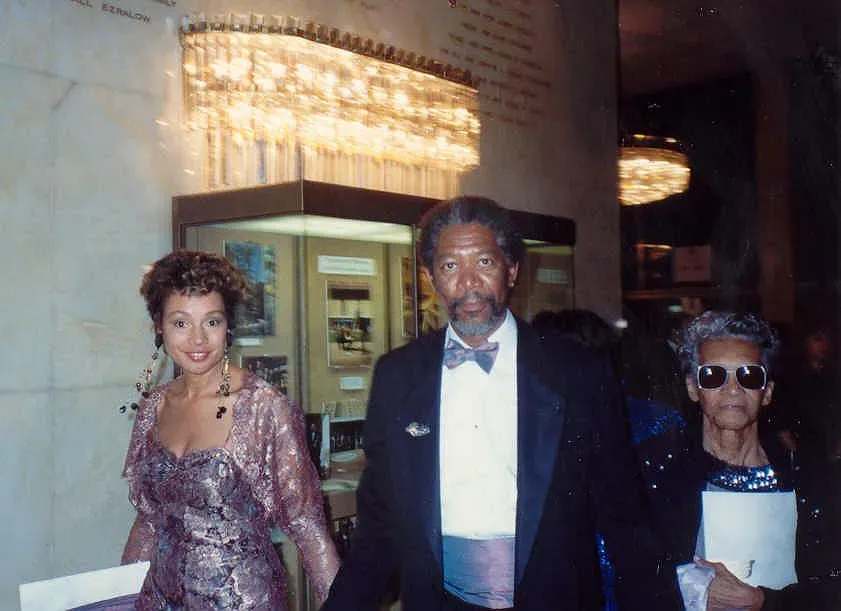
Morgan Freeman spent decades as a working actor before the world noticed him. Driving Miss Daisy, along with Glory that same year, vaulted Morgan Freeman into stardom at the age of 52, beginning a 20-year run of screen roles that is unmatched by any other actor in the modern era. Before that, he had already earned an Oscar nomination for Street Smart in 1987, but it took two more years and two more films to turn him into a household name.
Freeman’s film career had a somewhat late launch in 1980, and he spent the 1970s working on children’s television and stage productions rather than movie sets. What followed after his early fifties breakthrough was a run of iconic roles, from Unforgiven to The Shawshank Redemption to Se7en, that few actors half his age could match. His patience became, in hindsight, the whole point of his career arc.
Samuel L. Jackson

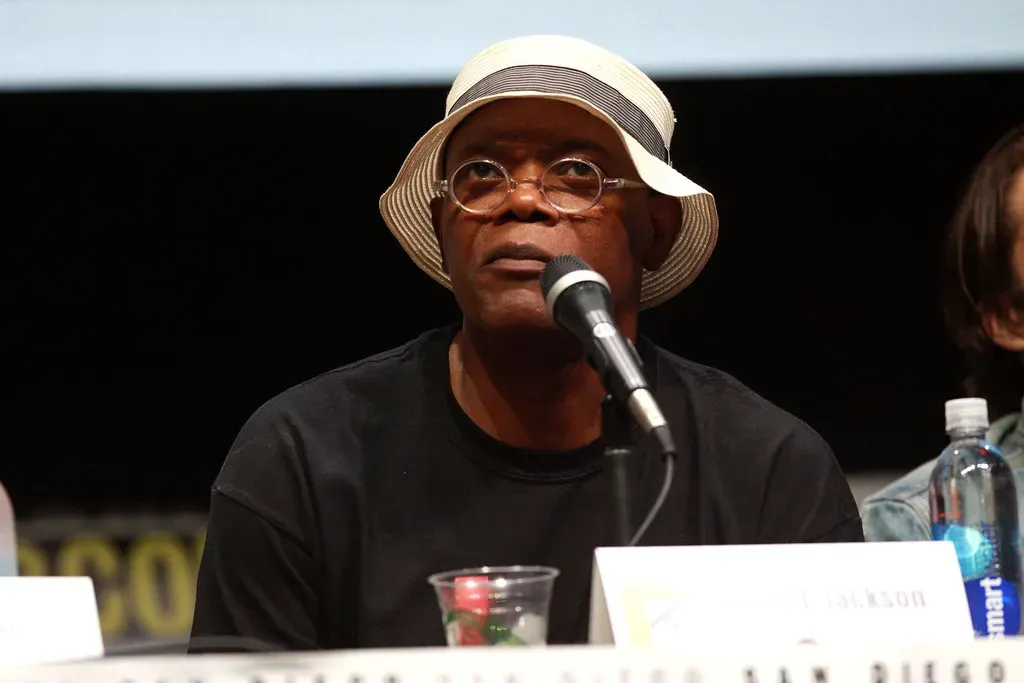
Before Pulp Fiction, Samuel L. Jackson had already logged more than two decades in film and television, often in small or supporting roles. His life took a dramatic turn in 1994, when he starred in Quentin Tarantino’s groundbreaking film Pulp Fiction, and at the time, Jackson was 45 years old, which many might consider a late age to achieve such a monumental success. The role of Jules Winnfield changed everything, turning a respected character actor into a genuine star almost overnight.
His breakthrough role in Pulp Fiction earned him an Academy Award nomination, and the film’s cultural footprint gave him a platform that stretched into blockbuster franchises for the next thirty years. He went on to become one of the highest grossing actors in film history, largely through roles that came after that midlife turning point. It is a rare case where a single film, arriving in an actor’s mid-forties, reshaped an entire career trajectory.
Alan Rickman
Alan Rickman trained as a graphic designer before turning to acting seriously, and he spent much of his twenties and thirties building a stage career in London rather than chasing film roles. His breakthrough came with Die Hard in 1988, when he played the villain Hans Gruber at age forty two, a performance that instantly became a benchmark for screen villainy. It was a small but crucial detour from his theater work, one that Hollywood studios noticed immediately.
From there, Rickman built a film career that spanned decades, including memorable turns in Sense and Sensibility, the Harry Potter series as Severus Snape, and Love Actually. What made his late start notable is how fully formed his screen persona already was by the time audiences met him. He brought a stage actor’s discipline and restraint to roles that other performers might have played for broad menace, and that steadiness became his signature.
Kathy Bates
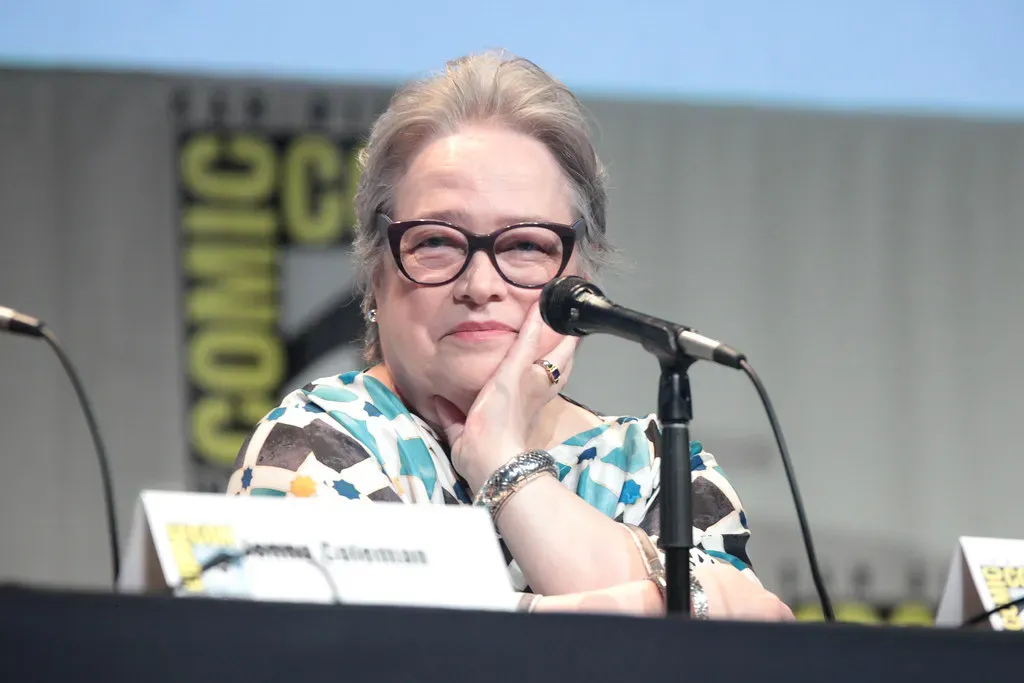
Kathy Bates worked in regional theater and off Broadway for years before film roles came her way in any meaningful volume. Her defining moment arrived with Misery in 1990, when she played the obsessive fan Annie Wilkes at age forty two, a performance that won her the Academy Award for Best Actress. It was a rare instance of a horror role earning the industry’s top acting honor, and it announced Bates as a serious dramatic force almost immediately.
The years before that had been marked by steady stage work and smaller film parts, none of which hinted at the intensity she would bring to Misery. After the Oscar win, she moved comfortably between drama and comedy, appearing in films like Fried Green Tomatoes and later television work in American Horror Story. Her career after forty became far more visible than anything that came before it, a pattern that repeats across many names on this list.
J.K. Simmons

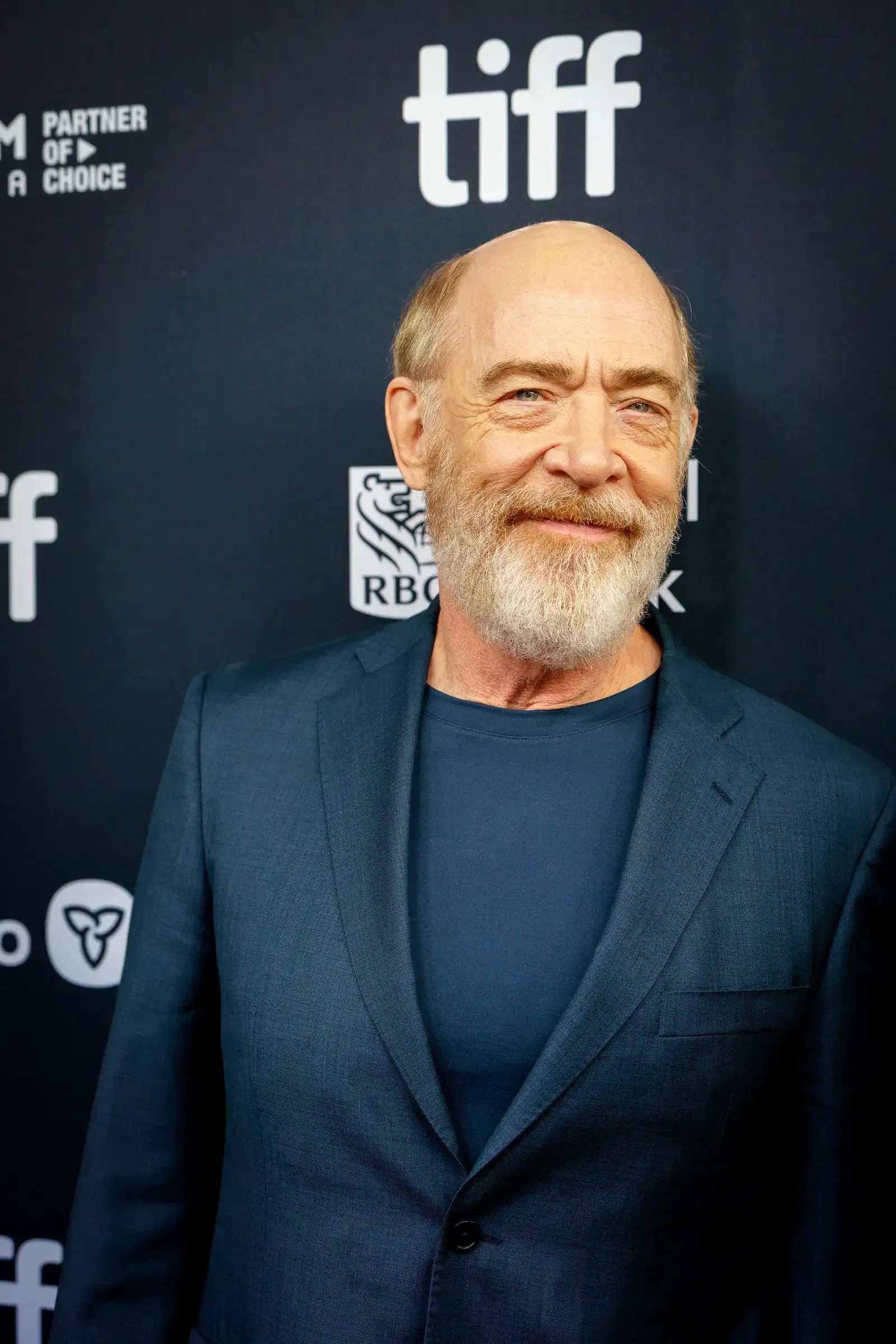
J.K. Simmons had already built a long, reliable career in television and film by the time Whiplash arrived in 2014, playing supporting roles that rarely drew headline attention. He won the Best Supporting Actor Oscar for his performance as an abusive orchestra conductor in Whiplash, fulfilling the widespread expectation that the veteran actor was a lock to take the trophy, topping a field that included Robert Duvall and Ethan Hawke. Simmons, a 60-year-old character actor, has been the frontrunner all the way back to the world premiere of Whiplash at Sundance.
Before Whiplash, most audiences knew him from Law and Order or as J. Jonah Jameson in the Spider-Man trilogy, solid work that never quite made him a household name. The Oscar win in his early sixties changed that almost instantly, opening doors to roles in Counterpart and La La Land. It is a career that proves character actors can still find a defining moment decades into steady, unglamorous work.
Melissa McCarthy

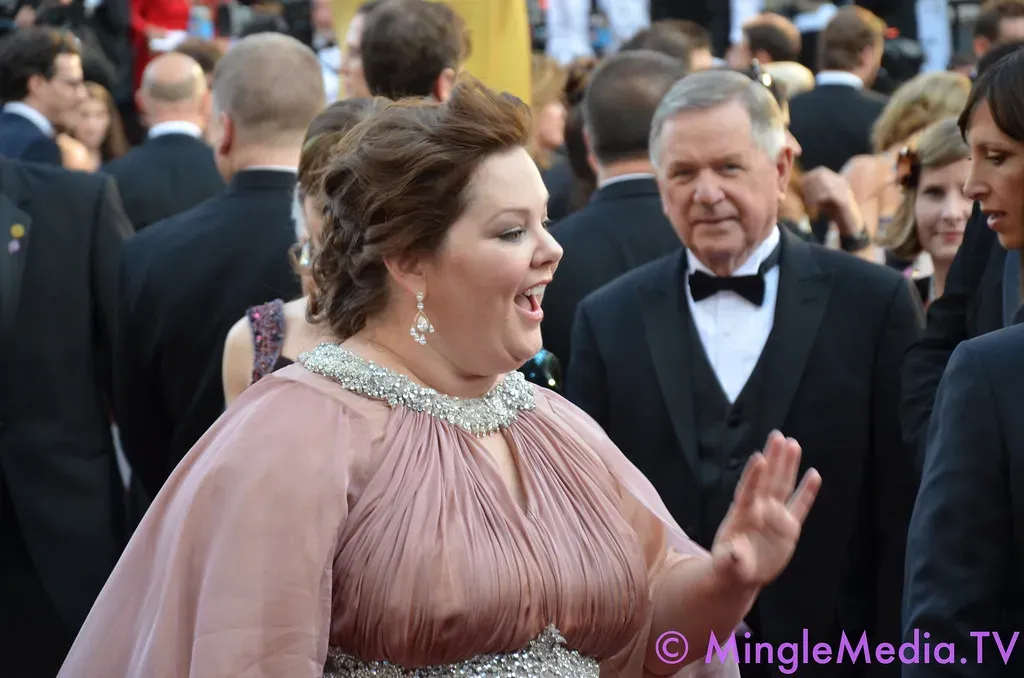
Melissa McCarthy had a respectable television career for years, most notably as Sookie St. James on Gilmore Girls, before Bridesmaids reshaped how the industry saw her. She was described at the time as the sweet 41-year-old behind 2011’s most awesomely over-the-top comedic performance, a role that earned her an Academy Award nomination for Best Supporting Actress. The part of Megan was unlike anything she had played before, and it turned her into one of the most in-demand comedic actors in Hollywood almost immediately.
She went on to star in several commercially successful comedies, including Identity Thief, The Heat, Tammy, St. Vincent, Spy, and The Boss. The pace of her output after Bridesmaids stands in sharp contrast to the years she spent building a supporting television career beforehand. Her case is a clear example of a single film role, arriving just past forty, functioning as a genuine career pivot rather than a gradual build.
Bryan Cranston
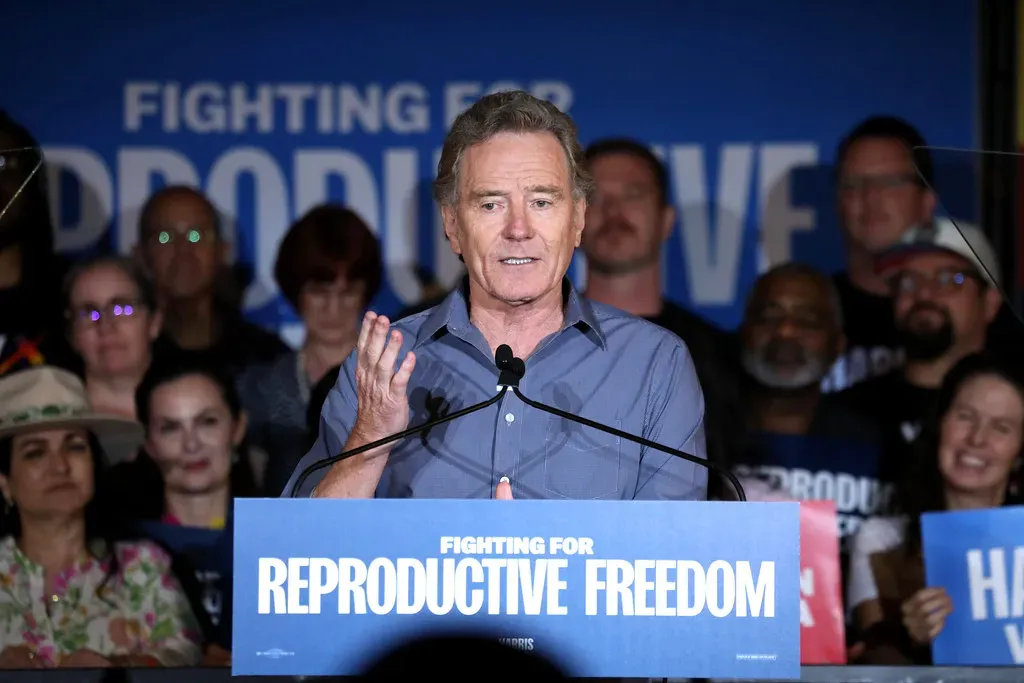
Bryan Cranston spent years as a recognizable but secondary presence on television, most notably as the goofy father on Malcolm in the Middle, before Breaking Bad changed the scope of what people expected from him. He was in his early fifties when the show premiered in 2008, playing high school chemistry teacher turned drug manufacturer Walter White. The role required a complete tonal shift from his earlier comedic work, and it became one of the most acclaimed performances in television history.
Cranston won multiple Emmy Awards for the role, and the show’s long cultural shadow turned him into one of the most respected dramatic actors of his generation almost overnight. What makes his case notable is how deliberately different Walter White was from the roles that had defined his career up to that point. It suggests that sometimes a late career shift, rather than a late start, is what actually creates the breakthrough.
Viola Davis

Viola Davis built a strong reputation in theater, including a Tony Award win, well before film audiences caught up with her talent. Her performance in Doubt in 2008, when she was in her early forties, earned her an Academy Award nomination despite only a handful of minutes of screen time, a testament to how much impact she packed into a brief role. That performance served as a signal to casting directors that she could command a scene with almost no runway.
From there, her film career accelerated steadily rather than exploding all at once, with roles in The Help, Doubt, and eventually How to Get Away with Murder building her into a leading name. She later won an Academy Award for her role in Fences, cementing a career that had taken shape gradually rather than through one single moment. Her trajectory shows that a late breakthrough does not always arrive as a single explosive event, sometimes it is a steady climb that simply started later than most.
Ian McKellen
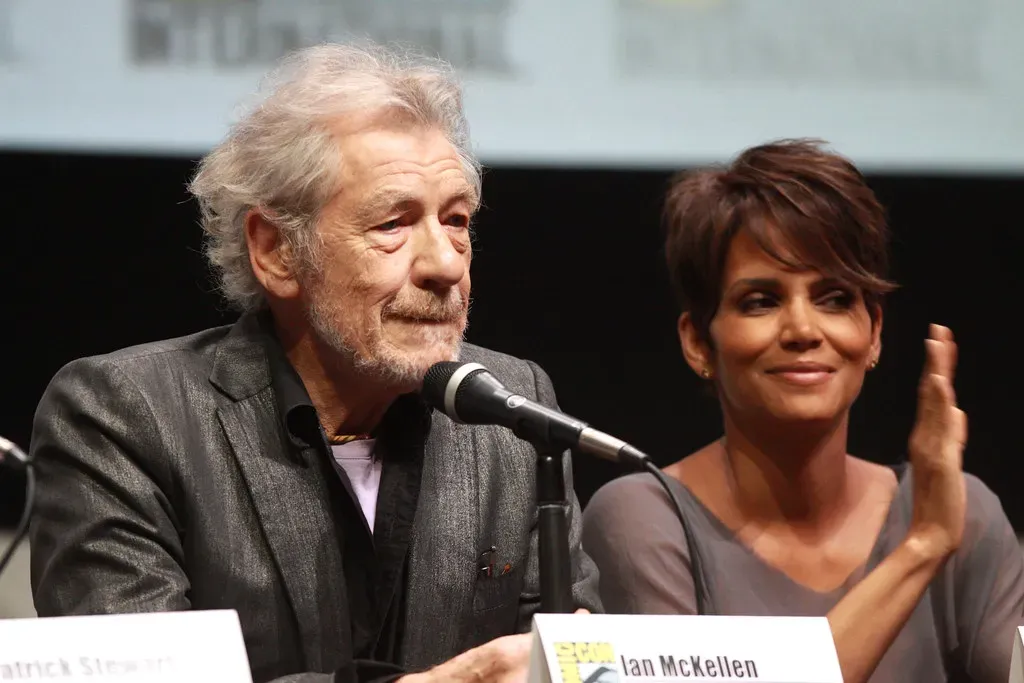
Ian McKellen had already built one of the most respected stage careers in British theater by the time global film audiences discovered him, and he was in his early sixties when The Lord of the Rings trilogy began in 2001. Playing Gandalf gave him a level of mainstream visibility that decades of acclaimed Shakespearean and stage work had never quite delivered. It is a rare case of an actor becoming a household name to a new generation well into what most industries would consider retirement age.
McKellen had already been knighted for his contributions to drama before Lord of the Rings, so the role did not create his reputation from nothing. What it did was translate decades of theatrical respect into a kind of fame that reached children and casual moviegoers who had never seen a stage production in their lives. His case is a reminder that mainstream fame and professional respect do not always arrive on the same timeline.
Taken together, these nine careers suggest that Hollywood’s obsession with early breakthroughs is more myth than rule. Each of these actors spent years, sometimes decades, refining their craft in theater, television, or supporting film roles before one part reshaped how audiences saw them. Their stories offer a useful correction to the idea that acting careers must peak young or not at all.
