


There’s something absolutely captivating about watching your favorite musicians peel back the curtain. You know what I mean, right? When they let you into the rehearsal space, when you see the tour bus drama unfold, when they talk candidly about the moment everything almost fell apart. Rock documentaries capture lightning in a bottle, preserving those raw, electric moments that fiction could never authentically recreate.
Let’s be real, the music itself is just one part of the story. The behind-the-scenes chaos, the creative process, the rise and sometimes spectacular fall – that’s where the real magic happens. Throughout rock history, some fearless filmmakers have managed to be in exactly the right place at exactly the right time, cameras rolling as history unfolded. What they captured became more than just films. They became cultural artifacts, time capsules that let us experience the heart and soul of rock and roll.
If you’re a rock fan ready to dive deep into the stories that shaped music history, buckle up. These documentaries will take you on a journey you won’t forget.
Woodstock: The Festival That Defined a Generation

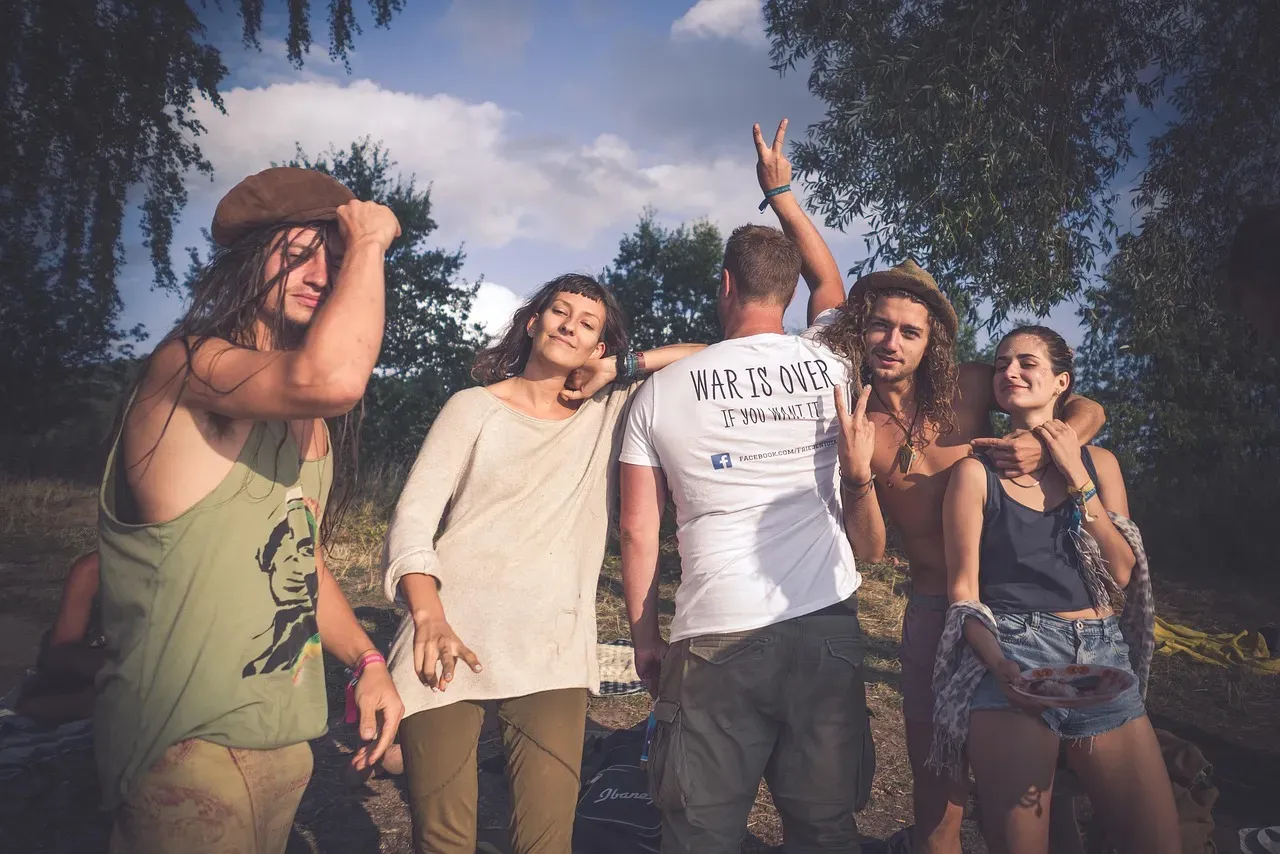
The 1970 film captures the legendary Woodstock Festival with live performances from iconic artists like Jimi Hendrix, Janis Joplin, and Crosby, Stills, Nash & Young, showcasing the power of music to unite diverse crowds. This isn’t just a concert film. It’s a nearly four-hour immersive experience into late 1960s counterculture.
The documentary brilliantly weaves together electrifying performances with intimate glimpses of the audience, revealing the social fabric of an entire generation. You can practically feel the mud under your feet, smell the incense in the air. This Oscar-winning musical chronicle brilliantly captures the three-day rock concert and celebration of peace and love that became a capstone for the Sixties.
What makes this film so remarkable is how it documents not just the music, but the movement. The idealism, the hope, the sense that music could genuinely change the world. Decades later, it remains a powerful testament to a moment when hundreds of thousands gathered for something bigger than themselves.
The Last Waltz: A Farewell Like No Other

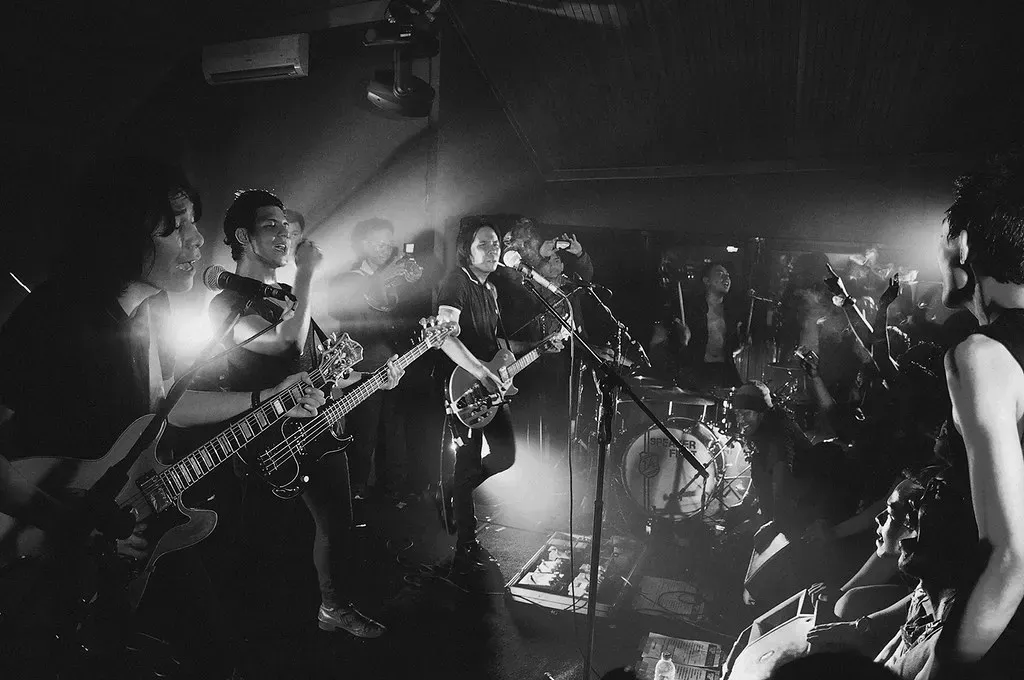
Martin Scorsese’s documentation of the Band’s farewell concert represents the pinnacle of concert filmmaking, filmed over two nights. Here’s the thing about this documentary – it’s not just about a final show. It’s about the end of an era, captured with cinematic brilliance that few music films have ever achieved.
Scorsese captures the fondest of farewells for The Band with a little help from some friends like Joni Mitchell, Muddy Waters, and Neil Young, and it looks as good as you’d expect from a doc shot by two legendary cinematographers, Laszlo Kovacs and Vilmos Zsigmond. The performances are legendary, sure, but it’s the way Scorsese frames each moment that elevates this beyond mere documentation.
Every shot feels deliberate, artful. The way the camera lingers on weathered faces tells stories that words never could. It’s arguably the most beautiful rock documentary ever made, a masterclass in how to honor musicians while creating something that stands as art in its own right.
Gimme Shelter: When the Dream Turned Dark

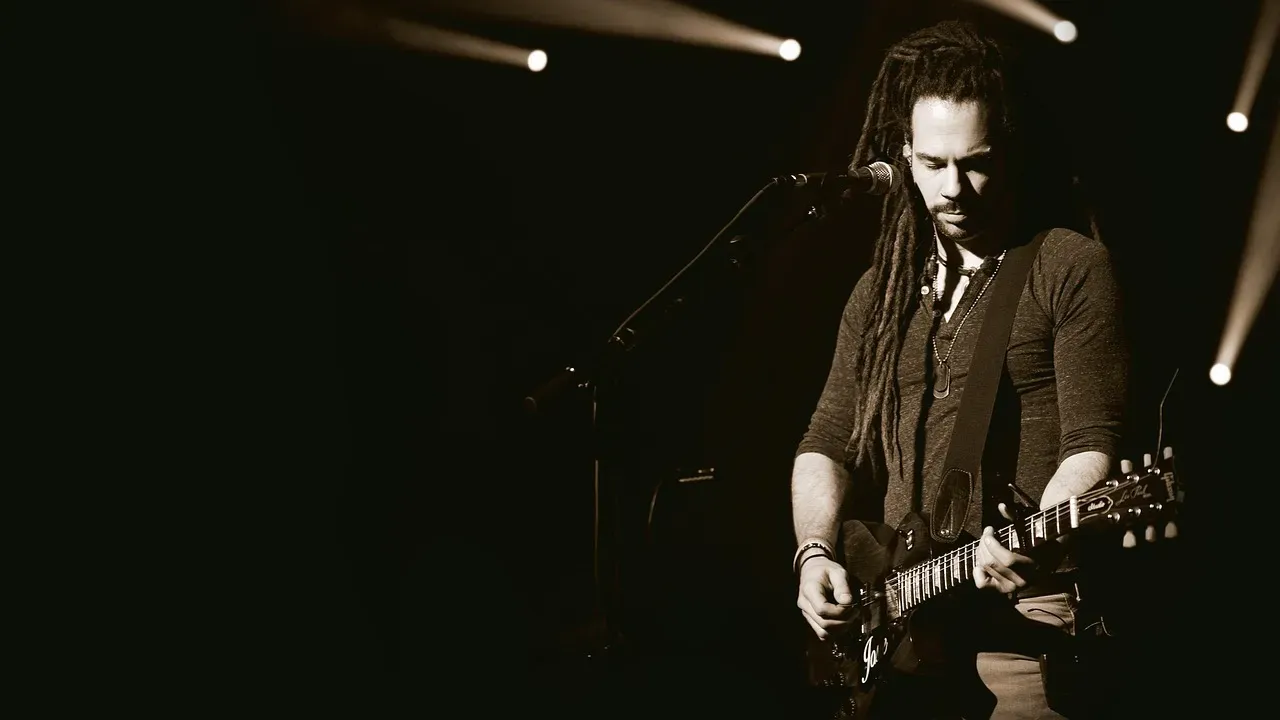
Directed by Albert and David Maysles and Charlotte Zwerin, the 1970 documentary follows The Rolling Stones’ 1969 U.S. tour, culminating in the infamous Altamont Free Concert, where violence erupted as the Hells Angels provided security and chaos spiraled. This film is haunting in ways that are hard to shake.
The Altamont concert was meant to be a West Coast Woodstock, a joyful celebration. Instead, it became a nightmare that captured the violent end of the peace-and-love era. The film captures the dark turn of the ’60s counterculture, including the shocking on-camera stabbing of a concertgoer, a gripping, haunting look at the end of an era.
What’s truly chilling is watching the Stones themselves view the footage, their faces registering the horror of what transpired. It’s uncomfortable, necessary viewing that shows the darker underbelly of rock stardom. Sometimes the music can’t save us, and this documentary captures that devastating reality.
Stop Making Sense: Pure Artistic Energy Unleashed

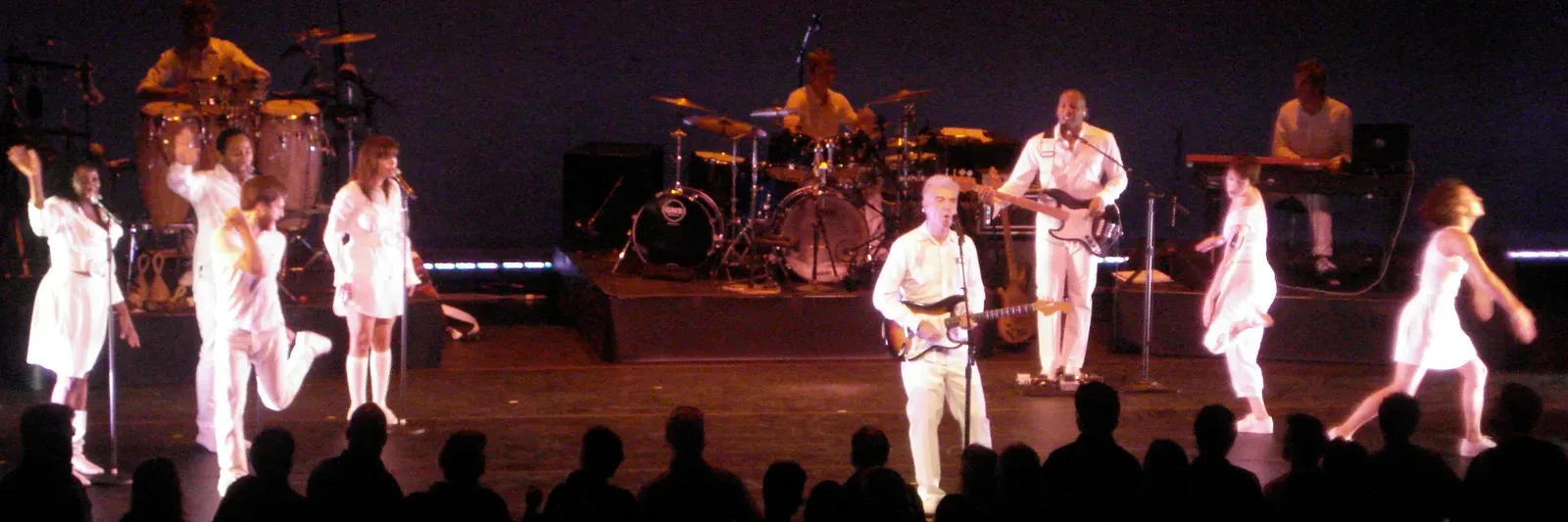
This 1984 Jonathan Demme documentary features a live performance of the band Talking Heads shot over three nights at Hollywood’s Pantages Theater in December of 1983. Honestly, calling this just a concert film feels like a massive understatement. It’s a theatrical experience, a performance art piece disguised as a rock show.
David Byrne starts alone on stage with an acoustic guitar and a drum machine. Gradually, the band assembles, the stage transforms, and what emerges is something transcendent. The big suit alone has become iconic, but it’s the sheer creative audacity that makes this unforgettable.
There are no backstage interviews, no crowd shots, no documentary framing. Just pure performance, filmed with precision and innovation. It proved that a concert film could be avant-garde, cerebral, and wildly entertaining all at once. Some call it the greatest concert film ever made, and it’s hard to argue with that assessment.
Searching for Sugar Man: The Most Unbelievable True Story

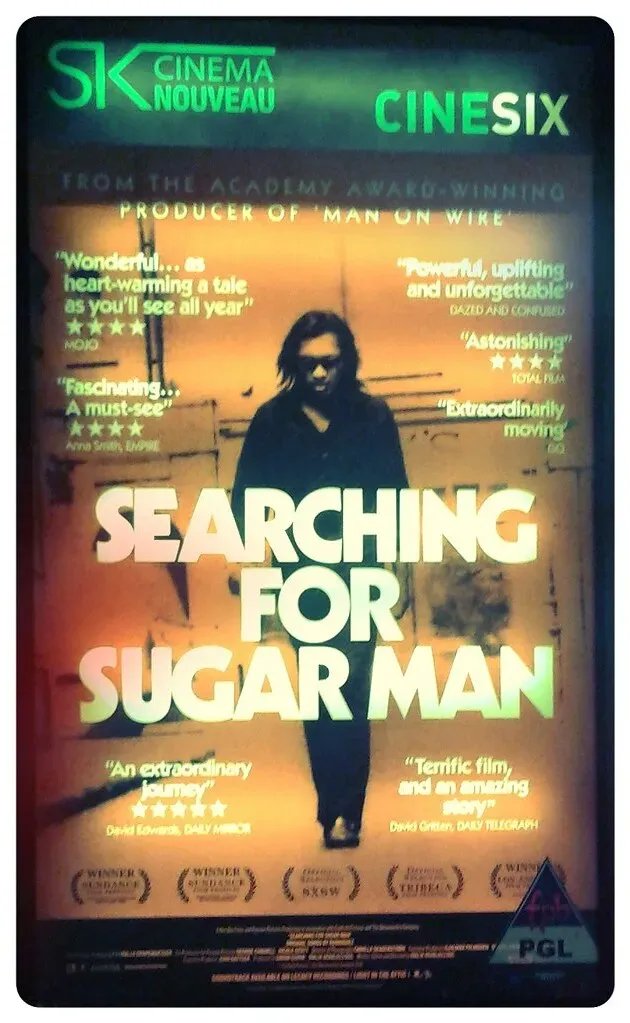
This 2012 documentary details the efforts of two Cape Town fans to find out what happened to American musician Sixto Rodriguez, whose music had become very popular in South Africa although little was known about him there. I know it sounds crazy, but this documentary unfolds like a detective story wrapped in music history.
The film won the BAFTA Award for Best Documentary and the Academy Award for Best Documentary Feature in 2013. Rodriguez recorded two brilliant albums in the early 1970s that went absolutely nowhere in America. Meanwhile, unbeknownst to him, he’d become massive in South Africa, bigger than Elvis.
The mystery of what happened to Rodriguez drives the narrative forward with genuine suspense. When the truth emerges, it’s simultaneously heartbreaking and life-affirming. This documentary proves that sometimes real life delivers stories far more powerful than any screenplay could invent. It sparked a late-career resurgence for Rodriguez, becoming one of the greatest tales of rediscovery in music history.
Don’t Look Back: Bob Dylan Unplugged and Unfiltered

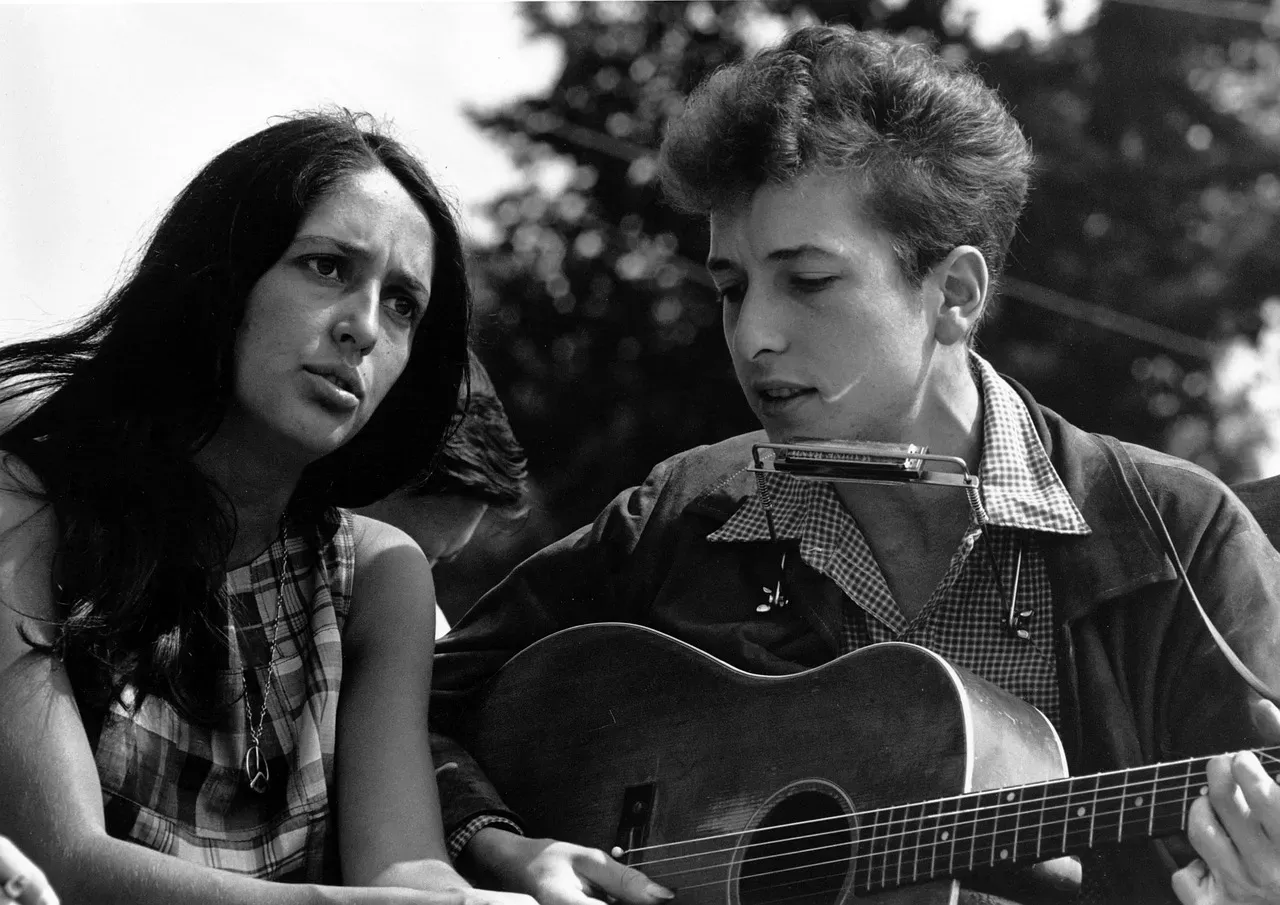
This documentary covers Bob Dylan’s 1965 tour of England, which includes appearances by Joan Baez and Donovan. Directed by D.A. Pennebaker, it’s often hailed as the greatest music documentary, offering an intimate look at Dylan’s 1965 UK tour. What makes this film so compelling isn’t just the music, though that’s spectacular.
It’s watching Dylan absolutely destroy journalists with his sharp wit and barely concealed contempt for their questions. It’s hard to say which is more riveting: scenes of Dylan performing classics like “Don’t Think Twice, It’s All Right,” or scenes in which Dylan unleashes his acid tongue on hapless reporters who just want a few good quotes.
The black and white footage has a raw, immediate quality that puts you right there in the hotel rooms, backstage areas, and chaotic press conferences. This is cinema verite at its finest, capturing an artist at the precise moment he was transforming from folk troubadour to rock icon. The famous “Subterranean Homesick Blues” opening sequence alone is worth the price of admission.
Dig! The Most Insane Musical Rivalry Ever


Over seven years, filmmaker Ondi Timoner shot 1,500 hours of footage for the 108-minute documentary examining the rivalry between two American bands: The Dandy Warhols and the Brian Jonestown Massacre. Let’s be honest, most band documentaries play it safe. This one is absolute chaos.
For pure madness, the rivalry between the Dandy Warhols and Brian Jonestown Massacre can’t be touched, as director Ondi Timoner tracked the indie-rock bands for seven years as their careers diverged and a close friendship curdled into bitter resentment. It’s shocking, sometimes poignant, and populated with characters so outrageous you couldn’t make them up.
The film offers revealing insight into the alternative music scene and the way friendships can falter under the pressure of trying to make money while retaining artistic integrity, packed with wonderfully bizarre backstage shenanigans and winning the Grand Jury Prize at the 2004 Sundance Film Festival. The on-stage meltdowns, the self-destruction, the moments of genuine brilliance – it’s all here, unvarnished and unforgettable.
The Beatles: Get Back – Witnessing the End and the Beginning

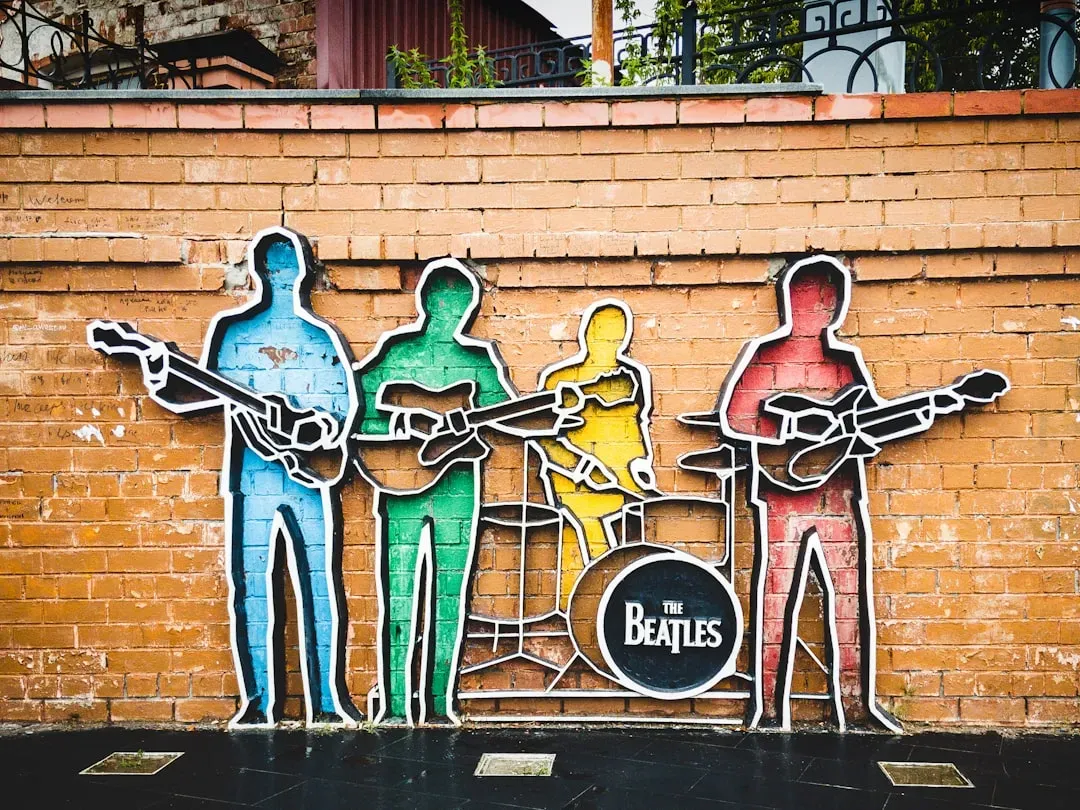
The Beatles candidly tell their own story, with the filmed account showing their attempt to recapture their old group spirit by making a back-to-basics album, which instead drove them further apart. Peter Jackson’s restoration and expansion of the original footage gives us unprecedented access to the final creative period of the greatest band in rock history.
What’s remarkable is how the documentary subverts expectations. You go in expecting sadness and tension, and while that’s present, there’s also incredible joy, humor, and moments of creative magic. Watching them write “Get Back” and “Let It Be” in real time is genuinely thrilling.
The extended running time allows you to simply hang out with the Beatles, experiencing their chemistry, their conflicts, their genius. It’s intimate in a way that feels almost voyeuristic, yet ultimately celebratory. This documentary proves that even at the end, they were still the Beatles, still capable of creating magic together.
Some Kind of Monster: Metallica’s Therapy Session


The world’s biggest metal band suffers through member defection, group therapy and rehab stints, with this rockumentary being possibly the funniest, most daringly exposed profile of a music group ever captured on film. Imagine the most successful metal band on the planet allowing cameras to document their complete unraveling.
That’s exactly what happens here, and it’s simultaneously uncomfortable and utterly fascinating. We watch as egos clash, old wounds resurface, and the band hires a therapist to help them communicate. For Metallica fans, it’s revelatory. For anyone else, it’s a masterclass in group dynamics and creative conflict.
The vulnerability on display is shocking. These are metal gods reduced to ordinary, flawed humans struggling to work together. It’s brave, bizarre, and ultimately redemptive when they manage to pull themselves back together. No other major band has ever allowed themselves to be this exposed on camera.
20 Feet from Stardom: The Voices Behind the Icons

The documentary reveals backup singers who live in a world that lies just beyond the spotlight, whose voices bring harmony to the biggest bands in popular music. This isn’t technically about rock bands, but about the incredible singers who made those bands sound as good as they did.
This amazing documentary highlights the backup singers who have made a huge impact on the most popular recordings in our century, interviewing the voices that all of us have heard our entire lives, but could never put a name to. Their stories are powerful, often heartbreaking, always inspiring.
These artists contributed to some of the most memorable moments in rock history, yet remained largely anonymous. The film asks difficult questions about race, gender, and the music industry’s star-making machinery. It’s both a celebration of unsung talent and an indictment of a system that kept brilliant artists in the shadows. By the end, you’ll never listen to your favorite songs the same way again.
Conclusion: Why These Films Matter


Rock documentaries do something that studio recordings and concert tickets alone can never accomplish. They freeze moments in time, preserve the chaos and brilliance of creativity, and show us the humans behind the legends. Each of these films offers a unique window into rock history, from triumphant festivals to bitter endings, from forgotten artists to the world’s biggest bands.
What strikes me most about these documentaries is their honesty. Whether it’s the raw violence of Altamont, the therapeutic vulnerability of Metallica, or the mysterious journey to find Rodriguez, these films don’t flinch from complicated truths. They remind us that rock and roll has always been messy, unpredictable, and gloriously human.
So whether you’re a lifelong rock fanatic or someone just beginning to explore music history, these documentaries offer something invaluable. They’re time machines, history lessons, and emotional experiences all rolled into one. Which one will you watch first? Let us know what you think in the comments.


