Award season speeches usually follow a predictable script. Thank the director, thank the cast, thank the family, wrap it up before the orchestra cuts you off. Yet every so often, an actor slips something else into those sixty seconds, a phrase, a language, a gesture that carries far more weight than the audience realizes in the moment. Some of these messages needed translation. Others needed context. A few only made sense years later, once fans pieced together what was really being said on that stage.
1. Lily Gladstone’s greeting that only her community fully understood

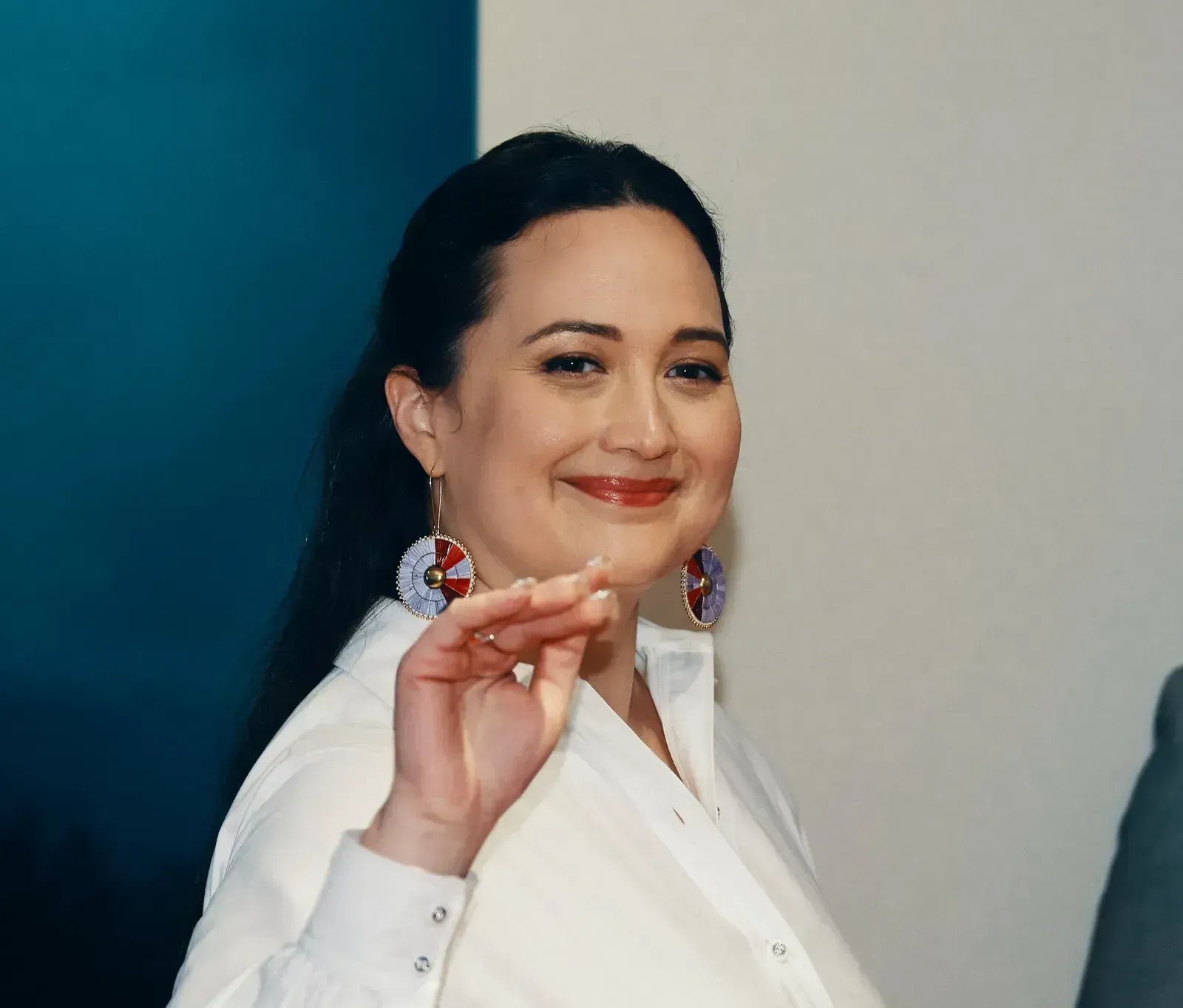
When Lily Gladstone won the Golden Globe for best actress in a motion picture drama for Killers of the Flower Moon, she opened her acceptance speech in Blackfeet rather than English. Lily Gladstone made history at the 2024 Golden Globes ceremony when she became the first Indigenous person in history to receive the award for best actress in a motion picture drama, and began her acceptance remarks by speaking in Blackfeet language. To most of the room, it sounded like a striking but unfamiliar greeting.
Translated, the words carried something far more intimate. “Hello all my relations,” Gladstone said, “My name is Eagle Woman. I am Blackfeet. I love you!” She later explained that the beginning of her speech was “often how I introduce myself in a new group of people, especially when it’s significant.” For Blackfeet viewers, it was a quiet, coded love letter delivered in plain sight on a stage that had never heard the language before.
2. Da’Vine Joy Randolph’s tribute buried inside her thank yous

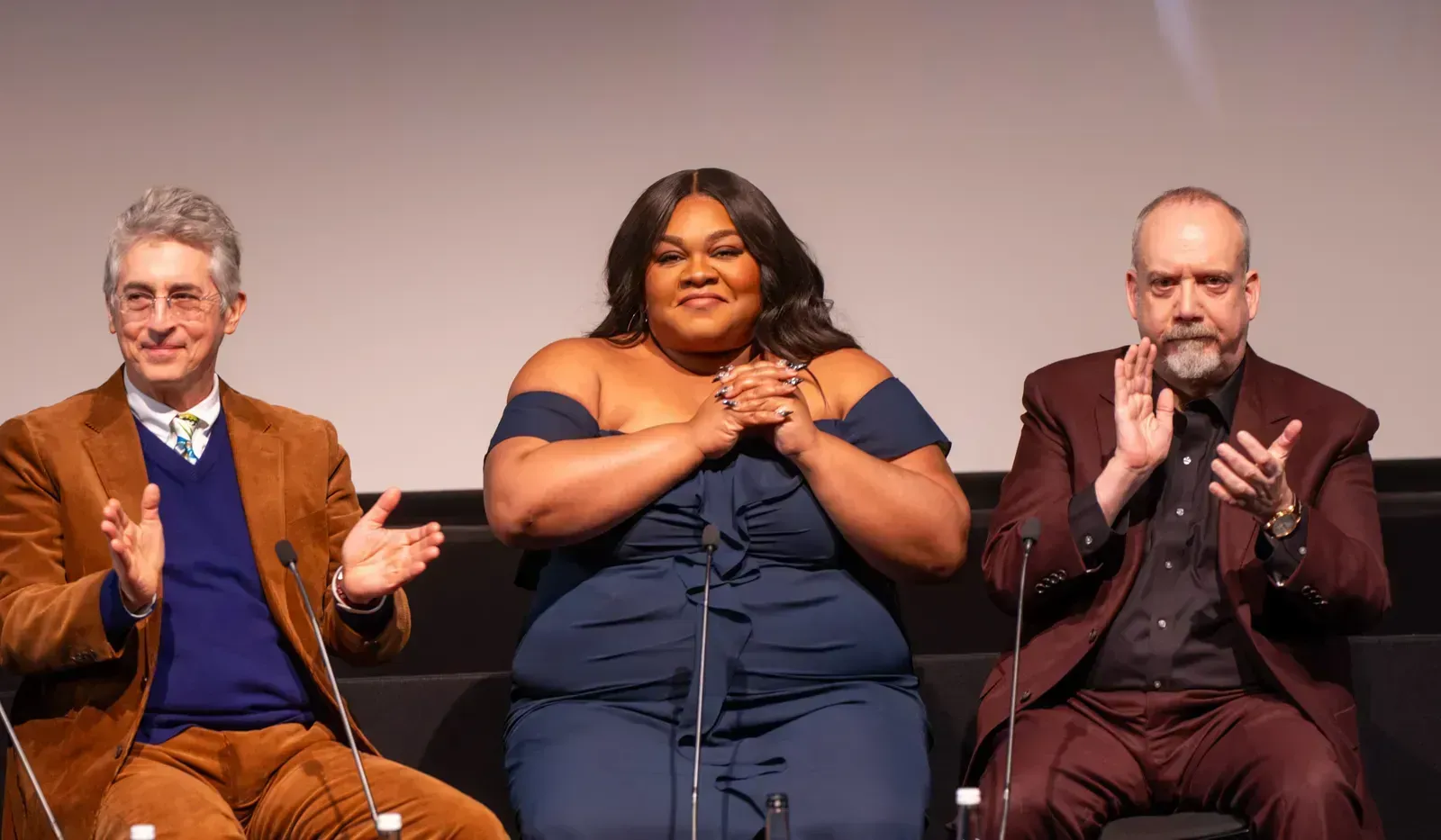
Da’Vine Joy Randolph’s Oscar win for The Holdovers arrived with tears and a story that could easily have been missed amid the standard list of acknowledgments. In her acceptance speech, she revealed that she didn’t always see herself becoming an actor, that is, until her mother encouraged her to seek out the local theater department. It read, on the surface, like a nice origin story.
Underneath it, though, was a direct message aimed squarely at her mother sitting in the audience. “I didn’t think I was supposed to be doing this as a career,” Randolph said. “I started off as a singer and my mother said to me, ‘Go across that street to that theater department, there’s something for you there.'” Everything that followed in her career, she was telling the room without saying it outright, traces back to that one sentence from her mom.
3. Emma Stone’s borrowed line about disappearing into the work

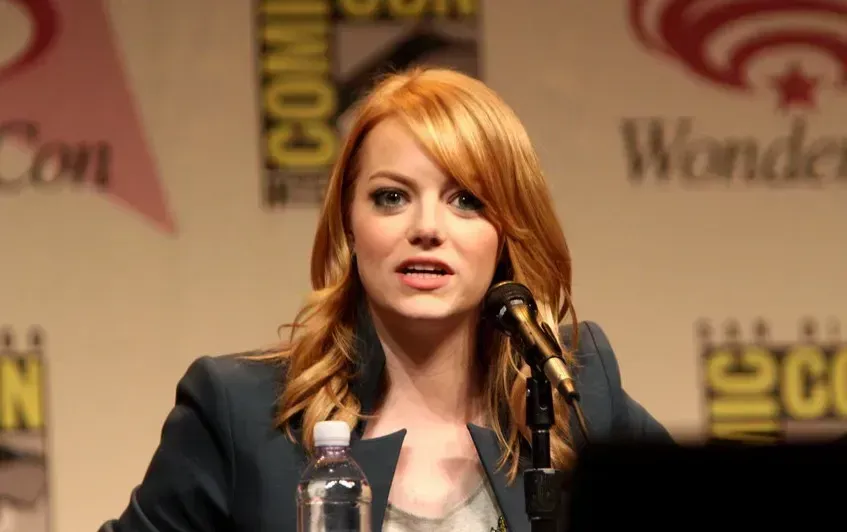
Emma Stone’s second Best Actress win, for Poor Things, produced a speech that seemed scattered and emotional in the moment, full of half-finished thoughts and nervous laughter. She revealed her dress had broken, likely during Ryan Gosling’s “I’m Just Ken” performance, joked “whatever,” and admitted her voice was “a little gone.” Buried in that chaos was a phrase she was quietly passing along from someone else.
In her heartfelt acceptance speech at the 2024 Oscars, Stone shared an insightful message from director Yorgos Lanthimos, to “take yourself out of it,” a nod to the collective effort behind individual accolades. It wasn’t framed as a lesson for the audience. It was a private piece of advice she’d carried through the whole film, now handed off in front of millions without much explanation.
4. Jessie Buckley’s closing words in her grandmother’s tongue

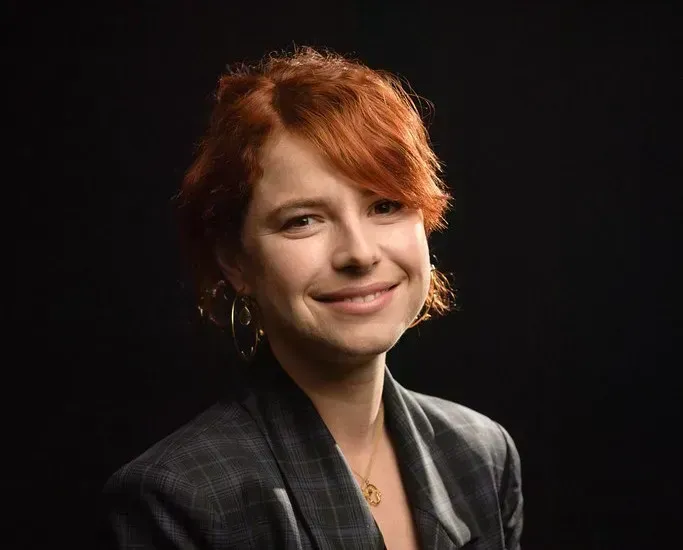
At the 98th Academy Awards, Jessie Buckley became history’s first Irish woman to win Best Actress, for her performance in Hamnet. As she became the first Irish woman in Oscars history to win best actress, she closed her acceptance speech with some Gaelic. The English portion of her speech thanked the expected names, her collaborators, her cast, her director.
It was the final lines, spoken in Irish, that carried the real personal weight. For most of the ceremony’s global audience, those closing words were simply beautiful sound with no immediate translation available. For Buckley and for Ireland watching at home, they were a deliberate reclaiming of language and identity on one of the biggest stages in entertainment, tucked in right at the very end where a casual viewer might have already stopped listening closely.
5. Carol Burnett’s ear tug meant for someone who was already gone

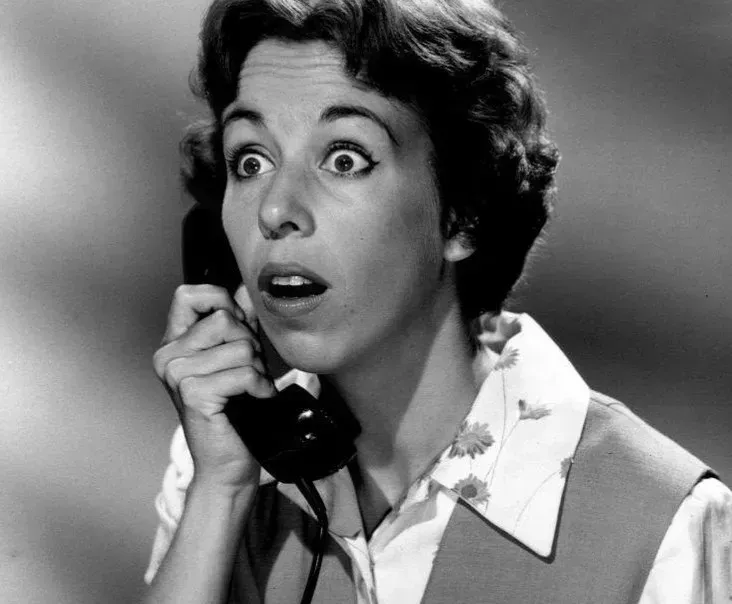
Carol Burnett has tugged her ear at the end of televised appearances for decades, and for a long time the gesture puzzled audiences who assumed it was simply a quirky habit. She finally explained its origin while being honored years later, revealing a signal built entirely around her grandmother. “My grandmother raised me out here in Hollywood,” said Burnett, recalling that when she got her first television job in New York, she called her grandmother and arranged the ear tug as a signal, noting it always meant “Hi Nanny, I’m fine, I love you.”
Partner offer

The signal outlived the person it was meant for. The tugging of the ear tradition continued long after Burnett lost her grandmother, and she’s still seen making the gesture in photos and public appearances today. What looked like a throwaway tic to viewers for years was, in fact, a private love note repeated in public for the rest of her career.
6. Sacheen Littlefeather’s abbreviated protest for Marlon Brando

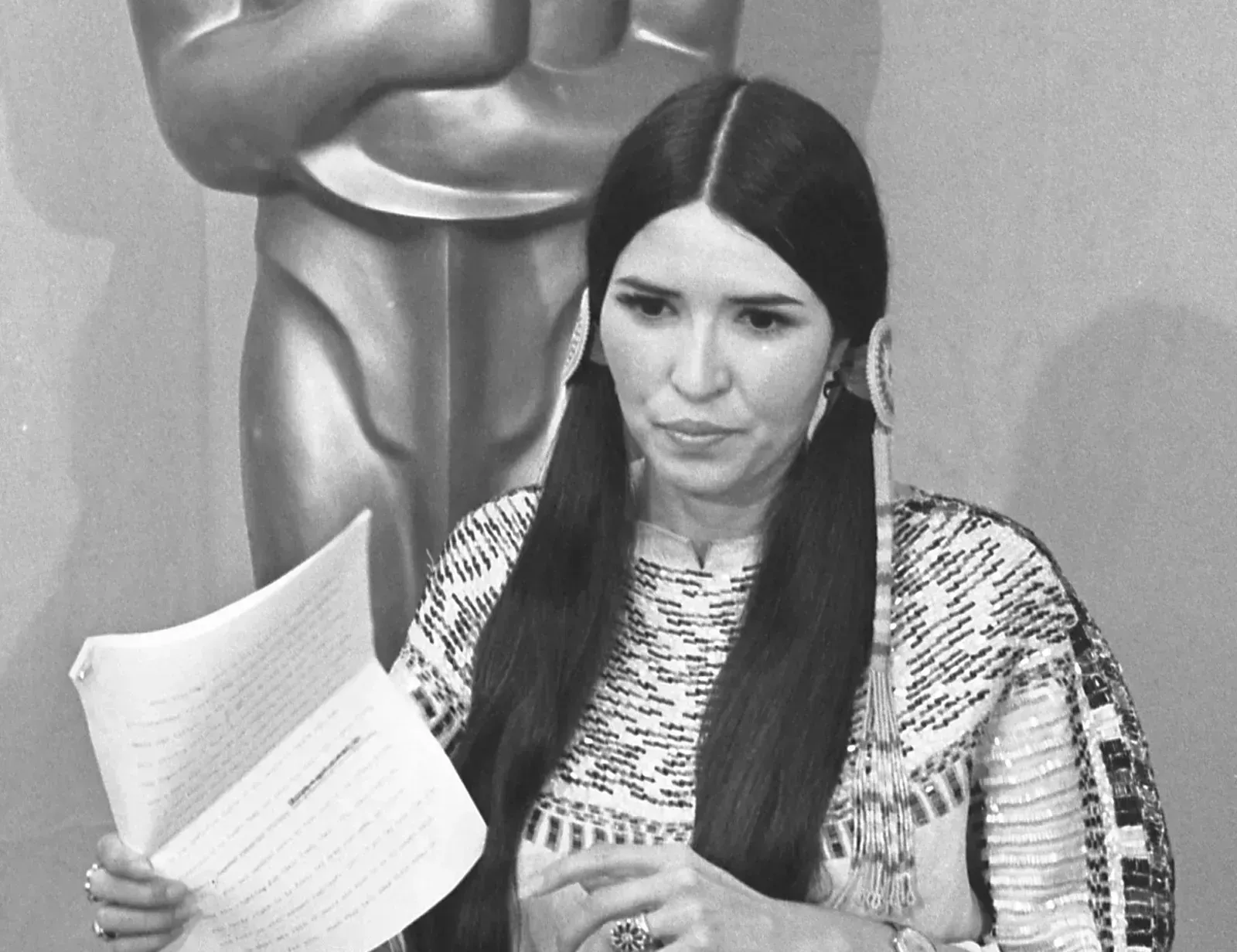
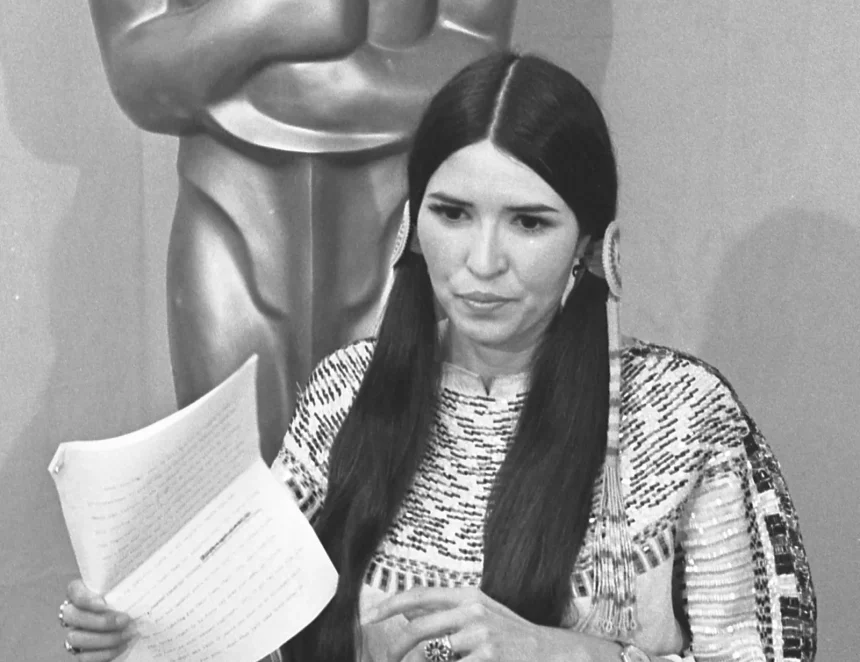
In 1973, Marlon Brando won Best Actor for The Godfather and declined to attend the ceremony. In his place, he sent Sacheen Littlefeather, an Apache and Yaqui actress and activist, to decline the award on his behalf and read a message protesting the film and television industry’s treatment of Native Americans. Due to strict time limits imposed by the show’s producer, she was only able to deliver a shortened version of the statement Brando had actually written.
The full letter, far longer and more detailed than what reached the Oscar stage that night, only became widely known later once the complete text circulated publicly. What millions watched live was, in effect, a compressed and partially hidden version of a much larger personal and political statement, one that Littlefeather herself absorbed considerable public backlash for delivering, decades before the Academy formally apologized to her for how she was treated that evening.
7. Colin Farrell’s tribute wrapped around his son’s condition

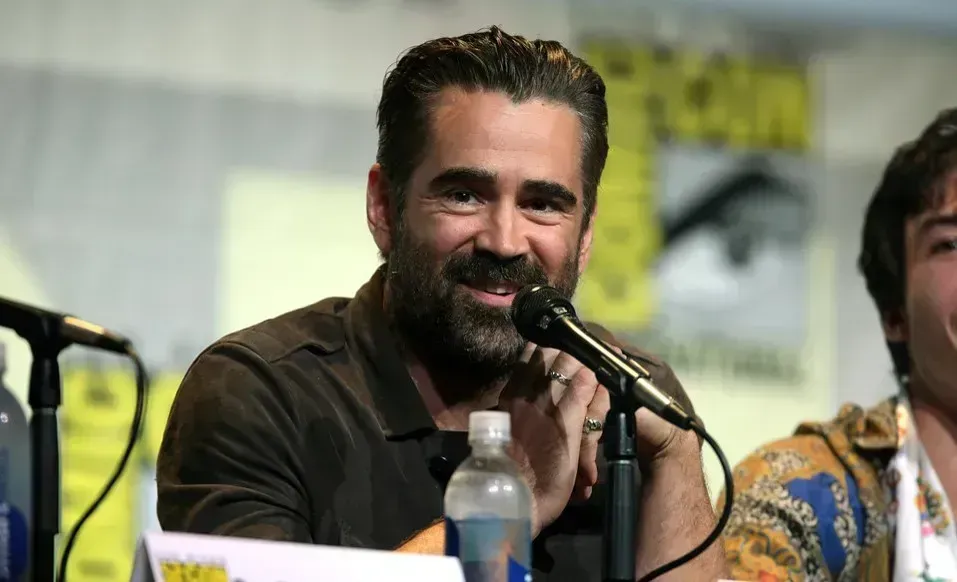
When Colin Farrell won the Golden Globe for The Banshees of Inisherin, he used part of his speech to dedicate the award to his son James, who lives with Angelman syndrome, a rare neurogenetic condition many in the audience were unfamiliar with. He described his son in warm, private terms rather than clinical ones, calling him a source of light in his life.
For viewers who didn’t know what Angelman syndrome was, the tribute read simply as a touching father’s moment. For families who understood the diagnosis, though, it landed as something much more specific, a public acknowledgment of a private struggle that Farrell had rarely discussed so directly on a major awards stage. The message was there for everyone, but its full depth was really only available to those who already knew the context.
8. Troy Kotsur’s signed thank you that needed captions to land

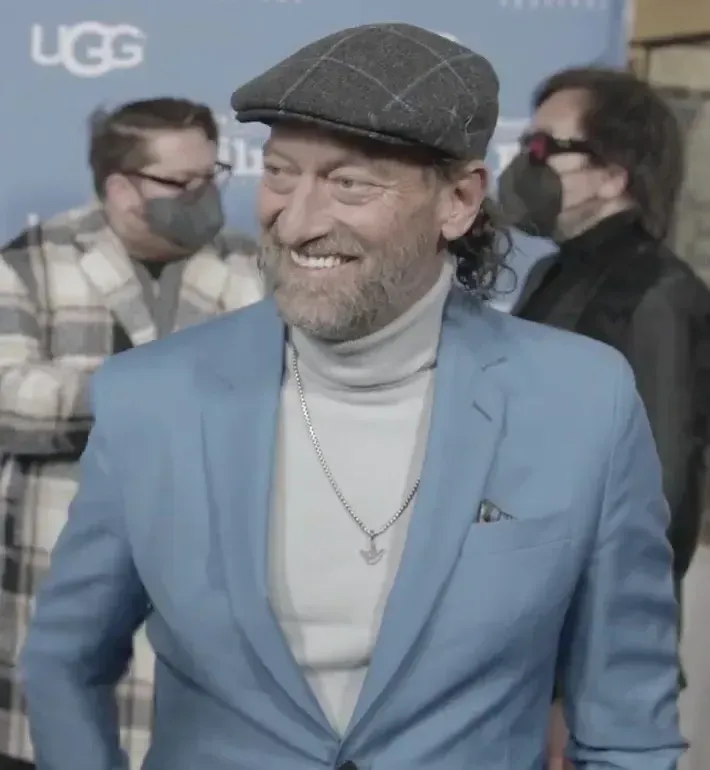
Troy Kotsur’s Best Supporting Actor win for CODA in 2022 made him the first deaf man to win an acting Oscar, and he delivered his acceptance speech entirely in American Sign Language. For hearing audience members without access to captions or an interpreter’s voice, his message existed almost as a hidden layer of the ceremony, fully present but not fully accessible without translation.
Within that speech, Kotsur thanked the deaf community and reflected on his father, who never got to see him succeed on this level, weaving a deeply personal family story into a moment that also served as a broader statement about representation. The emotional core of his message was available instantly to Deaf viewers and to anyone reading the interpretation, but for a portion of the audience it registered first as pure visual expression before the meaning caught up.
9. Harrison Ford’s confession about being a misfit

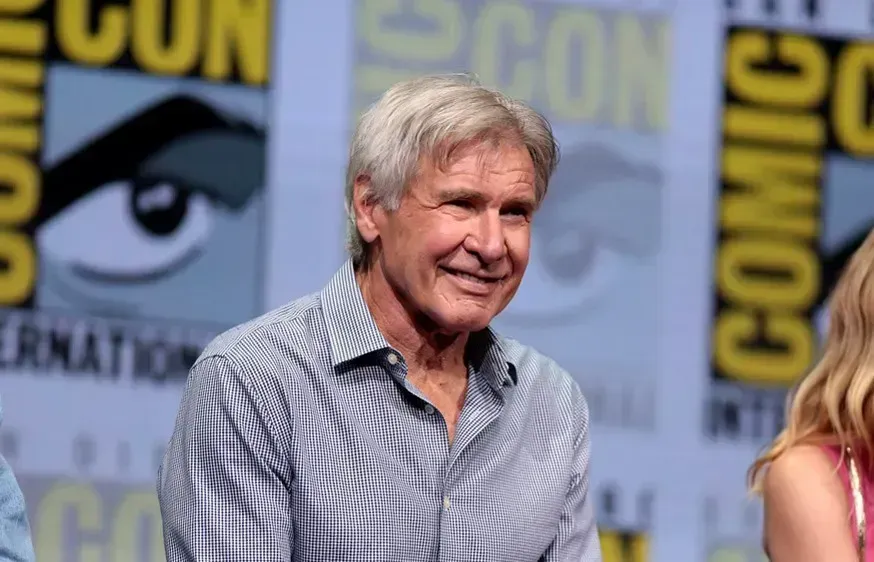
Accepting the Lifetime Achievement Award at the 2026 Actor Awards, Harrison Ford leaned into humor for most of his speech, joking about receiving a career honor while still actively working. Tucked inside the jokes, though, was a quieter admission about where his path actually began. “In my third year of college, I was a little lost,” he said. “I was failing at school. I felt isolated, alone, and then I found the company of people putting on plays, storytellers, people I once thought were misfits and geeks turned out to be my people.”
It wasn’t framed as a confession, and most coverage of the night focused on his jokes with presenter Woody Harrelson rather than this passage. Yet for an actor known for guarded, understated interviews across sixty years of fame, admitting to feeling lost and out of place before finding his footing among fellow “misfits” was as close to an unguarded personal message as Ford tends to offer in public.
Taken together, these nine moments say something about what award speeches can actually hold beyond gratitude and scripted lines. A greeting in an endangered language, a signal built for a grandmother, a phrase borrowed from a director, a protest cut short by a clock, they all prove that the real message in a speech isn’t always the one spoken loudest. Sometimes it’s the one only a handful of people in the room, or watching from somewhere far away, were ever meant to catch.Partner offer
Planning a trip to Vegas?
Compare hotel rates and show tickets on VEGAS.com.