Some albums do more than fill a playlist. They shift how a genre sounds afterward, or they become the reference point every critic uses when describing something new. The nine records below turn up again and again in serious lists of essential listening, from Rolling Stone retrospectives to academic music writing, and each one earned its spot for a different reason. This isn’t a ranking of personal favorites. It’s a look at records whose influence is documented, whose sales and critical reception are a matter of record, and whose fingerprints show up in music made decades later. See how many you’ve actually sat down and listened to, start to finish.
1. Pet Sounds – The Beach Boys (1966)

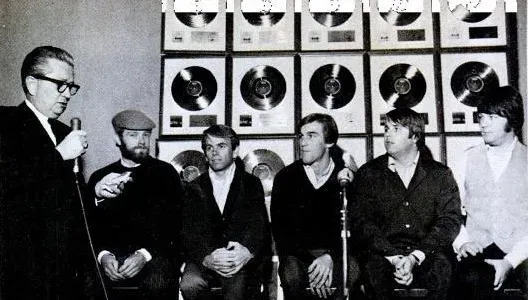
Brian Wilson built this album almost obsessively, layering theremins, bicycle bells, and orchestral strings into pop songs that had no business sounding that complex in 1966. The result pushed the Beach Boys away from surf anthems and toward something closer to chamber pop, and it reportedly influenced Paul McCartney enough to help shape the direction of the Beatles’ own studio experiments that year. Critics at the time were divided, but history has been kinder than the charts were.
It sold modestly compared to earlier Beach Boys records, yet its reputation grew steadily over the following decades. By the 1990s it was routinely appearing near the top of “greatest albums” lists compiled by major music publications. The production techniques Wilson used, especially the layered vocal harmonies and unconventional instrumentation, became a template that later artists from Radiohead to Fleet Foxes have cited as formative.
2. What’s Going On – Marvin Gaye (1971)

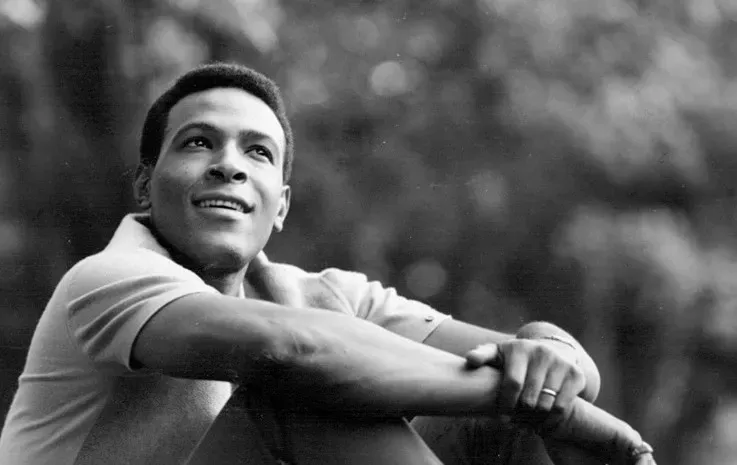
Marvin Gaye recorded this album against the wishes of Motown executives, who wanted more of the polished love songs that had made him famous. Instead he delivered a suite of songs addressing war, poverty, and police violence, tied together with a loose conceptual thread about a soldier returning home. Motown founder Berry Gordy reportedly called it the worst album he’d ever heard before it became one of the label’s biggest sellers.
The title track and “Mercy Mercy Me” became hits despite their unflinching subject matter, proving that socially conscious soul music could also be commercially viable. The album’s smooth, jazz-inflected arrangements set a new bar for concept albums in soul and R&B. Decades later, artists like Kendrick Lamar and D’Angelo have pointed to its structure and thematic ambition as a direct influence on their own work.
3. Nevermind – Nirvana (1991)


Few albums have flipped the mainstream as decisively as this one did. Nirvana’s second record, anchored by “Smells Like Teen Spirit,” knocked Michael Jackson’s Dangerous off the top of the Billboard 200 in early 1992, a moment often cited as the point grunge overtook glam metal and pop as commercial radio’s dominant sound. It’s since been certified multi-platinum many times over in the United States alone.
What made it stick wasn’t just the sound, it was the tension between Kurt Cobain’s raw lyrics and producer Butch Vig’s polished mix, a combination that gave punk energy a radio-friendly sheen. The album effectively pulled underground rock into the mainstream almost overnight, reshaping what major labels were willing to sign for the rest of the decade. Its influence is still audible in alternative rock released well into the 2020s.
4. Kind of Blue – Miles Davis (1959)

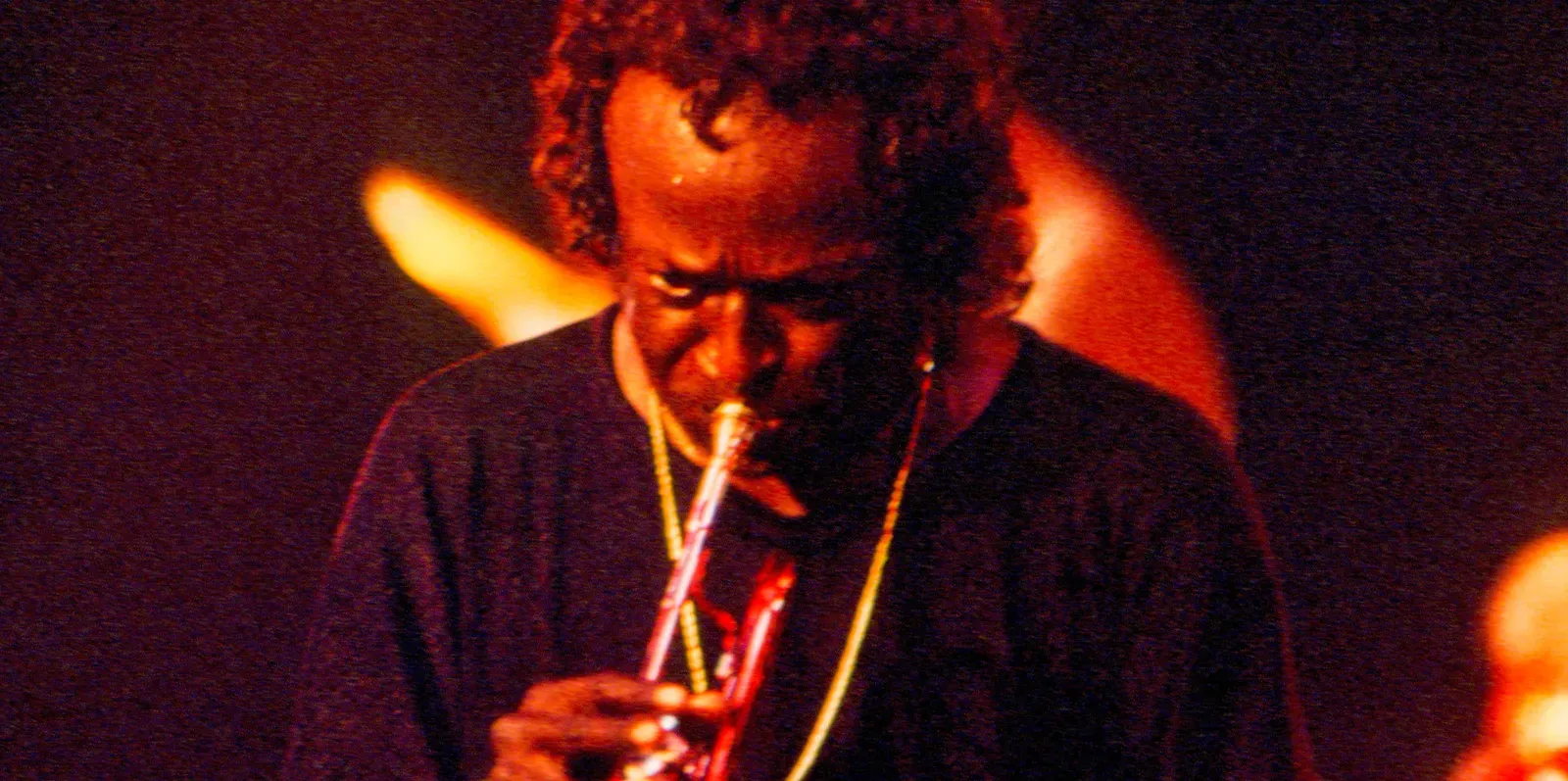
Miles Davis and his band largely improvised this record in the studio, working from simple modal sketches rather than fully written arrangements. That looseness produced one of the best-selling jazz albums of all time, and it remains a common entry point for listeners who don’t usually gravitate toward jazz. The sidemen alone, including John Coltrane and Bill Evans, make it a document of an extraordinary moment in the genre’s history.
Its modal approach, building songs around scales rather than traditional chord progressions, gave jazz musicians a new language to work with. That shift rippled outward into rock, ambient, and even some hip hop production decades later. It’s frequently used in music schools as a teaching tool precisely because of how clearly it demonstrates a turning point in improvisational form.
5. Rumours – Fleetwood Mac (1977)

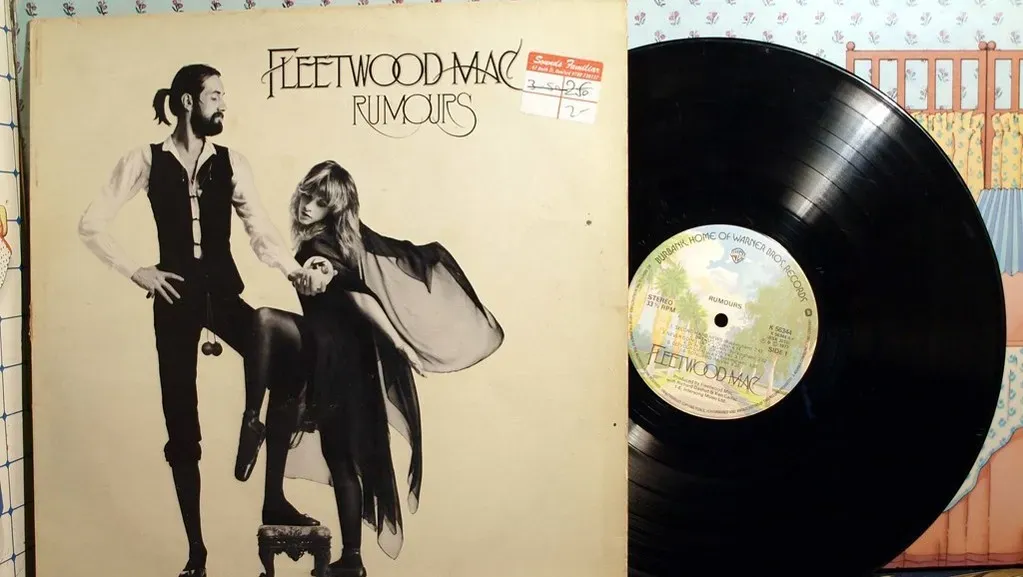
This album was written and recorded while nearly every member of the band was going through a breakup, sometimes with each other. That personal wreckage translated into some of the most direct, emotionally specific songwriting in mainstream rock, with tracks like “Go Your Own Way” and “Dreams” written as pointed messages between bandmates. It sold over 40 million copies worldwide and won the Grammy for Album of the Year in 1978.
Beyond the drama, the record is a masterclass in pop-rock craftsmanship, blending California soft rock with tighter, more economical songwriting than the band had shown before. Its influence shows up in everything from 1980s adult contemporary radio to contemporary artists like Haim, who have cited it directly as a reference point. The album continues to chart on streaming platforms, a rare feat for a record nearly fifty years old.
6. Thriller – Michael Jackson (1982)

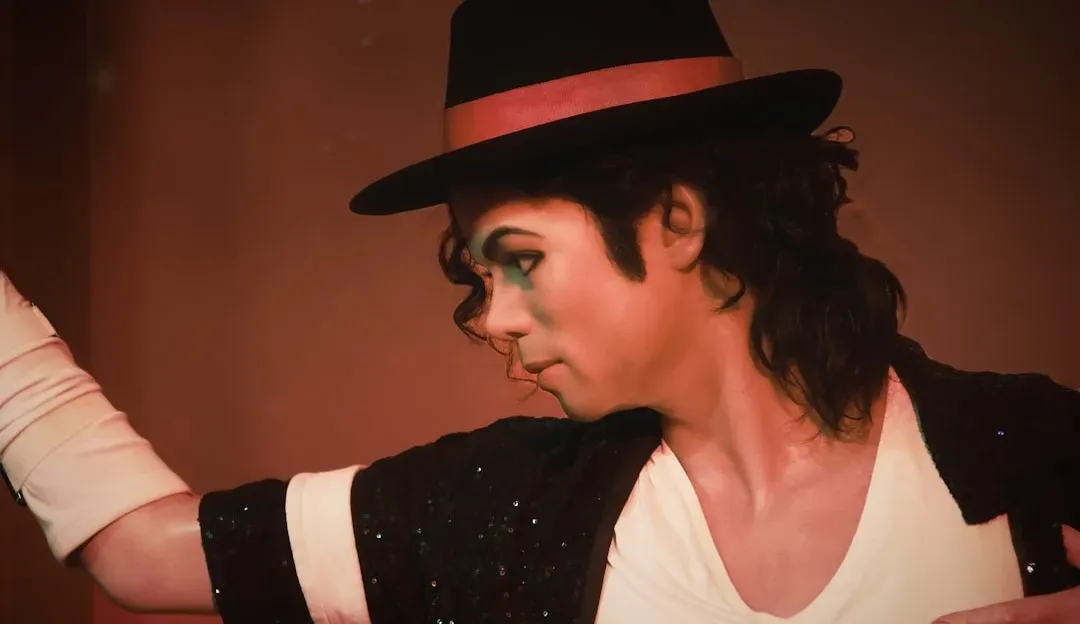
Thriller remains the best-selling album of all time worldwide, a title it has held for decades despite the shift from physical sales to streaming. Produced by Quincy Jones, it fused disco, funk, rock, and pop into something radio stations across every format could play, which was itself a deliberate strategy to break down genre-based programming barriers in the early 1980s. Seven of its nine tracks were released as singles, an almost unheard-of ratio.
The album’s videos, especially the title track’s short film, changed how MTV and the music industry thought about visual promotion. It also opened doors for Black artists on MTV, which had been criticized for near-total exclusion of Black musicians from its early rotation. Its commercial and cultural footprint is still cited today whenever industry analysts discuss what a true crossover hit looks like.
7. OK Computer – Radiohead (1997)

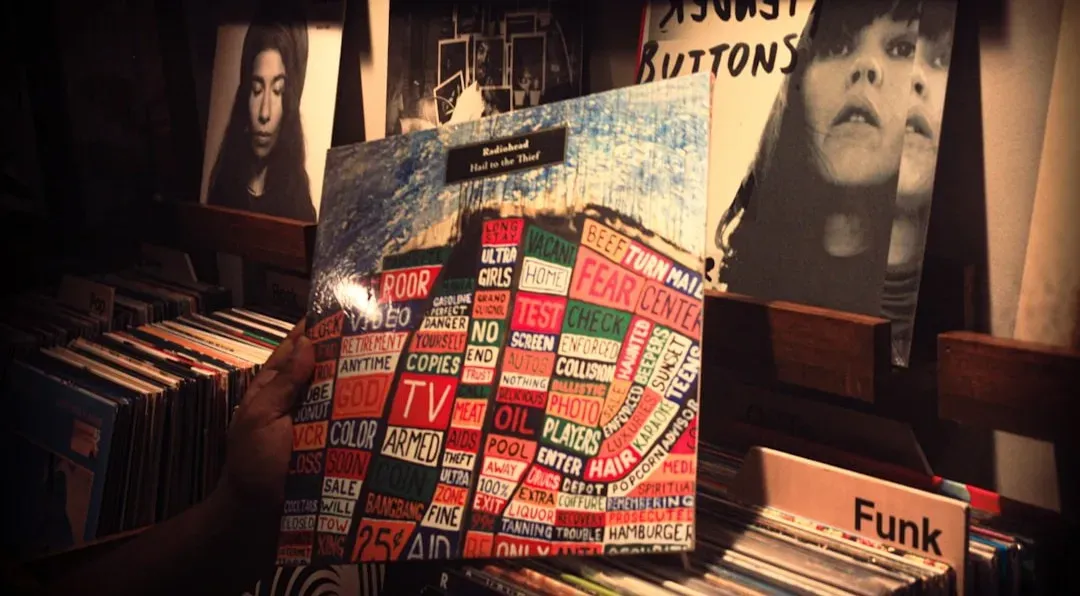
Radiohead moved away from the guitar-driven rock of their earlier work and toward something colder, more textured, and thematically preoccupied with technology, alienation, and consumer culture. It arrived a few years before those themes became mainstream conversation topics, which is part of why critics and fans alike often describe it as ahead of its time. The album reached number one on the UK charts and has been certified multi-platinum in several countries.
Its layered production, mixing conventional rock instrumentation with electronic textures and unconventional song structures, influenced a generation of bands trying to make guitar music sound less predictable. Artists across genres, from Coldplay to more experimental electronic acts, have referenced it as a turning point in how they thought about album sequencing and mood. It’s regularly named in critics’ polls as one of the defining rock albums of the 1990s.
8. The Dark Side of the Moon – Pink Floyd (1973)

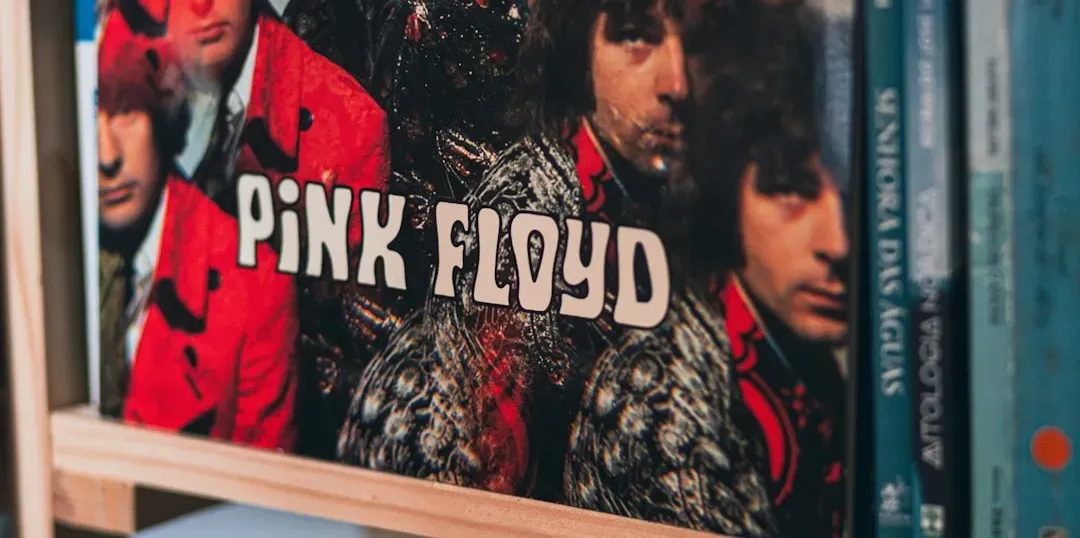
This album spent an extraordinary stretch on the Billboard charts, staying in the Billboard 200 for over 900 weeks total across multiple chart runs, a record that remains largely unmatched. Built around themes of mortality, mental illness, and time, it used studio effects, spoken interludes, and extended instrumental passages in ways that were unusual for a commercially successful rock record. Engineer Alan Parsons’ work on the album’s sound design became a reference point for studio engineers for years afterward.
Its cover art, the prism refracting light into a spectrum, became one of the most recognizable images in music history, reproduced on merchandise and referenced in other media for decades. The album’s cohesive, almost cinematic structure helped cement the concept album as a viable commercial format rather than a niche experiment. It continues to sell physical copies and vinyl reissues at a pace unusual for a record over fifty years old.
9. Blue – Joni Mitchell (1971)


Joni Mitchell wrote this album during a period of significant personal upheaval, and the lyrics reflect that directness without much filtering or metaphor to soften the edges. Rolling Stone and other major publications have repeatedly ranked it among the greatest albums ever made, often citing its emotional candor as a benchmark other confessional songwriters have chased since. It’s frequently taught in songwriting courses specifically for how economically Mitchell conveys complex emotional states.
Musically, it’s sparse, built mostly around piano, guitar, and dulcimer, which puts the lyrics and Mitchell’s voice at the center rather than layering in additional production. That minimalism became its own kind of influence, encouraging later singer-songwriters to trust simpler arrangements when the writing itself was strong enough to carry a song. Artists from Taylor Swift to Phoebe Bridgers have named it directly as a formative influence on their own songwriting approach.
Nine albums, nine different decades and genres, and yet each one changed something about how music got made or heard afterward. Whether you’ve heard all nine or none of them, they remain a solid starting point for understanding how modern music got to where it is today.