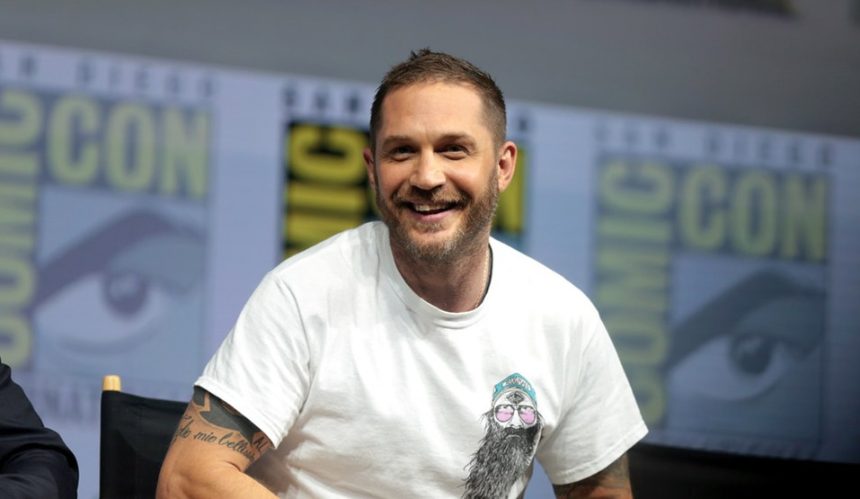
Every so often a film hides a trick right in front of you. The star you already recognize turns out to be playing someone else too, tucked under a wig, a set of prosthetics, or a plot twist you don’t see coming until the credits roll. Some of these hidden performances became legendary trivia, while others stayed buried for years before eager fans pieced them together.
1. Peter Sellers in Dr. Strangelove

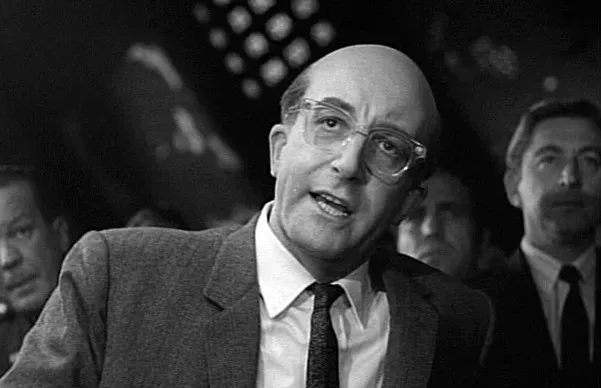
Stanley Kubrick originally wanted Peter Sellers to play four roles in his 1964 satire about nuclear paranoia, and Sellers ended up handling three after an ankle injury forced him to drop the fourth. He appeared as the mild-mannered President Merkin Muffley, the proper British officer Group Captain Lionel Mandrake, and the deranged former Nazi scientist Dr. Strangelove himself.
What made the performance remarkable wasn’t just the quantity of characters but how distinct each one felt, right down to voice, posture, and rhythm of speech. Many first-time viewers walked out of theaters assuming three different actors had shared the screen, when in fact it was one man doing all the heavy lifting.
2. Alec Guinness in Kind Hearts and Coronets

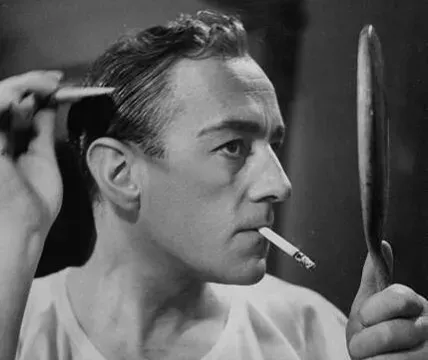
Long before he became known to modern audiences as Obi-Wan Kenobi, Alec Guinness took on eight separate roles in this 1949 British black comedy, all members of the doomed D’Ascoyne family. Each character, from a vicar to an admiral to a suffragette, met a different fate at the hands of the film’s scheming protagonist.
Guinness relied on subtle shifts in makeup and mannerism rather than dramatic transformation, which made the trick easier to miss on a casual viewing. The film is still cited in film schools as one of the earliest and most elegant examples of an actor multiplying himself within a single story.
3. Eddie Murphy in The Nutty Professor

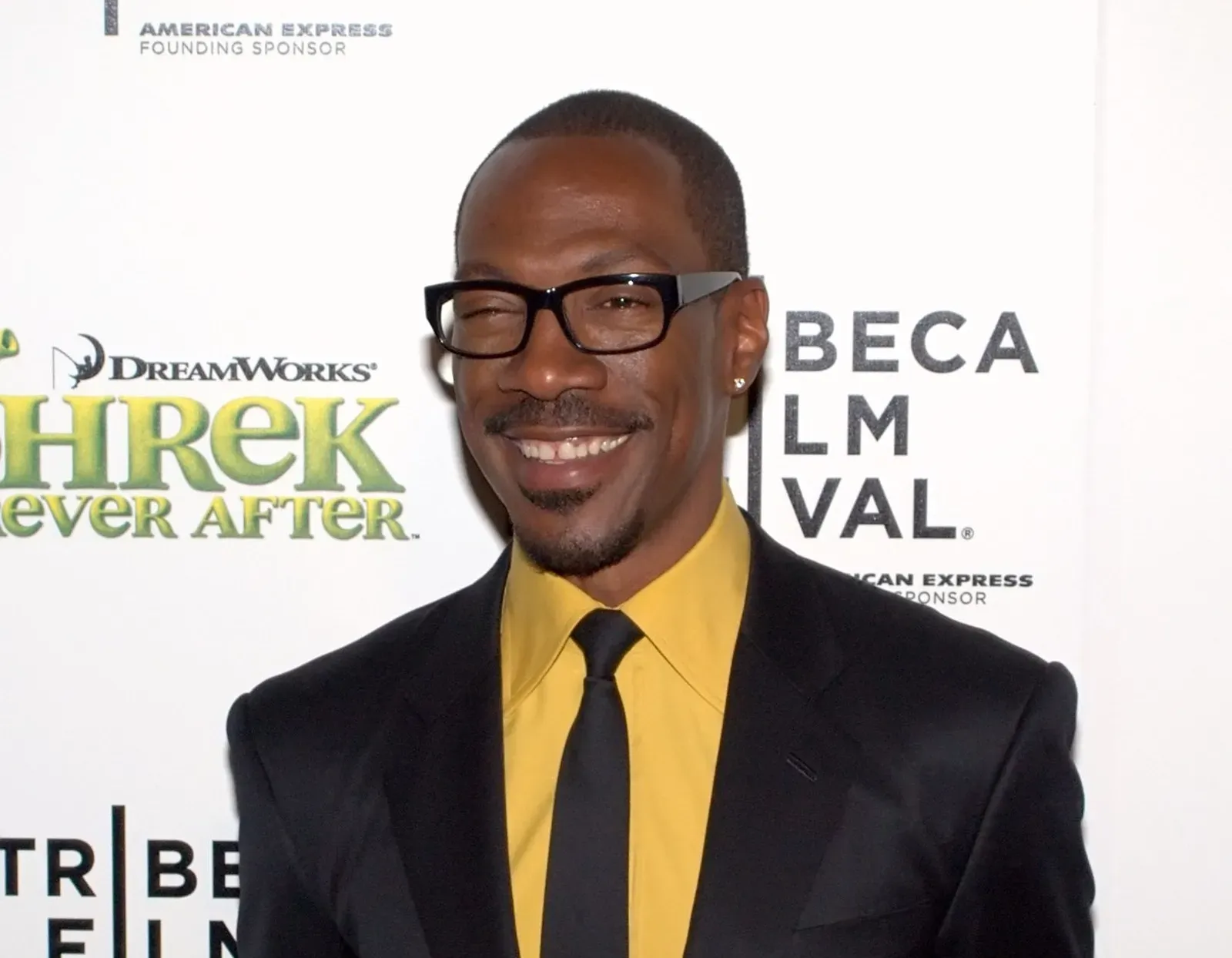
By the mid-1990s, Eddie Murphy had already built a reputation for stacking characters into one movie, but 1996’s The Nutty Professor pushed that habit further than ever. Murphy played a total of seven different characters in the film, including the two leads Professor Sherman Klump and his alter ego Buddy Love, while also contributing five more characters, most of them members of the Klump family.
To pull off scenes where several Klumps sat around the same dinner table, Murphy had to perform each family member’s lines separately so editors could stitch the footage together. The makeup work earned an Academy Award, and the film remains one of the clearest examples of an actor hiding in plain sight, over and over, in a movie he was also headlining.
4. Mike Myers in the Austin Powers Franchise

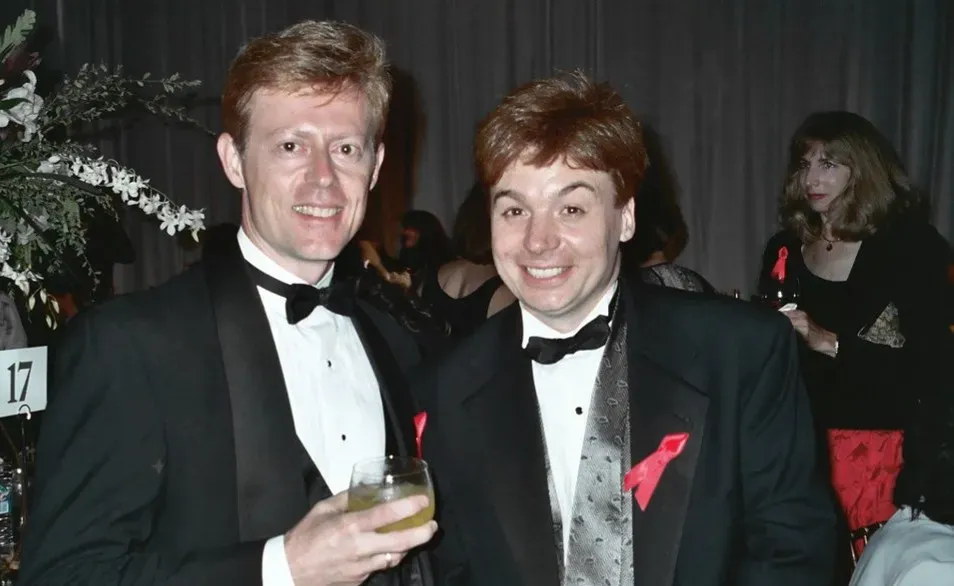
Mike Myers didn’t just star as the swinging British spy Austin Powers, he also disappeared into the role of the spy’s nemesis, Dr. Evil, complete with a shaved head, a Nehru jacket, and a deliberately flattened vocal cadence. Across the trilogy he added even more disguises, playing the crude Scottish mercenary Fat Bastard and the disco-loving villain Goldmember.
Audiences generally knew Myers was behind these characters since the gag was part of the marketing, yet the sheer physical transformation still surprised newcomers seeing the films for the first time. Few actors have managed to make comedic villainy and heroism feel like they belong to two entirely separate performers while never leaving the frame themselves.
5. Tom Hardy in Legend

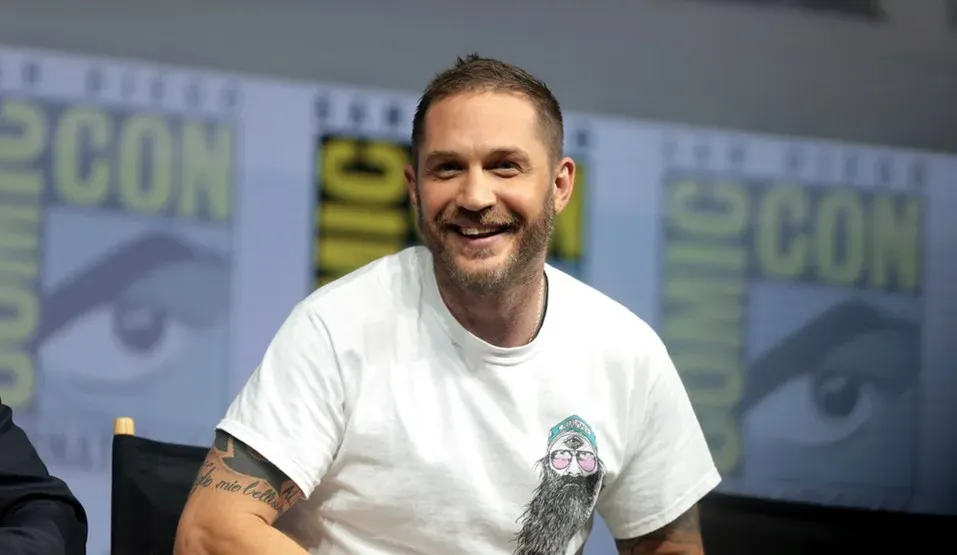
In the 2015 crime drama Legend, Tom Hardy plays Ronnie Kray and Reggie Kray, twin brothers who were key gangsters in London during the 1950s and 60s. Rather than casting two look-alike actors as previous adaptations had done, director Brian Helgeland bet the entire production on Hardy carrying both roles simultaneously.
Making that work on screen required visual effects via split screens and face replacements to help sell the illusion, particularly in a fight scene where the twins physically brawl with each other. Hardy gave each brother a distinct voice and physicality, so the trick reads less like a gimmick and more like watching one man wrestle with his own opposite instincts.
6. Jeremy Irons in Dead Ringers

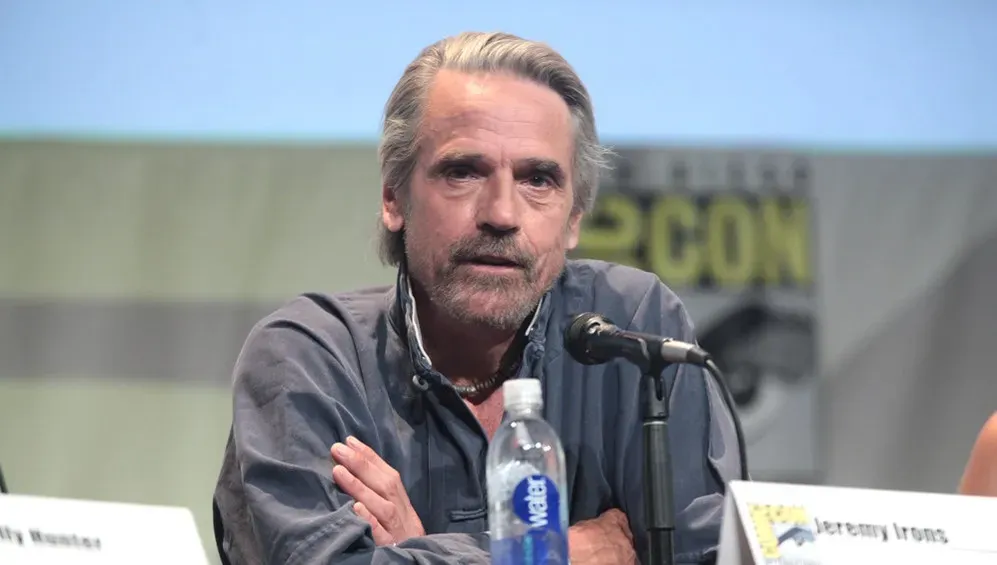
David Cronenberg’s unsettling 1988 psychological drama hinges entirely on Jeremy Irons playing twin gynecologists, Elliot and Beverly Mantle, who share patients, lovers, and eventually a devastating mental unraveling. The plot depends on other characters being unable to reliably tell the brothers apart, which mirrors how carefully Irons distinguishes the two through small shifts in confidence and vulnerability rather than costume tricks.
Because the film never uses obvious visual shorthand to separate the twins, viewers are forced to pay close attention to notice which brother is on screen at any given moment. It remains one of the most acclaimed dual performances in film history, often cited by directors and actors alike as a benchmark for the format.
7. Christian Bale in The Prestige

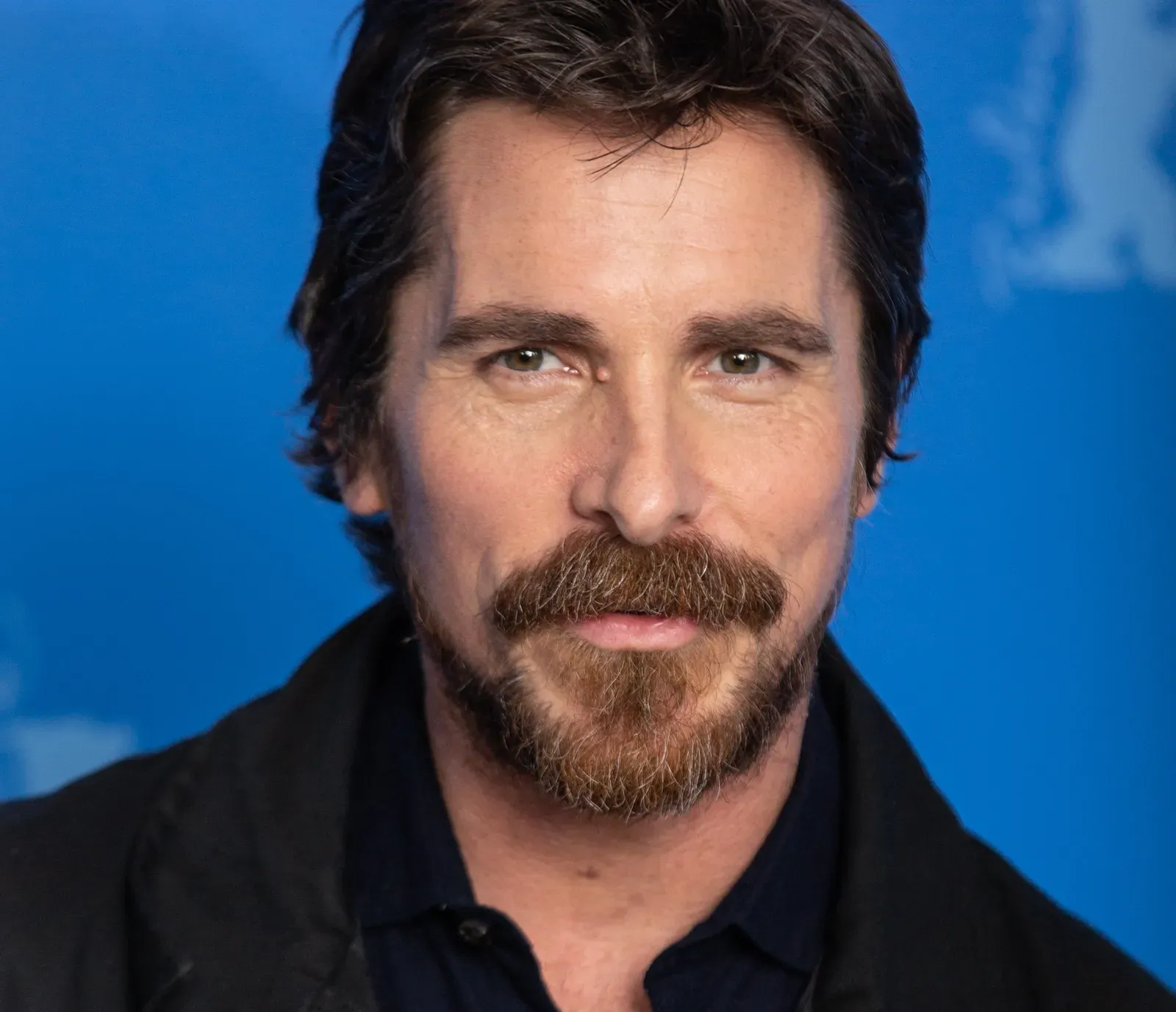
Christopher Nolan’s 2006 film about rival magicians saves its biggest secret for the final act, when it’s revealed that Christian Bale’s character, Alfred Borden, has actually been two people the entire time, identical twin brothers who alternated playing a single stage persona. The credits list only one character name throughout, which means most first-time viewers have no idea they’ve been watching two roles until the twist lands.
The revelation recontextualizes nearly every earlier scene, since small inconsistencies in Borden’s behavior suddenly make sense once you realize which brother was performing. It’s a rare case where an actor’s secret second role is baked directly into the screenplay’s central mystery rather than existing as a separate bit of trivia.
8. Nicolas Cage in Adaptation

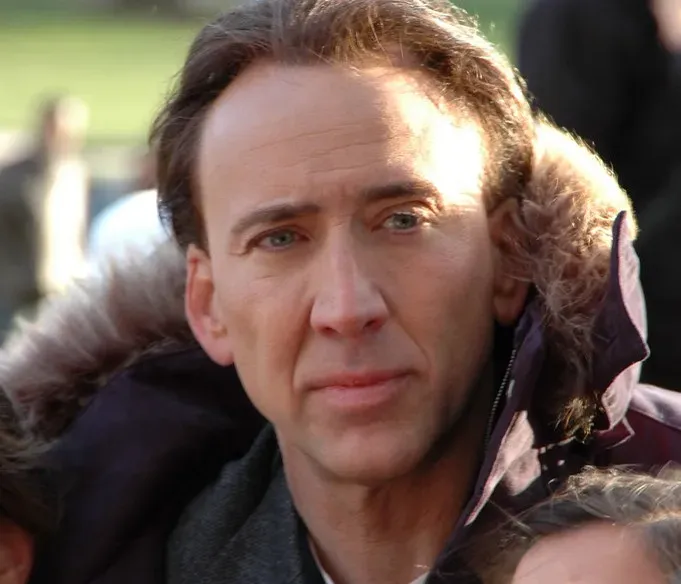
Spike Jonze’s 2002 film casts Nicolas Cage as screenwriter Charlie Kaufman, a fictionalized version of the film’s real writer, alongside Charlie’s invented twin brother Donald Kaufman. Donald is credited as a co-writer on the actual film despite not existing, a joke that extended all the way to a real Academy Award nomination for the screenplay.
Cage plays the anxious, self-doubting Charlie and the breezy, confident Donald with completely different energy, making it easy to forget they’re the same actor when the two brothers argue in the same room. The film uses the dual performance to explore ideas about identity and creative insecurity, giving the trick genuine narrative purpose beyond novelty.
9. Lupita Nyong’o in Us

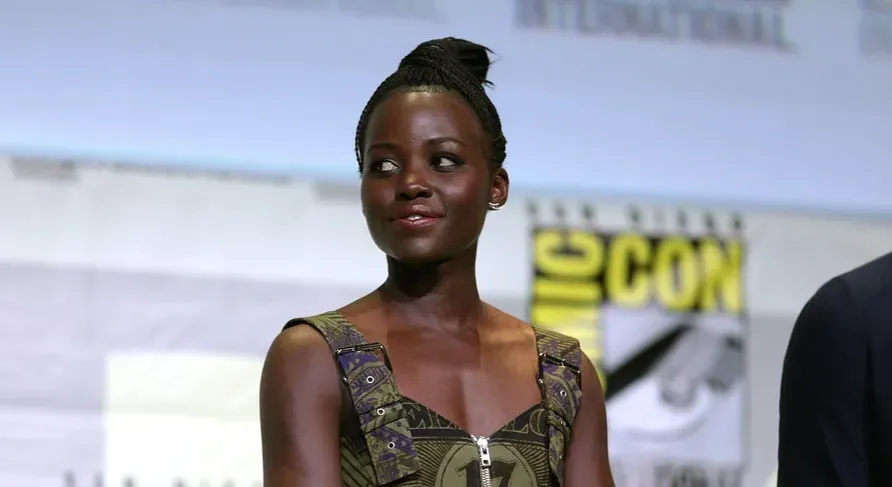
Jordan Peele’s 2019 horror film Us stars Lupita Nyong’o as Adelaide Wilson, a mother defending her family from menacing doppelgangers, including her own double, Red. What audiences don’t learn until the closing minutes is that the identities were swapped decades earlier, meaning Nyong’o has secretly been playing the “wrong” character for most of the runtime.
Her performance shifts subtly once the twist recontextualizes everything, from posture to vocal rasp to the way Adelaide moves through her own home. It’s a rare modern example of an actor secretly inhabiting a hidden role within the same body the entire time, disguised not through makeup but through storytelling itself.