There’s a strange irony in the music industry that many people overlook. We live in an era where artists can fix every mistake, layer hundreds of tracks, and polish their sound until it’s pristine. Yet somehow, many of the records we consider timeless classics were made with equipment that today would seem laughably primitive. Four-track recorders. Analog tape that could only be overdubbed a few times before the sound degraded. Microphones that cost less than a decent dinner out.
What if I told you those limitations weren’t obstacles to overcome but secret ingredients? The constraints of vintage technology forced musicians and producers to make creative decisions that we now recognize as genius. They couldn’t rely on digital perfection, so they had to nail the performance. They couldn’t add endless layers, so every instrument had to count. Let’s dive into how these so-called drawbacks actually shaped some of the most influential recordings in history.
The Beatles Had to Think Like Architects, Not Decorators

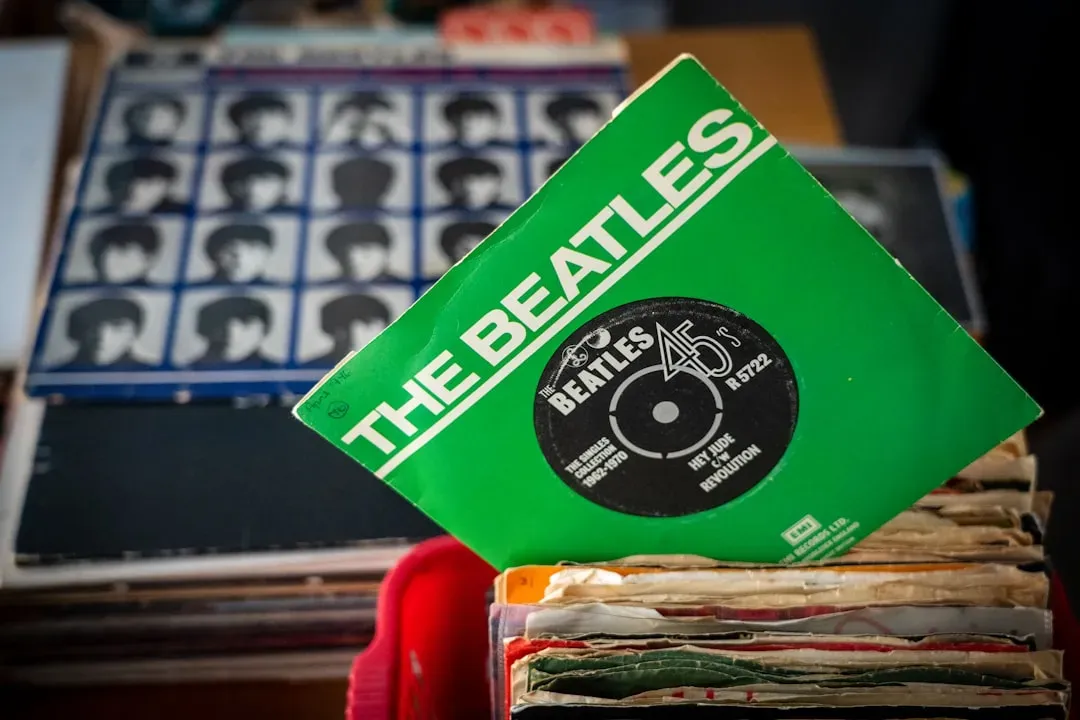
When The Beatles recorded “Sgt. Pepper’s Lonely Hearts Club Band” in 1967, they were working with four-track tape machines. Think about that for a second. Four tracks total. Modern producers routinely work with hundreds of individual tracks, each instrument perfectly isolated and tweakable.
The Fab Four had to bounce tracks down, meaning they’d record on three tracks, then mix those down to one track to free up space for more recording. Every bounce introduced a generation of tape hiss and quality loss. This forced them to be incredibly intentional about every musical choice. They couldn’t just throw everything at the wall to see what stuck.
This limitation created a density and purpose to their arrangements that many modern productions lack. Every horn line, every tambourine shake, every vocal harmony was there because it absolutely needed to be. George Martin and the band became masters of sonic economy, and that discipline gave us some of the most carefully constructed pop songs ever made.
Motown’s One-Room Magic Captured Lightning in a Bottle

The legendary Hitsville U.S.A. studio in Detroit had a tiny recording room where all the musicians played together. There was no isolation, no ability to fix individual instruments later. If the bassist made a mistake, they had to start the whole take over.
This created an urgency and energy that’s nearly impossible to replicate today. The Funk Brothers, Motown’s house band, developed an almost telepathic connection because they had to perform as a unit. Every hit had to be nailed live, together, in real time. Listen to any classic Motown track and you’ll hear that cohesion.
The room itself became part of the sound. The drum kit bled into the bass mic. The guitar amp resonated with the piano. This acoustic crosstalk, which modern engineers would consider a flaw, gave Motown records their signature warmth and cohesiveness. The limitations didn’t just shape the music; they became the sound we fell in love with.
Punk Rock Thrived on Lo-Fi Authenticity


The Ramones recorded their debut album in 1976 for just over six thousand dollars, and the entire thing took about a week. Compare that to modern productions where artists spend months in the studio and budgets soar into six or seven figures.
That bare-bones approach wasn’t just about money. It was about capturing raw energy. The slight imperfections, the room ambience, the unpolished edges all communicated authenticity in a way that slick production never could. When you hear “Blitzkrieg Bop,” you’re hearing four guys in a room playing their hearts out.
The punk movement embraced these limitations as a philosophy. Expensive studios and pristine recordings were tools of the corporate music machine. Cheap gear and quick sessions were democratic, accessible, and real. That ethos influenced entire generations of independent musicians who realized great music didn’t require a massive budget or technical perfection.
Analog Tape Introduced Happy Accidents

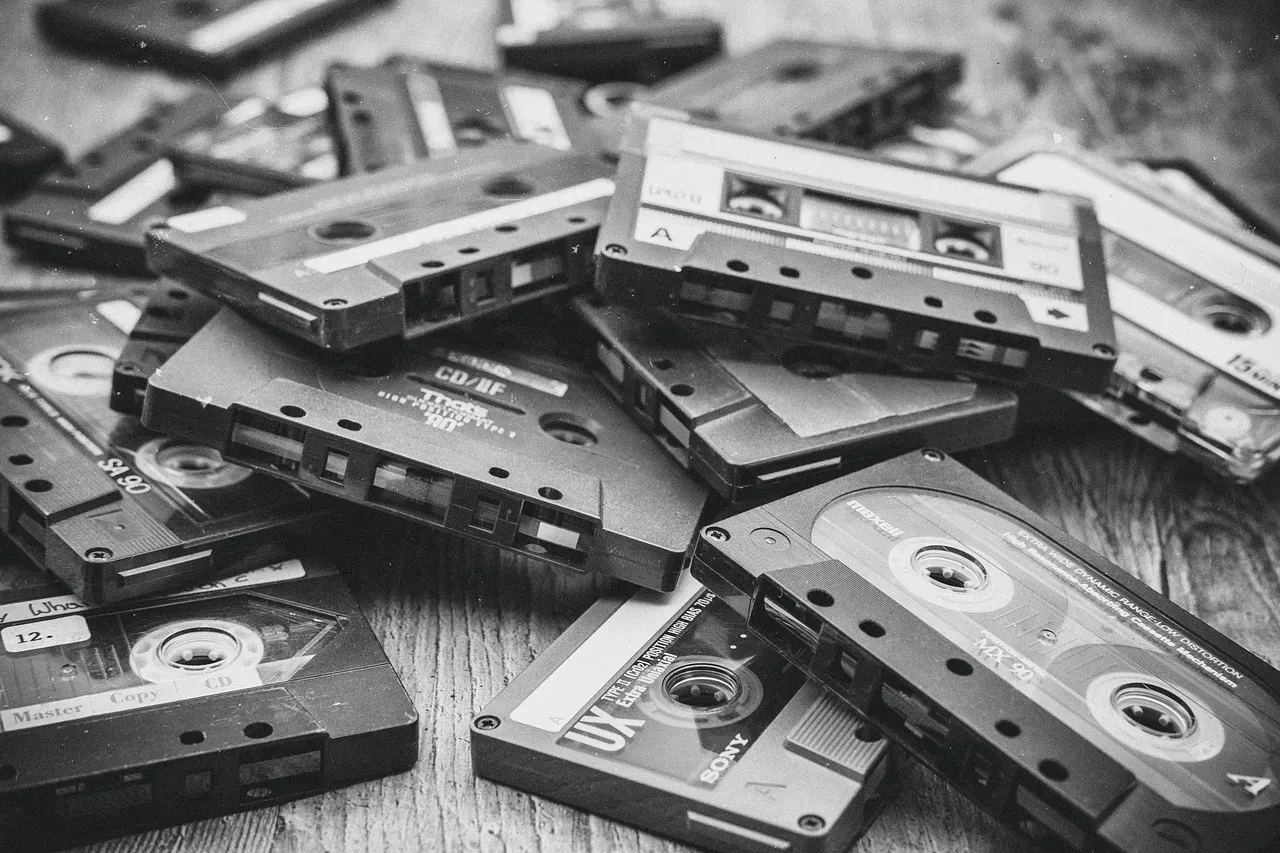
Before digital recording, there was no undo button. If you wanted to try something experimental, you were committing to tape. This sounds terrifying, but it led to some incredible spontaneous moments that became defining features of classic records.
Tape saturation, where you pushed the recording levels too hot, created a warm distortion that engineers now spend thousands of dollars trying to emulate with plugins. Speed variations in tape machines introduced subtle pitch fluctuations that added character. These weren’t intentional effects but byproducts of the medium itself.
Partner offer

Engineers learned to work with these quirks rather than against them. They’d deliberately overload certain instruments to get that thick, compressed sound. They’d use tape delay by creating a loop between the record and playback heads. These techniques arose directly from the limitations of the technology, and they became signature sounds of entire genres.
Limited Tracks Forced Better Performances

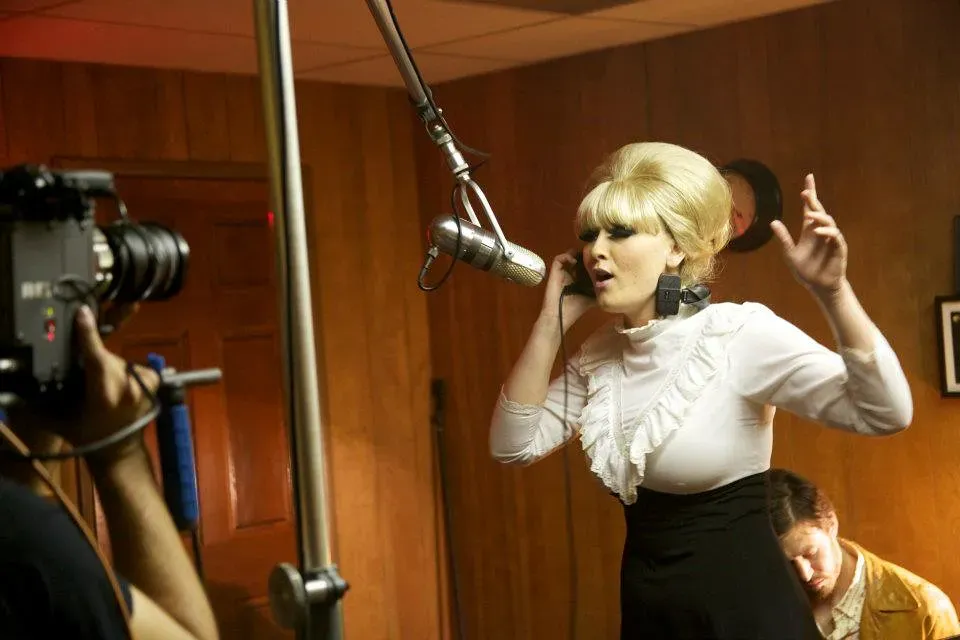
Here’s something modern musicians might find shocking: many classic jazz and blues albums were recorded in one or two takes with no overdubs at all. The entire band played live, and that was the record.
This put immense pressure on the musicians to deliver flawless performances, but it also captured something irreplaceable. The interaction between players, the subtle dynamics of a group performance, the way a drummer might instinctively hold back during a guitar solo – all of this happened organically because it had to.
When Miles Davis recorded “Kind of Blue,” the musicians often played the compositions for the first time in the studio. That freshness and spontaneity comes through in every note. No modern production technique can manufacture that kind of genuine discovery. The limitation of minimal takes actually preserved the magic of the moment.
Mono Mixing Made Every Element Count

Most early rock and roll was mixed in mono, meaning every instrument, every vocal, everything came through a single speaker. Stereo came later, but by then, engineers had mastered the art of creating depth and separation within a single channel.
This constraint forced mixing engineers to become incredibly creative with volume, EQ, and spatial effects like reverb. They couldn’t just pan the guitar to the left and the keyboard to the right. Everything had to occupy its own frequency space and dynamic range within one sonic field.
Listen to early Beach Boys records or Phil Spector’s Wall of Sound productions. Despite being mono, they have remarkable depth and clarity. Every instrument sits exactly where it needs to be. Modern stereo mixing is more forgiving; you can hide mistakes or unclear parts by spreading them across the stereo field. Mono demanded perfection and purpose in every element.
Studio Time Was Expensive, So Preparation Was Everything

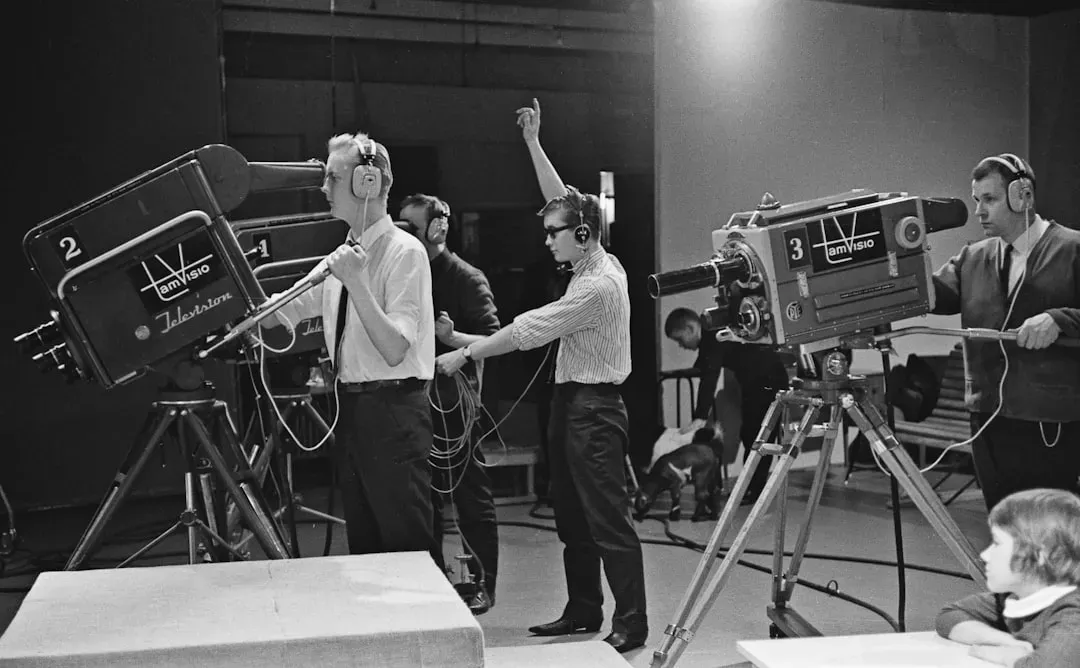
In the 1960s and 70s, studio time cost serious money. Bands couldn’t afford to spend weeks experimenting or writing songs in the studio. They had to show up prepared, arrangements worked out, parts rehearsed.
This economic limitation meant that by the time a band entered the studio, they knew their material inside and out. They’d played the songs dozens of times at rehearsals and live shows. The recordings captured bands at the peak of their tightness and familiarity with the material.
Today, artists often build songs from scratch in the studio, layering parts over programmed drums, trying different arrangements digitally. There’s value in that approach, but it lacks the lived-in quality of a band that’s been playing a song together for months. Those economic constraints actually ensured that captured groups at their most prepared and cohesive.
Conclusion: Constraints Breed Creativity

Looking back at these , a pattern emerges that’s almost paradoxical. The technology that seemed inadequate at the time actually pushed musicians, engineers, and producers to make better creative choices. They couldn’t fix it in the mix, so they had to nail the performance. They couldn’t add endless layers, so every part had to matter. They couldn’t polish away every imperfection, so they embraced the human elements.
Modern technology offers incredible possibilities, but it also makes it easy to overthink, overwork, and over-polish until all the life gets squeezed out. Those vintage limitations acted as creative guardrails that kept the focus on what really mattered: the song, the performance, the emotion. Perhaps the lesson isn’t that old technology was better, but that having some limitations might actually help rather than hinder the creative process. What would today’s music sound like if artists had to work with some of those same constraints? Would we get back to the raw, honest, emotionally direct quality that makes those still sound vital today? Let us know what you think in the comments.
Partner offer
Planning a trip to Vegas?
Compare hotel rates and show tickets on VEGAS.com.