


Hollywood runs on instinct as much as strategy. Every year, actors weigh dozens of offers, and most of the time nobody hears about the ones they pass on. Occasionally, though, the role they said no to becomes the defining performance of someone else’s career – and that’s when the “what ifs” really start to sting.
Some of these decisions made complete sense at the time. Others look baffling in hindsight. What makes these cases so compelling isn’t just the missed opportunity, but the very different ways the actors involved have chosen to process it – with regret, humor, or a carefully crafted peace.
1. Will Smith – Neo in The Matrix (1999)


Will Smith was the first choice for the lead role of Neo in the incredibly successful sci-fi franchise The Matrix. He turned it down because he didn’t understand the movie and knew that he wouldn’t be able to give the role the respect it deserved. Appearing on the “Sway in the Morning” show in 2025, Smith disclosed that he turned down the film because he didn’t understand the Wachowskis’ pitch: “So, we’re going to invent these cameras, right? And what’s going to happen is you’ll be able to jump but, like, freeze. And then the camera goes around while you’re jumping frozen, and then you’ll move again. It’s gonna be crazy,” he recalled being told – before admitting he was busy making Wild Wild West.
Instead of taking the role, Smith went on to star in the action comedy Wild Wild West, while the role of Neo went to Keanu Reeves. Smith later confirmed on The Late Show with Stephen Colbert that he did indeed regret turning down the role. Few decisions in modern film history have been replayed as often in interviews and pop culture discussions.
2. John Travolta – Forrest Gump (1994)
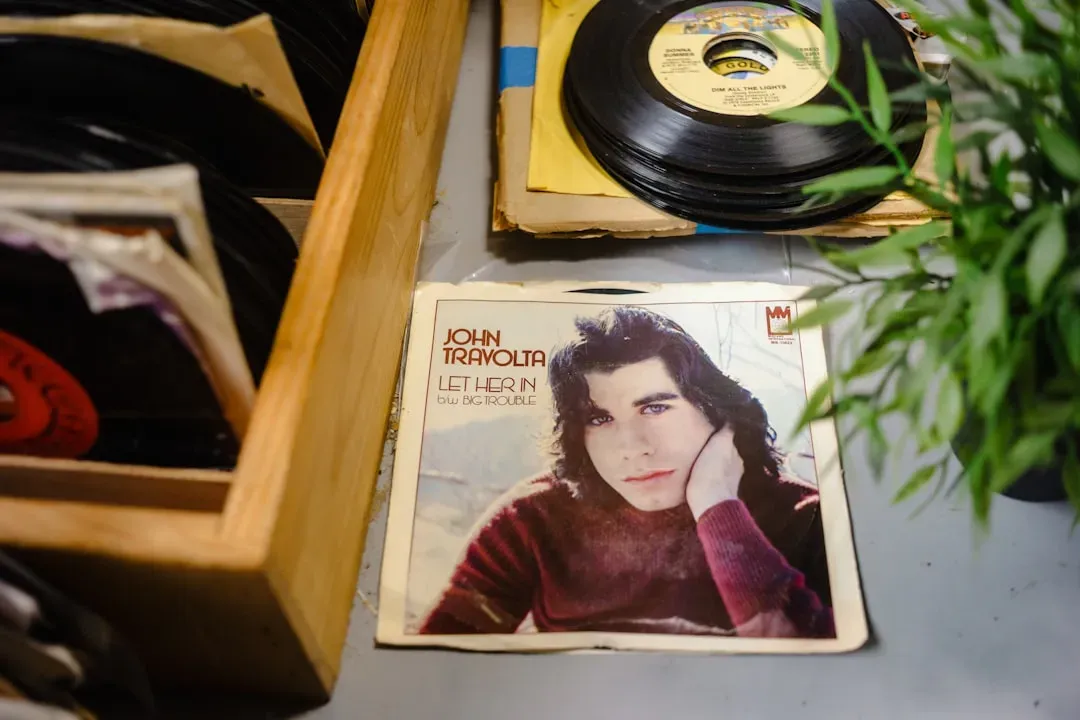
The role of Forrest Gump was written with John Travolta in mind, but he turned it down and later admitted he regretted it. When he was offered the role of Forrest, he turned it down in order to star as Vincent Vega in Pulp Fiction. In fairness, choosing Pulp Fiction wasn’t exactly a disaster – it revived his career in its own right.
Forrest Gump became the highest-grossing film in North America in 1994, making over $677 million while playing in theaters. The film won seven Academy Awards including Best Picture, and Tom Hanks took home the Oscar for Best Actor. Travolta has publicly reflected on it over the years, generally framing it with a degree of equanimity rather than outright anguish – though the sheer scale of what he walked away from is hard to ignore.
3. Sean Connery – Gandalf in The Lord of the Rings Trilogy (2001–2003)

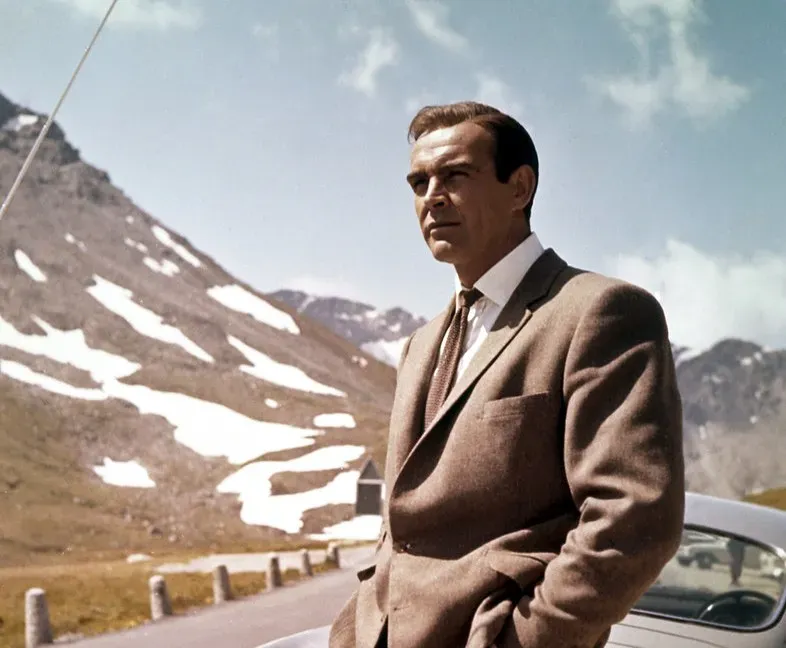
Sean Connery’s decision to turn down the iconic role of Gandalf in The Lord of the Rings trilogy has been a topic of much discussion. One of the primary reasons Connery declined was his reported difficulty in understanding the complex and fantastical nature of J.R.R. Tolkien’s world, and he apparently found the extensive commitment required for the role challenging to grasp. Connery declined because he had never read Tolkien’s novel and simply “didn’t understand the script.”
If Connery had taken the part, he would have earned around $400 million, which would have been more than any other actor had ever been paid for a single role. The Lord of the Rings film series went on to become a massive global success, both critically and commercially, solidifying its place in cinematic history. Connery never publicly expressed deep regret, but the financial dimension alone makes this one of the most extraordinary passes in Hollywood history.
4. Matt Damon – Avatar (2009)

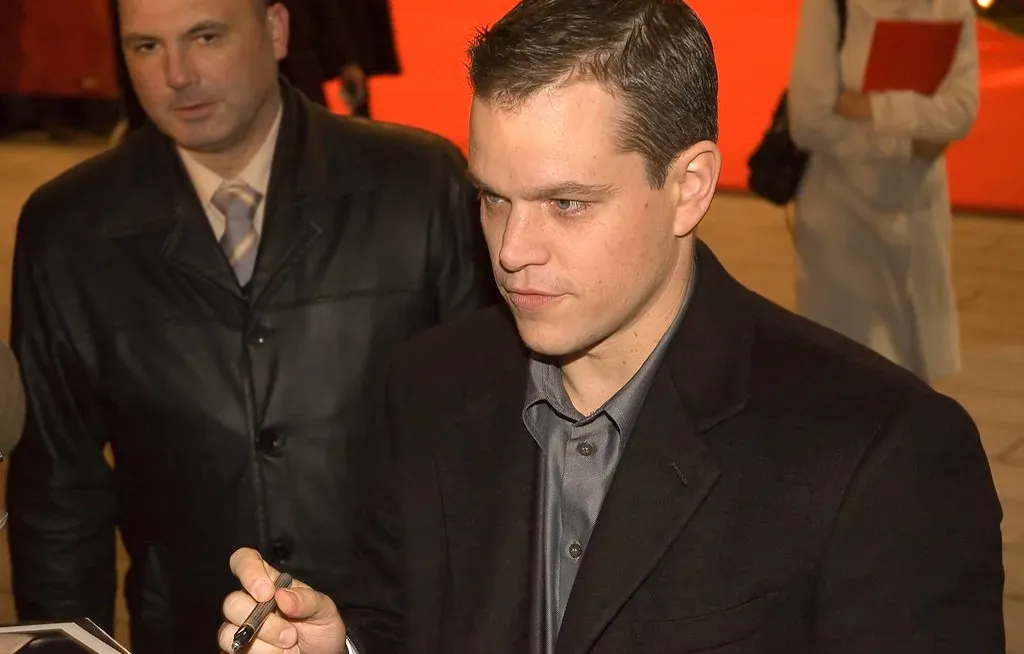
Matt Damon passed up the opportunity to play the lead role in Avatar, now widely regarded as one of the most successful movies in box office history, grossing over $2.3 billion on a production budget of $350–460 million, with Sam Worthington ultimately stepping into the role. What made this particularly painful for Damon was that the offer came with a deal for ten percent of the movie’s profits – more than $200 million lost.
Matt Damon spoke about the decision with ET in 2023, joking that it was “the dumbest thing an actor ever did in the history of acting,” referencing not only turning down the role but rejecting that ten percent box office share as well. To be fair, Damon had committed to The Bourne Ultimatum at the time. Director James Cameron has since stated he is still eager to work with Damon on a future Avatar film, though he implied the ten percent payday may no longer be on the table.
5. Denzel Washington – Detective Mills in Se7en (1995)

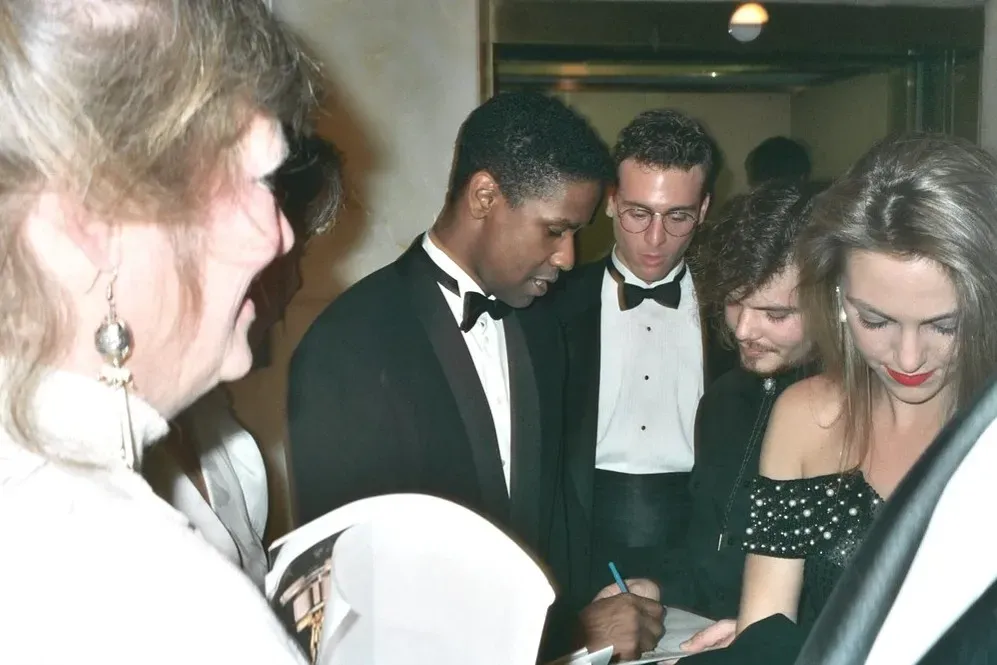
The role of Detective Mills in Se7en was initially offered to Denzel Washington, who passed it up claiming the film was too dark for his liking. A rising star at the time, Washington turned it down due to the disturbing nature of the story and his own apprehensions about working on such a project with an inexperienced director. Speaking at the Toronto Film Festival in 2014, he openly stated his regret and admitted he had misinterpreted the screenplay.
Partner offer

After Washington saw the movie in theatres, he regretted his decision and called it one of the biggest mistakes of his career. The role went to Brad Pitt and helped cement both Pitt’s star power and David Fincher’s reputation as one of Hollywood’s most formidable directors. Washington even commented that Pitt was perfect for the role, and it should have always been his from the outset.
6. Henry Winkler – Danny Zuko in Grease (1978)

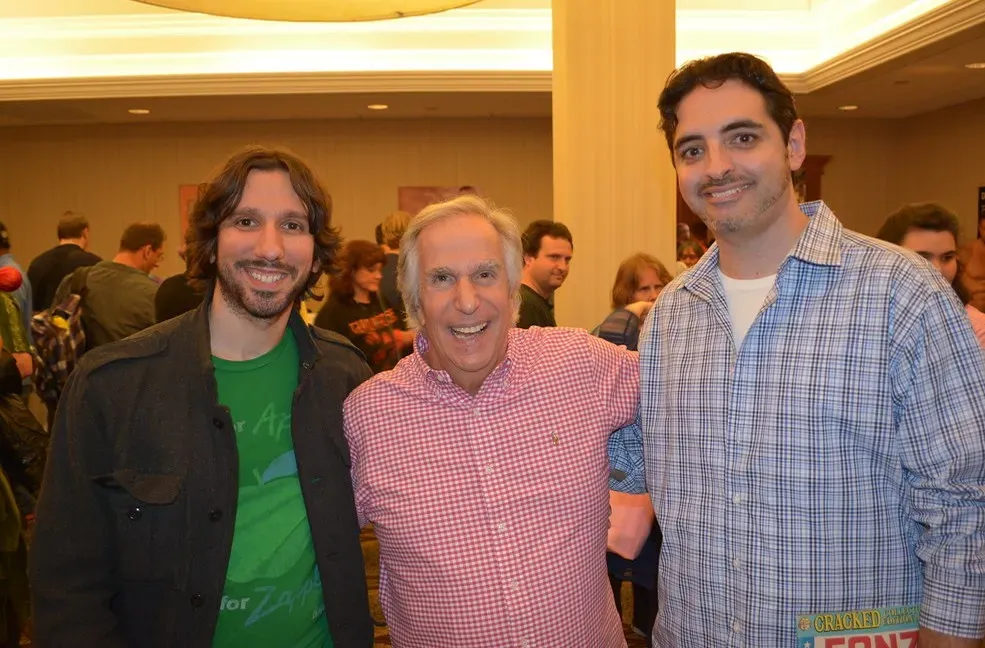
Famous for his portrayal of Arthur “Fonzie” Fonzarelli in the hit 70s sitcom Happy Days, Henry Winkler was one of the first choices to star in the iconic teen musical Grease, but he turned it down as he wanted to avoid being typecast. It was a reasonable concern at the time – being synonymous with one greaser character while being offered another is a genuinely tricky position for any actor to navigate.
The 1978 classic was pivotal in making John Travolta one of the biggest stars of the decade, and the significance of the role is certainly not lost on Winkler. As time passed and Grease evolved into a cultural phenomenon, Winkler began to harbor regrets about his decision. He has since spoken candidly about it, suggesting he wishes he had simply set his career anxieties aside and enjoyed making the film.
7. Burt Reynolds – Garrett Breedlove in Terms of Endearment (1983)

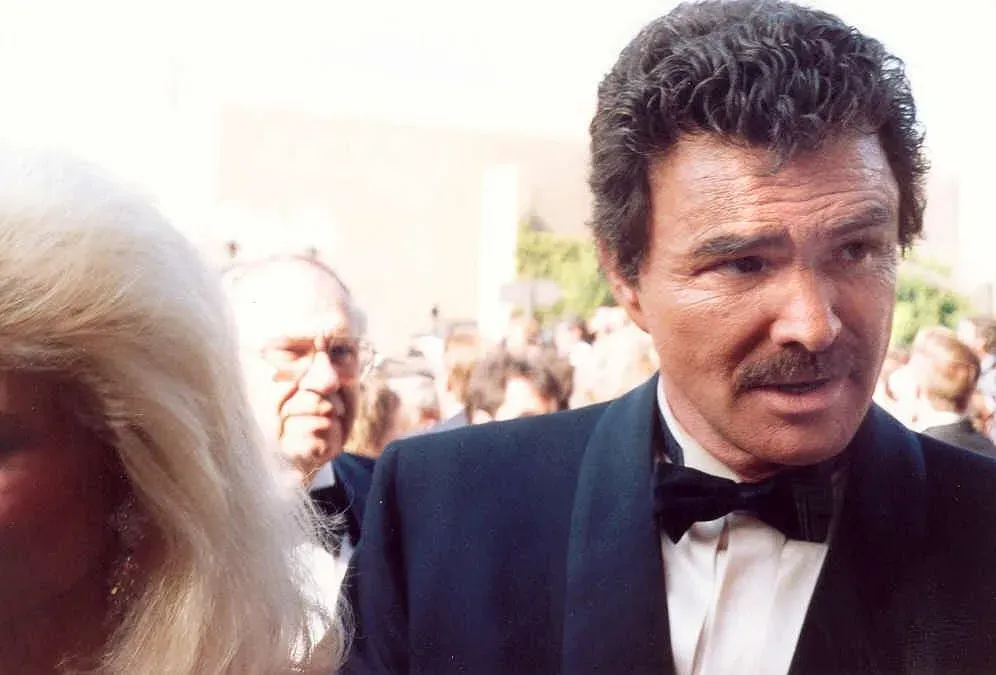
The character Garrett Breedlove in Terms of Endearment was written for Burt Reynolds, but he ended up turning it down. The role then went to Jack Nicholson, who won an Academy Award for Best Supporting Actor. The film was incredibly successful and received praise from critics and audiences alike. This wasn’t just a missed hit – it was a missed Oscar.
Nicholson’s success was deeply painful for Reynolds, who never won an Oscar. Reynolds told Business Insider that it was the acting decision he regrets the most, calling it “a real acting part” that would have been genuinely good for his professional career. Reynolds spent much of his later years revisiting this particular decision. It stands as a stark reminder that sometimes the roles actors dismiss as unimportant are the very ones that change everything.
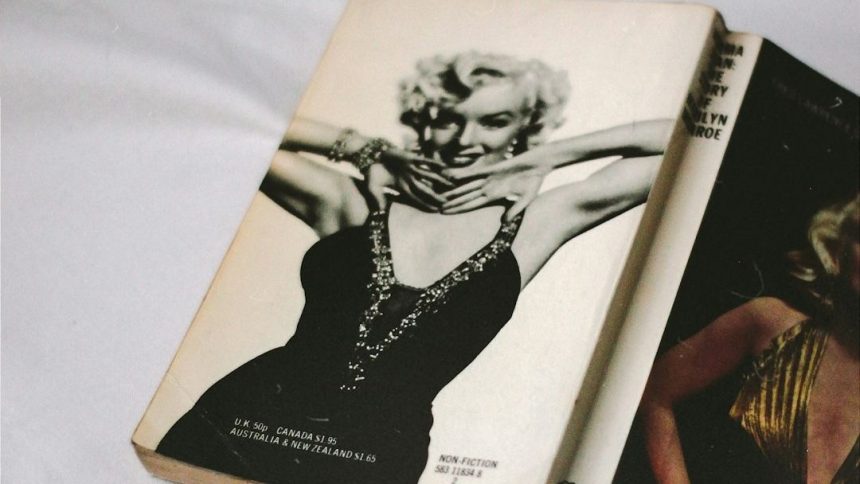
8. Marilyn Monroe – Holly Golightly in Breakfast at Tiffany’s (1961)

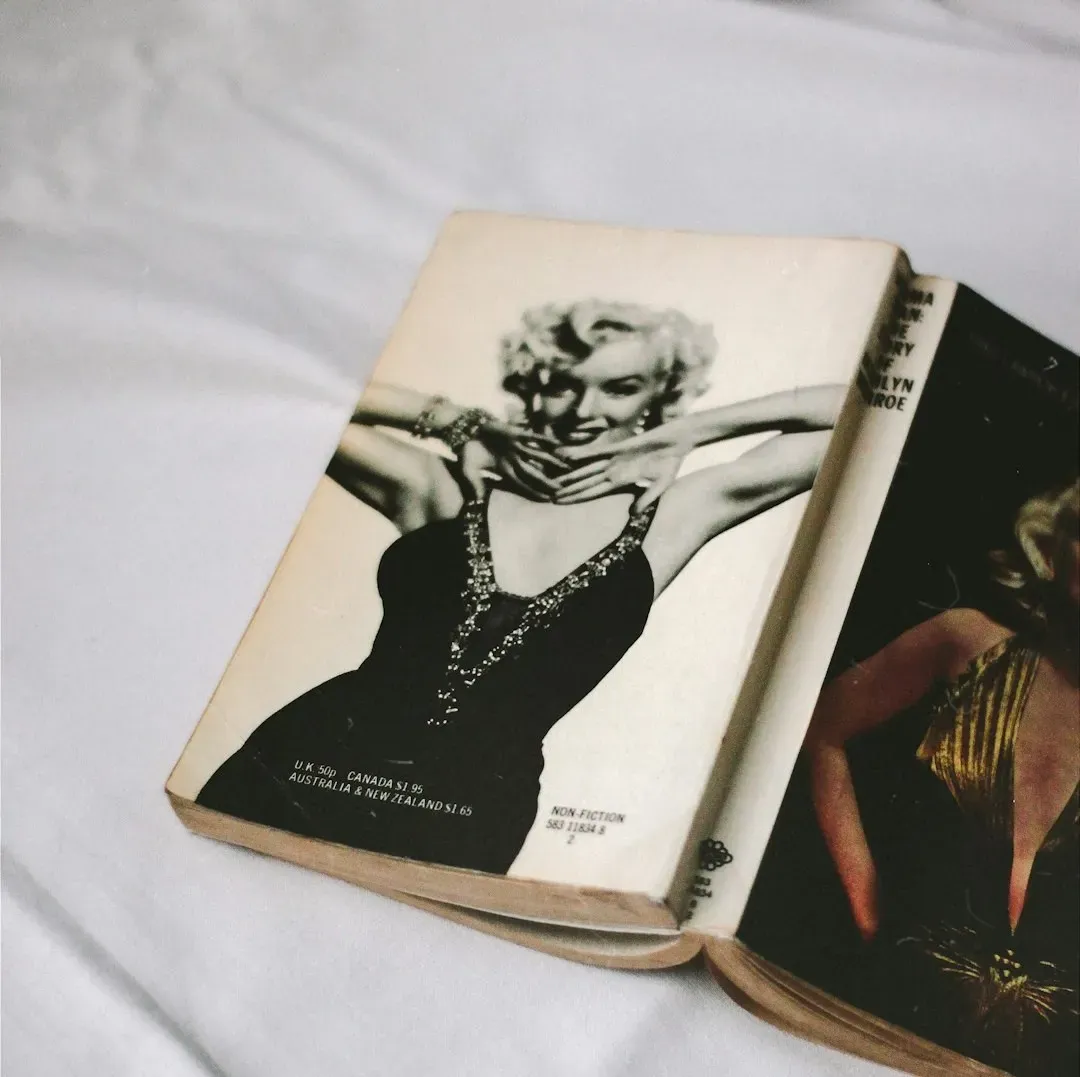
When Truman Capote’s novel Breakfast at Tiffany’s was being adapted into a film, Capote himself suggested that Marilyn Monroe play the lead character Holly. Monroe turned down the offer because she feared that acting like Holly might end up tainting her image. Monroe’s agent also advised her that playing what could be perceived as a “prostitute” would be bad for her image, making the decision feel justified in the moment.
Monroe regretted this decision because the role went to Audrey Hepburn, who became a superstar in what is described as her most iconic and memorable role. Monroe instead made The Misfits, written by her husband Arthur Miller, but the production was a disaster – the conflicts on set reportedly ended Miller and Monroe’s marriage. The contrast between what Hepburn’s career became through that role and what Monroe endured during the same period is as poignant as any Hollywood story gets.
9. Josh Hartnett – Bruce Wayne in Batman Begins (2005)

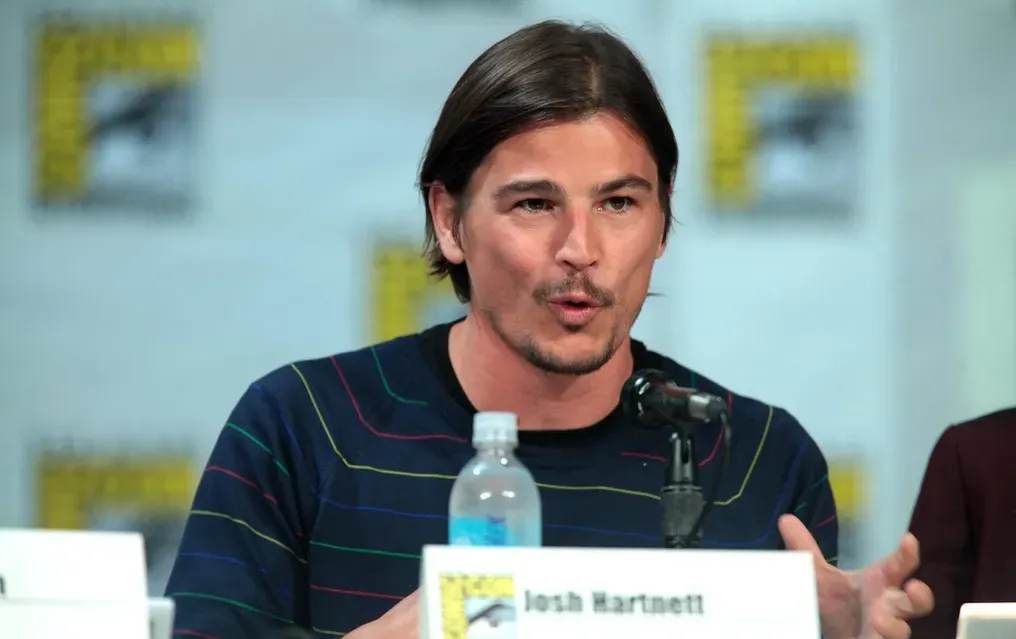
Through the early part of the 2000s, few young actors were as exciting as Josh Hartnett. This popularity put him in position to star in Christopher Nolan’s The Dark Knight Trilogy, with him being one of the main actors pursued to play Bruce Wayne in Batman Begins. However, Hartnett was wary of being pigeonholed and wanted to spend some time away from Hollywood, leading him to decline the offer.
Speaking with The Guardian in 2015, Hartnett conceded the decision was a mistake, one that did have an impact on the prospects of his career – inferring that turning down certain people made him less likely to be hired going forward. The role went to Christian Bale, whose portrayal of Batman became one of the most celebrated in the franchise’s history. Hartnett’s career never hit the heights many predicted for him, and he has been refreshingly honest about the role that particular decision played in that outcome.
What connects all nine of these stories isn’t bad luck or bad timing. It’s the fundamental impossibility of knowing, in the moment a script lands on your desk, which projects will matter ten or twenty years later. Some actors made peace with their choices. Others are still working through it. Either way, these decisions are a quiet reminder that the most consequential moments in a career rarely announce themselves as such.
Partner offer
Planning a trip to Vegas?
Compare hotel rates and show tickets on VEGAS.com.


