


Las Vegas has always been the city where dreams are made, gambled away, and made again before the sun comes up. It’s where legends are born under flashing marquees and showroom stages that smell like whiskey, perfume, and ambition. The Strip has hosted some of the biggest names in music history, from powerhouse vocalists to rock gods, each leaving their mark in revenue and cultural impact. Yet when you dig through the numbers and the nostalgia, something curious emerges. Modern residencies might dominate the earnings charts, but there’s an undeniable truth lingering in the desert air: no one will ever quite capture what Frank, Dean, and Sammy did back when Vegas was still figuring out what it wanted to be.
Let’s be real here. The Sands Hotel’s iconic three-week period in 1960 during the filming of Ocean’s 11 became the birthplace of the Rat Pack legend, as Sinatra, Dean Martin, Davis, Joey Bishop, and Peter Lawford performed nightly in the Copa Room. Those spontaneous, booze-soaked shows weren’t just entertainment. They were cultural moments that redefined what live performance could be. No setlist, no script, just pure charisma bouncing between five men who genuinely enjoyed each other’s company. It’s hard to quantify that kind of magic in dollars, especially when box office tracking wasn’t what it is now.
Today, Vegas is a very different beast. Residencies have evolved into cash-printing machines with production budgets that would make a small nation blush. The stakes are higher, the venues more technologically advanced, and the paychecks? Well, they’re astronomical. Here are ten residencies that shaped the modern Vegas landscape, each extraordinary in its own right, though none quite possessing that Rat Pack swagger.
Frank Sinatra and the Rat Pack: The Blueprint for Vegas Cool

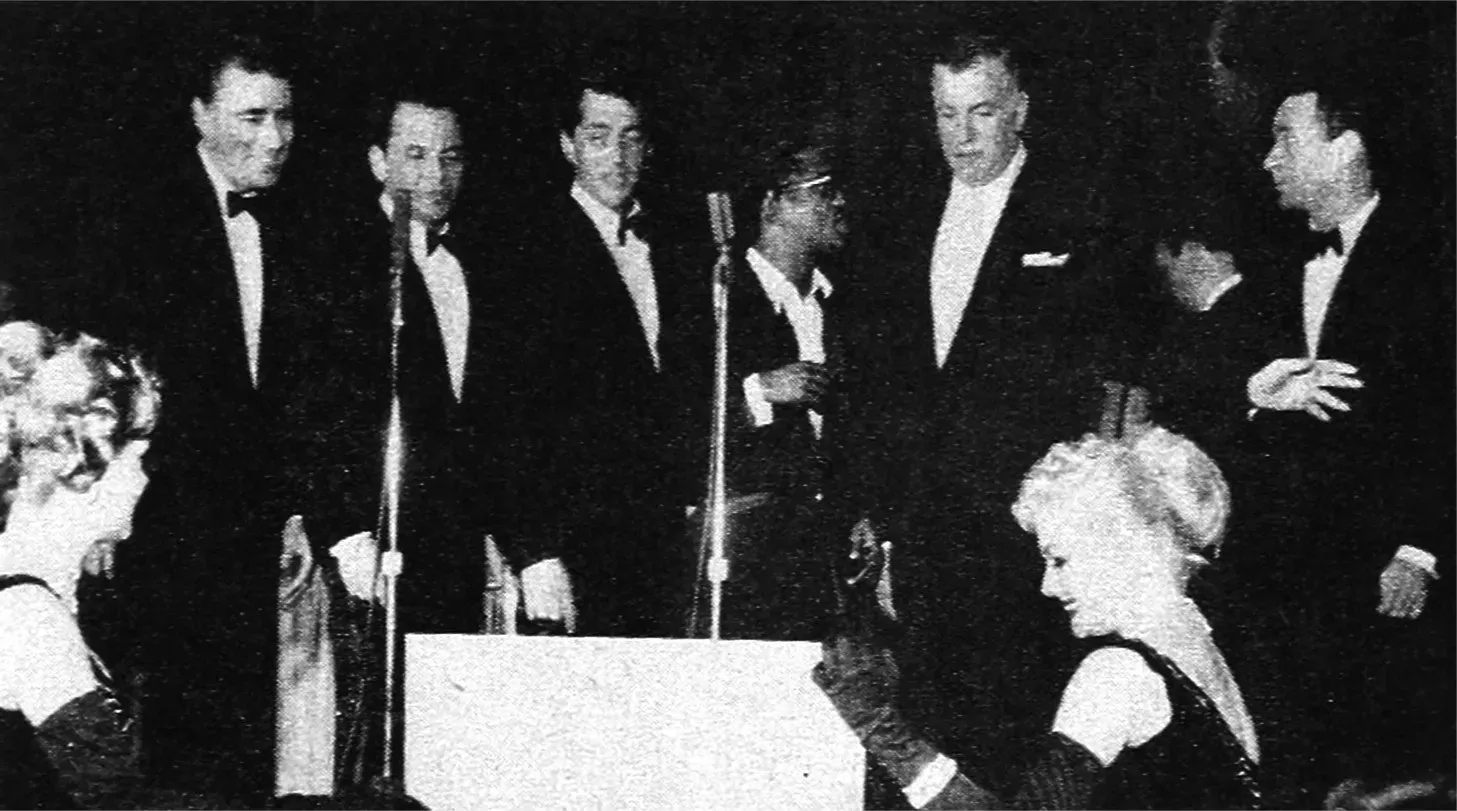
After Frank Sinatra began singing at the Sands’ Copa Room in October 1953, his popularity and dashing style brought explosive glamour and celebrity to the formerly dusty Strip, and by the early 1960s his fellow Rat Packers Dean Martin, Sammy Davis Jr., Peter Lawford, and Joey Bishop had joined him, making the Sands the place to be. There’s a reason people still talk about them today. The men performed in tuxedos, sang, danced, traded insults, smoked, and drank onstage to the delight of standing-room-only audiences, and the nightly shows quickly became legendary for their glamorous and debauched bonhomie.
Here’s the thing about the Rat Pack that sets them apart. They didn’t just perform. They lived the Vegas lifestyle openly, unapologetically, and with a sense of style that made everyone else look like they were trying too hard. The group attracted an avalanche of followers around the world in the early 1960s, and 1960 vaulted both the Rat Pack and Las Vegas into the spotlight as the Entertainment Capital of the World. While we don’t have precise grossing figures from that era, cultural historians agree their presence fundamentally transformed the city’s identity. They made Vegas synonymous with cool, and honestly, that’s worth more than any Billboard chart could measure.
Celine Dion’s “A New Day”: The Residency That Changed Everything

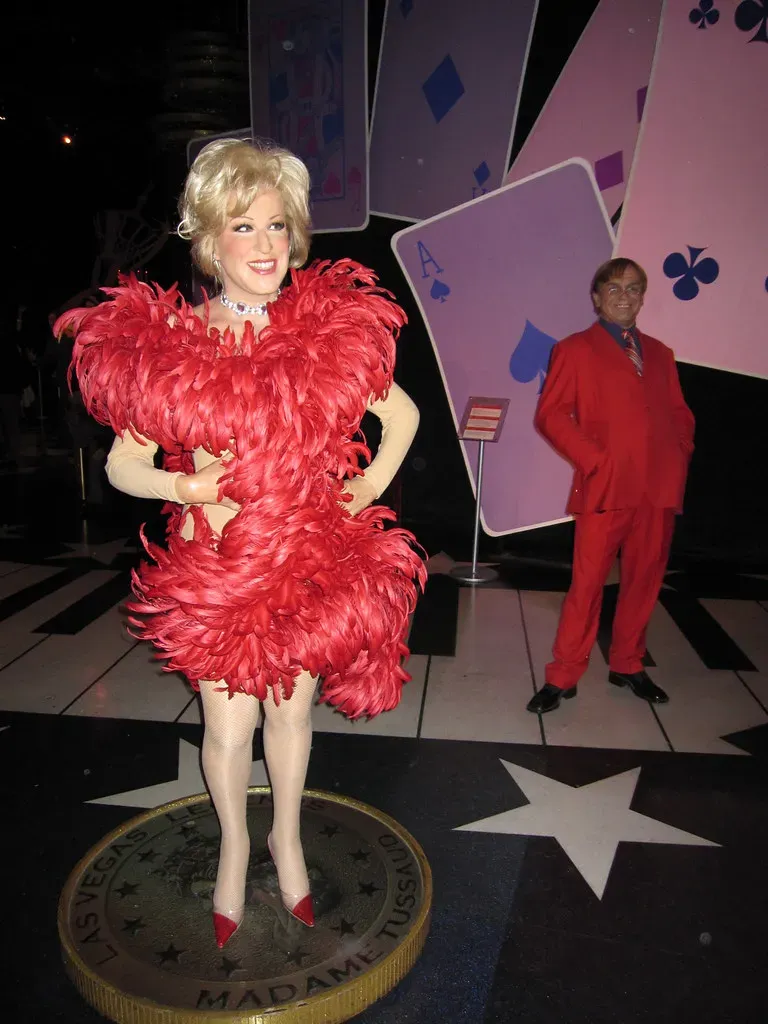
Celine Dion’s “A New Day” residency from 2003 to 2007 at the Colosseum at Caesars Palace was the highest-grossing Las Vegas residency according to Billboard’s Boxscore charts, generating $385.1 million, and her second residency grossed $296.2 million between 2011 and 2019. Those aren’t typos. Those are real numbers that rewrote what a Vegas residency could be financially. Before Celine, the idea of a major global superstar planting roots in Vegas for years at a time seemed almost career-ending. She flipped that narrative completely.
Dion earned her crown as queen of Sin City after performing for millions of fans across 15 years, with “A New Day” premiering in 2003 as both a visual experience and musical masterpiece that became the hottest ticket in town. The Colosseum was literally rebuilt to accommodate her vision. That’s power. Nearly three million people watched Dion perform 717 shows since it opened in March 2003. Her success opened the floodgates for other A-listers to consider Vegas as more than a retirement plan.
U2 at the Sphere: The Future Arrived in 40 Shows

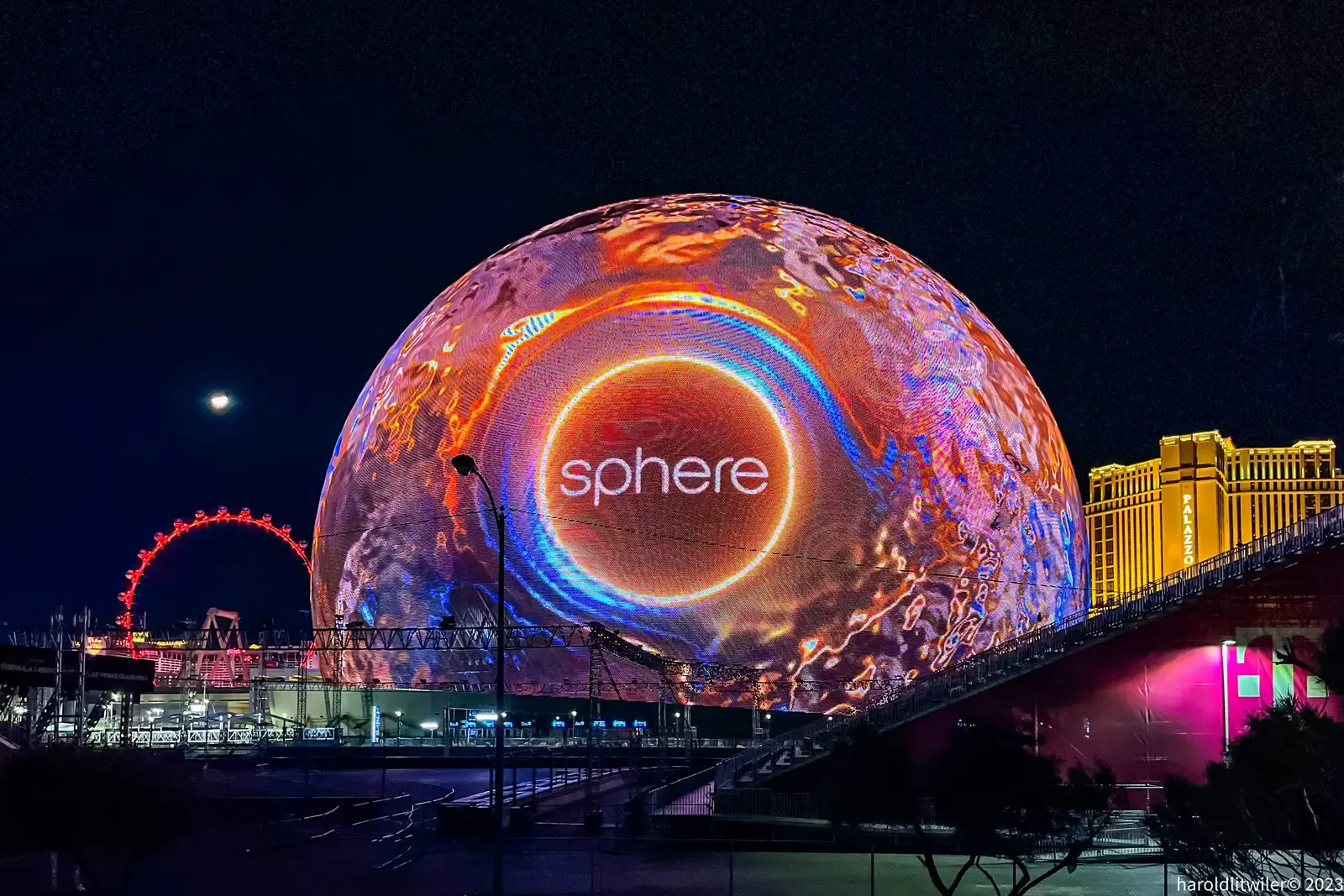
U2’s U2:UV Achtung Baby Live at Sphere grossed $244.5 million from 662,532 tickets sold across just 40 shows, making it the fourth-highest-grossing concert residency of all time. Let that sink in. Forty shows. Not four hundred. Forty. Billboard called U2:UV Achtung Baby Live the fastest grossing residency in Boxscore history.
The Sphere isn’t just a venue. It’s a technological marvel that makes you question whether you’re watching a concert or experiencing some kind of futuristic fever dream. In 2024, Sphere grossed $420.5 million from 1.3 million concert tickets sold, ranking as the top-grossing venue that year and the highest annual gross of any venue in Billboard Boxscore history. U2’s residency proved that modern audiences will pay premium prices for premium experiences. Still, technology can enhance a show, but it can’t manufacture the kind of spontaneous chemistry the Rat Pack had. That’s just lightning in a bottle.
Britney Spears: Pop Royalty Reclaims the Stage

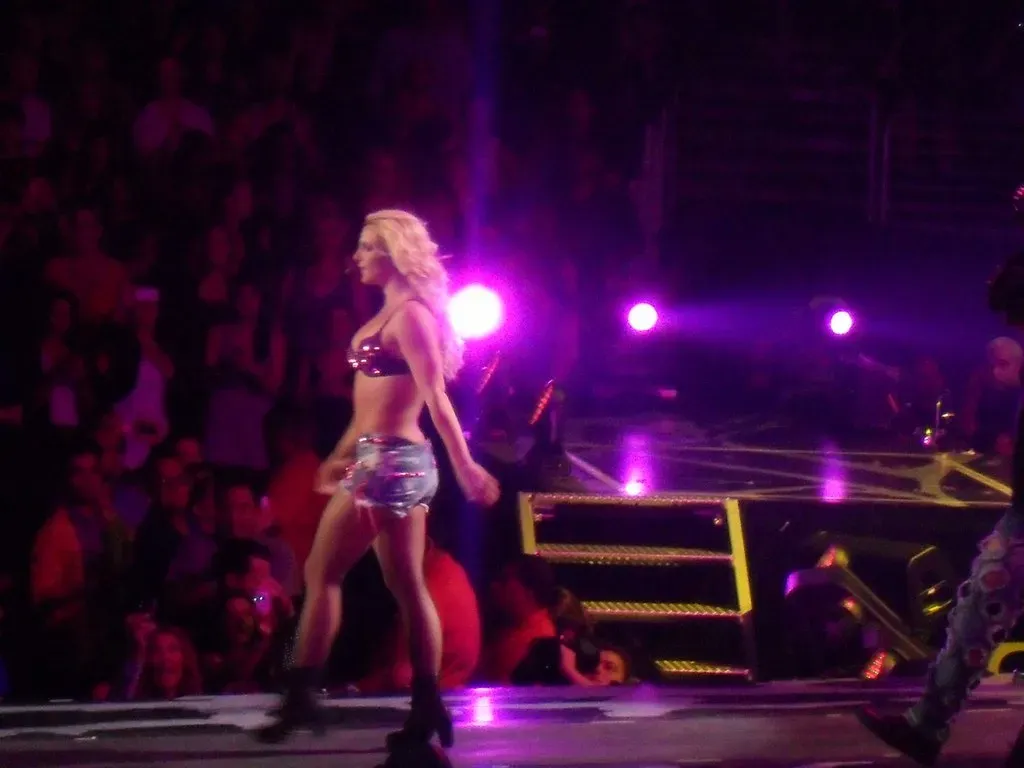
Britney Spears’ well-received residency created a successful comeback for the troubled singer, selling out the AXIS Theater so consistently that its original two-year run was extended multiple times. Her “Britney: Piece of Me” residency from 2013 to 2017 grossed over $137.7 million and proved something important: Vegas wasn’t just for legacy acts anymore. Pop stars in their prime could thrive here too.
Britney brought a younger demographic to the Strip, fans who might not have considered Vegas as a concert destination before. The energy was different, the vibe more contemporary. She danced, she performed, and she reminded everyone why she was a cultural icon in the first place. It was a redemption story played out under the desert lights, and people showed up in droves to witness it.
Lady Gaga’s Dual Residency: Jazz Meets Pop Spectacle

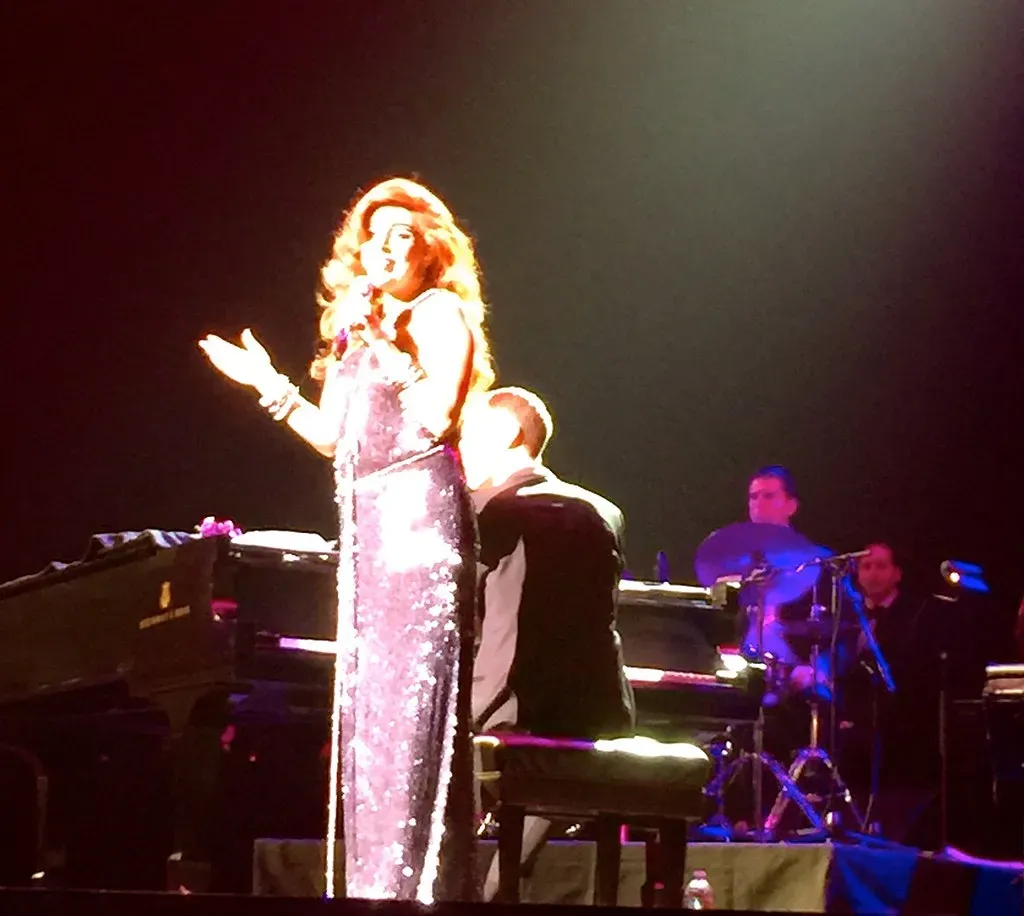
Lady Gaga ranked first in creativity with her unique residency at Dolby Live Theater that alternated between “Enigma,” an arena concert featuring her biggest hits, and “Jazz & Piano,” which offered stripped-down versions alongside covers from the Great American Songbook. She grossed $110 million over 72 shows between 2018 and 2024. Honestly, I think this is one of the most underrated residencies in recent memory.
Gaga proved you could be artistically ambitious and commercially successful simultaneously. One night you’d get full-on theatrical pop chaos, the next a sophisticated jazz set that would make Sinatra nod in approval. It showed range, intelligence, and a deep respect for Vegas tradition while pushing it forward. That’s the kind of creative risk that keeps the city interesting.
Partner offer

Jennifer Lopez: From the Block to the Strip


Jennifer Lopez’s “All I Have” residency grossed more than $101 million from 121 shows when it ended in 2018. Running from 2016 to 2018 at Planet Hollywood, JLo brought Latin pop glamour to Vegas in a major way. Lopez performed 121 shows to nearly half a million people, making her first-ever residency a resounding success with average earnings of $850,000 per show.
She was a powerhouse on that stage, dancing like she had something to prove every single night. The residency marked a milestone not just for her career but for representation. It showed that Vegas could embrace diverse artists and musical styles beyond the traditional Vegas sound. Plus, the woman is nearly 50 and moves like she’s 25. That alone is worth the ticket price.
Bruno Mars: The Modern Showman

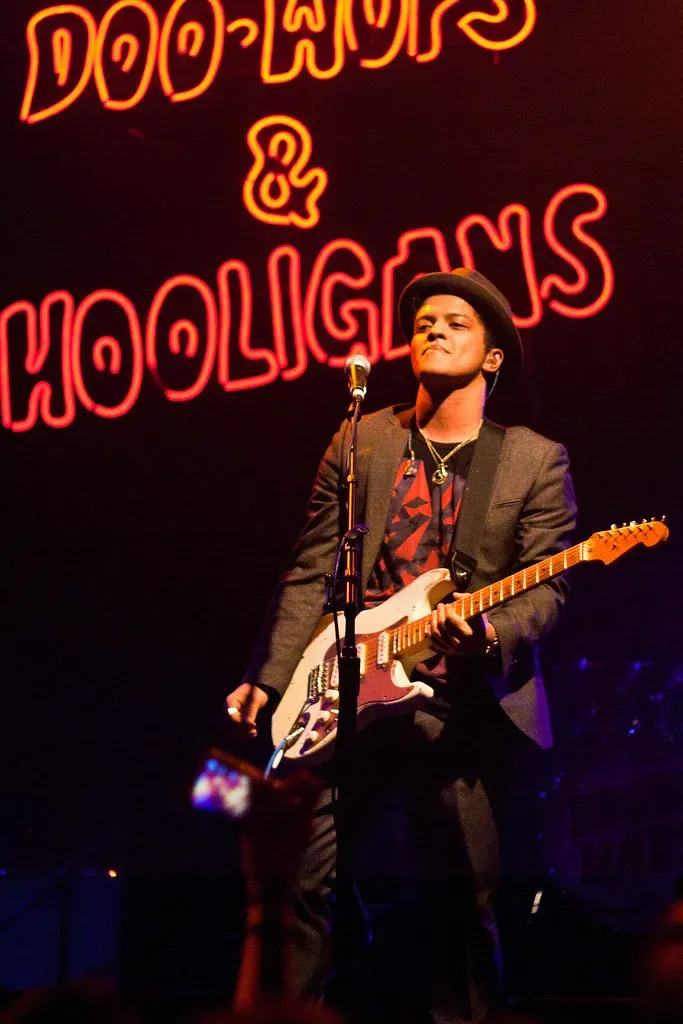
As of December 2025, Mars’ 108 shows in Las Vegas generated revenue of $190,802,206 and sold 563,678 tickets. Bruno Mars might be the closest thing we have to a modern Rat Pack member. Las Vegas Magazine noted that Mars is the closest connection we have to the days of the Rat Pack, famous not only for music but the after-hours shenanigans at clubs into the wee hours.
His shows at Park MGM feel timeless in a way few modern acts manage to achieve. The man can sing, dance, play instruments, and he clearly loves performing. Mike Weatherford from Las Vegas Review-Journal said, “If the casinos could genetically engineer the perfect entertainment machine, Mars is it,” and John Katsilometes called his performance extraordinary and classic. There’s an effortless quality to his stage presence that recalls the old Vegas greats, and he’s been smart enough to make Vegas his home base rather than just another tour stop.
Elton John’s “Red Piano”: A Rock Legend Settles In

Elton John’s first Vegas residency, directed and designed by David La Chapelle, was originally scheduled for 75 shows over three years but was extended several times due to popular demand, ultimately earning $166.4 million from 247 shows. Sir Elton brought rock credibility to the residency format when it still needed legitimizing. This was 2004, remember, when Vegas residencies were still considered a bit of a career endpoint.
The production was spectacular without being gimmicky. Just Elton, his piano, a killer band, and decades of hits that practically everyone in the audience knew by heart. He proved a rock star didn’t have to compromise artistic integrity to succeed in Vegas. You could still be yourself, just with better lighting and more comfortable seating for your audience.
Adele’s “Weekends With Adele”: Emotional Powerhouse

Neither Live Nation, Adele, nor Caesars Entertainment reported official figures to Billboard on this massive residency which ended in 2024, but it’s estimated at roughly $200 million from approximately 420,000 ticket sales for 100 shows. Adele’s residency was something special, though the exact numbers remain somewhat mysterious. What we know for certain is that tickets were nearly impossible to get and the emotional intensity she brought to that Colosseum stage was remarkable.
Pop star Adele’s Vegas residency since 2022 is set to become one of the highest-grossing residencies of all time once all shows were performed. She cried, she laughed, she told stories, and she sang like her life depended on every note. It felt intimate despite the venue size. That’s a rare gift, and it’s why people paid premium prices for the experience.
Why the Rat Pack Still Reigns Supreme

So we’ve covered the big earners, the record breakers, the technological marvels. The numbers are staggering and the productions incredible. Yet here’s what modern residencies, for all their polish and profitability, can’t quite replicate: genuine spontaneity and cultural moment creation. The Rat Pack was the original collaboration to go viral, filming Ocean’s 11 by day and performing in the Copa Room at the Sands Hotel by night.
They didn’t have social media, elaborate stage designs, or million-dollar marketing campaigns. What they had was chemistry, charisma, and an ability to make everyone in that room feel like they were witnessing something unrepeatable. Before rock and roll hit the scene, the five together made magic from jazz, honky tonk, and blues, and brought an electricity to entertainment never equaled. The Rat Pack didn’t just perform in Vegas. They defined what Vegas meant culturally for generations.
Modern artists are more talented musicians, better vocalists, more disciplined performers. Their shows are tighter, their production values higher. That’s all true. Yet something ineffable was lost when Vegas became so professionalized. The Rat Pack era represented a time when Vegas still had rough edges, when anything could happen on that stage, when the fourth wall didn’t just break but never really existed in the first place.
What do you think? Can anyone ever truly capture that Rat Pack magic again, or are we just chasing ghosts in the desert? Drop your thoughts in the comments below.
Partner offer
Planning a trip to Vegas?
Compare hotel rates and show tickets on VEGAS.com.


