Hollywood loves a big swing. Every few years a studio bets everything on a single film, convinced that scale alone will guarantee a payoff. Sometimes that bet works out fine. Other times the film becomes the reason the studio’s name disappears from the marquee altogether, and the story behind that collapse is usually far messier than the box office numbers alone suggest. What follows are nine cases where an ambitious production did not just lose money. It took the entire company down with it, or came close enough that the damage proved permanent.
Heaven’s Gate (1980) and the fall of United Artists

Michael Cimino’s sprawling Western is the film most people picture when they hear the phrase “studio killer.” United Artists had permitted Cimino to make a 44 million dollar film when the average cost of a film had been 12.5 million dollars, and Cimino had gone big while the studio paid the price. The film’s disastrous opening led to a swift and painful response. After pulling the film from theaters, the studio re-edited it, cutting the run time down from 219 minutes to 149 minutes, but the film could not be saved.
The popular version of events, that one movie single handedly bankrupted a major studio, is actually a bit of an oversimplification. The truth is that the studio was on shaky ground years before Cimino’s film flopped, and several of UA’s top executives had been butting heads with parent company Transamerica before quitting in 1978 to create Orion Pictures. Still, the timing was brutal, and United Artists recorded a major loss for the year due almost entirely to this fiasco, and Transamerica then sold United Artists to Metro-Goldwyn-Mayer, which effectively ended the studio’s independent existence.
Cleopatra (1963) and the near ruin of 20th Century Fox

Long before superhero movies made 200 million dollar budgets routine, Cleopatra proved that ancient Egypt could bleed a studio dry just as effectively. As the budget escalated, the studio almost went bankrupt, selling off nearly 300 acres of its backlot to stay in business. The production’s chaos became legendary in its own right. The film had two directors, with Rouben Mamoulian directing the initial, ultimately scrapped, London shoot before Joseph L. Mankiewicz replaced him and oversaw the significantly larger and more expensive production in Rome.
What makes the story unusual is that Cleopatra was not actually a flop in the traditional sense. It was the highest grossing movie of 1963, yet it made around 57.8 million dollars during its theatrical release against a production budget of 44 million dollars, meaning it barely broke even. That thin margin, combined with the sheer scale of the spending, still left the studio in crisis. 20th Century Fox was forced to sell 260 acres of its Los Angeles based backlot, land that would eventually become the office and shopping complex known as Century City.
Cutthroat Island (1995) and the sinking of Carolco Pictures

Few flops carry the statistical infamy of this pirate adventure. The film cost upwards of 115 million dollars, yet earned a humiliating 18.5 million dollars worldwide, effectively torpedoing its studio, Carolco Pictures. Carolco had built its name on genuine hits, and its troubles were already deep before the cameras rolled. By 1995, Carolco Pictures was on the verge of financial ruin, and despite thriving throughout much of the eighties and early nineties with the Rambo franchise and hits including Total Recall, Terminator 2, and Basic Instinct, the company found itself in debt and in desperate need of another hit to avoid bankruptcy.
The ending arrived before audiences even had the chance to reject the film. Carolco scrambled for cash, securing an extra 40 million dollars from European banks just to finish the film, but by November 1995 the studio filed for bankruptcy before the movie even hit theaters. By the time it opened, the outcome was almost a formality. Cutthroat Island did not just sink at theaters, it pulled Carolco Pictures under and dented the trajectory of its star, Geena Davis.
Raise the Titanic (1980) and the end of ITC Entertainment

Sir Lew Grade built an entertainment empire on television before betting a fortune on a film about resurrecting the world’s most famous shipwreck, a choice that in hindsight looks almost too fitting. The film received mixed reviews and proved to be a failure at the box office, grossing about 7 million dollars against an estimated 35 million dollar budget. Grade’s own reaction to the disaster became one of the most quoted lines in film flop history. He later remarked that “it would be cheaper to lower the Atlantic.”
The joke masked a genuine business catastrophe. This 40 million dollar film about resurrecting the world’s most famous disaster proved an ironic choice for Lord Lew Grade, as its colossal flop at the box office proved to be the sinking of Grade’s ITC production company. The damage rippled outward from there. The film’s failure also contributed to the collapse of Grade and EMI’s film divisions, with the remaining backlog of releases eventually sold to Universal.
Masters of the Universe and Superman IV (1987), the twin blows that finished Cannon Films

Cannon Films had spent the eighties churning out cheap, profitable genre movies before deciding it wanted to compete with the majors. That ambition produced two big budget disasters released within weeks of each other. Combined with the failure of Superman IV: The Quest for Peace, Masters of the Universe contributed to Cannon’s financial collapse. The behind the scenes reality was even shakier than the finished films suggested, since Golan and Globus simply took the budget for Superman IV and cut it in half, spreading that money around to other films so Masters of the Universe could finish filming, leaving Superman IV with less money than even that film had.
Partner offer
Neither film had a chance to recoup its costs. Despite carrying a reported 22 million dollar production budget, Masters of the Universe earned only around 17 million dollars domestically, turning the project into a major financial disaster for Cannon Films. The company never really recovered from the one two punch. Cannon Pictures continued distributing films until its bankruptcy in 1994, following a long running string of critical and commercial flops including Superman IV and Masters of the Universe.
Cimarron (1931) and the early troubles of RKO Radio Pictures

Long before anyone spoke of tentpoles or franchises, RKO poured an unusually large sum into a sweeping frontier epic meant to showcase the studio’s ambitions during Hollywood’s early sound era. Cimarron went on to win Best Picture at the Academy Awards, a rare honor for a Western at the time, but its lavish sets and sprawling scope meant it never recouped its cost at a box office already shrinking under the weight of the Great Depression. The prestige could not offset the balance sheet, and the loss arrived at the worst possible moment for a studio that was simultaneously overextended from an aggressive theater buying spree.
RKO limped through the following years in a fragile state, eventually sliding into receivership by 1933 as debts from theater construction, radio ventures, and costly productions like Cimarron piled up together. The studio would eventually reorganize and survive for decades afterward, but the early thirties period stands as a clear example of how critical acclaim offers no protection against a film that simply costs more than the market can bear. It remains one of the earliest instances of a single expensive production dragging a major studio to the edge of collapse.
Inchon (1981) and the collapse of One Way Productions
Few films have ever been as strange a business proposition as this Korean War epic, financed largely through the Unification Church and its leader Reverend Sun Myung Moon, with distribution handled by MGM. The budget reportedly climbed past 40 million dollars, an enormous sum for the era, yet the film grossed only a small fraction of that when it finally reached theaters. Reviews were savage, and the production’s backers found themselves absorbing a loss so severe that the venture never attempted another feature on that scale again.
Inchon has since become a fixture on lists of the biggest box office failures in film history, frequently cited alongside other legendary bombs for the sheer gap between its cost and its return. The production company behind it effectively vanished from the film business afterward, a quiet ending for what had been intended as a prestige showcase for its financiers. It remains a cautionary example of what happens when passion and unlimited funding replace commercial judgment.
Town and Country (2001) and the strain on New Line Cinema
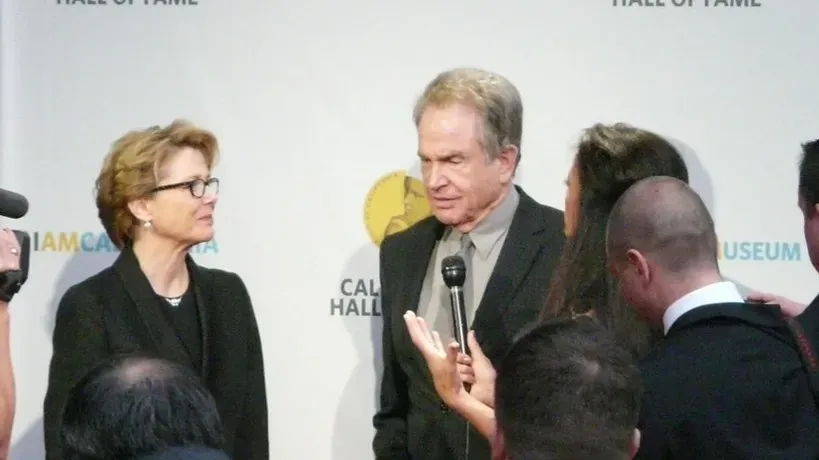
What began as a modestly budgeted relationship comedy starring Warren Beatty spiraled into one of the more embarrassing cost overruns of its era, with the budget eventually swelling past 90 million dollars after repeated reshoots and script rewrites. The film opened to a fraction of that figure domestically, becoming a punchline in industry coverage for years afterward. New Line Cinema, known for the success of franchises like The Lord of the Rings around the same period, absorbed a loss that stood out even against the studio’s bigger wins.
The film did not sink New Line on its own, but it became a symbol of the reckless spending that eventually contributed to the studio losing its independent identity. New Line was folded into Warner Bros as an in house label in 2008, ending decades of operating as a standalone company. Town and Country is remembered less for its content than for how thoroughly its cost to gross ratio embarrassed the executives who greenlit it.
Pinocchio and Fantasia (1940) and the financial crisis at Walt Disney Productions

It seems strange now that two films considered animation masterpieces once threatened to sink the studio that made them, but the timing could not have been worse. Both Pinocchio and Fantasia carried unusually high production costs for their era, and both were released just as the outbreak of war in Europe cut off a large share of Disney’s overseas box office revenue. The studio had counted on those international markets to help recoup its investment, and without them the losses piled up quickly.
The financial strain forced Walt Disney Productions to go public in order to raise capital, and cost cutting measures that followed contributed directly to the animators’ strike of 1941, a labor dispute that reshaped the studio’s internal culture for years. The company survived, largely thanks to wartime government contracts that kept the lights on, but the early 1940s remain one of the closest calls in Disney’s long history. It is a reminder that even films now regarded as classics were once viewed internally as near catastrophes.
The pattern across all nine stories is remarkably consistent. A studio convinces itself that scale guarantees success, spending grows faster than anyone is willing to admit out loud, and by the time the film reaches theaters there is no longer any room for error. Audiences either stay away or arrive too late to matter, and the studio’s fate is sealed long before the reviews come in. What makes these cases endure in Hollywood memory is not just the size of the losses, but how avoidable most of them looked in hindsight.Partner offer
Planning a trip to Vegas?
Compare hotel rates and show tickets on VEGAS.com.