


There’s a strange discomfort that comes with revisiting a film you once loved, only to find yourself shifting in your seat within the first twenty minutes. Cinema is always a product of its time, capturing the attitudes, blind spots, and social norms of the era in which it was made. That’s part of what makes film history so fascinating, but it’s also what makes certain “classics” so difficult to watch today.
Some of the movies on this list were controversial even on release. Others coasted on charm and cultural momentum for decades before audiences took a harder look. Either way, they all share one thing: the gap between their reputation and their actual content has never been wider.
1. Breakfast at Tiffany’s (1961)

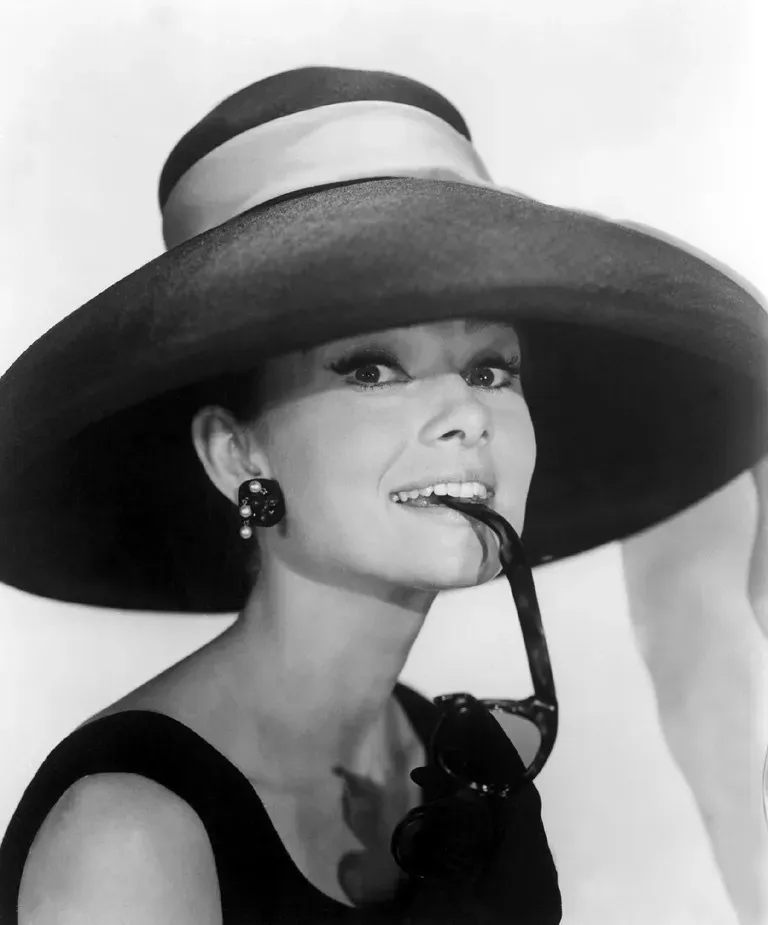
Blake Edwards’ Breakfast at Tiffany’s is often viewed as a classic of American cinema, remembered for the sweet love story between Holly Golightly and Paul Varjak. Audrey Hepburn’s performance remains iconic, and the film’s style is undeniable. The problem arrives the moment Mickey Rooney appears on screen.
Many have singled out Rooney’s blatantly racist portrayal of Mr. Yunioshi as the film’s biggest flaw. In one of the most notorious yellowface depictions on film, Rooney, a white man, had his eyes taped, wore buck teeth and used an exaggerated accent to deliver his lines. The condemnation of Mr. Yunioshi is not a recent revelation, as even when it was released, many viewers, including critics from The Hollywood Reporter, noted the offensive nature of the character.
2. Gone with the Wind (1939)


1939’s Gone With the Wind is America’s highest-grossing film ever, adjusted for inflation, but its depiction of Black people as cheerfully dumb and eternally grateful to white people was bad when it was first released and hasn’t improved since. The film swept the Academy Awards and was celebrated as a monumental achievement in Hollywood filmmaking. Its cultural footprint has always been enormous.
The main issue modern viewers have with this movie is that it celebrates the Confederacy, romanticizes slavery, and promotes racism, making it one of the classic movies that didn’t age well. The NAACP even organized protests and pickets of the movie upon release. When producer David O. Selznick acquired the rights to the book, he received countless letters from activists warning him that Gone With the Wind was not only full of harmful stereotypes of African Americans but that its softened depiction of slavery and white supremacy could lead to major problems.
3. The Birth of a Nation (1915)

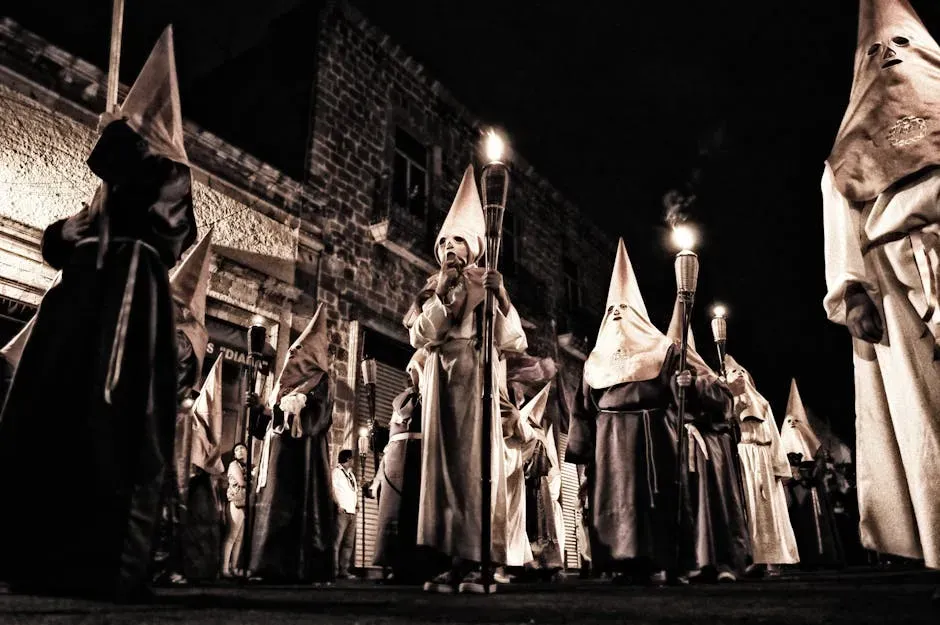
The Birth of a Nation is one of cinema’s earliest full-length features, but it also glorifies the Ku Klux Klan and demonizes Black Americans in ways that are shockingly vile even by 1915 standards. Film historians acknowledge its technical innovations while grappling with the fact that it is also one of the most morally reprehensible films ever made.
D.W. Griffith’s explicitly racist work of Ku Klux Klan propaganda, The Birth of a Nation, appeared alongside Gone With the Wind on the American Film Institute’s 100th anniversary list of the “100 greatest movies,” as picked by a jury of 1,500 film creators, critics and academics. The NAACP protested The Birth of a Nation when it first hit theaters in 1915. Its heroic portrayal of the Klan, hateful view of Black people, and warped worldview alone is enough to make it one of the worst movies ever made.
4. Sixteen Candles (1984)

John Hughes built a career crafting movies that felt deeply relatable to an entire generation of teenagers. Sixteen Candles was one of his earliest successes, and for a long time it was treated as a charming coming-of-age story. Revisiting it now is a genuinely uncomfortable experience.
Sixteen Candles has no shortage of questionable content. From the racist portrayal of the foreign exchange student Long Duk Dong to the sexist undertones and behaviors to the problematic scenes of date rape, Sixteen Candles makes for an uncomfortable viewing experience that feels outdated at best and horrifying at worst. Jake, tired of his girlfriend Caroline and pursuing Sam, gets the latter’s panties from Ted and, in exchange, gives a drunken Caroline to him, telling him he can do whatever he wants with her.
5. Grease (1978)

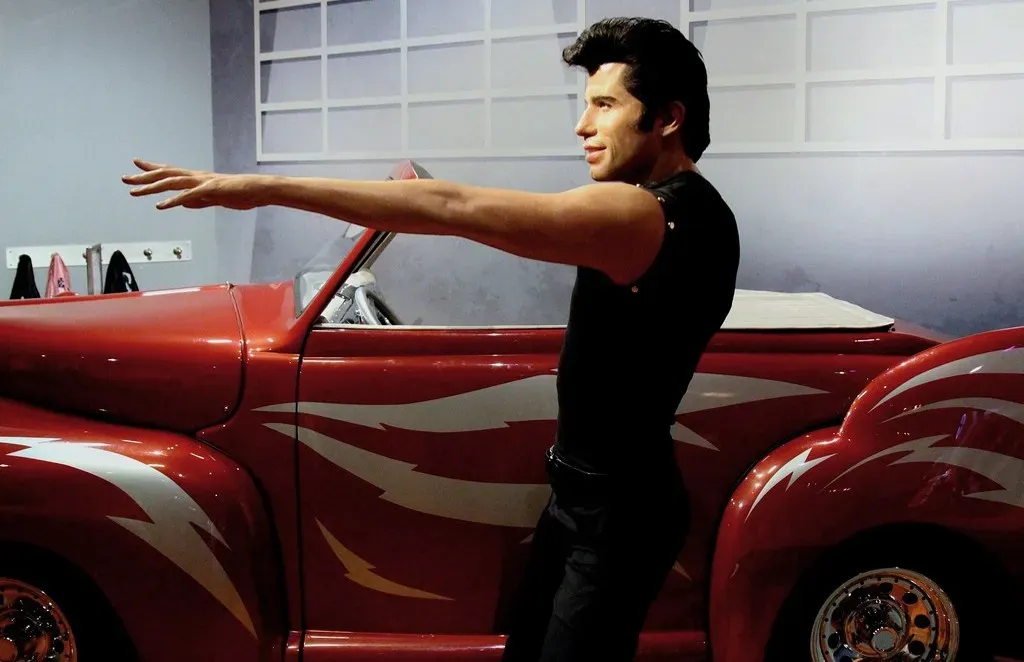
We all know the songs, the slicked-back hair, and the sudden flying car ending, but Grease is a teen musical that hasn’t exactly aged like fine wine. John Travolta and Olivia Newton-John ooze charm, but rewatching the film reveals a surprising amount of problematic messaging. For decades, the movie was treated as a harmless, toe-tapping piece of nostalgia. The closer you look, the harder that becomes to sustain.
Grease has different references to sexual assault in songs and conversations, and there’s one scene where Danny tries to force himself on Sandy. Another element that hasn’t aged well is Sandy’s transformation at the end of the movie. Many have criticized this moment as Sandy completely changes to get back with Danny – after he almost assaulted her in the car – which has been seen as a terrible example of her search for validation and acceptance.
6. Revenge of the Nerds (1984)

At first glance, Revenge of the Nerds looks like a goofy underdog story: brainy misfits take on frat boy bullies and win. The premise sounds harmless enough. The actual execution, though, is something else entirely, and the cast and crew have since acknowledged as much.
Revenge of the Nerds features multiple creepy scenes. The sequence in which the character Lewis pretends to be Stan to have a sexual encounter with Betty has been widely criticized for seemingly playing rape by deception for laughs. Years later, the film’s director and writer expressed distaste for the scene and regretted including it. The titular nerds also engage in acts of sexual misconduct by installing surveillance cameras to spy on naked sorority girls, as well as shockingly selling images of their fellow naked students.
7. The Breakfast Club (1985)

An 80s cult classic, The Breakfast Club became a poster movie for an entire generation of teenagers. However, like with many films made around 40 years ago, the cinematic aspirations of them don’t always measure up to the present. The film is often cited as a masterclass in character writing, and it’s easy to see why it left such a deep impression at the time.
Allison’s makeover is considered one of the worst aspects of the story, where she goes from an authentic and unconventional girl to a conventionally attractive girl to fit the standards of society. Another reason the movie is hard to enjoy today is the way Bender treats Claire, abusing her in every way possible throughout the entire movie. To make things worse, they end up together at the end, which romanticizes the idea of assault in romantic relationships.
8. Dances with Wolves (1991)

The 1991 multi-Academy Award-winning film directed by Kevin Costner would not fly in today’s cinematic landscape, and rightfully so, with the film displaying some problematic representations of Native Americans. Criticised by Native American leaders for being a story that once again bolstered the “white saviour” narrative, the film merely comes across as an ignorant and patriotically arrogant film. It won Best Picture over Martin Scorsese’s Goodfellas, a decision that still provokes debate.
It’s a typical white savior narrative that had been seen many times before in Westerns, only this time the movie trades the tall cowboy for a Union soldier and Native Americans as subjects in need of a white protagonist’s guidance and protection. The film presents its Indigenous characters with a surface-level reverence that ultimately still centers the white man’s experience as the most important story to tell. That framing has grown harder to ignore with each passing year.
9. Shallow Hal (2001)

Shallow Hal, starring Gwyneth Paltrow and Jack Black, was a hit in 2001. However, many aspects of this movie have not aged well. The storyline follows a guy who will only date women based on their physical appearance, which is quite shallow. The film’s premise was sold as a feel-good story about inner beauty, which made its actual content all the more jarring.
Hal proceeds to date a woman with a fuller figure, which cues lots of demeaning and degrading scenes and remarks about people’s bodies. Shallow Hal is among the 21st-century comedies that have aged terribly, presenting shocking stereotypes and problematic attitudes. The crux of the joke relies entirely on the audience finding a larger body inherently funny, which is precisely the kind of humor that audiences today recognize immediately as mean-spirited rather than heartwarming.
None of these films become worthless simply because they don’t hold up under modern scrutiny. They remain cultural artifacts, reflecting what audiences accepted, celebrated, and sometimes protested at various points in history. Watching them with clear eyes, rather than through a nostalgic filter, is probably the most honest thing a viewer can do.


