There is something quietly remarkable about opening a jar of honey and realizing that Cleopatra might have done the exact same thing thousands of years ago, for the exact same reason. Across centuries and civilizations, humans have always searched for glowing skin, strong hair, and the kind of radiance that makes people stop and stare. What is surprising, honestly, is how many of those ancient solutions have survived every trend, every scientific revolution, and every billion-dollar skincare launch.
This rich legacy offers more than just a glimpse into our past; it provides time-tested wisdom that remains surprisingly relevant in modern beauty and wellness routines. Some of these secrets are backed by serious science. Others are simply too practical to abandon. Let’s dive in.
Honey: The Golden Elixir of Ancient Egypt

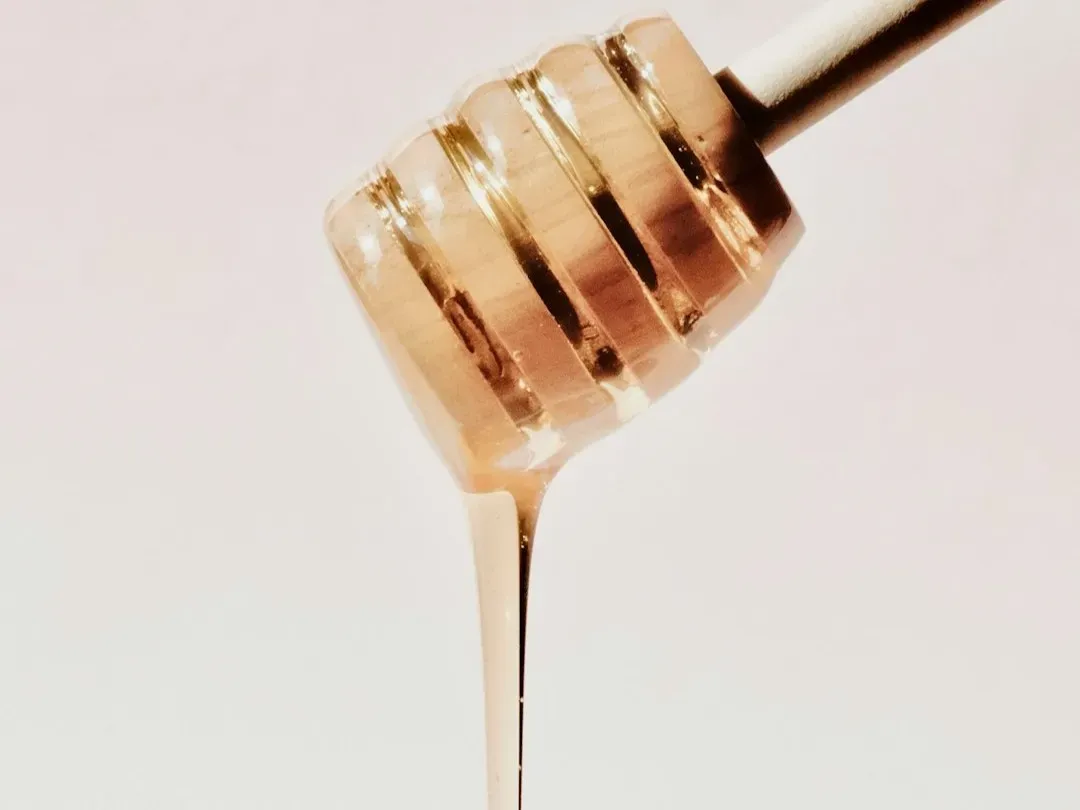
Few ingredients have a resume quite like honey. Honey was a prized beauty elixir in ancient Egypt, where Egyptians used it to soothe wounds and keep their skin supple in the dry desert heat. That is not folklore. That is practical skincare from a civilization that understood their climate better than most modern consumers understand their own skin type.
Modern research, including a study in the Journal of Cosmetic Dermatology, demonstrates honey’s powerful antibacterial and moisturizing qualities. It is naturally rich in antioxidants, which help protect against skin damage and aging. Honey also acts as a humectant, drawing moisture from the air into your skin, making it a perfect remedy for dryness.
Dermatologists today recommend raw honey masks for acne-prone skin, supporting ancient wisdom with medical evidence. Think of it as nature’s original multi-tasker. It cleanses, hydrates, and heals, all at once, with zero synthetic additives required.
Olive Oil: The Greek Secret That Never Left

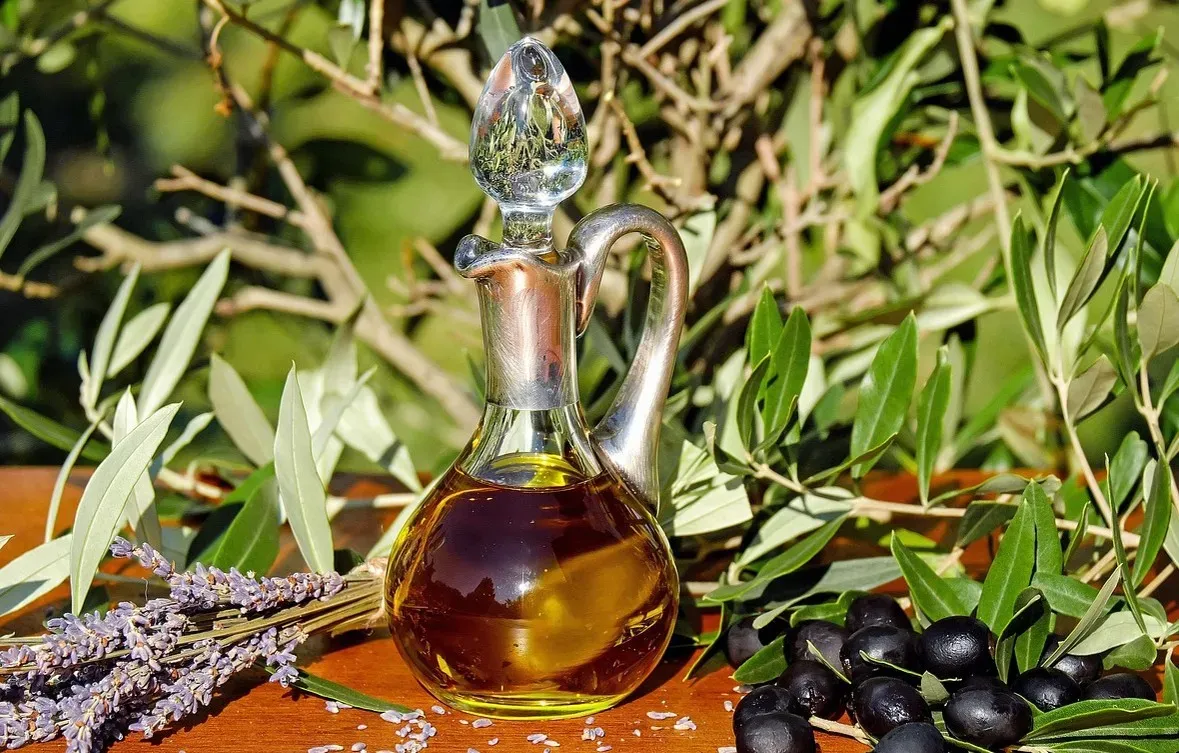
The Greeks, known for their emphasis on beauty and the human form, favored olive oil not just in their diet but also as a skincare product, using it as a cleanser, moisturizer, and even as a treatment for sunburn. This was not accidental. It was deeply intentional, rooted in a culture that genuinely worshipped the human form and invested in its upkeep.
Both ancient Greek athletes and the patrons of the Roman baths used olive oil as a cleanser and moisturizer. They would begin by lathering themselves in oil and using a strigil, a curved blade almost always made of metal, to scrape off the dirt, sweat, and oil before bathing. Honestly, that is a remarkably sophisticated cleansing method for thousands of years before micellar water existed.
Olive oil’s antioxidants fought free radicals, preventing premature aging, while its fatty acids maintained skin elasticity. Fast forward to today, olive oil’s virtues are far from forgotten. Modern skincare brands, recognizing its myriad benefits, infuse it into creams, lotions, and serums. The concept of oil cleansing that has exploded recently? It draws heavily from ancient Greek practices.
Turmeric: Ayurveda’s Anti-Inflammatory Powerhouse

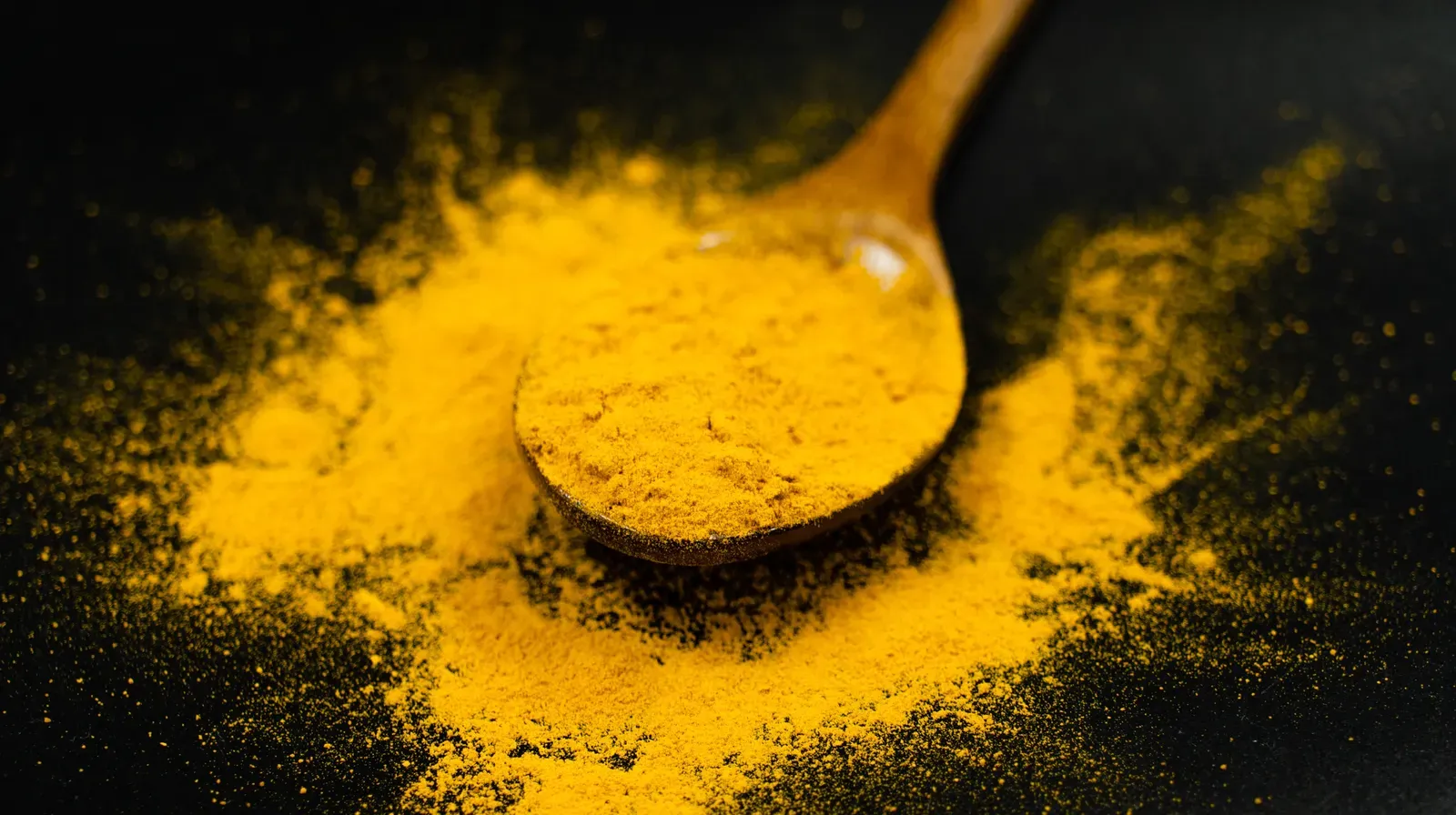
Research indicates that turmeric skincare has been used in Ayurvedic tradition for at least 4,000 years. Four thousand years. That is a longer clinical trial than any pharmaceutical company could ever dream of running. Turmeric, a commonly used spice throughout the world, has been shown to exhibit anti-inflammatory, antimicrobial, antioxidant, and anti-neoplastic properties.
A total of 234 articles were uncovered in systematic research, and 18 studies met inclusion criteria. Nine studies evaluated the effects of ingestion, eight studies evaluated the effects of topical application, and one study evaluated the effects of both ingested and topical application of turmeric and curcumin.
What changed in 2025 is how turmeric is formulated. Earlier turmeric products often caused staining, irritation, or inconsistency. Modern skincare brands now use refined turmeric extracts, stabilized curcumin, and controlled concentrations that deliver benefits without side effects. In 2025, turmeric is quietly becoming one of the most respected ingredients in modern skincare. Not because it is trendy, but because it works.
Clay Masks: From the Nile to Your Bathroom Shelf

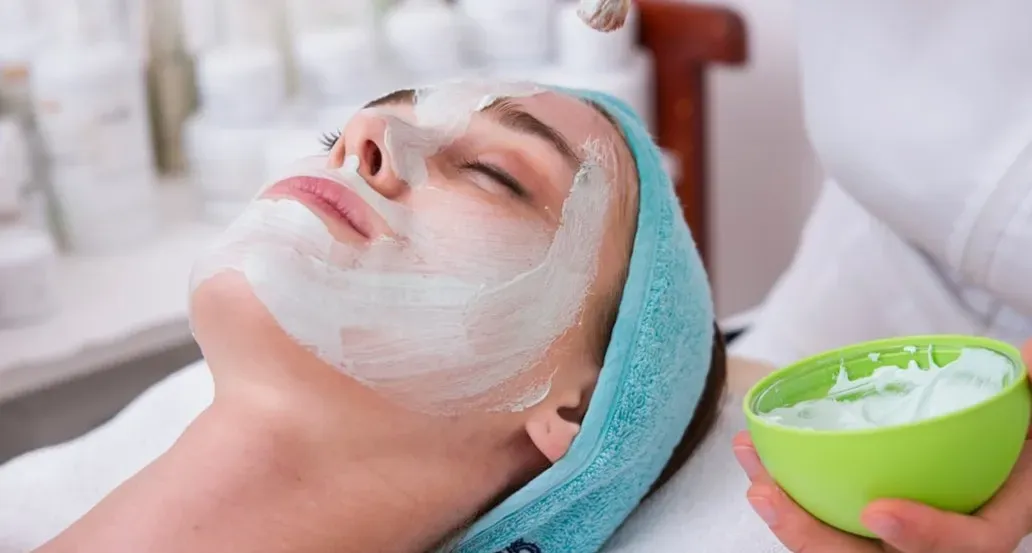
Clay masks made from mud sourced from the Nile river helped ancient Egyptians purify skin and absorb excess oil. Clay masks remain popular today for their deep cleansing properties. The logic is simple. Clay binds to impurities and pulls them out of the pores, a mechanism that no modern laboratory has improved upon in three thousand years.
Clay face masks, an extremely popular skincare ritual today, were common in ancient Greece, due to clay’s mineral content and its cleansing and anti-inflammatory properties. The Greeks were also layering in honey, milk baths for skin smoothing, and dried herbs for detoxification. It was a full routine, thoughtfully assembled from what the earth offered.
Here is the thing: the skincare industry spent decades selling synthetic alternatives to something that was already perfect. It is a little ironic that in 2026, the biggest trend in luxury beauty is going back to basics. Clay is cheap. Clay is ancient. Clay genuinely works.
Milk Baths: Cleopatra’s Most Famous Ritual

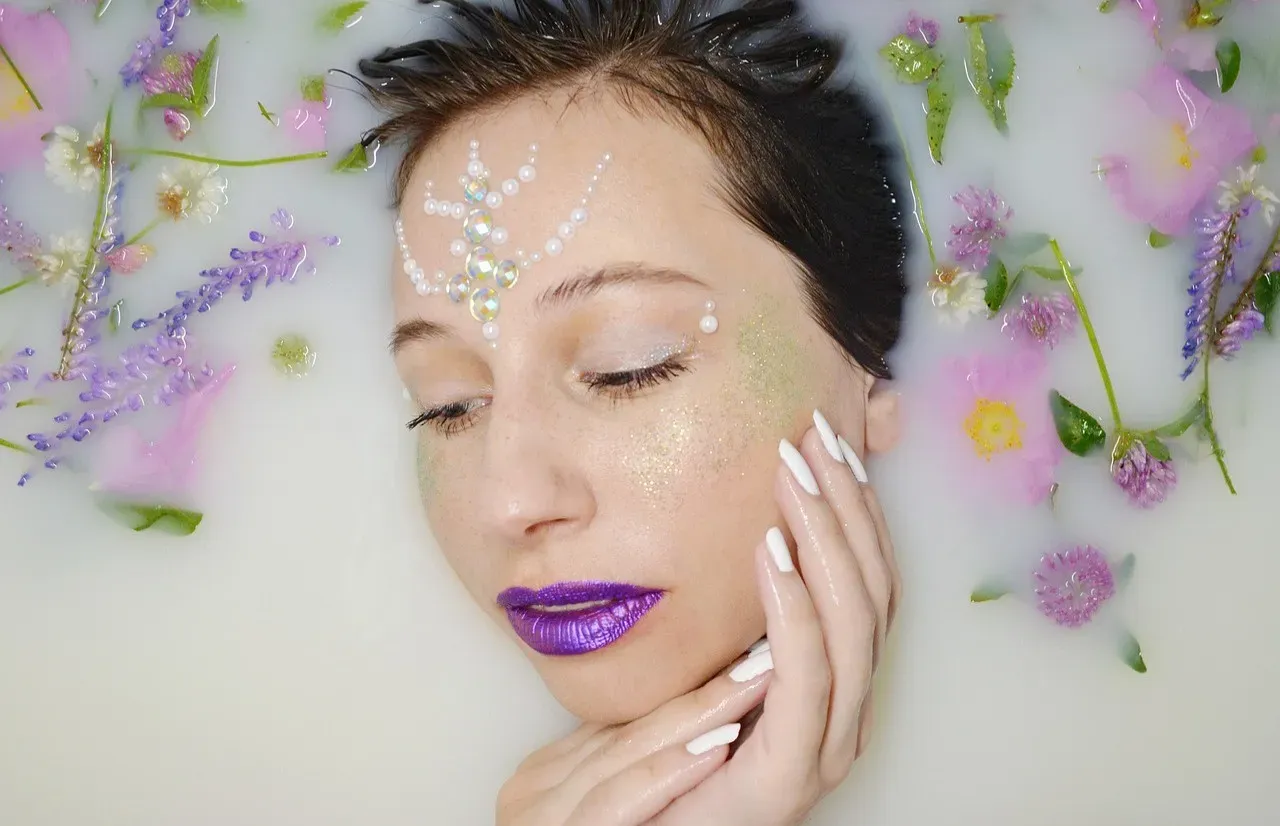
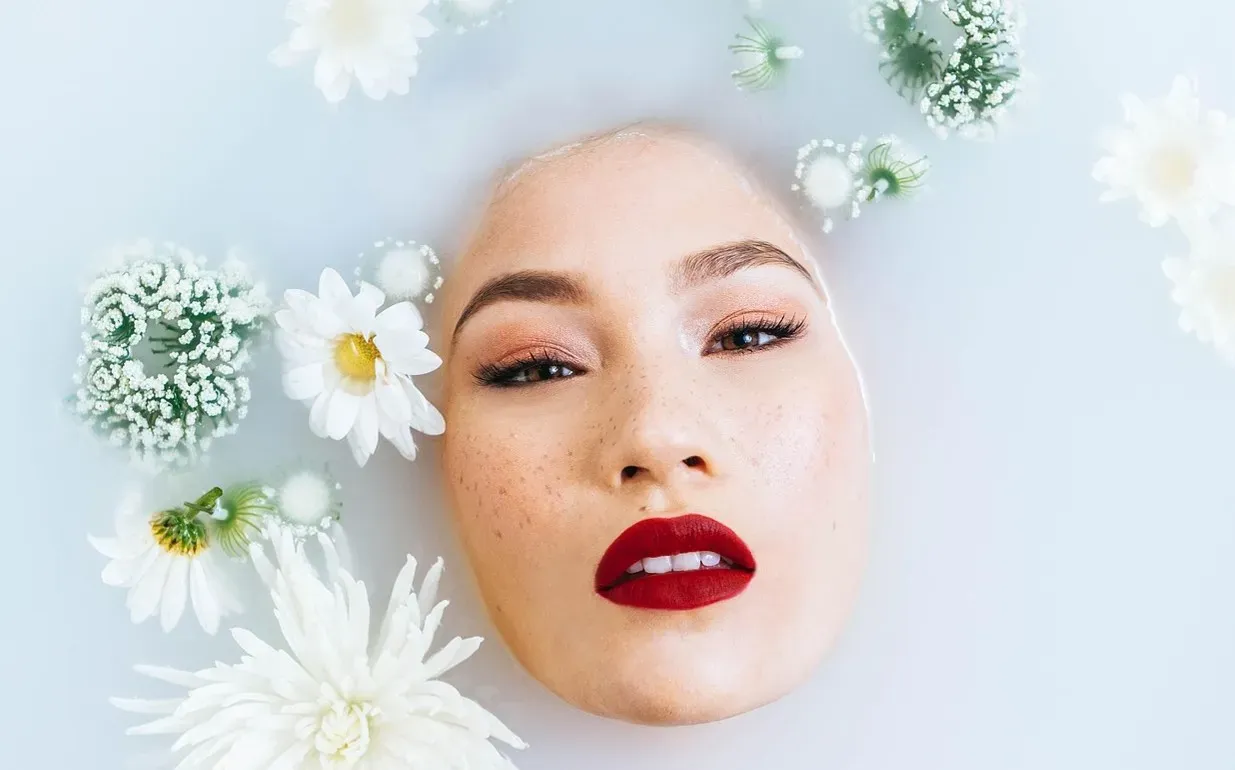
Cleopatra was known for flawless, luminous skin and bathed in a mix of milk, honey, olive oil, and rose petals, each ingredient chosen for its natural benefit. Milk in her baths offered a gentle exfoliant effect through lactic acid, a compound that softens and smooths skin. This is not myth. This is early chemical exfoliation, centuries before AHAs became a skincare buzzword.
Beauty rituals also served a preventive role, aiming to preserve skin condition rather than correct damage after it appeared. That perspective, which is practically the opposite of modern reactive skincare, is something dermatologists have only recently started championing again. Prevention, not cure. Ancient Egyptians had it right from the start.
Spas today offer rejuvenating milk and honey treatments, drawing directly from ancient Egyptian practices. This intertwining of old and new accentuates the timelessness of nature-based skincare. When a modern spa charges you serious money for a treatment Cleopatra did in her palace, it really makes you think about what we classify as innovation.
Rose Water: A Persian Treasure That Conquered the World

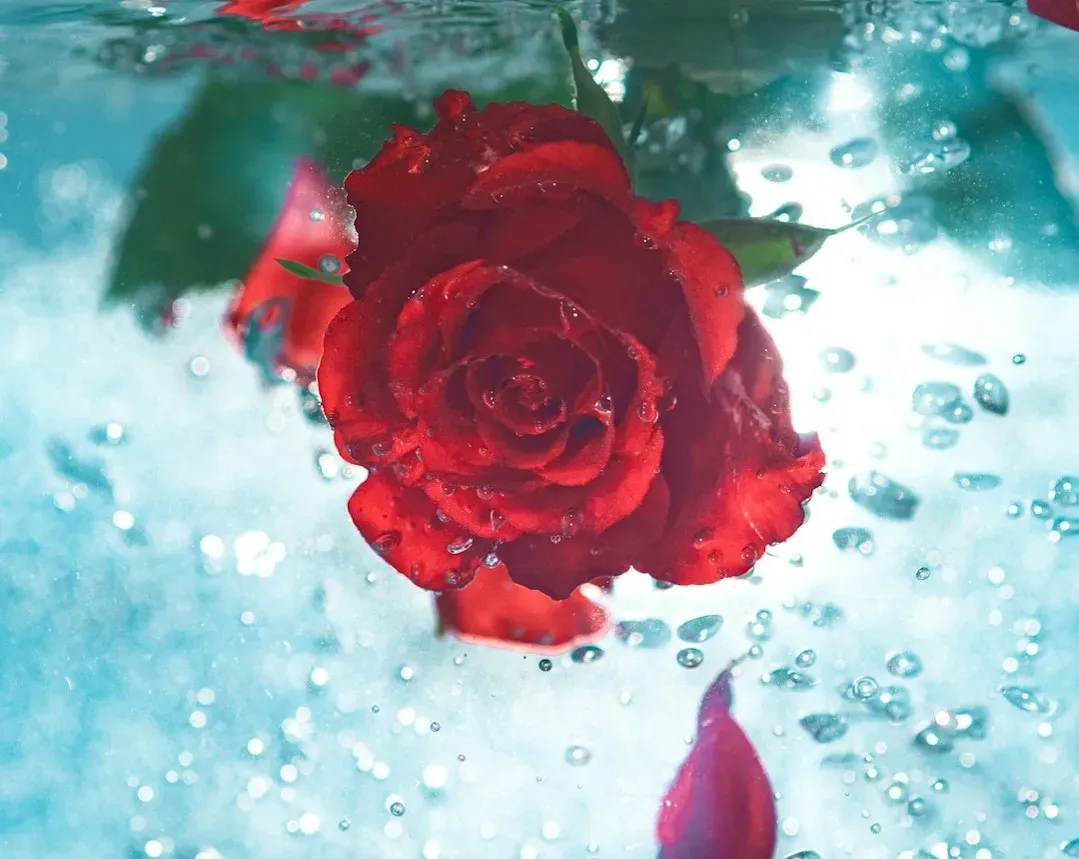
Rose water traces its origin to ancient Persia, where it was called the tonic of kings and regarded as a cooling, healing distillate reserved for royalty, physicians, and scholars. Early Persian distillers perfected the method of steam-extracting rose petals drop by drop, and texts from the medical scholar Avicenna describe its use for calming inflammation, emotional tension, and scalp irritation.
In more recent times, scientific research has been able to validate many of these traditional uses. Studies have shown that Rosa damascena extracts have notable antioxidant benefits and thus help to protect skin cells from oxidative stress caused by UV exposure and pollution. Research also supports its anti-inflammatory actions, particularly in reducing skin irritation and redness.
A 2020 study found that rose water evokes skin whitening and anti-wrinkle formation activity and acted as an antioxidant in human subjects, likely by inhibiting inflammation. A 2024 MRI-based study found that daily inhalation of rose essential oil increased gray matter volume in the posterior cingulate cortex, a region tied to emotional stability, stress buffering, and memory. Lower stress levels are directly linked to healthier hair cycles and reduced telogen effluvium. That is a “neurocosmetic” angle nobody in the ancient world could have articulated, but they instinctively understood.
Sugaring: The Original Hair Removal Method

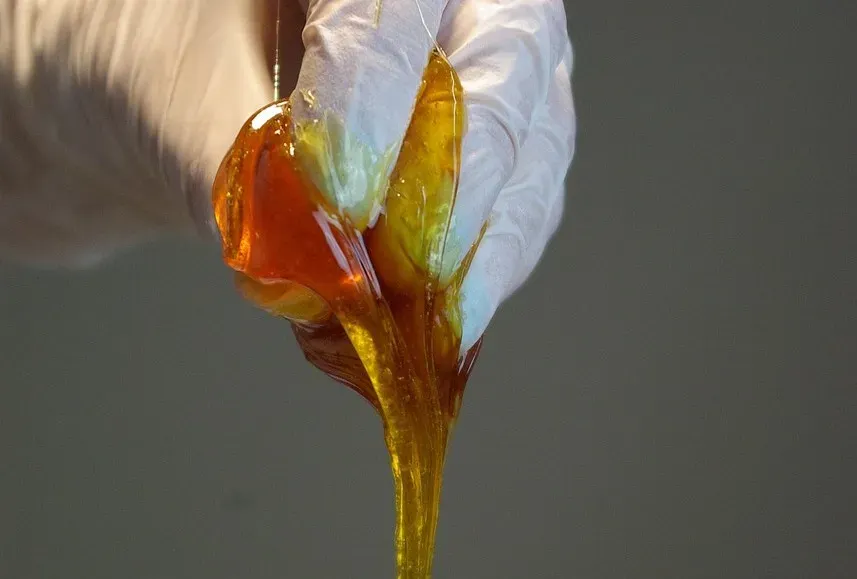
Sugaring, a natural method of hair removal, was performed using a sugar solution made with sugar, lemon, and water to form a paste. The paste was applied to the hair, without sticking to the skin, and flicked off. It is truly a fascinating method that still exists today and is gaining popularity among estheticians.
The Egyptians are also supposed to have developed sugaring for hair removal, which is still commonly employed today. Compare that to modern waxing, which sticks to skin, pulls at pores, and regularly causes irritation. The Egyptian method was gentler. Technically more precise. Honestly, ahead of its time by millennia.
Sugaring is also experiencing a real revival right now. Natural beauty salons across North America and Europe are repositioning it as a kinder, cleaner alternative to conventional waxing. The marketing is new. The technique is ancient. And it still works beautifully.
Hot and Cold Immersion Therapy: The Roman Bathing Secret

Roman bathhouses are known for their mosaics, paintings, and intricate ceilings flooded with natural light and are the inspiration for many spas today. Bathers engaged in contrast bathing therapy, also known as hot and cold immersion therapy, a popular ritual we are now seeing reappear everywhere in our modern world for its many science-backed health benefits.
Bathers participated in contrast bathing treatment, also known as hot and cold immersion therapy, a traditional practice that has resurfaced in our modern society due to the numerous scientifically supported health advantages. Cold plunges, ice baths, contrast showers. These are not new wellness discoveries. They are ancient Roman wellness prescriptions in slightly different packaging.
The Romans understood that alternating heat and cold affects circulation, skin tone, and overall vitality. Modern sports science has confirmed every single piece of that reasoning. It is hard to say for sure what they fully understood about the mechanism, but the results clearly spoke for themselves across centuries of practice.
Frankincense and Myrrh: Skincare Royalty From the Ancient World

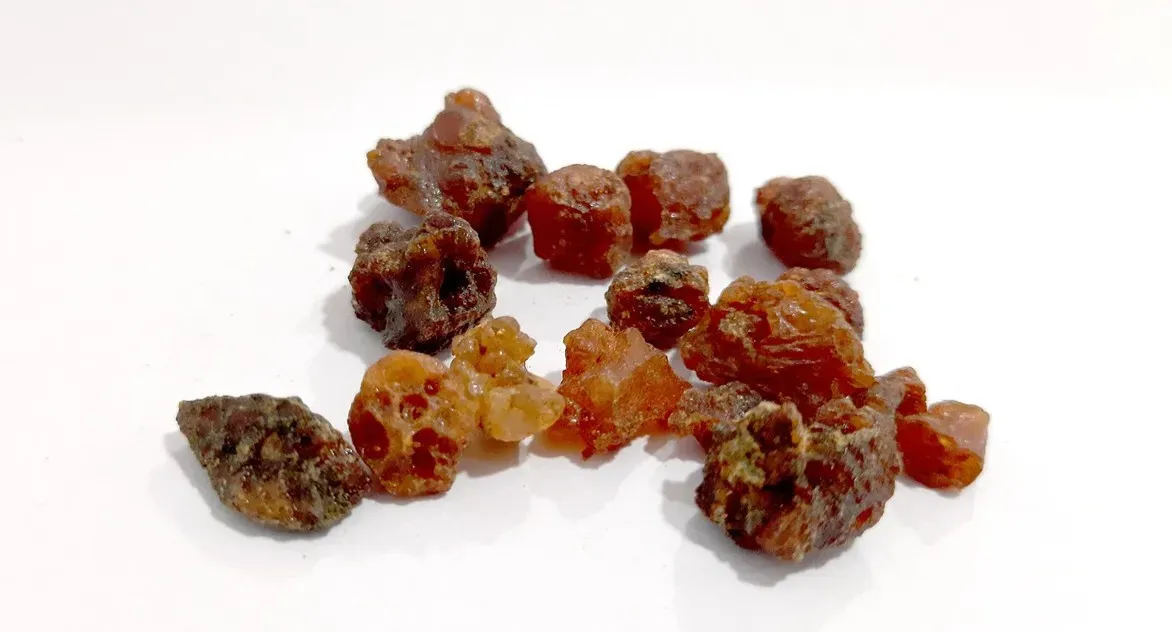
Perfumes were highly regarded in ancient Egypt for their excellent health and well-being benefits. Frankincense and myrrh were widely recognized as critical elements in fragrances and skin care treatments for both aroma and health advantages. These resins were so valuable in the ancient world that they were literally gifted to royalty and used in sacred ceremonies. They were not just nice smells. They were serious treatments.
For the ancient Egyptians, personal appearance had significant cultural and religious value. It was so important that the Book of the Dead requires one to be clean, wear eyeliner, and be anointed with the finest myrrh oil in order to speak in the afterlife. That is a civilization that considered skincare literally sacred, a condition of spiritual readiness.
Today, frankincense oil is a sought-after anti-aging ingredient in premium serums, prized for its potential to reduce the appearance of fine lines and support skin regeneration. Myrrh is used for its moisturizing and healing qualities. Both have found their way back onto the ingredient lists of luxury skincare brands, wrapped in modern packaging but carrying the same ancient purpose.
Ayurvedic Oils and the Practice of Abhyanga: India’s Whole-Body Beauty Ritual

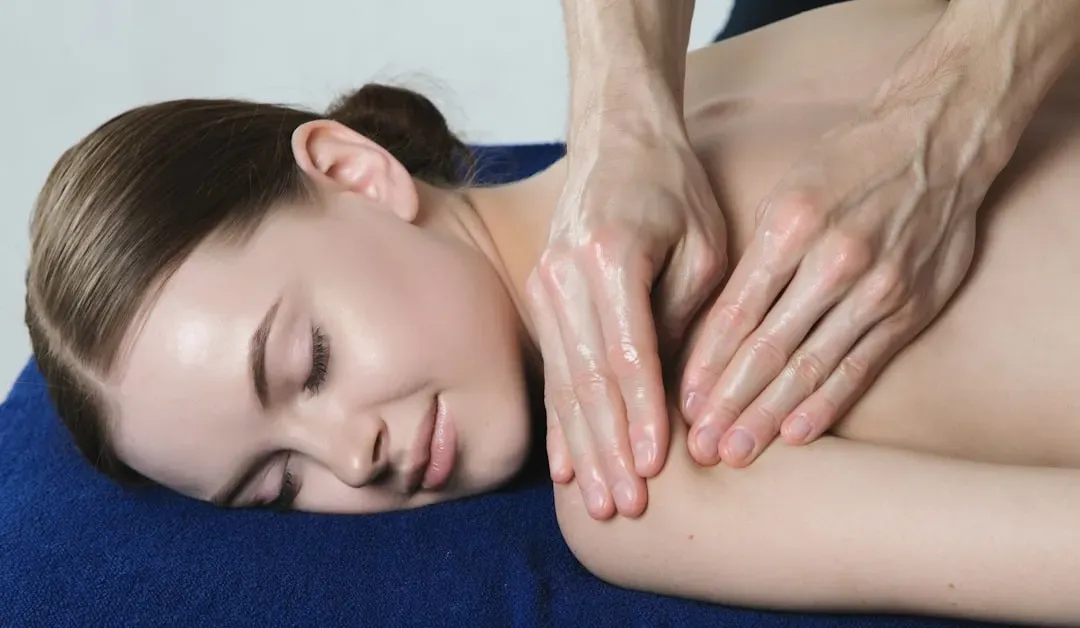
Ayurveda is the science of life and India’s 5,000-year-old holistic healthcare system. This complex yet practical system is based on the belief that optimal health is achieved when your mind, body, and spirit are aligned with the universe. In practical terms, this translated into something strikingly effective: regular full-body oil treatments known as abhyanga, the practice of massaging warm oil into the skin from head to toe.
Ayurveda translates to the knowledge of life and is a natural and holistic system of medicine originated in India more than 5,000 years ago. This complex yet practical system is based on the belief that optimal health is achieved when your mind, body, and spirit are aligned with the universe. Ayurvedic beauty rituals included bathing and oil treatments, including sweet almond oil among others, which promoted physical and spiritual cleansing that promotes balance.
Indian Ayurveda emphasized balance and used natural ingredients, shaping today’s organic and natural skincare trends. It is worth pointing out that some of the fastest-growing skincare segments in 2025 and 2026 are Ayurveda-inspired products. The industry did not invent this wellness philosophy. It simply rediscovered it, several thousand years later, and started charging a premium for it.
Conclusion: The Skin Has Always Known

Despite major advances in skincare over the millennia, many ancient practices and ingredients have withstood the test of time. From clay masks to herbal oils, many of the natural solutions used throughout history still deliver results today. That consistency across thousands of years and dozens of cultures is not coincidence. It is evidence.
In recent years, there has been a notable shift towards natural and organic skincare products, echoing the holistic practices of ancient civilizations. This trend is driven by a growing concern for the environment, health, and a healthy skepticism of synthetic ingredients. Many consumers are turning to products that are free from harsh chemicals, opting instead for those containing natural plant extracts, oils, and minerals.
There is a quiet lesson embedded in all of this. The most effective beauty advice on the planet was already written thousands of years ago, carved into temple walls and passed between generations of women who knew the land they lived on. Maybe the real secret is not about finding something new at all. What would you have guessed was the oldest trick in the beauty book? Tell us in the comments.