


There’s something quietly surreal about the idea that a toy you tossed into a shoebox at age ten might now fund a vacation. Yet that’s the reality for a growing number of 1990s collectibles. The toy collectibles market is growing exponentially, driven largely by millennials and Gen Z reaching back to recapture the fun of their childhoods in the 1990s.
The key distinction that separates genuine value from wishful thinking, though, is condition and rarity. Most used, played-with items fetch modest sums. The real money tends to follow sealed packaging, limited editions, and first-run production. Here are nine categories where that formula has played out in dramatic fashion.
1. First-Edition Pokémon Cards

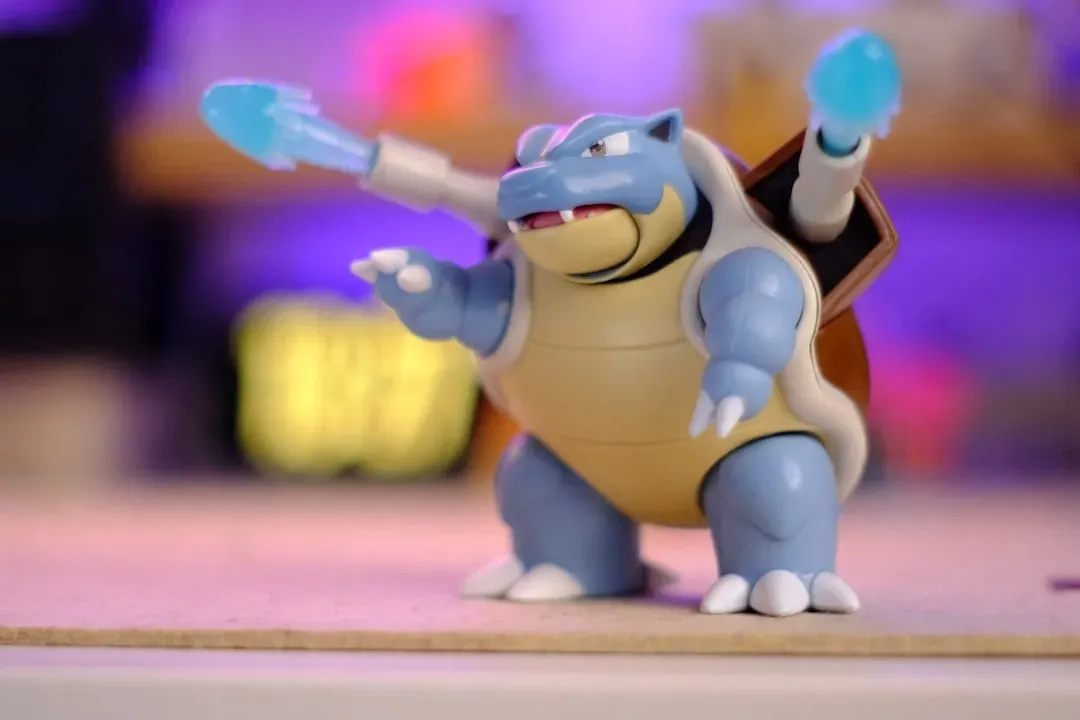
In the late 1990s, Pokémon started a global sensation of kids playing the games, watching the show, and collecting the cards with different creatures on the front, including Charizard and Pikachu. What no one predicted was how far those cards would climb in value over the following two decades. A first-edition PSA 10 holographic Charizard Pokémon card from the Base Set currently sells for $20,000 and up on eBay.
Influencer Logan Paul spent a record $6 million, including the value of a swapped card, on the world’s only PSA Grade 10 Pikachu Illustrator card, the highest graded instance of just 39 cards that were given to winners of a Pokémon contest in 1998. Even less extraordinary cards carry real value. Misprinted Krabby cards, which have part of the fossil symbol missing at the bottom right of the image, can fetch around $5,000. Condition is everything here: a grade difference of just one point can mean thousands of dollars at the auction table.
2. Sealed Nintendo 64 Games
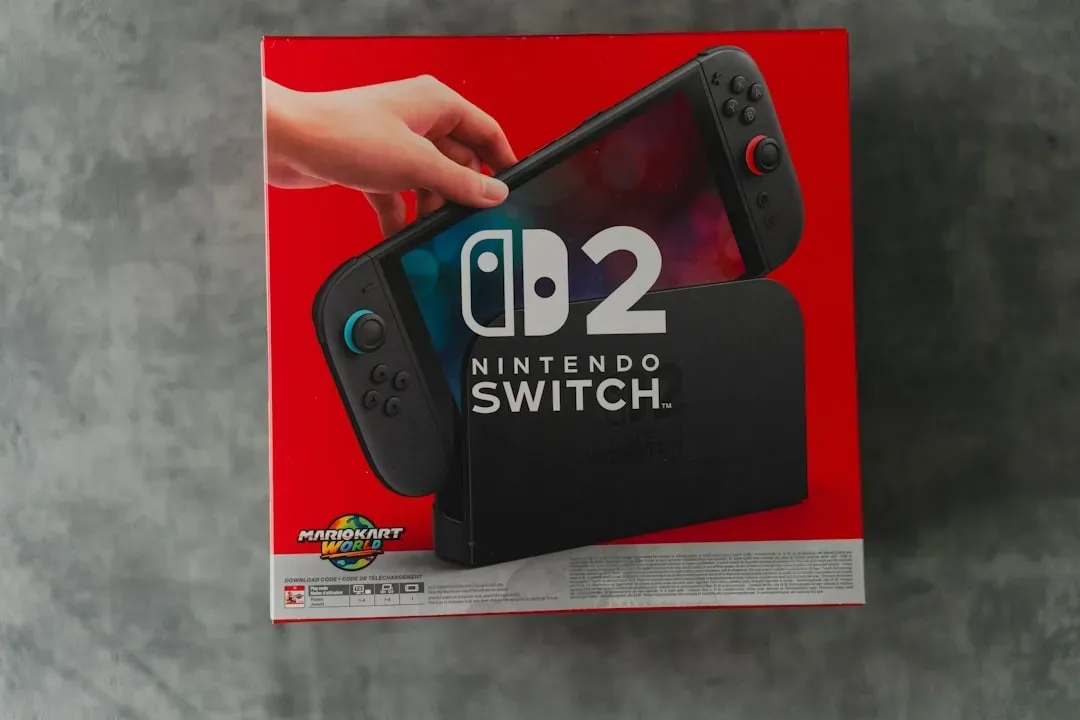
In a historic moment for video game collecting, a sealed copy of Super Mario 64, graded Wata 9.8 A++, sold for $1.56 million at Heritage Auctions, marking the first time a video game ever surpassed the million-dollar threshold at public auction. The copy, released in North America in 1996 as the flagship title of the Nintendo 64, led Heritage’s first dedicated Video Games Auction, which realized more than $8.4 million in total sales.
That single sale changed how collectors perceived video games as an asset class. A mint condition and unopened copy of Clay Fighter: Sculptor’s Cut sold for $175,000 at Heritage Auctions in 2024, and a near-perfect and factory-sealed copy of The Legend of Zelda: Ocarina of Time sold for $168,000 at Heritage Auctions in 2022. The rise of grading services like Wata Games and VGA has professionalized the market, turning once-common cartridges into authenticated, investment-grade assets.
3. Rare Beanie Babies

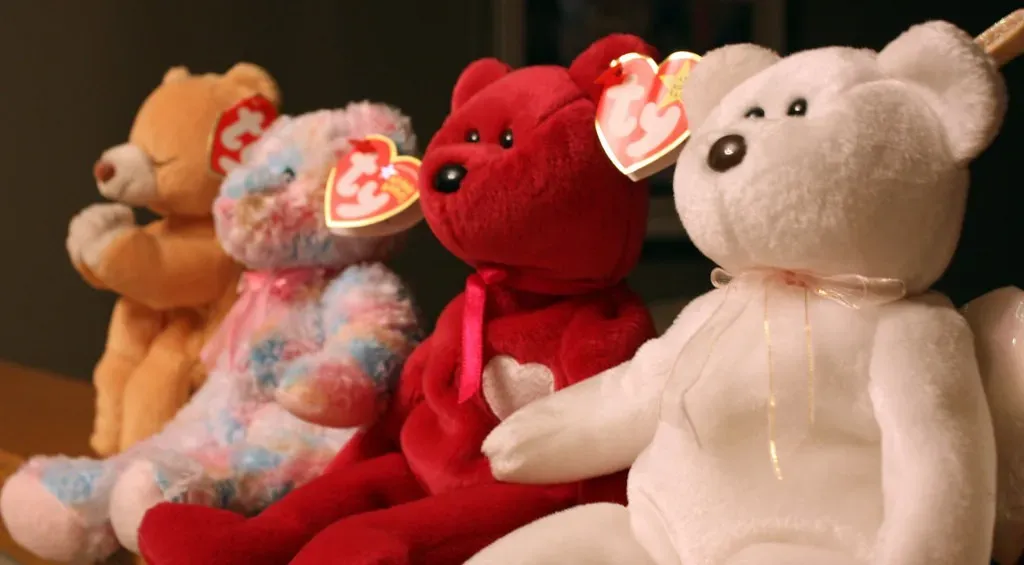
Beanie Babies, stuffed toys with plastic pellets instead of soft filling, were seemingly everywhere after their release from toy company Ty in 1993. Most of those common models are worth very little today. The rare variants, though, tell a completely different story. You can easily pick one up online for a few bucks, although limited and rare versions have been valued anywhere from $6,000 to $600,000.
The 1997 Princess the Bear, a special-edition Beanie Baby created to honor the late Princess Diana, is a small purple bear with a white rose on its chest and is one of the most sought-after Beanie Babies of all time. In late 2025, a pristine, never-opened Maple the Bear shattered modern records by selling for $25,000. This specific bear was part of a 1997 promotion with the Ronald McDonald House Charities. Original tags, pristine condition, and verifiable provenance are the trifecta for serious buyers.
4. Original Bluebird Polly Pocket Sets

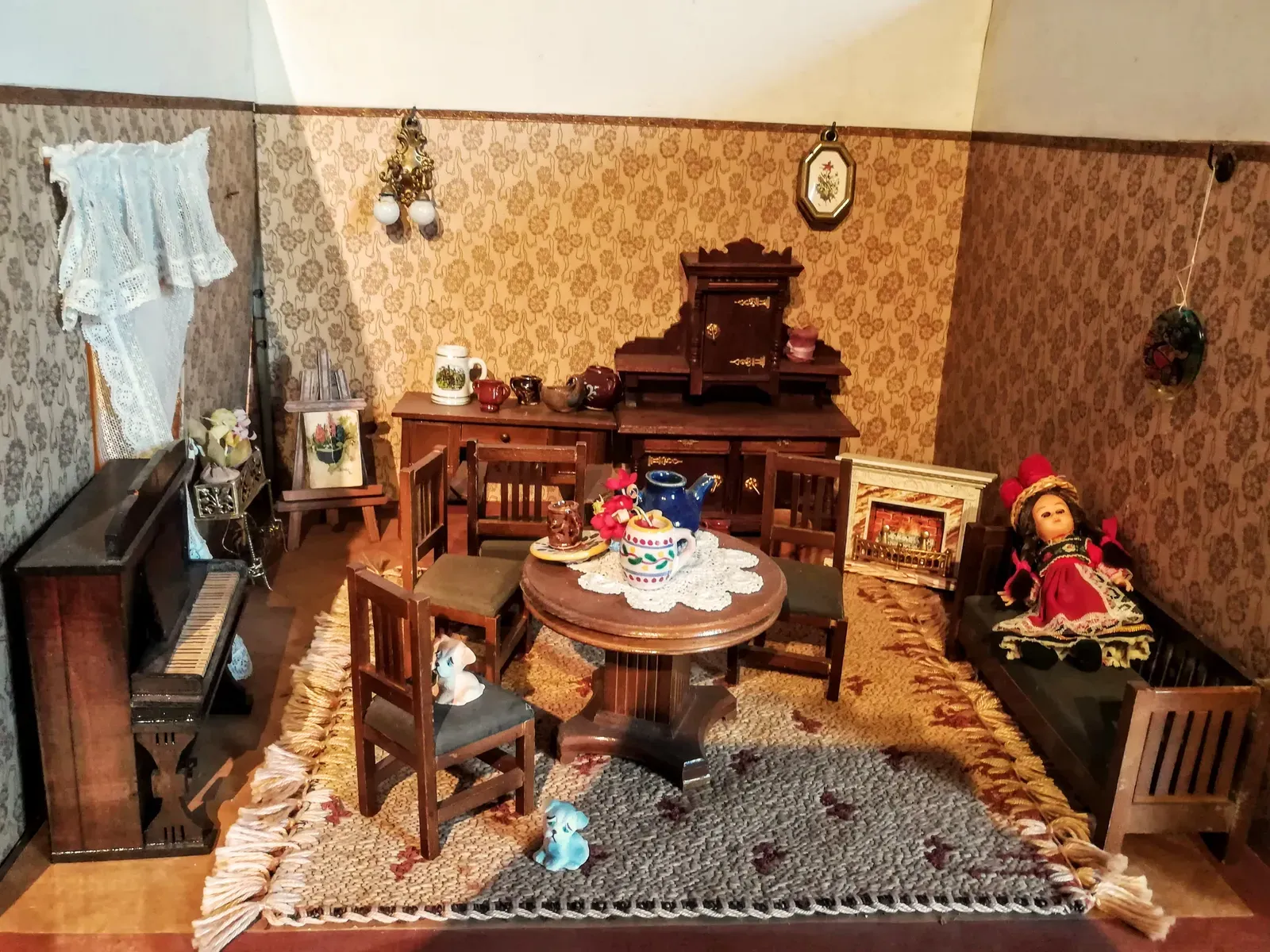
Bluebird Toys, an England-based company, licensed the Polly Pocket concept and the original toys hit shelves in 1989, featuring plastic cases in different shapes like a heart, shell, or diamond. Each case opened to reveal a hidden, dazzling interior space with movable parts. The miniature dolls came with a circular base that matched into various holes in the case’s interior. Because of how different the original 1990s Polly Pockets from Bluebird Toys are from later iterations by Mattel, they are now coveted collector’s items. The 2018 reboot of the toy started a nostalgia frenzy that raised the value of these older playsets and accessories.
Values for Bluebird-era Polly Pocket compacts from the late 1980s through the late 1990s vary by completeness, condition, rarity, and packaging. Typical open, common sets trade in the tens of dollars, while rarities and sealed items can reach several hundred dollars or more. Sets that are still sealed with all their accessories are extremely rare and worth the most. A sealed Pollyville set, including the play mat and all figures, has sold for $1,000 online. The complete Disney-branded compacts are particularly sought after, with some recorded sales climbing into the hundreds of dollars even for used examples.
5. Mighty Morphin Power Rangers Action Figures

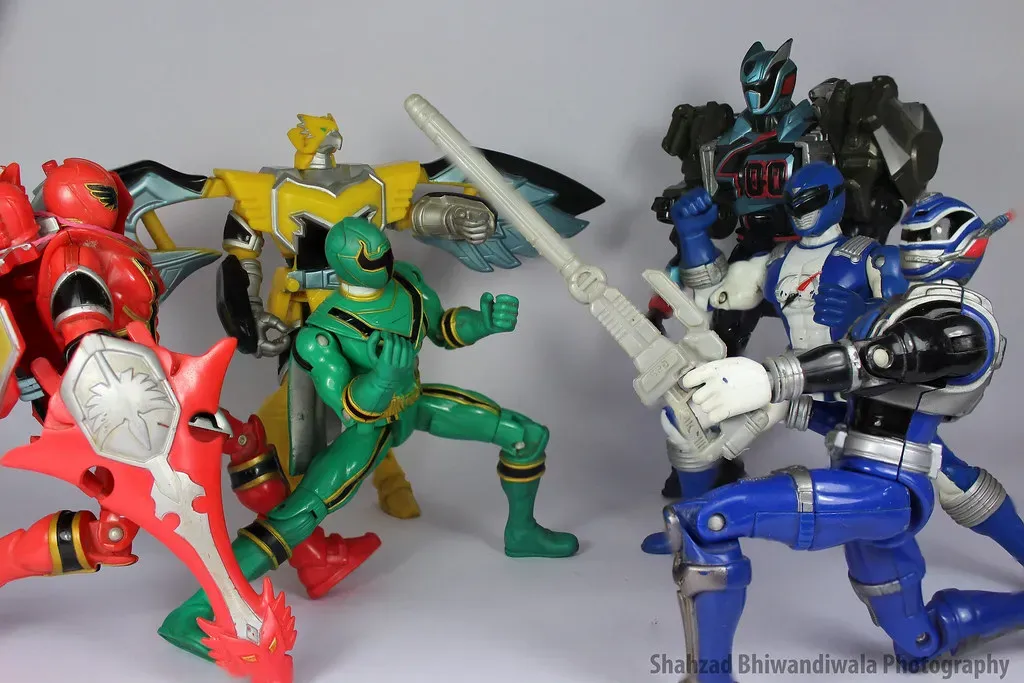
Based on a 1970s superhero kids show in Japan, the Mighty Morphin Power Rangers quickly swept up American children who acted out their favorite color Ranger back in 1993. The franchise would last for decades, adding colors along the way. The toys that accompanied the show became some of the most played-with, and therefore most destroyed, of the decade. Surviving examples in good condition are genuinely scarce now.
The white Ranger action figure from 1994 is valued at $100,000. That figure represents the high ceiling, but even more common Power Rangers figures in original, intact packaging command respectable sums from dedicated collectors. Star Wars has been a perennial fan favorite, and action figures continue to be among the most collectible toys in 2025, followed by the Transformers Studio Series ’86 Devastator and Batman and his DC cohorts, which gives some context for just how competitive the action figure market has become.
6. Tamagotchi Digital Pets

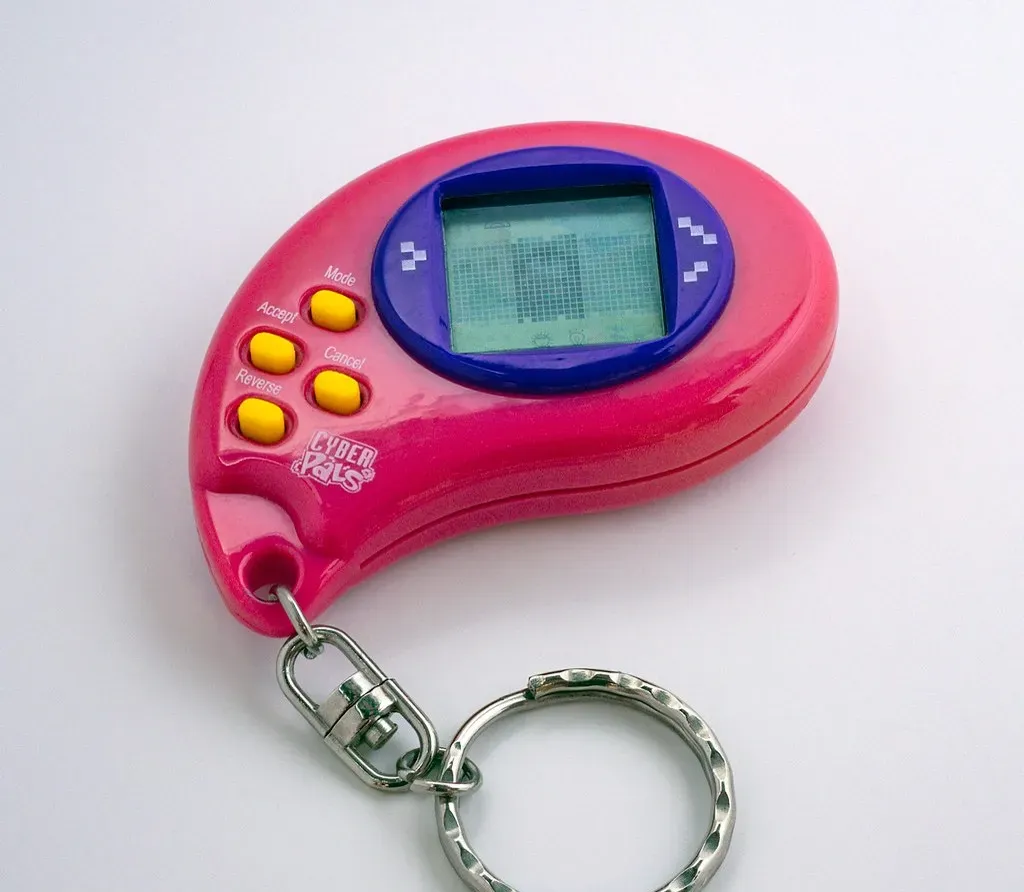
The two-inch, handheld, egg-shaped computer from Japan’s Bandai hit the market in 1996, quickly filling the pockets of kids around the globe. You had to feed, clean up after, and care for your Tamagotchi to keep it happy, or it would beep. Most of those original units were dropped, cracked, or simply ran out of battery and were forgotten. Clean, working examples are hard to find.
These digital pets can fetch thousands of dollars, with reports of one going for $5,000 in 2021 and a collector in Singapore refusing an offer of $1,500 for a rare one. Whether you find them creepy or cute, there is a demand for these vintage creatures among collectors who value 1990s nostalgia. Designed as a robot that could be “trained” to speak English, Furby was the season’s hottest Christmas toy in 1999 with more than 14 million sold. Tamagotchis occupy a quieter but equally dedicated corner of that same collector community.
7. Limited-Edition Furbies

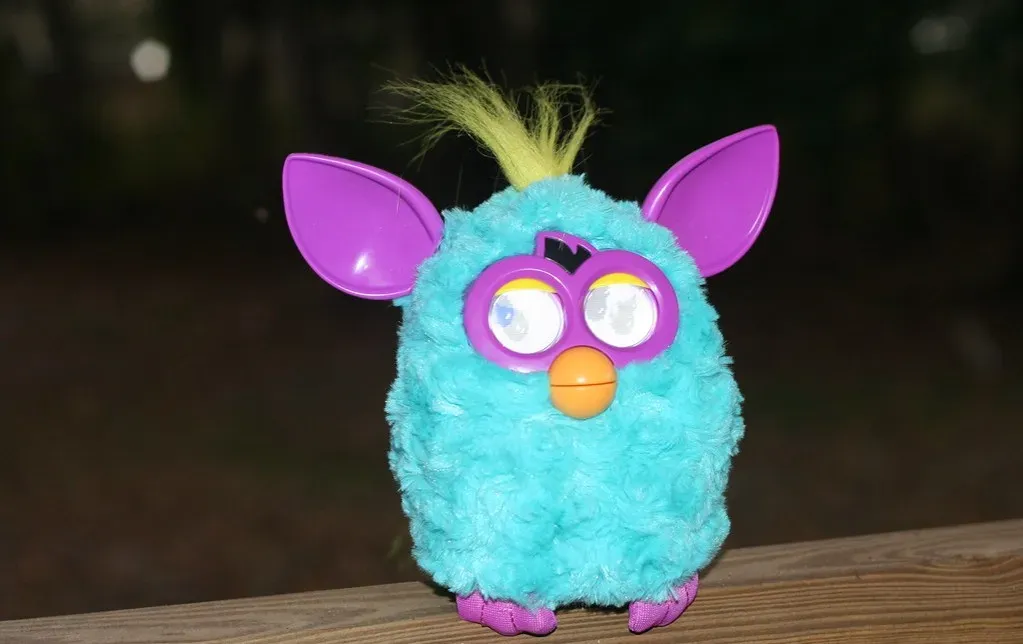
What looked like a cross between an owl and a hamster became the must-have toy when it was released in 1998. You may be able to sell a common Furby for $50 to $100, which is a nice markup from the original $35 price tag. The common models, then, offer a modest return. It’s the limited runs where the numbers become genuinely surprising.
Some of the dolls can draw a few hundred dollars, and the limited-edition Rainbow Furby and Kid Cuisine Furby can fetch even higher sums. On eBay, one Kid Cuisine Furby was offered at $39,999 in September 2025. Collectors still seek out early models and are willing to pay hundreds or thousands of dollars for those in original packaging and excellent condition. The asking price on a listing isn’t the same as a confirmed sale, but even the negotiated price for a pristine limited-edition Furby suggests the market for these bizarre little robots is still alive.
8. Hot Wheels Treasure Hunt Series Cars

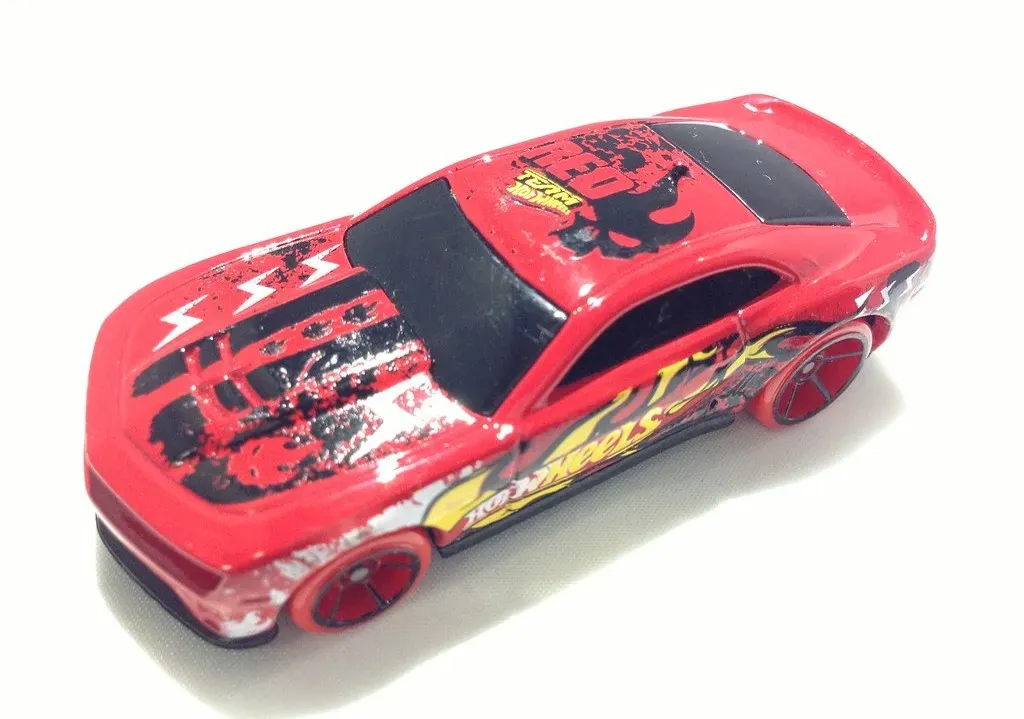
If you bought a Hot Wheels ’67 Camaro from the Treasure Hunt Series back in 1995, your toy car might now be worth $1,900. A full set of Treasure Hunt Hot Wheels from Mattel can go for $3,600. These weren’t expensive to begin with, which makes the appreciation all the more striking. The Treasure Hunt series, introduced in 1995, was designed with collectors in mind from day one, featuring low production runs and distinct markings.
The condition requirement for maximum value is strict. Cars still in their original blister packaging, with no yellowing or damage to the card, are what serious buyers pursue. Like art, the age and cultural popularity of old toys can make them worth a lot more today than when they were originally purchased. Also like art, their worth can fluctuate depending on the market. Hot Wheels have proven to be one of the more stable niches within that broader collectibles landscape.
9. Yu-Gi-Oh! First-Edition Cards

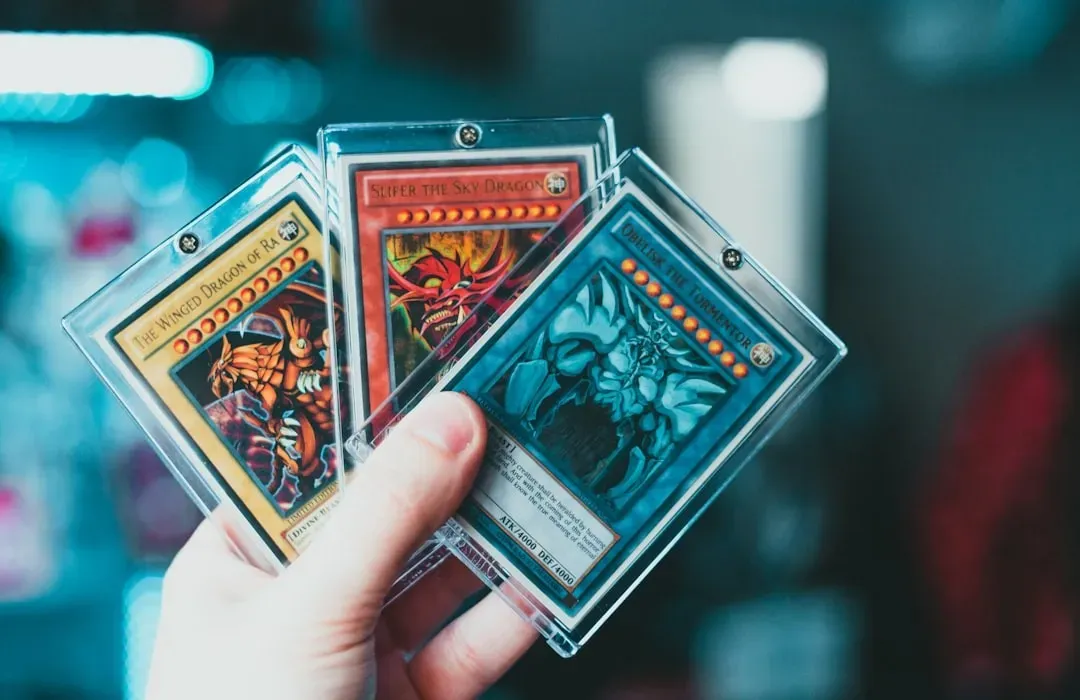
The most common Yu-Gi-Oh! cards aren’t worth much, but the rarest and most desirable cards can command a small fortune. As with any collectible cards, condition makes a huge difference in the card’s value. The trading card game launched in North America in the late 1990s and quickly built a competitive following that has never entirely faded. A mint-condition Legend of Blue-Eyes White Dragon card sold at auction for $85,000 in 2020.
In 2024, an Alternate Artwork Gemini Elf card was sold for $250,000. That figure puts Yu-Gi-Oh! squarely in the same conversation as Pokémon when it comes to trading card valuations. The cards that command the highest prices are typically first-edition prints, tournament exclusives, or promotional releases tied to specific events. Sealed games, rare variants, and first-edition releases are now prized for their condition and historical significance, much like comic books or trading cards, and the same logic applies here just as directly.
The through-line across all nine of these categories is the same: rarity plus condition plus cultural staying power. A decade-old toy sitting in a dusty box may be worth almost nothing, or it may be worth more than a used car. The difference usually comes down to whether it was ever opened. For anyone with a storage unit full of 1990s childhood relics, a careful inventory might be overdue.


