Chart position tells you how an album sold in its first few weeks. It says very little about how long the record will last. Some of the most respected debuts in popular music arrived to shrugs, small pressings and radio silence.
The nine albums below all started quietly. Each one grew into a reference point through word of mouth, other musicians, reissues or plain persistence.
Bob Dylan, Bob Dylan (1962)
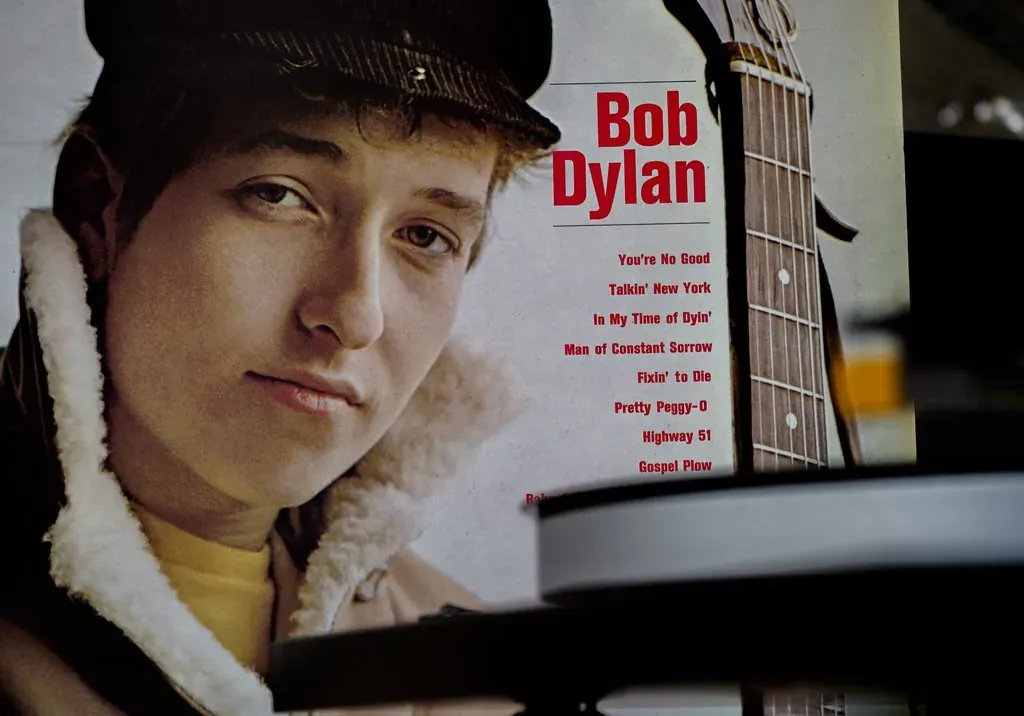
Dylan’s first album for Columbia was mostly folk and blues standards, with only two originals. It sold modestly at the time, and staff at the label reportedly joked about the signing. It was not the kind of debut that announced a cultural earthquake.
Its reputation grew because of what came next. Once Dylan became the defining songwriter of the decade, listeners went back to hear where he started. Today it works as a snapshot of a young performer absorbing the folk tradition before he rewrote it.
The Velvet Underground and Nico (1967)
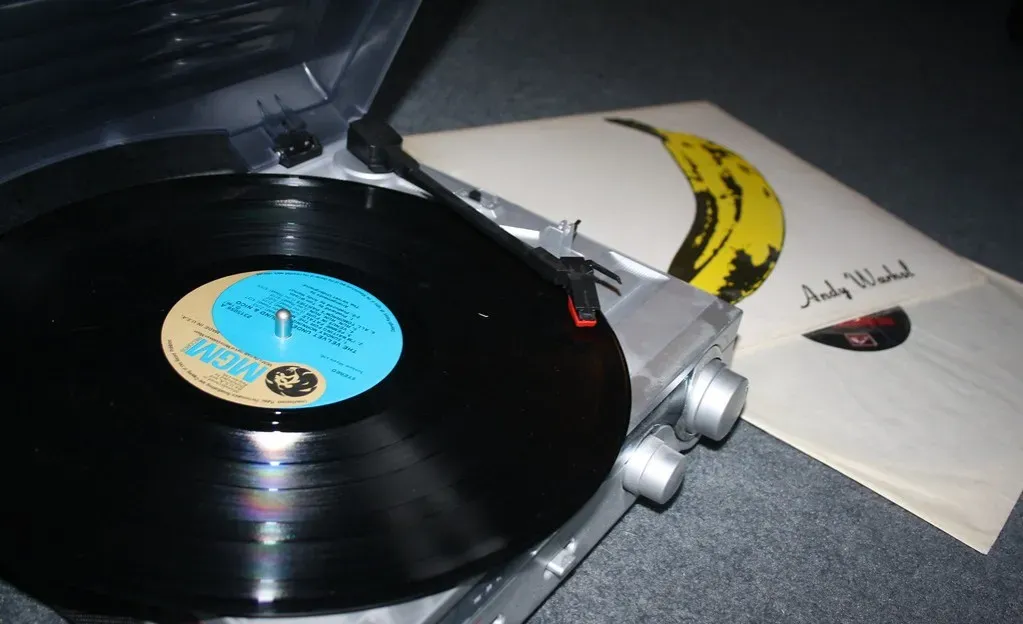
This one peaked at number 171 on the Billboard 200, which is barely a blip. Its subject matter, including drug use and street life, did not suit radio in 1967. The banana cover, designed by Andy Warhol, was arguably the most famous thing about it at release.
Over the following decades, bands from punk to indie rock kept citing it as a blueprint. Critics now routinely place it near the top of all time lists. It’s a textbook case of an album that found its audience through the people it inspired.
The Stooges, The Stooges (1969)
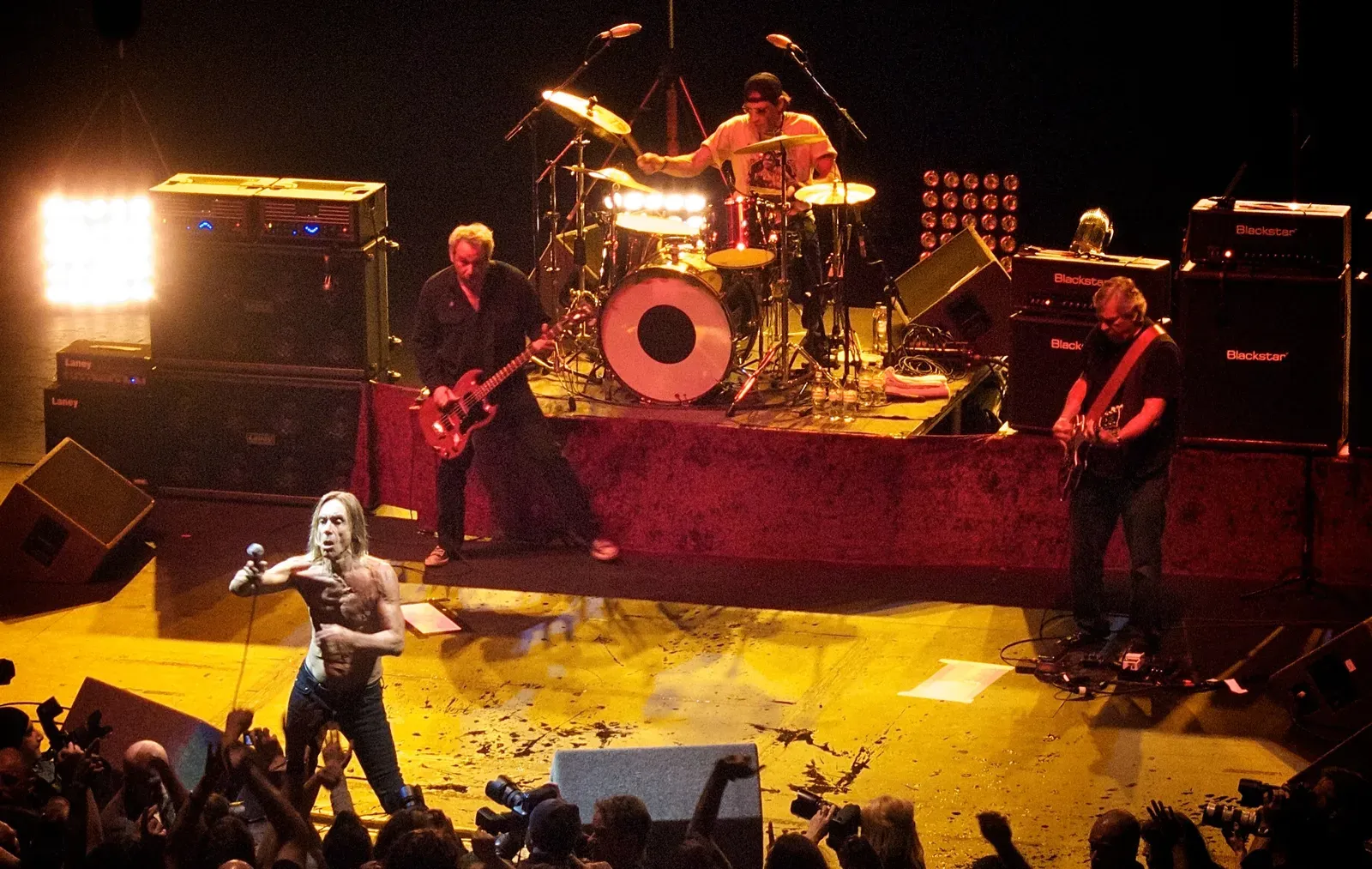
The Stooges’ debut reached number 106 on the Billboard 200, according to standard chart histories. It was raw, blunt and produced by John Cale, and it sounded nothing like the psychedelia dominating the era. Songs like “I Wanna Be Your Dog” were too abrasive for mainstream airplay.
Punk musicians in the mid 1970s treated it as scripture. The album’s stripped down attack helped shape the sound of bands who arrived several years later. Its standing as a foundational record is now widely accepted.
Nick Drake, Five Leaves Left (1969)

Drake’s debut was delicate, orchestrated folk, and it made almost no commercial impact when it came out. He was a shy performer who rarely played live, which limited any chance of building an audience. He died in 1974 at just 26, with little public recognition.
His music found a second life over the following decades, helped by admirers among later musicians and by use of his songs in film and advertising. Five Leaves Left is now regarded as a quiet landmark of British folk. Its slow rise is one of music’s more touching turnarounds.
Partner offer
Big Star, #1 Record (1972)

Critics liked this Memphis power pop debut right away, but almost nobody could buy it. Distribution problems tied to its label arrangement meant copies often never reached stores. The album failed to make a real dent on the charts despite the praise.
Big Star turned into a cult name that later bands kept referencing, especially in alternative rock. Reissues eventually let a wider audience hear what they’d missed. The record is now a common pick on lists of great power pop.
The Modern Lovers, The Modern Lovers (1976)

Jonathan Richman’s band recorded most of this album in the early 1970s with John Cale producing, but it didn’t come out until 1976. By then it was already gaining an underground reputation. It was never a commercial hit in the usual sense.
The songs were minimal, hooky and strangely earnest. Punk and new wave musicians picked up on that directness, and the album became a touchstone for the movement. Its influence has long outweighed its sales.
Ramones, Ramones (1976)
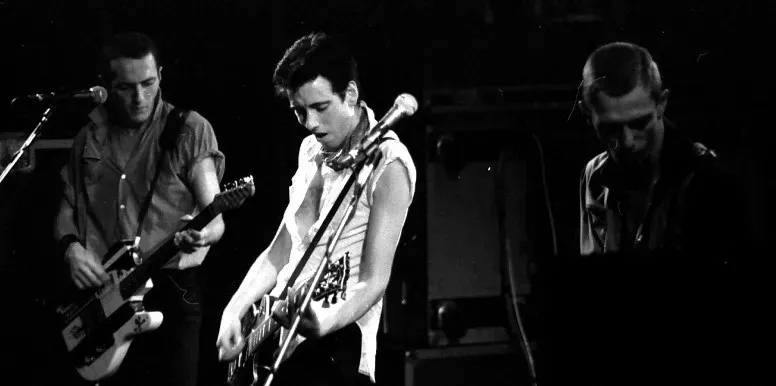
The Ramones’ debut peaked at number 111 on the Billboard 200. It ran to roughly half an hour and stripped rock down to short, fast, loud songs. American radio mostly ignored it.
The record still helped kick off punk, and its influence crossed the Atlantic quickly. It was eventually certified gold in the United States, decades after release. That slow accumulation says a lot about how durable the songs turned out to be.
Talking Heads, Talking Heads: 77 (1977)
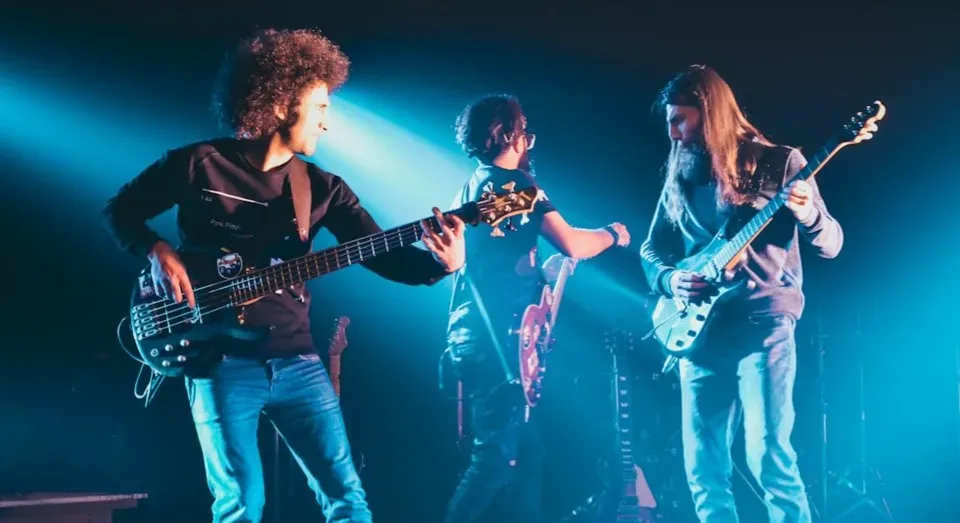
The band’s first album reached number 97 on the Billboard 200. Its nervy, art school take on new wave was a hard sell at the time. The single “Psycho Killer” became the calling card, though it didn’t rocket up the charts.
What looked like an odd fit in 1977 came to define a whole strand of intelligent, danceable rock. The group went on to much bigger success with later records. Their debut is still admired for how fully formed their strange voice already was.
Jeff Buckley, Grace (1994)
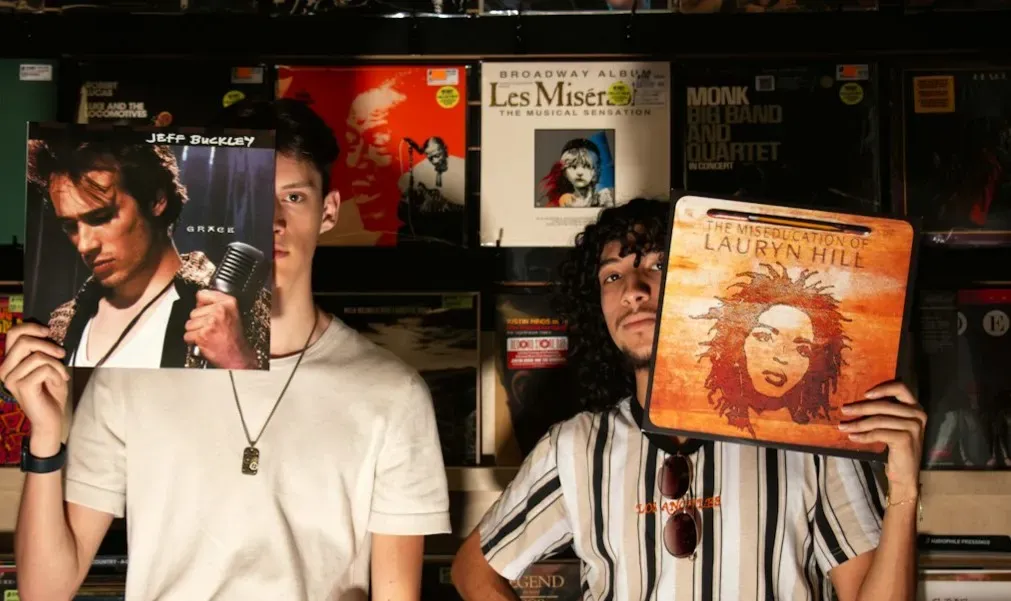
Grace was Buckley’s only completed studio album, and its initial chart run was modest, peaking well outside the top 100 in the United States. Critics and fellow musicians admired it, but it did not become a hit. Buckley drowned in 1997 while working on a follow up.
After his death, the album steadily found new listeners, and its cover of “Hallelujah” gained enormous exposure over time. Grace eventually earned multiple platinum certifications. It now sits on many lists of the best albums of the 1990s.
Partner offer
Planning a trip to Vegas?
Compare hotel rates and show tickets on VEGAS.com.