Writing about movies and making them can look like opposite jobs. One person watches from the seats, the other stands behind the camera. Yet a surprising number of celebrated filmmakers started out at a typewriter, filing reviews before they ever called action.
Their paths differ, and so do their films. What they share is a habit of looking closely, forming opinions, and eventually putting those opinions to the test. Here are nine directors whose early work was criticism.
François Truffaut

Truffaut wrote for Cahiers du Cinéma in the 1950s, where he became known for sharp, combative reviews. His 1954 essay, “A Certain Tendency of the French Cinema,” attacked the polished literary adaptations then dominating French film. It became one of the founding texts of the auteur theory.
He then turned to directing, and his debut feature, The 400 Blows, arrived in 1959. The film won him the best director prize at Cannes that year. It helped launch the French New Wave and showed that a former critic could deliver on his own arguments.
Jean-Luc Godard

Godard also wrote for Cahiers du Cinéma in the 1950s, alongside Truffaut and others in their circle. His criticism was playful and restless, and it often treated Hollywood genre films as serious art. He also made several short films before moving into features.
His first feature, Breathless, came out in 1960. Its jump cuts and loose, street level style broke with conventional editing habits. Much of what he later did on screen carried the same argumentative energy as his writing.
Éric Rohmer
Rohmer was older than most of his New Wave peers, and he edited Cahiers du Cinéma from 1957 to 1963. He wrote extensively about film history and aesthetics. His critical voice was calmer and more scholarly than that of Truffaut or Godard.
As a director, he became known for talky, carefully observed stories about relationships. Series such as his Six Moral Tales and the later Tales of the Four Seasons show a steady, literary approach. He kept making films for decades, into the 2000s.
Claude Chabrol
Chabrol was another Cahiers du Cinéma writer, and he co-wrote a well known book on Alfred Hitchcock with Rohmer. That early study shaped his lasting interest in suspense and moral ambiguity. It also hinted at the kind of films he would later make.
His debut feature, Le Beau Serge, appeared in 1958 and is often cited as an early New Wave film. He went on to direct dozens of thrillers and domestic dramas, with a recurring focus on the French middle class. Titles like La Femme infidèle and Le Boucher are regularly counted among his best.
Partner offer
Jacques Rivette
Rivette contributed to Cahiers du Cinéma in the 1950s and later served as its editor in the early 1960s. His writing was intellectual and demanding, and it championed directors he felt had been overlooked. He was the most experimental of the group in his own filmmaking.
His features often ran very long and relied on improvisation. Out 1, made around 1971, runs for roughly thirteen hours in its full version. Paris Belongs to Us, his first feature, came out in 1961.
Peter Bogdanovich

Before directing, Bogdanovich wrote for Esquire and also programmed retrospectives at New York’s Museum of Modern Art. He published books and monographs on directors such as Orson Welles, John Ford, and Alfred Hitchcock. He drew on long interviews with filmmakers of the older Hollywood generation.
He broke through as a director with The Last Picture Show in 1971, which earned multiple Academy Award nominations. Paper Moon followed in 1973. His critical background shows in how openly his films honor classic Hollywood storytelling.
Paul Schrader
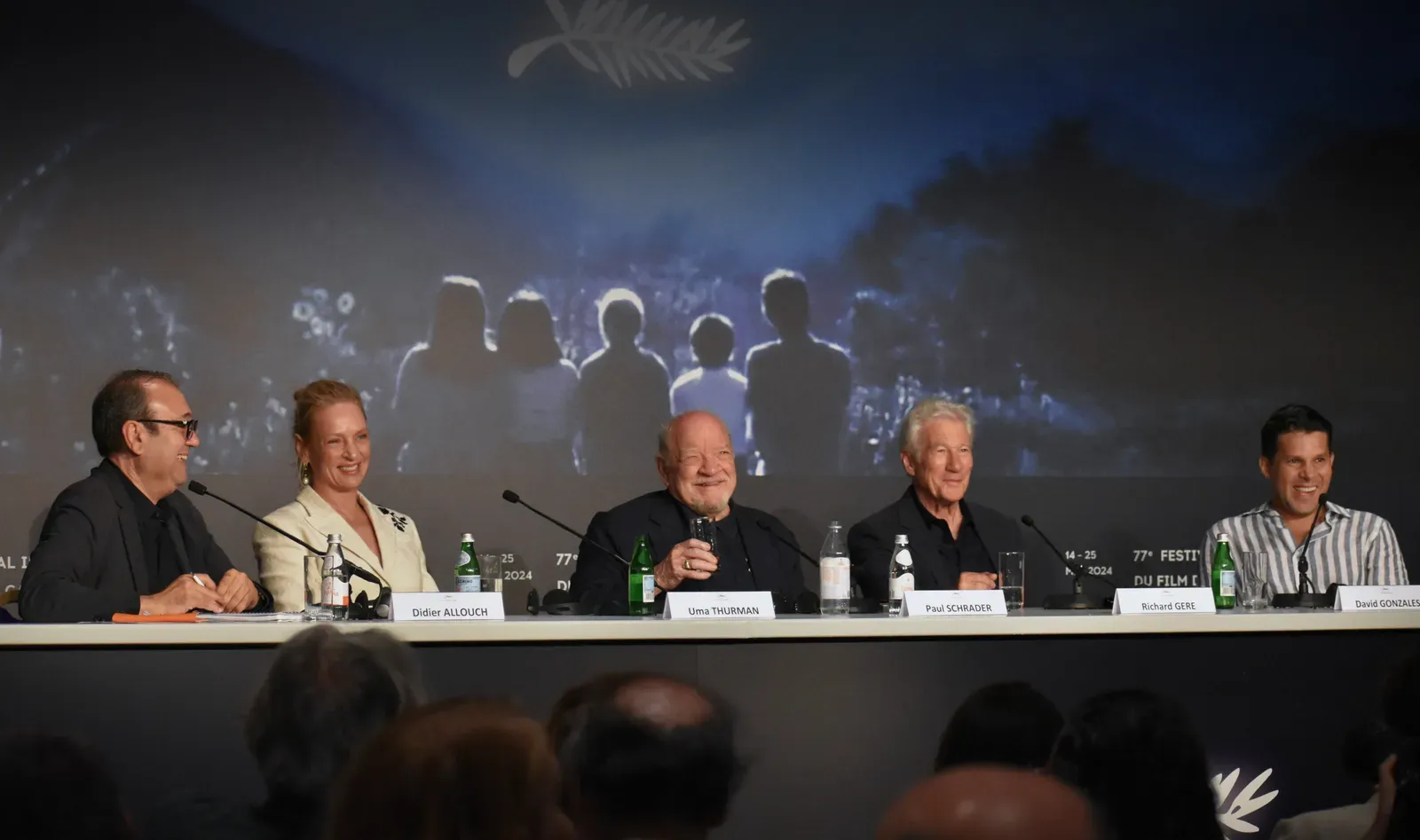
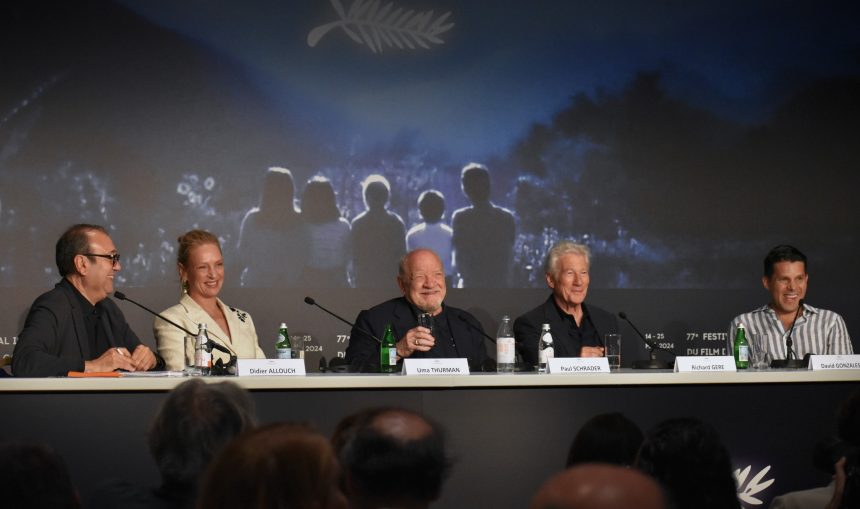
Schrader studied film and wrote criticism for the Los Angeles Free Press and Cinema magazine in the early 1970s. In 1972 he published Transcendental Style in Film, a study of Ozu, Bresson, and Dreyer. The book is still widely read in film studies.
He then became a screenwriter, penning Taxi Driver for Martin Scorsese, before directing his own work such as American Gigolo and First Reformed. His later films often return to the spare, contemplative approach he once analyzed. That connection between the page and the screen is unusually direct.
Roger Ebert
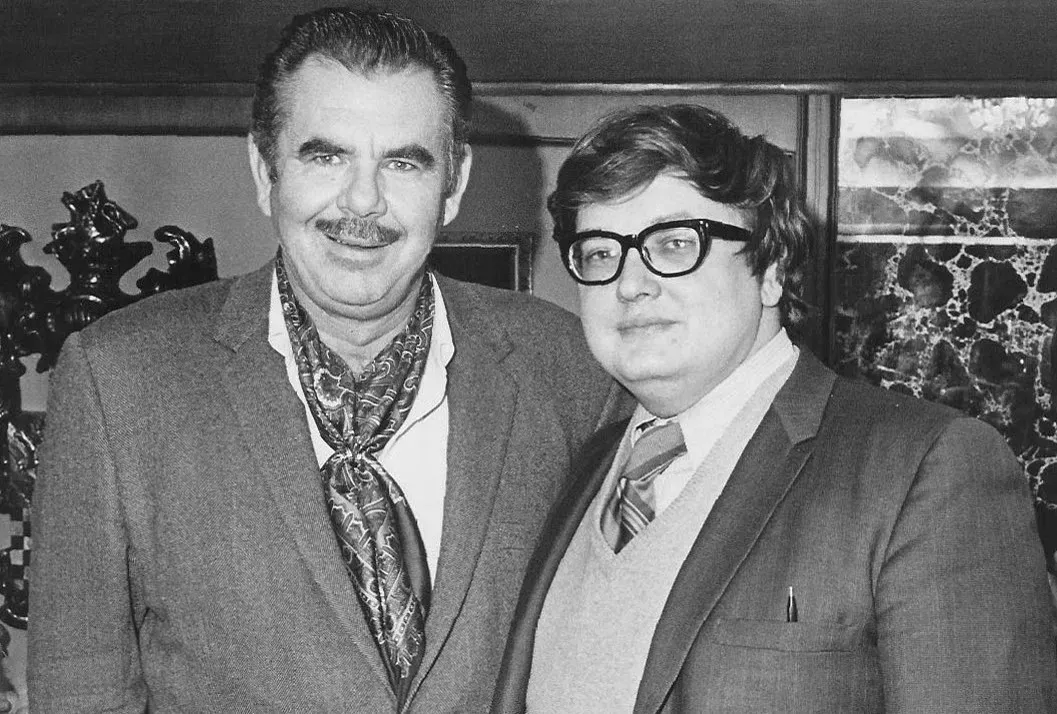
Ebert is best known as the Chicago Sun-Times critic who won the Pulitzer Prize for criticism in 1975. Yet he also tried screenwriting, most famously Beyond the Valley of the Dolls in 1970, directed by Russ Meyer. It was a brief and unusual side trip rather than a directing career, so he sits at the edge of this list.
His inclusion shows how porous the boundary between critic and filmmaker can be. Ebert never became a director, but his screenwriting credit remains a notable footnote in film history. His main legacy is still his decades of criticism and television work.
Olivier Assayas
Assayas wrote for Cahiers du Cinéma in the late 1970s and early 1980s, a later generation than the New Wave critics. He began making short films and then moved to features. His first feature, Disorder, came out in 1986.
He later directed films such as Irma Vep, Clouds of Sils Maria, and Personal Shopper. Personal Shopper earned him the best director prize at Cannes in 2016, sharing it with Cristian Mungiu. His work often reflects a critic’s awareness of cinema’s own history.
Partner offer
Planning a trip to Vegas?
Compare hotel rates and show tickets on VEGAS.com.