Walk into a typical American home in 1965 and you’d notice routines that now feel almost foreign. Some faded because technology made them pointless. Others slipped away as health knowledge, safety rules, and social expectations changed.
None of these habits vanished overnight, and a few still survive in small pockets. Still, as everyday practices, they’ve mostly left the stage. Here are nine worth remembering.
Smoking Almost Everywhere Indoors

In the 1960s, cigarettes were part of ordinary life, lit in offices, restaurants, airplanes, hospitals, and living rooms. The U.S. Surgeon General’s 1964 report linked smoking to lung cancer and other serious disease, yet it took decades for habits to shift. Around 1965, a little over four in ten American adults smoked.
Today the picture is very different. CDC data show adult cigarette smoking in the United States has fallen to roughly one in eleven or twelve adults in recent years. Indoor smoking bans in workplaces, restaurants, and flights turned a daily norm into something most people only see in old films.
Writing and Mailing Letters by Hand
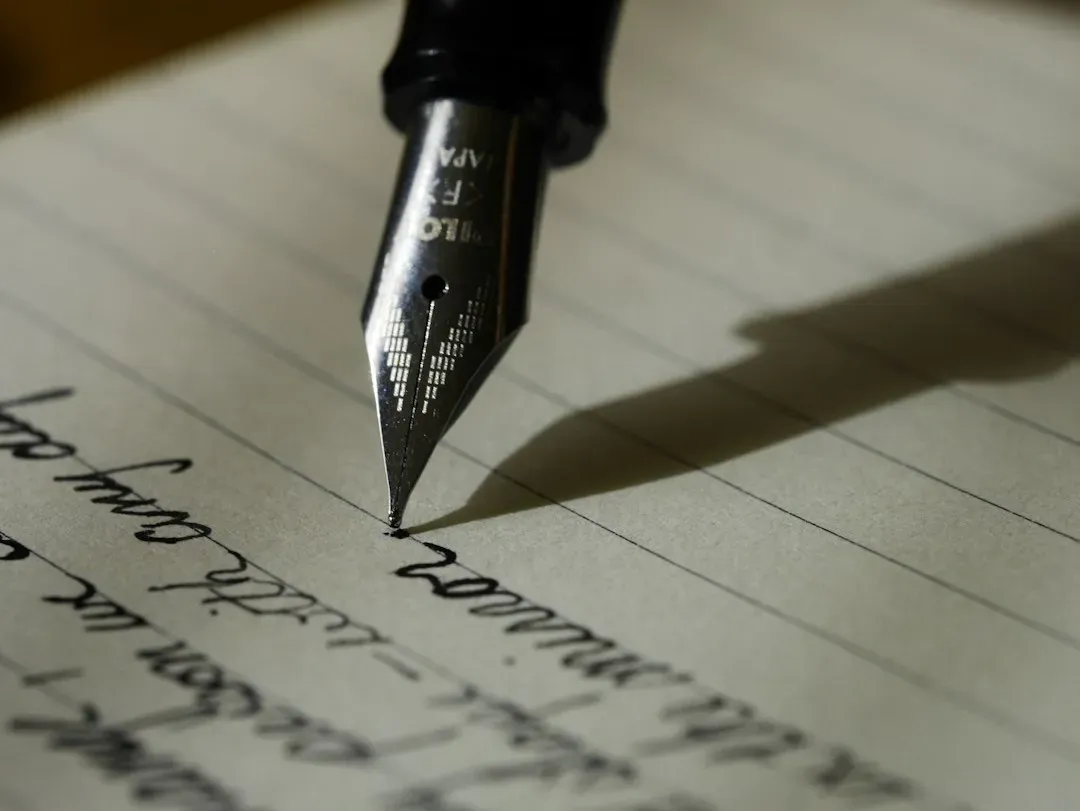
Staying in touch once meant paper, a pen, and a stamp. Families kept in contact with relatives across the country through letters, and a handwritten note was the standard way to say thank you or share news. Postage was cheap, and a mailbox visit was a daily moment of anticipation.
Email, texting, and messaging apps took over this role. The U.S. Postal Service has reported that First-Class Mail volume has dropped dramatically from its peak in the early 2000s. Personal letters still exist, but they’re now a special gesture rather than the default.
Calling Someone on a Shared Party Line
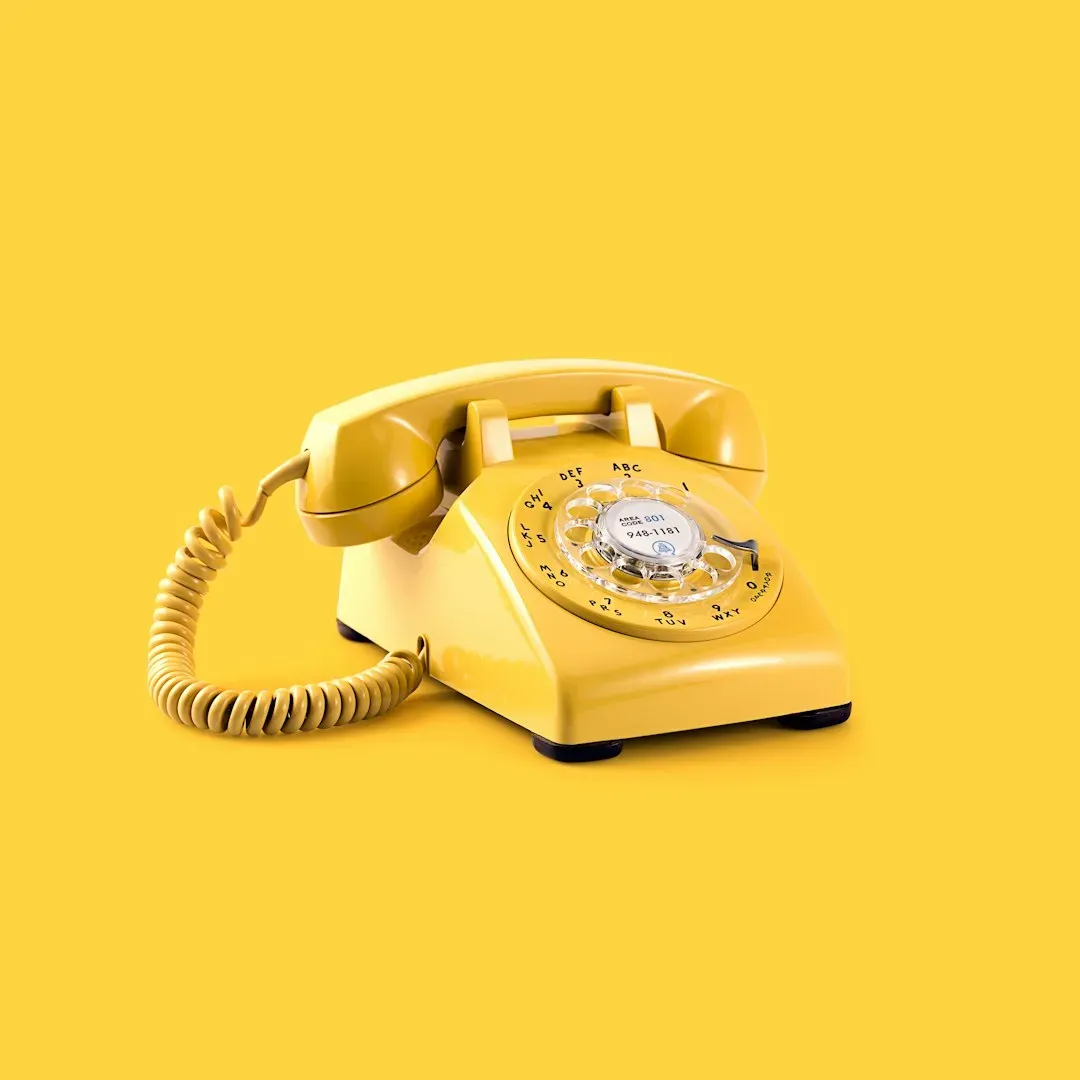
Many households, especially in rural areas, shared a single telephone line with neighbors. You picked up the receiver and sometimes found someone else already talking. Privacy was limited, and neighbors could easily overhear a call.
Private lines became standard as networks expanded and prices fell. Mobile phones later made the idea of a shared line seem almost unbelievable. Today, a phone is usually personal property that travels in a pocket.
Dressing Up to Fly or Go Shopping
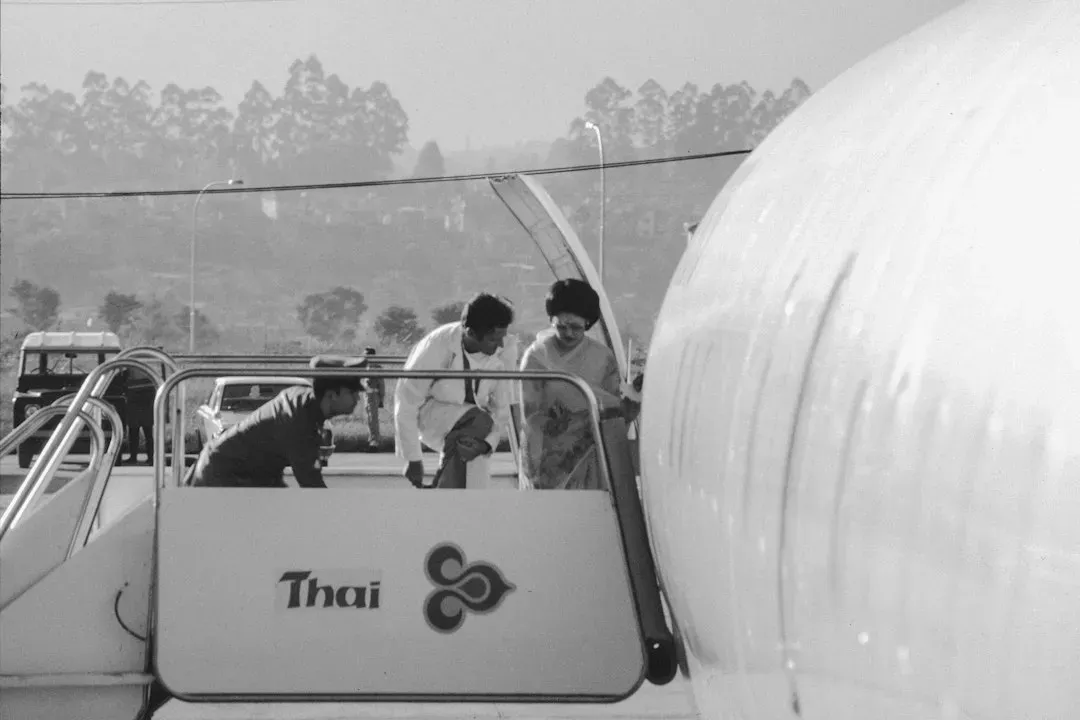
Air travel in the 1960s was still seen as a special occasion, and many passengers wore suits, dresses, and polished shoes. Department store trips also called for a presentable outfit. Looking neat in public was treated as a matter of respect.
Casual dress has since become the norm almost everywhere. Leggings, sneakers, and hoodies are common at airports, and many offices have loosened their dress codes. The old formality survives mostly at weddings, funerals, and a few formal workplaces.
Partner offer
Driving Without Seat Belts
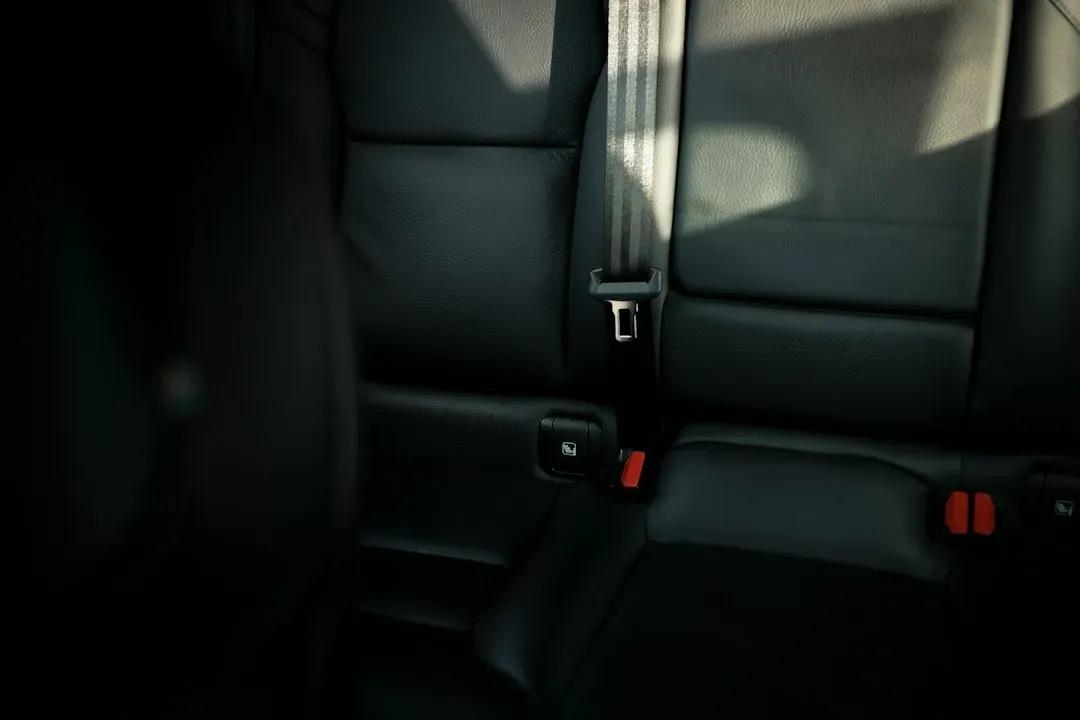
Cars of the early 1960s often lacked seat belts, and children frequently rode loose on the seat or in the front. Federal rules began to change that, and the National Traffic and Motor Vehicle Safety Act of 1966 helped set safety standards. Belt use was still low for years afterward.
Today, belts are standard equipment, and NHTSA reports that observed seat belt use in the United States is above ninety percent. Child car seat laws exist in every state. Riding unbuckled is now widely seen as reckless instead of normal.
Using Printed Phone Books and Paper Maps
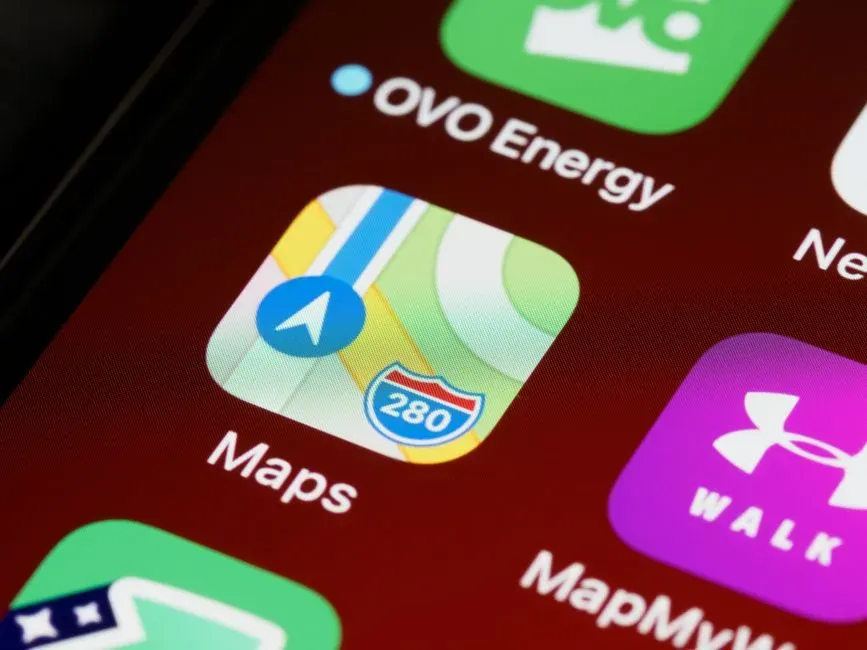
Need a plumber or a friend’s number? You reached for a thick phone directory. Road trips depended on folded paper maps, gas station maps, or atlases, and refolding them correctly was a small family struggle.
Smartphones and GPS navigation replaced both. Directories are now rare, and many areas no longer deliver them by default. Paper maps remain popular with hikers and map lovers, but not as an everyday driving tool.
Watching Television on a Fixed Schedule
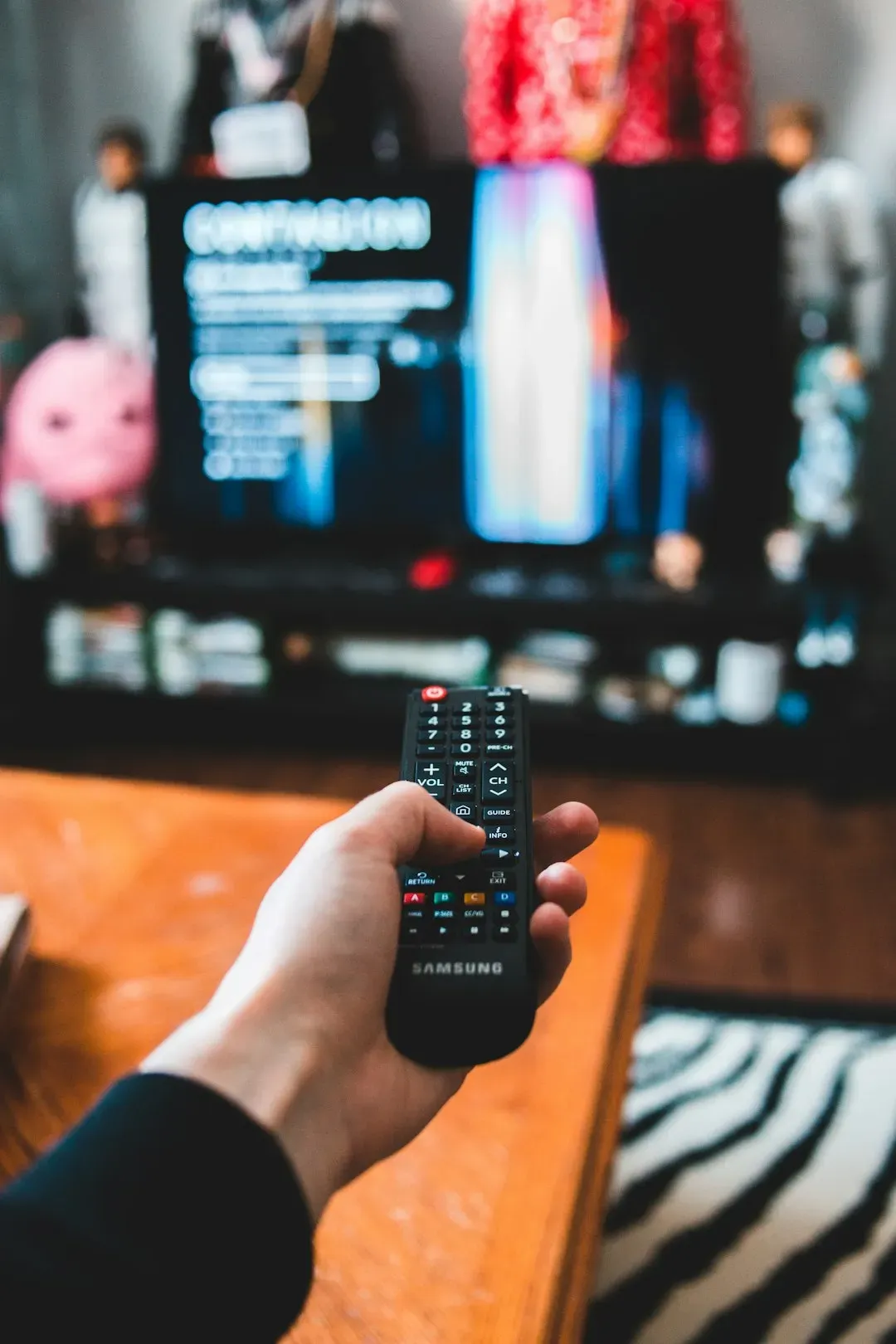
In the 1960s, most households had just a few channels, and a show aired once at a set time. If you missed it, you waited for a rerun, if one came at all. Families often gathered around one set for popular broadcasts.
Streaming, on demand libraries, and personal screens have changed that rhythm. Viewers now choose what to watch, when, and on which device. Shared appointment viewing still happens, mainly with live sports and major events.
Milk and Goods Delivered to the Doorstep

Milkmen were a familiar sight, leaving glass bottles on the porch in the early morning. Bread, eggs, and other items were sometimes delivered too. The routine fit neighborhoods where people shopped close to home and knew their delivery person by name.
Supermarkets, refrigerators, and car culture steadily reduced home milk delivery. A small number of local dairies still offer it, and online grocery services have created a new form of doorstep delivery. The personal, daily route is largely gone.
Paying for Everything in Cash or Check
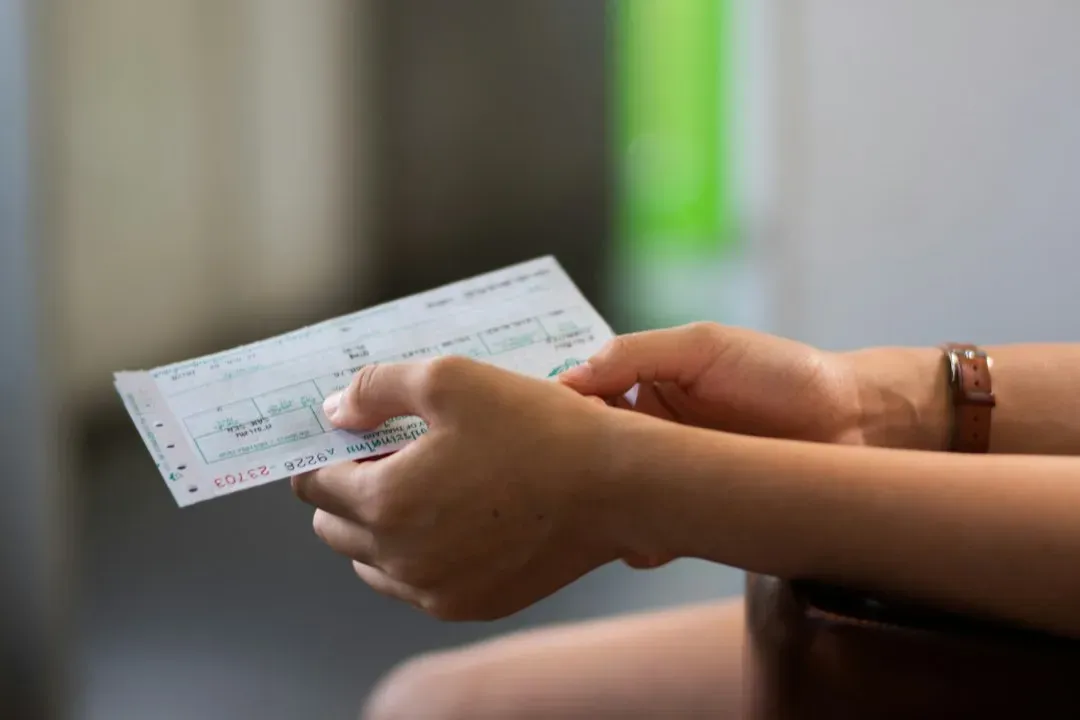
Credit cards were only beginning to spread in the 1960s, and many households relied on cash, checks, and layaway plans. Paychecks were often cashed at the bank, and bills were paid in person or by mail. Keeping a paper checkbook register was an ordinary skill.
Cards and mobile payments now dominate. The Federal Reserve’s payment studies have shown cash making up a shrinking share of U.S. consumer payments, with cards leading. Checks still exist, but they’re increasingly uncommon in daily spending.
Partner offer
Planning a trip to Vegas?
Compare hotel rates and show tickets on VEGAS.com.