


Think you know everything about history’s greatest inventions? Well, here’s the thing. Some of the most revolutionary ideas never saw the light of day. They were buried, forgotten, or dismissed because they arrived too soon. Let’s be real, sometimes the world just isn’t ready for genius.
These weren’t just quirky experiments or pipe dreams. They were working technologies that could have transformed everything from how we power our cities to how we build our structures. What happened to them? Some got lost when their inventors took secrets to the grave. Others were strangled by financial troubles or sheer bad timing. A few just challenged the wrong industries at the wrong moment.
The Antikythera Mechanism

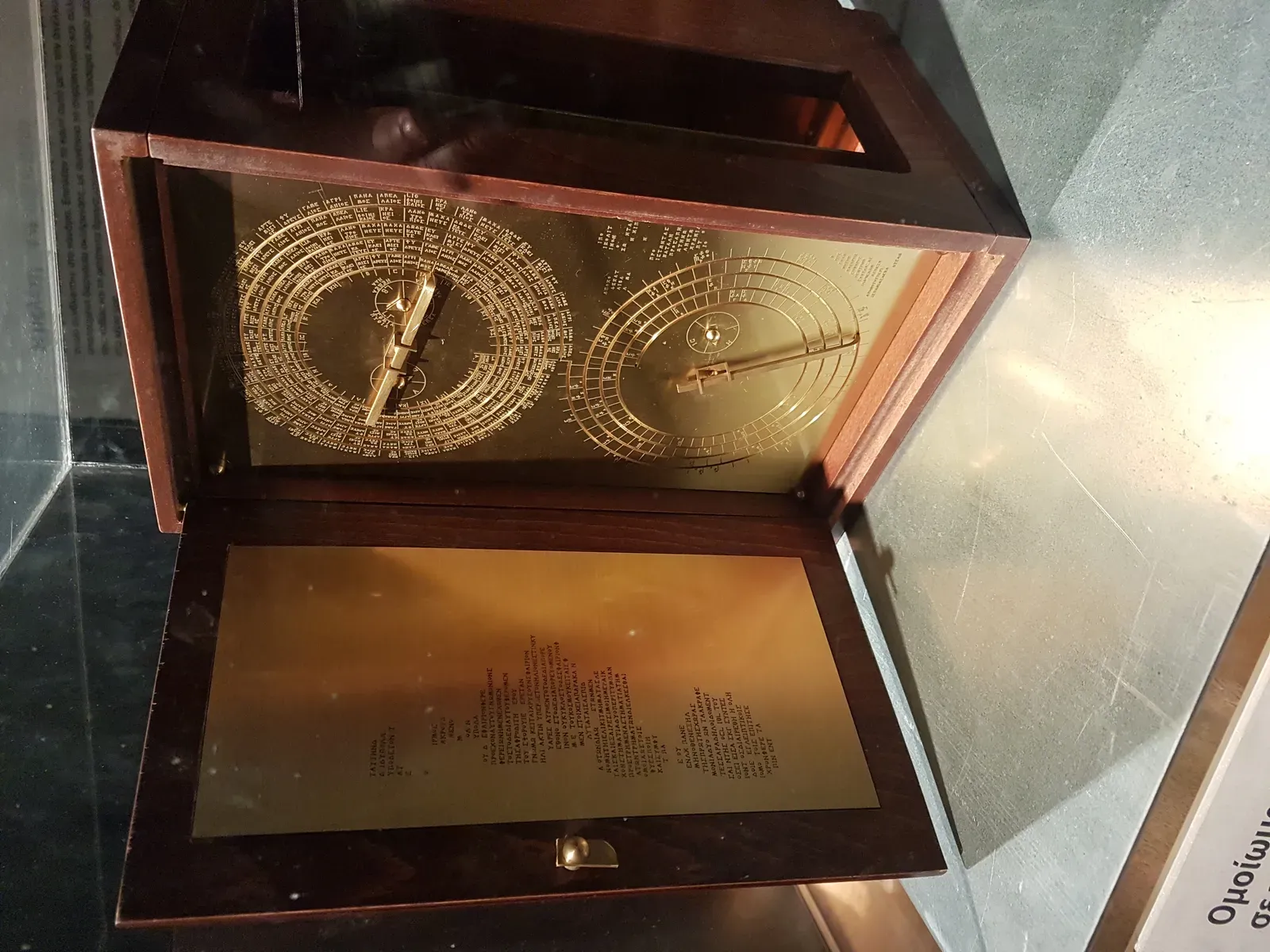
This sophisticated device was built by Hellenistic scientists between 150 and 100 BC, yet machines with similar complexity didn’t appear again until the 14th century in western Europe. Discovered in a Greek shipwreck in 1901, this shoebox-sized bronze calculator was an absolute marvel. The device contained dozens of gear wheels that operated together to track the motion of the sun, the moon, and the five planets known to antiquity.
Recent research in 2024 using gravitational wave analysis techniques revealed that the calendar ring most likely had 354 holes corresponding to the lunar calendar, and that these holes were positioned with extraordinary accuracy. Think about that for a moment. Ancient craftspeople positioned holes with a radial variation of just 0.028 millimeters between each one, without modern tools. Honestly, it’s hard to wrap your head around that level of precision from over two millennia ago.
Starlite


Invented in 1986 by Maurice Ward, Starlite was a special plastic that could withstand over 10,000 degrees Celsius, appeared on BBC’s Tomorrows World in 1990 where an egg coated in the substance was blasted with a 1200-degree torch, and the internal temperature never rose above 35 degrees Celsius. The egg stayed completely raw. High-powered lasers couldn’t destroy it. Simulated nuclear flashes couldn’t destroy it either.
While the exact formula was based on approximately 21 polymers and copolymers with added ceramics, Ward was adamant that he would maintain 51 percent control of projects and wanted to make sure no one could reverse engineer Starlite. He took that formula to his grave. What could we have done with a material like that? Firefighter gear that actually makes them invincible to flames? Spacecraft shielding? We’ll never know now.
The Sloot Digital Coding System

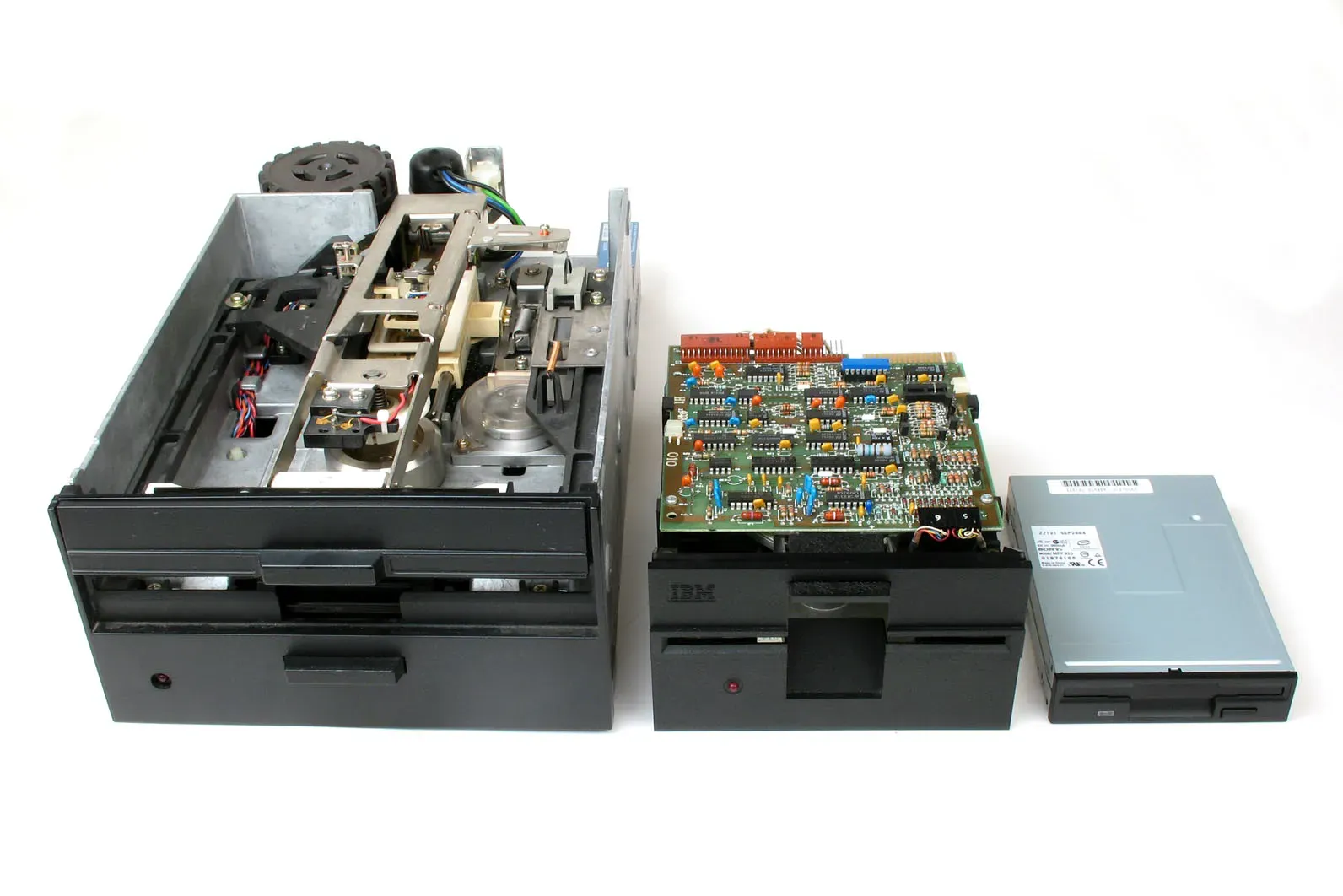
In the mid to late 90s, a Dutch electronics engineer devised a data storage method that could hold a full length film in 8 kilobytes of data, while most modern techniques still require much more data to store a regular movie. Jan Sloot attracted serious investors and even convinced a Phillips executive to leave the company and join his startup. That’s how convincing his demonstrations were.
Just days before Sloot was to release the source code, he was found dead in his garden from an apparent heart attack, and a key piece of the project was housed on a floppy disk in his possession that was never recovered after his death. The whole thing sounds like a techno-thriller plot. To this day, nobody knows if Sloot’s system really worked as promised or if there was some trick involved.
Greek Fire


When the Muslim fleet attempted to lay siege to Constantinople in 674, their ships were doused in flames that could not be extinguished once ignited, and even the sea itself was set ablaze by a military invention known as Greek fire. This liquid burned in water and could only be extinguished with vinegar, sand, and urine, we still don’t know what it was made of, and the Byzantines guarded the secret jealously until the knowledge was eventually lost altogether.
No recipe survives, but historians speculate it might have involved petroleum, sulfur, or gunpowder, with petroleum seeming the likeliest candidate since gunpowder didn’t become readily available in Asia Minor until the 14th century. It’s kind of wild that an entire empire could keep such a powerful military secret for centuries and then completely lose it. Makes you wonder what other lost knowledge is sitting in forgotten manuscripts or never written down at all.
Roman Concrete

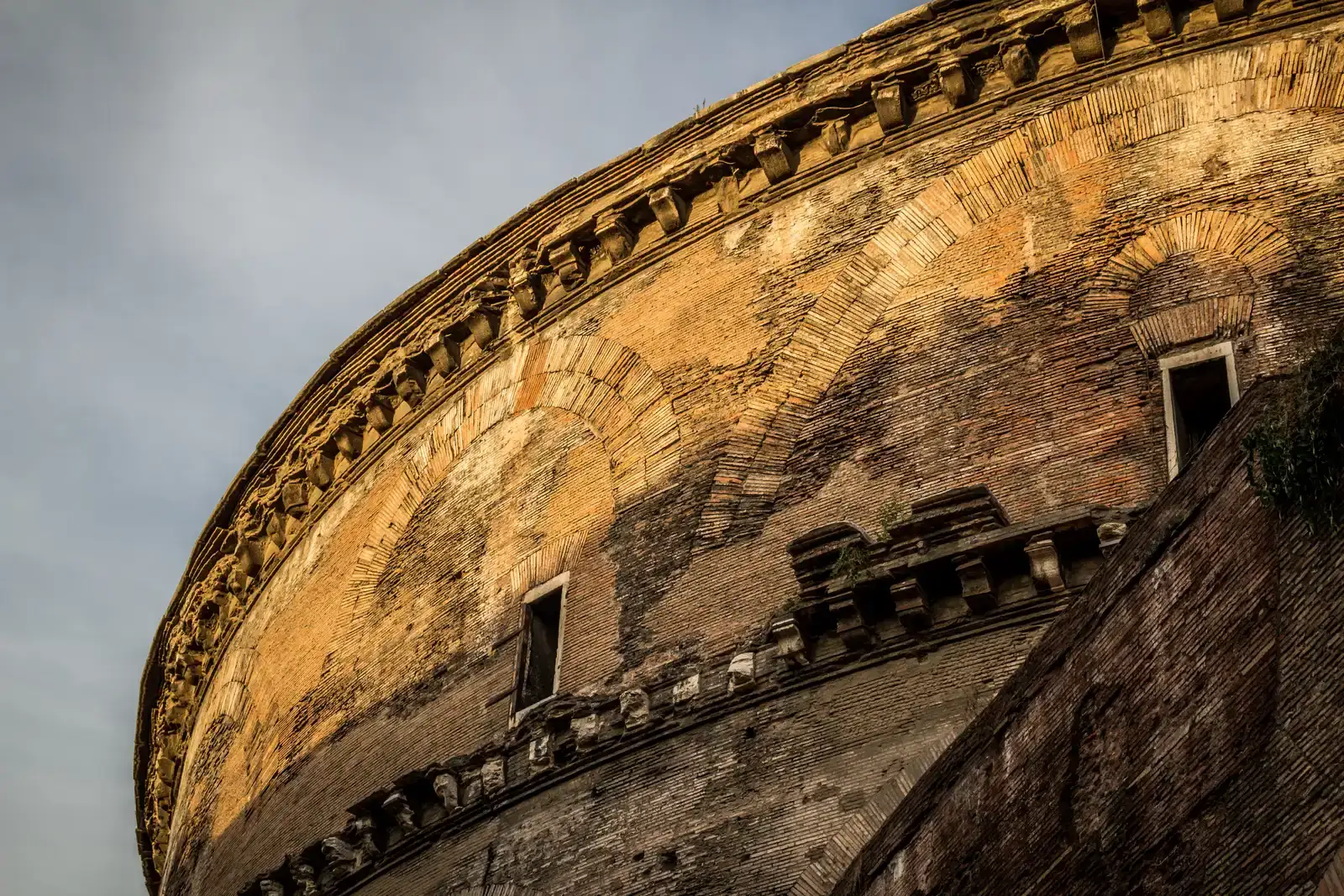
The secret behind Roman concrete has fascinated architects and scientists, as it was used to build structures like the Pantheon and possesses the remarkable ability to grow stronger with age, but the unique mix with volcanic ash ingredient was forgotten after Rome’s fall, and centuries passed before comparable building materials emerged. Walk into the Pantheon today and you’re standing under a concrete dome that’s nearly 2,000 years old. It’s still intact. Still magnificent.
Modern concrete starts crumbling after a few decades in harsh conditions. We’ve only recently started figuring out what made Roman concrete so special. Turns out they weren’t just throwing ingredients together randomly. They understood chemistry in ways that got completely lost for over a millennium.
Damascus Steel

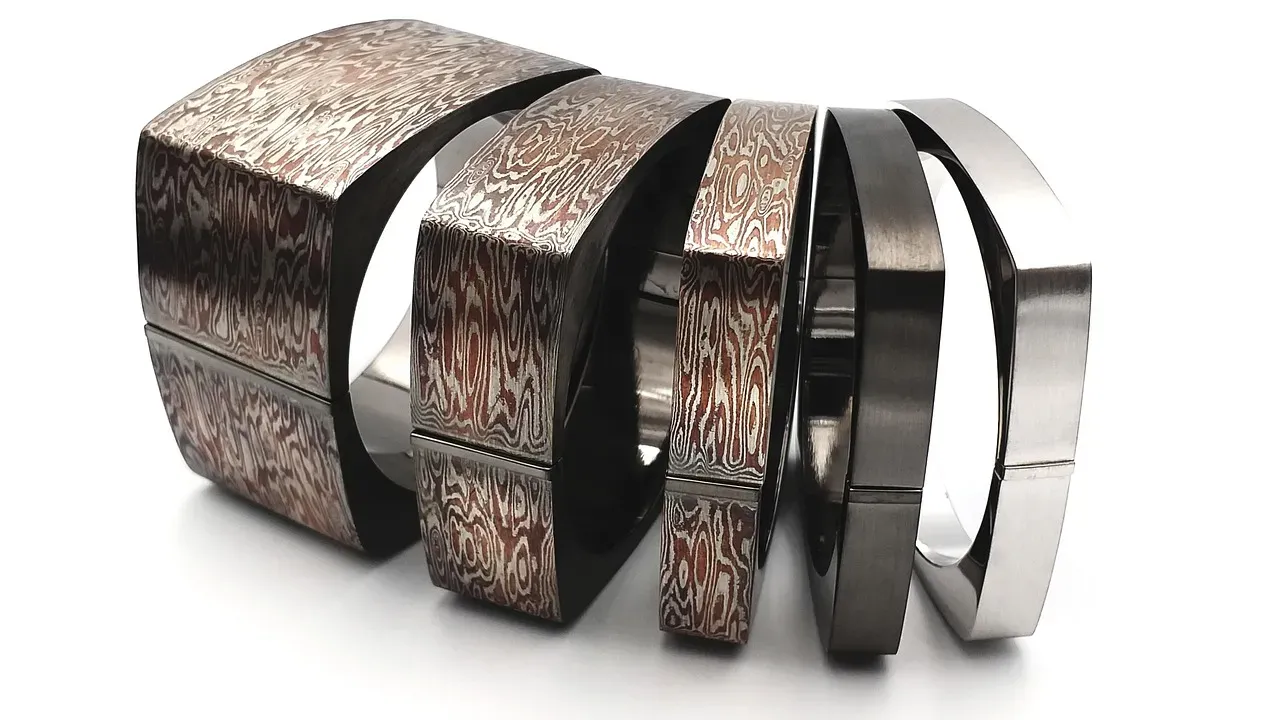
Damascus steel was an incredible piece of technology from the past with distinct water patterns and forged steel for blades that withstood the tests of time and was used as a major element in bonding iron components. Swords made from this material could supposedly slice through European blades like butter. They were sharper, more flexible, and nearly impossible to replicate.
The art of Damascus steel has been lost over time, as it was made from wootz steel from India. Damascus steel was valued for its hardness and technique of creation but has been supplanted by modern methods, with similar modern processes also being devised. Even with all our metallurgical knowledge today, we can only approximate what ancient smiths achieved. That should tell you something about how much knowledge disappeared into the fog of history.
The Baghdad Battery


The Baghdad Battery, also known as the Parthian Battery, is a 2,000-year-old ancient artifact that could be an ancient version of a battery. These clay jars with metal components resemble primitive batteries and may have been used for electroplating or medicinal purposes, though scholars continue to debate their true function. The ancient device was stolen in 2003 and has yet to be found.
Experiments have shown that the object could work as a battery, although the ancient use of this intriguing device is uncertain. Did ancient Mesopotamians really understand electrical current? It’s hard to say for sure. The idea seems almost ridiculous until you remember that the Antikythera mechanism existed too. Maybe ancient peoples understood more about the physical world than we give them credit for.
Zhang Heng’s Earthquake Detector

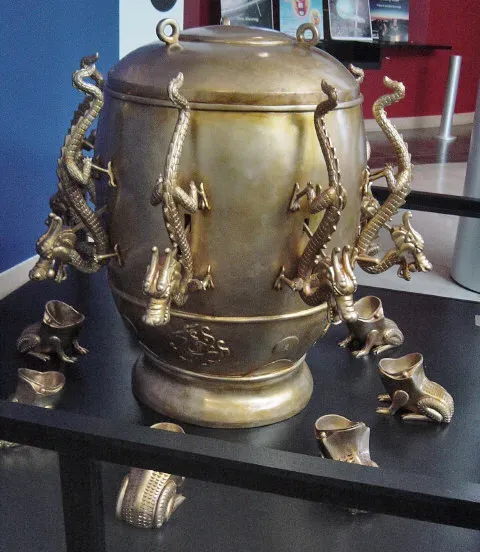
In AD 132, Zhang Heng invented the world’s first earthquake detector, and though not as advanced as today’s seismographs, the Houfeng Didong Yi could determine the occurrence of the slightest earthquake as well as its general direction. The device looked like a big bronze pot adorned with eight dragon heads and eight toads at the base, with each dragon holding a small bronze ball that would drop into a toad’s mouth to show the earthquake’s direction and alert officials.
Dating back 2,000 years ago in ancient China, the Houfeng Didong Yi could detect earthquakes hundreds of kilometers away remotely. Multiple modern recreations have been created, but it is debated whether they are mechanical replicas, with some claiming they do not reach the historically reported level of accuracy and range. The original mechanism was lost to time, leaving us to puzzle over exactly how it worked so well.
The Sinclair C5

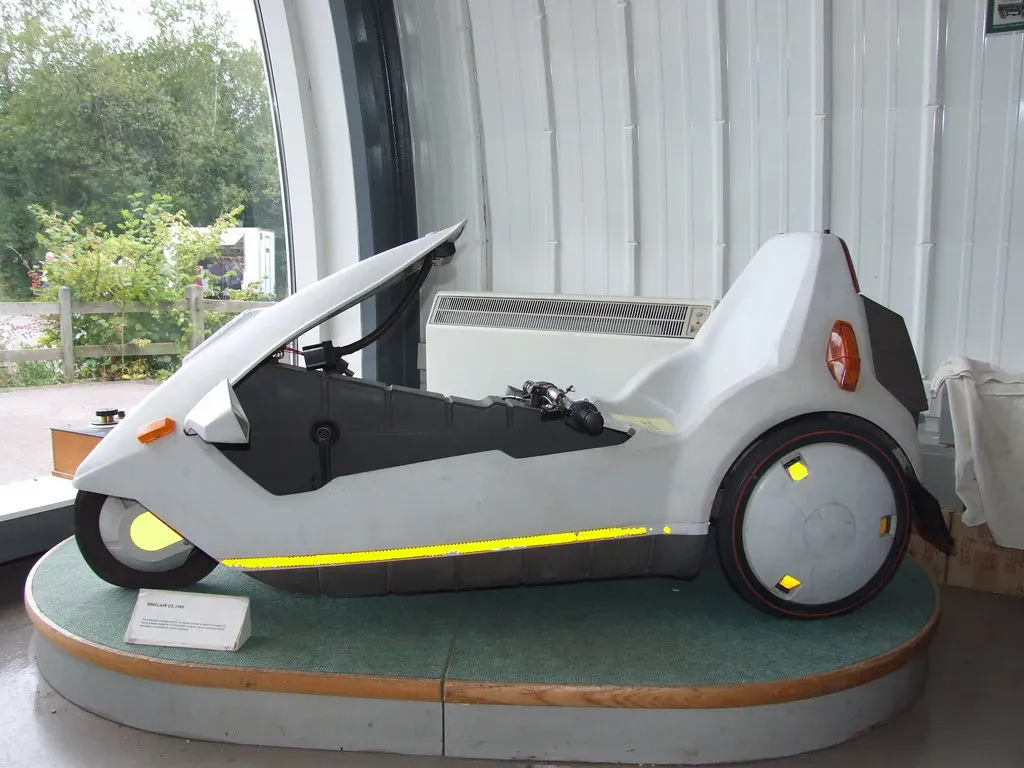
The Sinclair C5 was one of those inventions that was far too ahead of its time, invented by Sir Clive Sinclair who had a great reputation after revolutionizing home computing with the ZX Spectrum in 1982, but when his electric tricycle was launched in 1985 all of that was forgotten. Battery life was low with a range of just 20 miles and the C5 could only achieve a top speed of 24 kilometers per hour, the reviews were dreadful and sales were poor.
Now that battery technology has caught up, had the Sinclair C5 been launched today there is every chance it could be far more successful. It’s actually pretty sad when you think about it. Sinclair saw the future of personal electric transportation decades before Tesla made it cool. He just didn’t have the battery technology to make it work properly. Timing really is everything.
Closing Thoughts


These ten inventions remind us that progress isn’t always linear. Sometimes brilliant ideas arrive before the world has the technology, funding, or mindset to embrace them. Sometimes inventors guard their secrets too closely. Sometimes powerful interests shut down innovation that threatens the status quo.
What’s both fascinating and frustrating is that we’ll never know how different our world might be if these technologies had succeeded. Would we have wireless power grids? Buildings lasting thousands of years? Materials that laugh at extreme temperatures? The gap between what’s possible and what gets implemented can be surprisingly wide. What do you think about these forgotten marvels? Could any of them still change our future if we rediscovered their secrets?


