History books have a funny way of flattening the past. They remember the wars, the empires, the famous names. What they rarely manage to preserve is the strange, deeply human heartbeat underneath it all – the rituals. The ceremonies. The moments when entire societies stopped everything they were doing to participate in something sacred, terrifying, or utterly transformative. These weren’t quirky traditions on the edges of civilization. They were the center of it.
From underground temples to bloodstained altars, from whispered initiation secrets to royal bloodletting ceremonies, these nine forgotten rituals were not merely symbolic. They shaped political power, defined social order, and gave millions of people a reason to believe the world made sense. Some of them are only now being rediscovered by archaeologists. Others never really left us, hiding in plain sight. Let’s dive in.
1. The Eleusinian Mysteries: Ancient Greece’s Most Guarded Secret

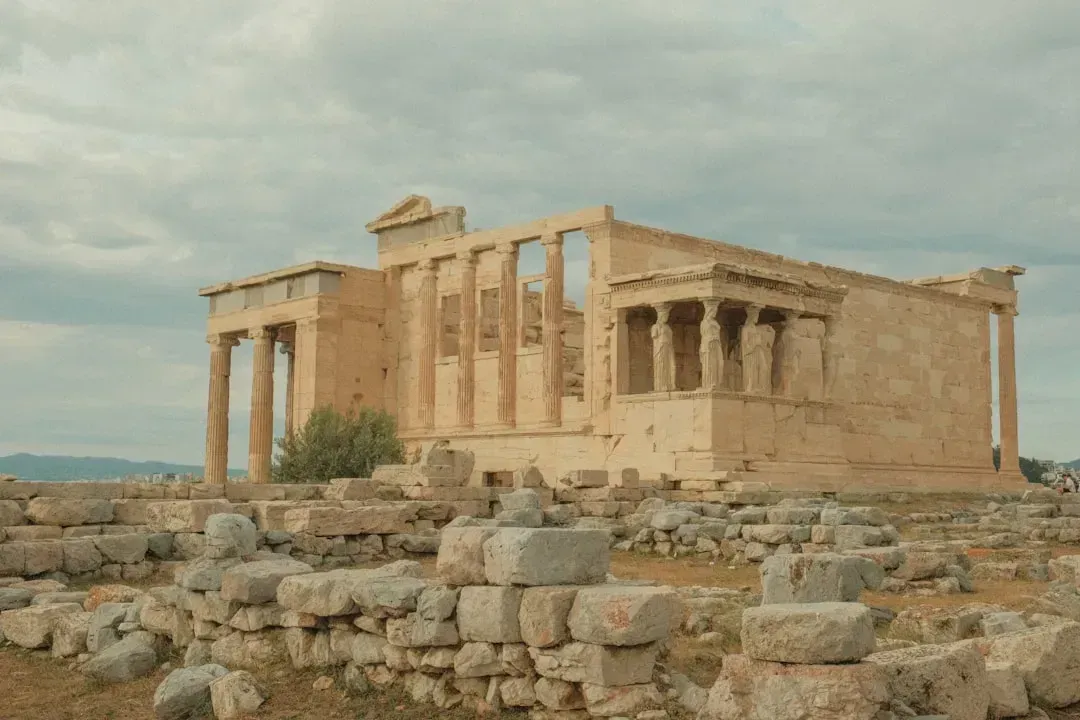
It’s almost unbelievable today, but for nearly two thousand years, the Eleusinian Mysteries were the most sacred and secretive rituals in the ancient Greek world, drawing thousands of pilgrims annually to Eleusis, just outside Athens. These mysteries were open to anyone – men, women, even slaves – so long as they swore an oath of secrecy, and the rituals promised initiates insight into the cycle of life, death, and rebirth, possibly offering a glimpse of something like immortality.
Initiates fasted, underwent purification rituals, and drank a special potion called kykeon, which some believe contained psychoactive substances that induced visions, before witnessing a dramatic nighttime reenactment of Persephone’s descent into the underworld. In 392 AD, the Roman Emperor Theodosius I outlawed pagan rituals across the empire, and soon after the temple at Eleusis was destroyed, erasing the mysteries’ secrets forever. Think about that. Two thousand years of sacred knowledge, gone in a single political decree.
2. Maya Royal Bloodletting: When Power Bled

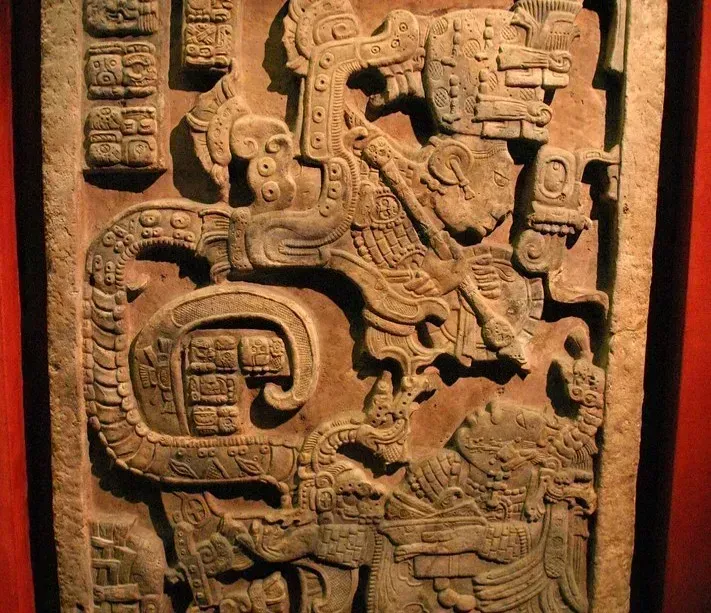
Mayan bloodletting ceremonies were integral to the spiritual and social fabric of ancient Maya civilization, involving the deliberate cutting of the body to release blood as a precious offering to the gods and ancestral spirits, uniquely practiced by nobles as a way to communicate with the divine. Elite men and women would pierce their tongues, ears, and even genitals, letting blood drip onto paper that was then burned as a sacred offering, in ceremonies believed to communicate directly with ancestors and deities and ensure cosmic order.
The act of bloodletting was both personal and public, reinforcing the power and piety of the ruling class, and archaeologists have uncovered carved altars and murals depicting these rituals, revealing their central role in Maya society. They believed that such sacrifices ensured cosmic order and agricultural fertility. Honestly, it’s hard not to be struck by how this wasn’t violence for its own sake – it was a full transaction with the divine, paid in the most personal currency imaginable.
3. The Aztec Death Whistle: A Sound to Shake the Soul

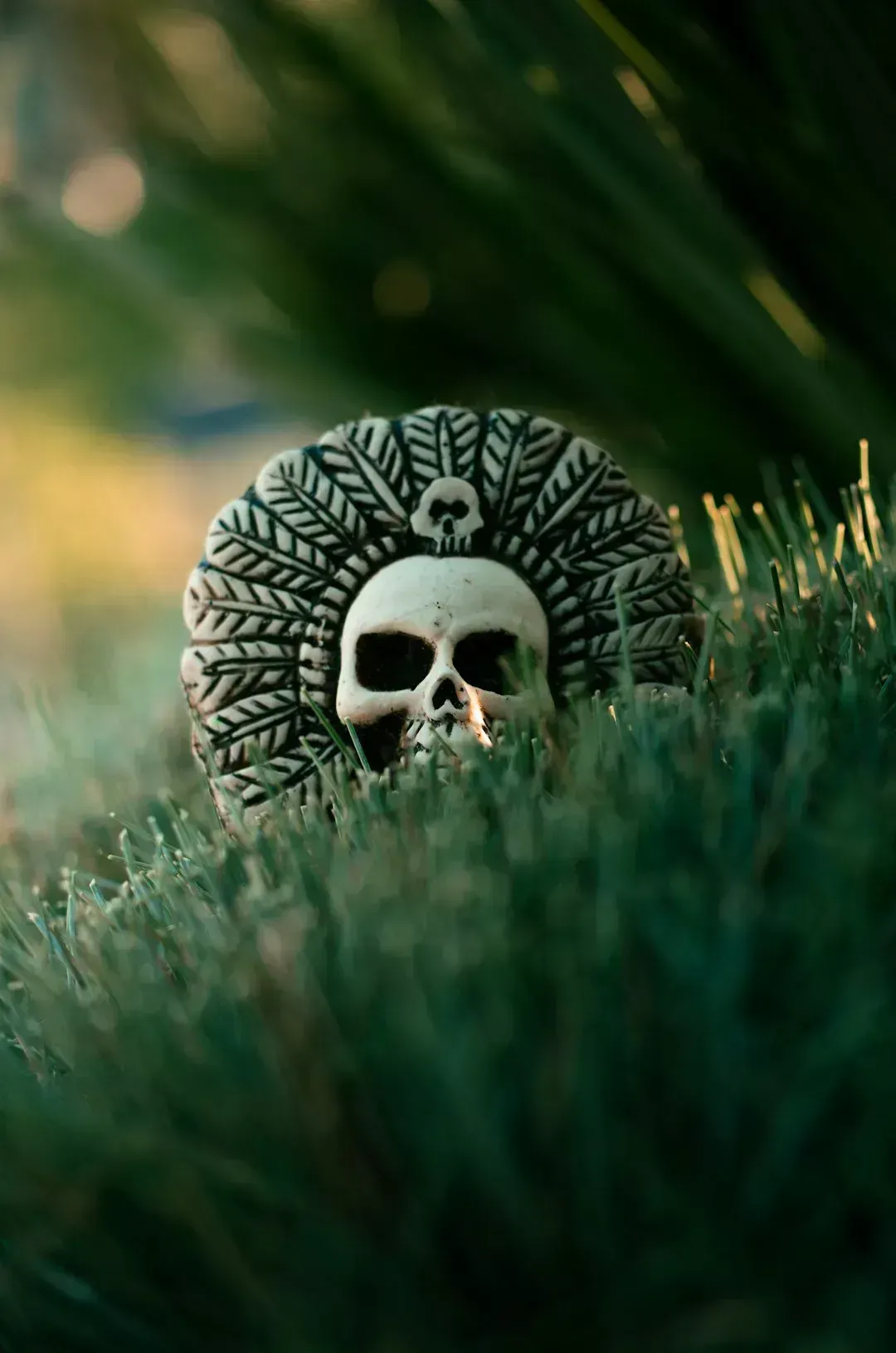
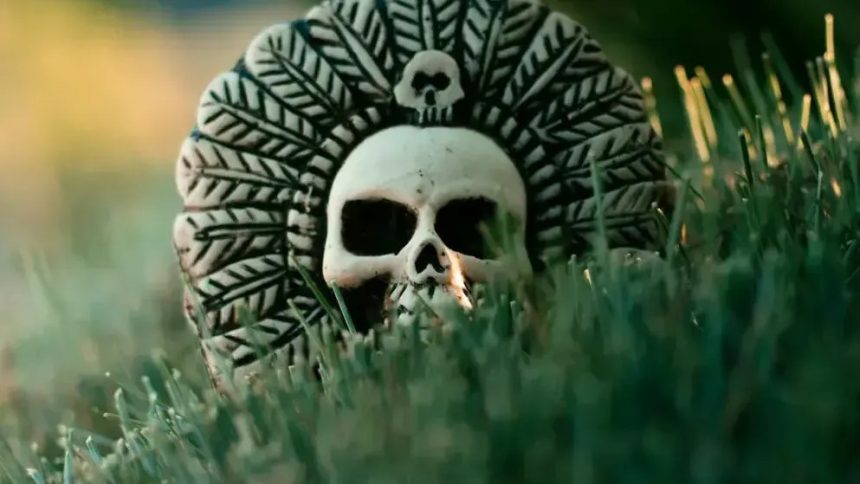
The Aztecs used a unique whistle called the Death Whistle in their ceremonies related to death and the afterlife, crafted in the shape of a human skull or a decapitated head with intricate carvings, made using clay or ceramic materials abundant in the region. During the ceremonies, the Death Whistle was blown to create a haunting sound that resembled the cries of the dead, its purpose being to guide the souls of the deceased to the afterlife according to Aztec beliefs.
The Aztecs believed the gods required human hearts to keep the world in balance, and victims – often prisoners of war – were taken to the top of a temple where priests removed their still-beating hearts, a sacrifice meant to ensure good harvests, victory in battle, and cosmic stability. The Death Whistle was part of this larger sonic theater of the sacred. When archaeologists first blew one of these reconstructed whistles in a modern laboratory, they described the sound as viscerally disturbing. Hearing it once is enough to understand why it worked.
4. The Mesopotamian Sacred Marriage: A King’s Divine Union

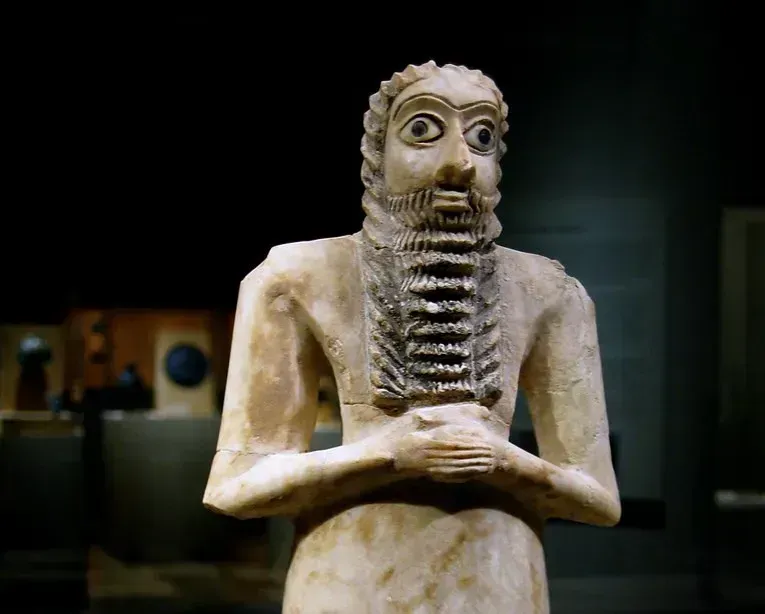
This sacred marriage was thought to ensure fertility for the land and the people, with ritual texts describing elaborate ceremonies, songs, and offerings in which the king and a priestess enacted the union of divine and mortal realms, reinforcing the king’s legitimacy and the idea that human society mirrored the order of the gods. Archaeological discoveries of temple complexes and clay tablets have shed light on how central this ritual was to Mesopotamian life.
In Mesopotamia, ziggurats served as focal points for ritual practices, connecting the terrestrial to the divine. The sacred marriage ritual, known as the Hieros Gamos, was essentially a political performance staged as a cosmic event. It told the population: our king is not just a man. He is the embodiment of divine order itself. That’s a remarkably sophisticated use of ceremony as propaganda, and it worked for thousands of years.
5. Etruscan Augury: When Birds Decided the Fate of Nations

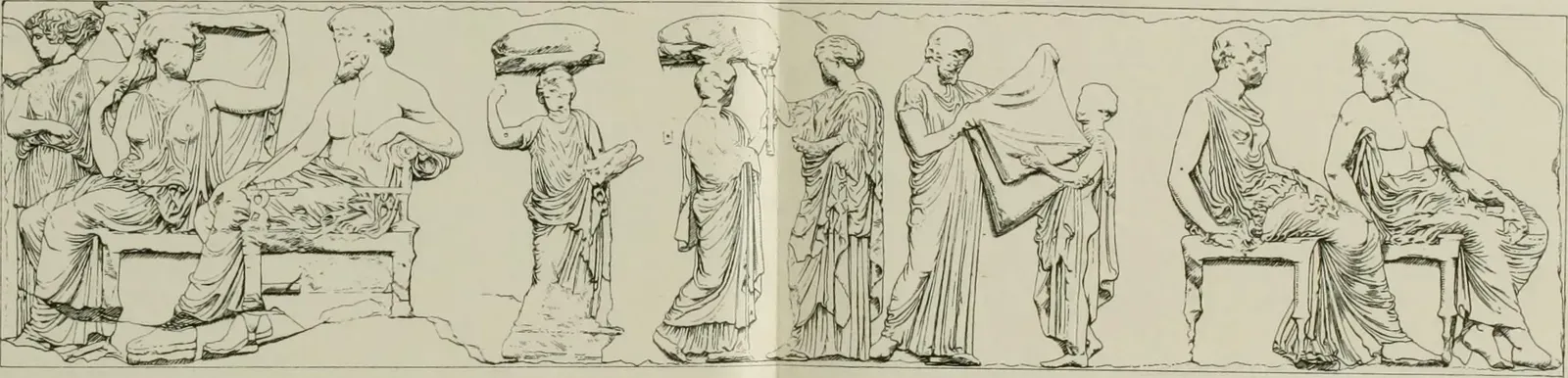
The Etruscans, predecessors of the Romans in Italy, believed that the gods communicated through signs in nature – especially the flight of birds. Augurs, or priest-diviners, would observe the sky, noting the species, direction, and behavior of birds to interpret the gods’ will, and these readings guided decisions on war, politics, and city planning. Clay tablets and bronze models unearthed in ancient Etruscan sites show just how systematic and sophisticated augury was, and the practice was later adopted by the Romans, becoming central to their religion and government.
Here’s the thing about augury that most people miss: this wasn’t superstition in the way we understand it today. It was a formal science, complete with trained specialists, documented rules, and bronze instruction manuals. Augury is a striking example of how early civilizations tried to decode the mysteries of fate by looking to the natural world for answers. Entire military campaigns were launched or cancelled based on which direction a hawk flew. Rome literally ran on bird omens for centuries.
6. The Mithras Cult: Brotherhood in the Underground

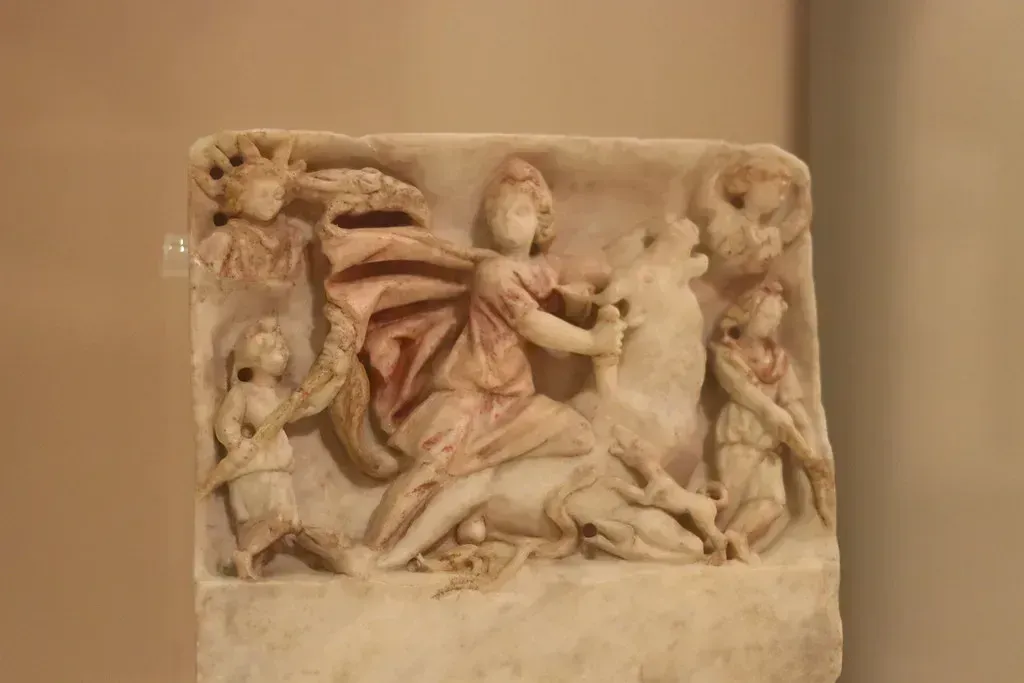
While many ancient religions operated in the open, the worshippers of Mithras did the opposite. This mysterious cult, which spread across the Roman Empire, held its rituals in hidden underground temples called mithraea, and many of these still exist today beneath modern cities. Mithraism was a religion centered around Mithras, a Persian god of light and war, and unlike most religions of the time, it was exclusively male and had a strict hierarchy of initiations.
Think of it as the ancient world’s most exclusive secret society, one that operated right beneath the streets of Rome. Members progressed through seven ranks, each requiring its own initiation ordeal. Scholars still debate whether these included symbolic deaths and rebirths. What’s undeniable is that Mithraism spread rapidly through the Roman military, binding soldiers together through shared secrets and brotherhood. It’s hard not to see a direct line between Mithraic ritual and later fraternal orders throughout history.
7. Egyptian Hallucinogenic Rituals: The Gods Behind the Drug
Scientists found a blood-colored hallucinogenic concoction in a 2,200-year-old vase depicting the dwarf god Bes, evidence that the Egyptians may have engaged in a hallucinogenic ritual that helped reenact a mythical story in which Bes tricks the sky goddess Hathor – who was in a bloodthirsty mood – by giving her an alcoholic beverage spiked with a plant-based drug disguised as blood, putting her into a deep sleep of forgetfulness.
Researchers at the University of South Florida investigated the organic residue of a Bes ritual vessel and found traces of wild rue, Egyptian lotus, and a plant from the cleome family, offering tantalizing clues about the use of psychotropic substances in ancient Egyptian ritual, with the vessel dated to the 2nd century BCE. Few civilizations invested as much in ritual as ancient Egypt, whose culture revolved around the idea of balance, or ma’at, with rituals central to maintaining cosmic harmony. The idea that priests used carefully dosed hallucinogens to enter divine states reshapes how we think about Egyptian temple religion entirely.
8. Sokushinbutsu: The Japanese Monks Who Became Living Buddhas

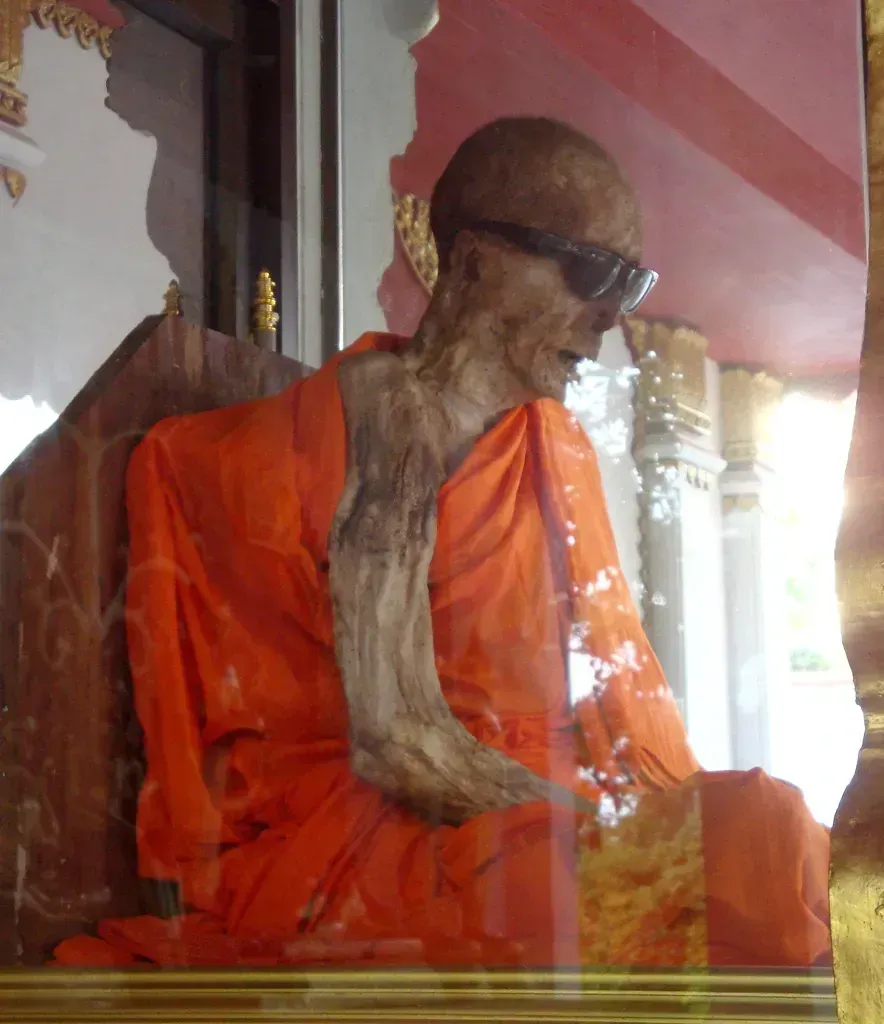
The self-mummification of Buddhist monks, known as Sokushinbutsu, was a ritual that took place in Japan from the 11th to the 19th century, involving a gradual deprivation of food and water by the monk, who would also engage in spiritual activity including meditating in a small, confined space. The process could take years. A monk would shift to a diet of nuts, bark, and roots to strip the body of fat, then move to a diet of toxic lacquer tea to make the flesh unpalatable to insects. It was, in effect, a living transformation into a sacred object.
The goal was not death in the traditional sense. The goal was enlightenment so total and complete that the physical body itself became a relic. Rituals have played a significant role in human civilization since ancient times, from birth to death, performed for various reasons including seeking blessings, appeasing the gods, expressing gratitude, and even for entertainment. Sokushinbutsu takes this idea to an extreme few cultures ever approached. To this day, several of these self-mummified monks are still on display at temples in northern Japan, sitting exactly where they completed their transformation centuries ago.
9. Viking Ship Funerals: Setting the Dead Ablaze on the Sea

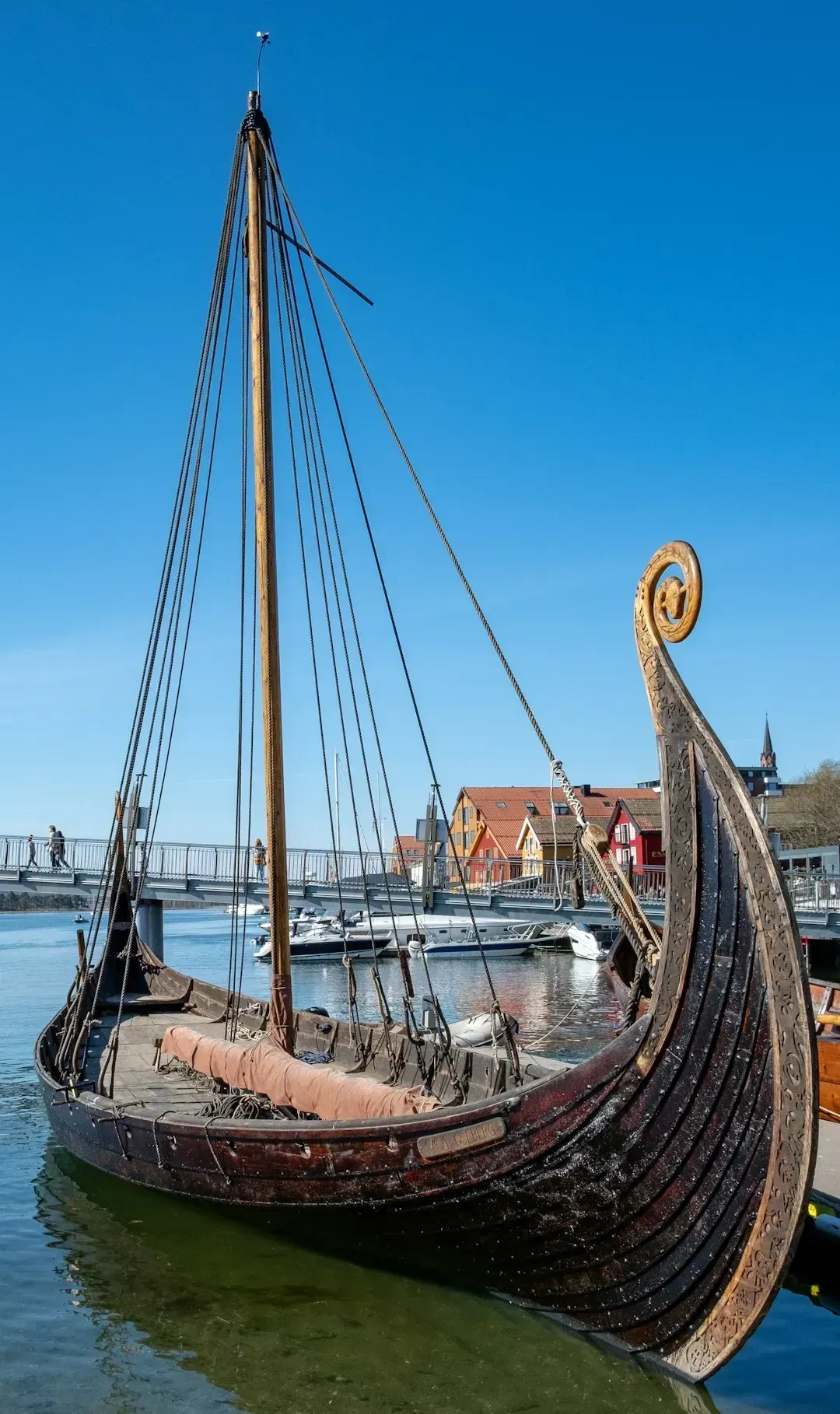
For fallen Viking warriors, death was just the beginning of their journey to Valhalla. Some funerals involved setting a ship ablaze and sending it out to sea, symbolizing the warrior’s passage to the afterlife, while in other cases slaves or concubines were sacrificed to accompany their lord in the next world. Archaeological finds suggest that Viking funerals were as grand as the legends that surround them.
The ship burial wasn’t just about honoring the dead – it was a statement of power to the living. Every plank of timber, every piece of gold placed in the grave, every life sacrificed in the ceremony told onlookers exactly where the deceased ranked in the cosmic order. Archaeology shows us not only the grandeur of such rituals but their deep human motivation: to secure eternity, to transform death into a continuation of life. What is remarkable is how personal these rituals felt – not cold obligation, but genuine, fiery grief expressed at the grandest possible scale.
Across every continent and every era, these rituals share one quality that modern life rarely offers: the feeling of absolute seriousness. In these ceremonies, nothing was casual. Every gesture meant something. Every drop of blood, every whispered oath, every burning ship carried the full weight of a civilization’s beliefs about life, death, and what lay beyond. It’s worth asking – what do our own modern rituals say about us, and which of them will future archaeologists find just as astonishing?
What would you have guessed still lies buried, waiting to rewrite everything we thought we knew? Tell us in the comments.