When you think about trust, you probably picture something solid and unshakeable. Yet, history has shown us repeatedly that loyalty can be fragile as glass. The most devastating betrayals didn’t happen between strangers or rivals – they occurred between friends, comrades, and allies who once fought side by side.
These weren’t simple disagreements or falling-outs. These were acts that toppled empires, changed the course of wars, and literally reshaped civilization. What makes them so unsettling is that in each case, the victims trusted their betrayers completely. Let’s dive into stories that prove loyalty can be more dangerous than any weapon.
Marcus Brutus and Julius Caesar: Et Tu, Brute?

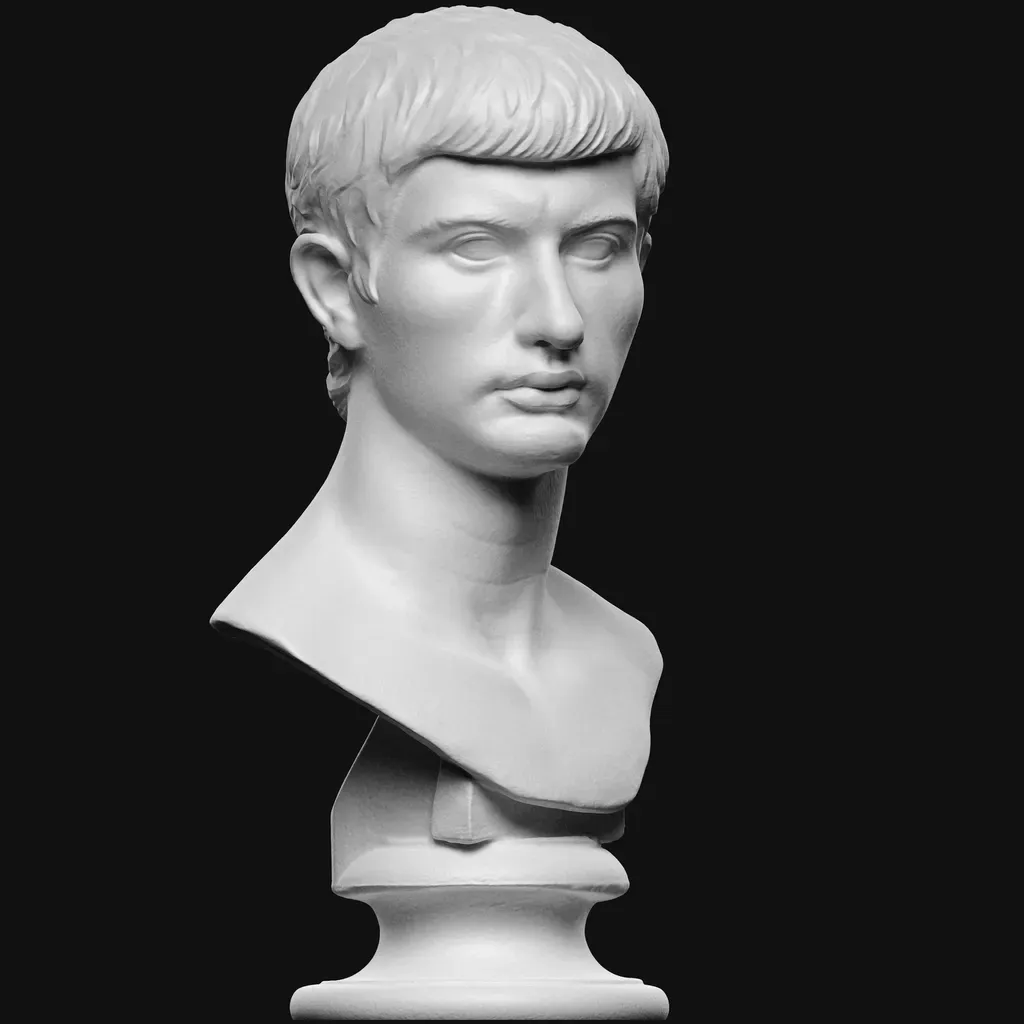
In 44 BCE, Julius Caesar was assassinated by a group of senators who believed they were saving the Roman Republic from tyranny, yet the most shocking conspirator was Marcus Junius Brutus, once a close ally of Caesar. Caesar had maintained a long affair with Brutus’s mother, Servilia, and took a “fatherly” interest in Brutus’s career, looking out for him throughout his political rise. By autumn 45 BC, Brutus faced an impossible choice between his family’s legacy of tyrannicide and his friendship with Caesar, as graffiti mocking Caesar’s royal ambitions appeared everywhere, taunting Brutus to either betray his family legacy or betray his closest political ally. Brutus was the last person to stab Caesar, and the event was so shocking that Caesar’s final words were uttered in disbelief that Brutus would be among his betrayers. Dante placed Brutus in the lowest circle of Hell alongside Judas Iscariot, where he is personally tortured by Satan for his betrayal of Caesar.
Benedict Arnold and George Washington: Revolutionary Traitor

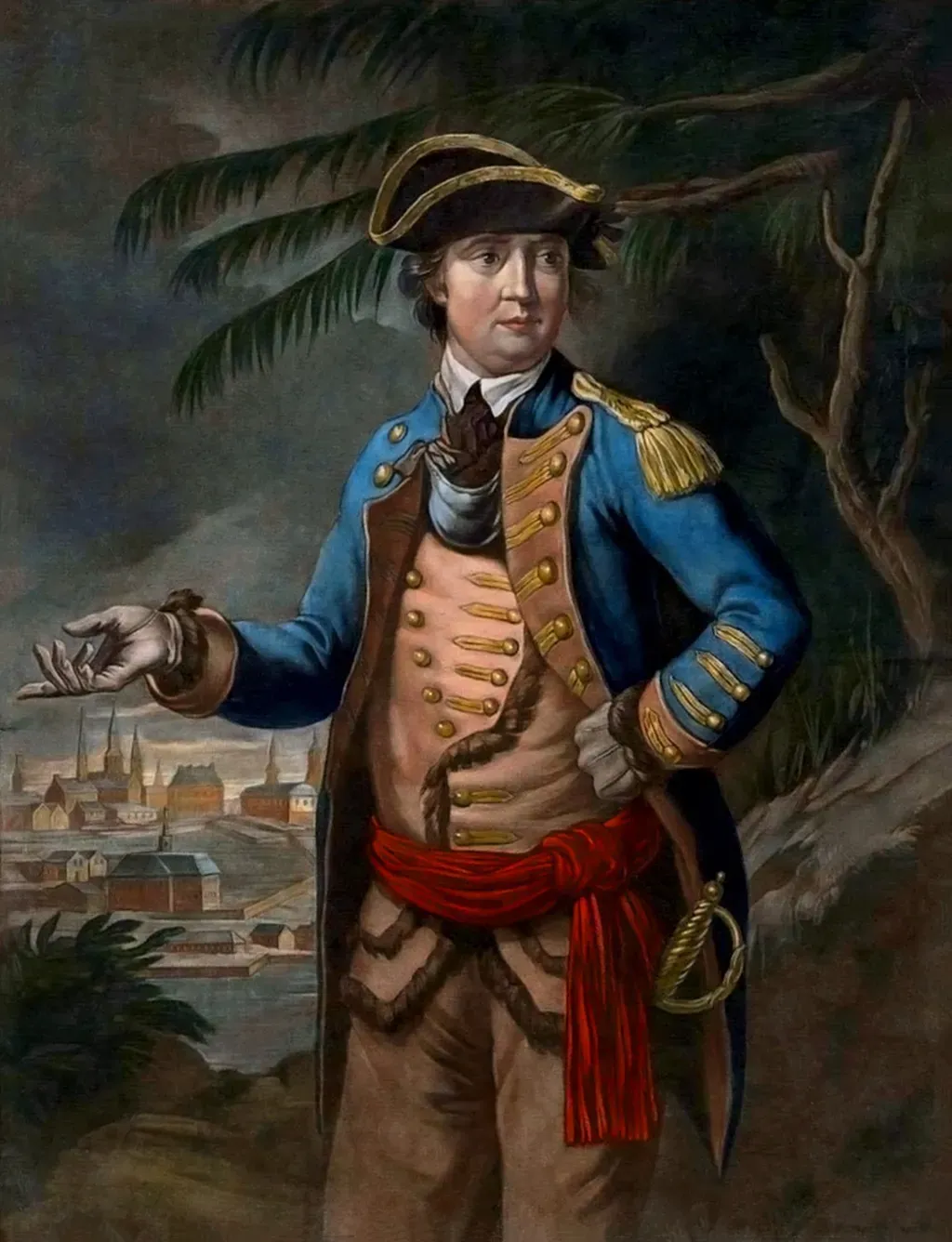
Benedict Arnold fought successfully in 1776 at Lake Champlain and achieved his greatest victory at Saratoga in 1777, which led to French involvement in the war – yet George Washington thought of Arnold as his “fighting general” and supported him as much as possible until Arnold’s defection to the British on September 25, 1780. Few soldiers had contributed more to the Revolutionary cause than Benedict Arnold, having exhibited extraordinary initiative and bravery on the battlefield and been severely wounded twice at Quebec and Saratoga. Arnold had been badly wounded twice in battle and lost his business in Connecticut, growing resentful of several rival and younger generals promoted ahead of him, and especially galling was a long feud with civil authorities in Philadelphia that led to his court-martial; Washington gave him a light reprimand, but it merely heightened Arnold’s sense of betrayal, though he had already opened negotiations with the British before the court-martial began. When presented with proof of Arnold’s treason, Washington said, “Arnold has betrayed me. Whom can we trust now?”. In popular culture, the words “Benedict Arnold” became synonymous with treason or becoming a traitor, and at West Point, Arnold’s name was erased from a series of monuments honoring Revolutionary War generals.
Joseph Stalin and Leon Trotsky: Revolution Devoured

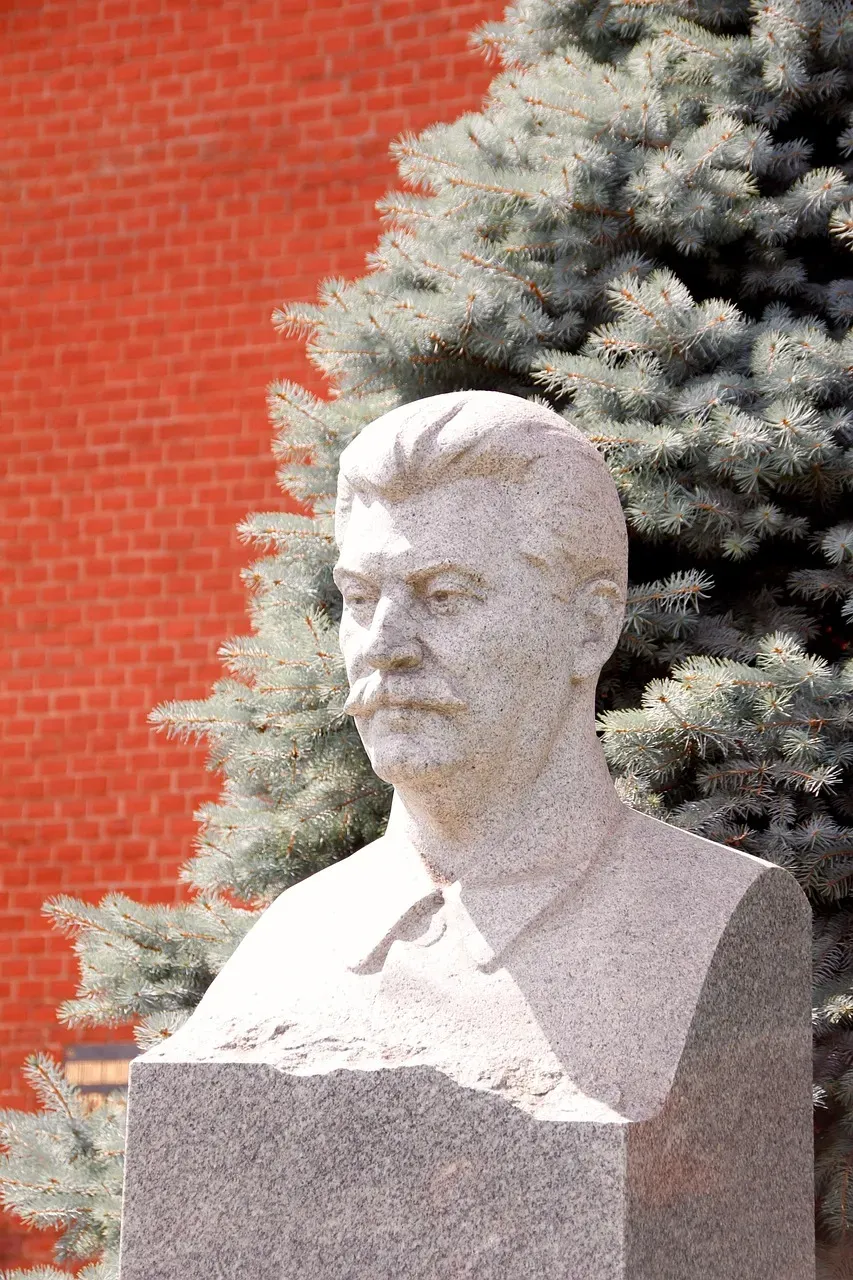
Trotsky appeared to be Lenin’s natural successor, but he lost a power struggle to Stalin following Lenin’s death in 1924; Trotsky became increasingly critical of Stalin’s totalitarian tactics, and his belief in permanent global proletarian revolution ran counter to Stalin’s thought of communism surviving in the Soviet Union alone – sensing a threat to his power, Stalin expelled Trotsky from the Politburo and the Communist Party before exiling him to present-day Kazakhstan and banishing him from the country altogether in 1929. In his books and articles written in emigration, Trotsky called Stalin “Hitler’s intendant” and criticized his cult of personality, totalitarianism, and especially bureaucracy; the excuse for Trotsky’s assassination was the comparison he made between the USSR and Nazi Germany, with Stalin later explaining the necessity to eliminate his former ally by stating that Trotsky had to be eliminated within a year before inevitable war. On August 20, 1940, Leon Trotsky was fatally attacked by NKVD agent Ramón Mercader with an ice axe at his residence in Mexico City, and despite initially surviving, Trotsky died at a nearby hospital the next day from his injuries. The assassin’s real name was Ramon Mercader, a Spanish communist recruited by the brutal Soviet intelligence agency NKVD during the Spanish Civil War who, posing as Belgian playboy Mornard, seduced Trotsky’s secretary Sylvia Ageloff after meeting her in Paris and used her ties to gain access to Trotsky’s compound.
Ephialtes and King Leonidas: The Nightmare of Thermopylae

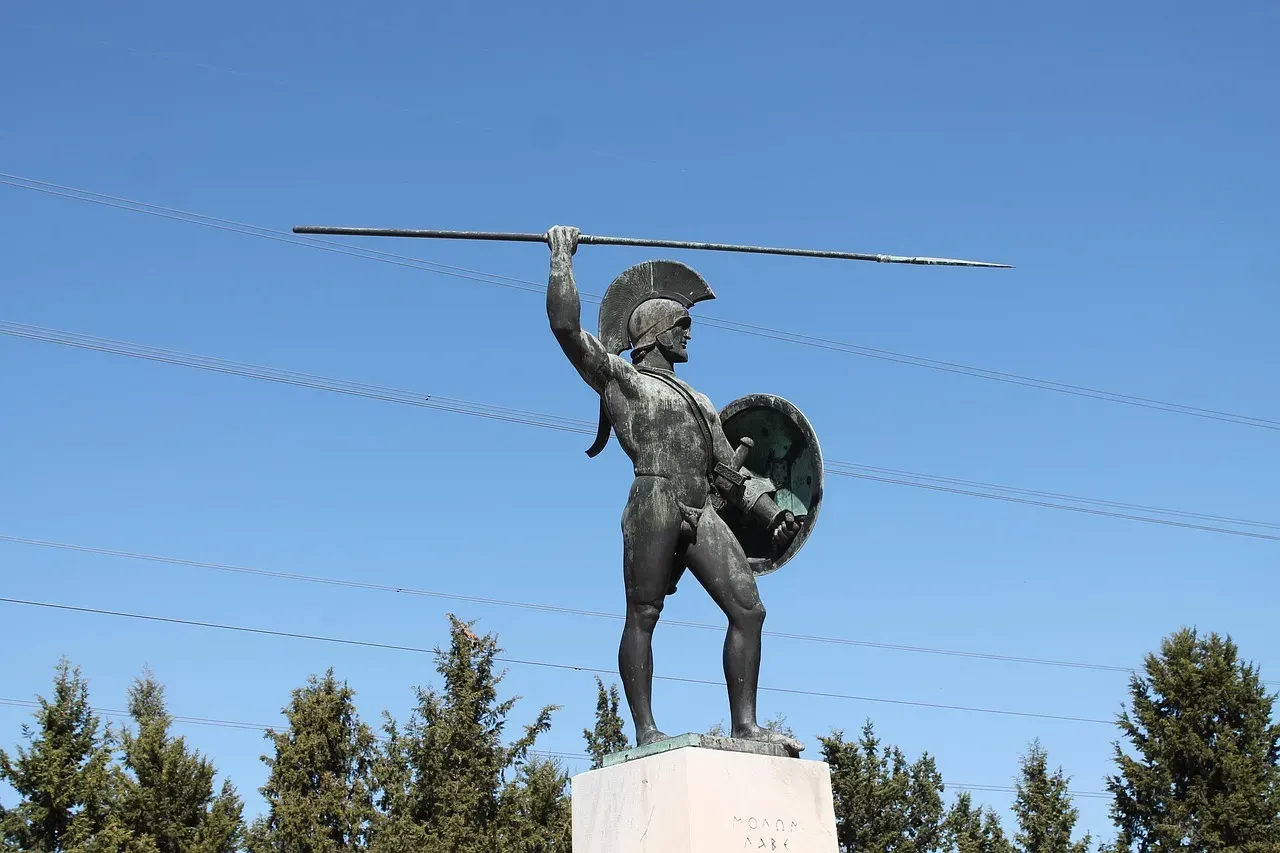
Ephialtes, motivated by desire for personal gain, approached Persian King Xerxes and informed him about a mountain path allowing the Persian army to circumvent the Greek defense at Thermopylae – this path, known as the Anopaea Pass, led through the mountains and emerged behind the Greek position, enabling the Persians to outflank the Greek forces led by King Leonidas. For two days the Greeks defended against Persian attacks and suffered light losses as they imposed heavy casualties on the Persian army, yet only when the Greeks were betrayed did the battle take a detrimental turn – Ephialtes, a Greek citizen desiring reward, informed Xerxes of a path around Thermopylae, rendering the Greeks’ defensive line useless. Ephialtes of Trachis, whose name later came to mean “nightmare” in Greek, is regarded as one of the most notorious traitors in Greek history, and his name became synonymous with betrayal, symbolizing the archetypal traitor much like Judas in Christian tradition or Benedict Arnold in American historical memory. Ephialtes hoped to be rewarded by Persian King Xerxes, but no such reward was bestowed and he was instead forced into hiding when a bounty was placed on his head by the allied Greeks – according to Herodotus, this bounty was collected by Athenades of Trachis roughly a decade later.
Judas Iscariot and Jesus Christ: Thirty Pieces of Silver

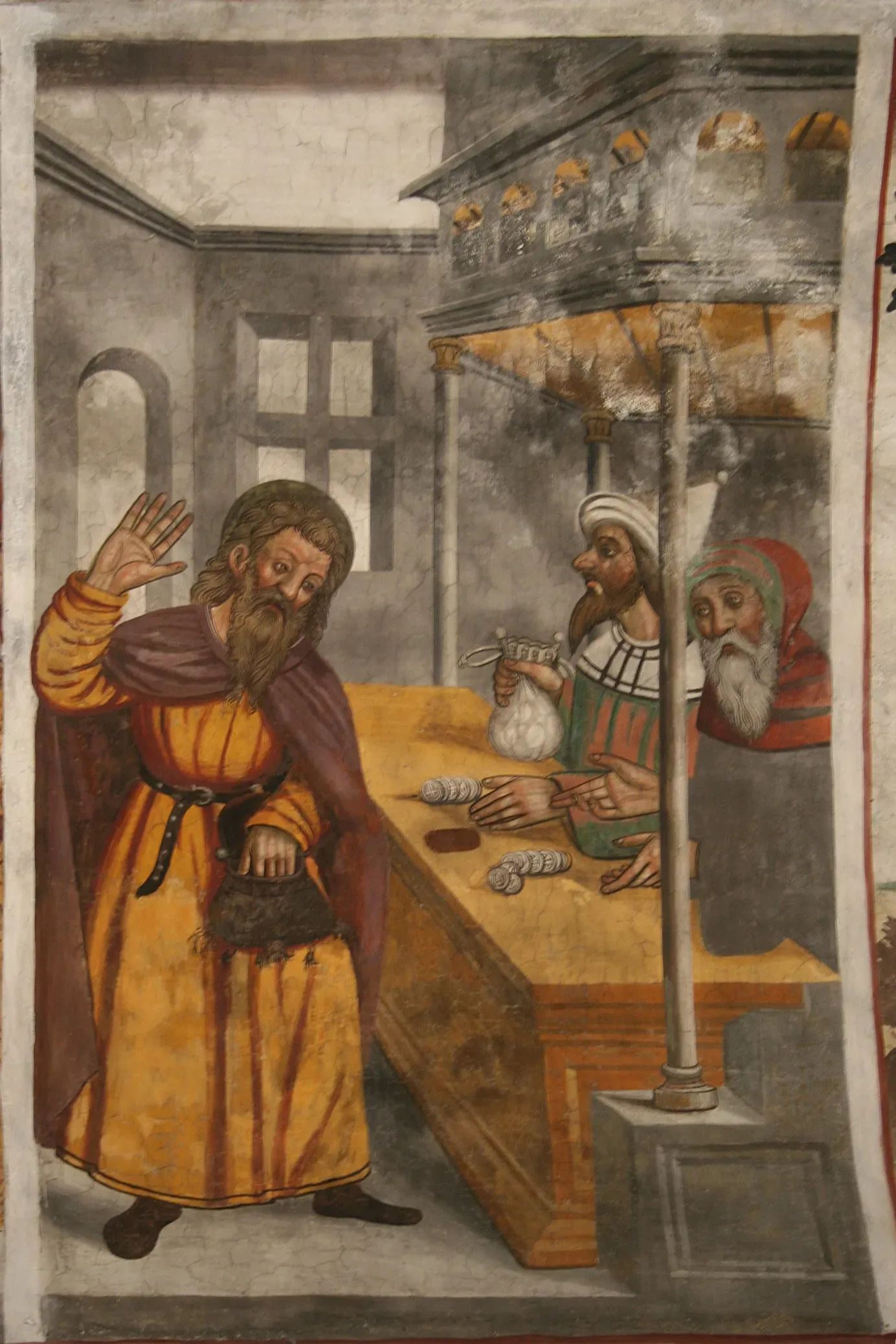
Judas was one of the twelve Apostles of Jesus Christ, known mostly for offering to betray Jesus to religious authorities in exchange for thirty pieces of silver; the New Testament describes how Judas took soldiers to Gethsemane where Jesus was praying, then kissed him to identify him as Jesus. Legend has it that Jesus knew Judas would betray him but didn’t try to stop him, and some accounts say that Judas regretted his betrayal, returned the money, and committed suicide. One popular theory suggests that Judas was motivated by greed, though there are holes in that theory – the first being that in today’s money, the infamous thirty pieces of silver would be equivalent to about three thousand five hundred dollars, not a huge amount to betray somebody you believe to be the son of God. Judas Iscariot’s betrayal of Jesus Christ is as shocking as it is infamous, and this act of betrayal resonates throughout Christian teachings as a symbol of treason.
Kim Philby and British Intelligence: The Cambridge Spy

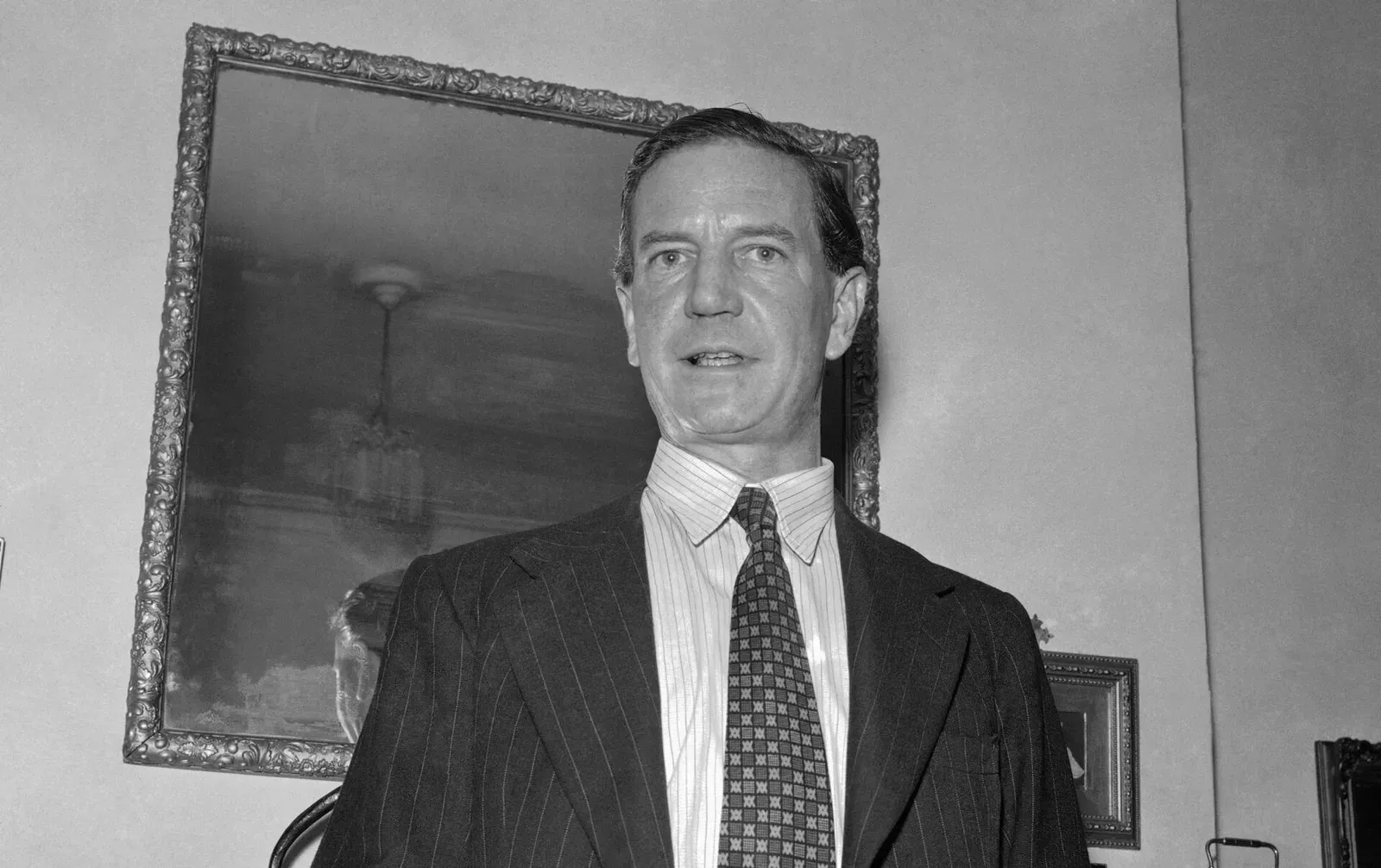
Kim Philby was a British intelligence officer who betrayed his country by spying for the Soviet Union during the Cold War, and his actions were particularly shocking because he was a high-ranking member of MI6, the British Secret Intelligence Service. Kim Philby, a high-ranking British officer, masterminded one of the most damaging betrayals during the Cold War; for decades, Philby provided the Soviet Union with sensitive information while hiding his true allegiance, and his defection to Moscow in 1963 marked the final blow to Britain’s intelligence community. His betrayal was particularly devastating because he held positions of immense trust within Western intelligence, feeding secrets to Moscow for years while maintaining the appearance of loyalty. The extent of damage Philby inflicted on British and American intelligence operations remains difficult to calculate even today.
Partner offer

Aldrich Ames and the CIA: Death of American Agents


In 1985, CIA officer Aldrich Ames began spying for the Soviet Union, betraying his country in a devastating way – his actions compromised dozens of agents, leading to the deaths of several operatives and causing significant harm to American intelligence; astonishingly, Ames’s betrayal went undetected for nearly a decade. Honestly, what makes Ames’s case so chilling is that he wasn’t some fringe operative. He was deep inside the CIA’s counterintelligence operations, with access to the identities of Soviet agents working for the United States. The names he sold literally became death warrants. Some of the agents he betrayed were executed by the Soviet Union, and their blood was essentially on his hands – all for money. Ames lived an extravagant lifestyle that should have raised red flags much earlier, yet the betrayal continued for years.
Robert Hanssen and the FBI: The Bureau’s Biggest Mole


For over twenty years, FBI agent Robert Hanssen secretly sold U.S. intelligence to the Soviet Union and later Russia. Let’s be real – Hanssen’s case is almost unbelievable in its scope and audacity. He worked within the very institution designed to catch spies, all while being one himself. Unlike Ames, who was flashy with his newfound wealth, Hanssen was meticulous and paranoid, using dead drops and encrypted communications to avoid detection. His betrayal compromised countless operations, revealed surveillance techniques, and exposed American intelligence assets. The most disturbing aspect is how long he operated undetected – more than two decades – right under the noses of his colleagues.
Alcibiades and Athens: The Serial Betrayer

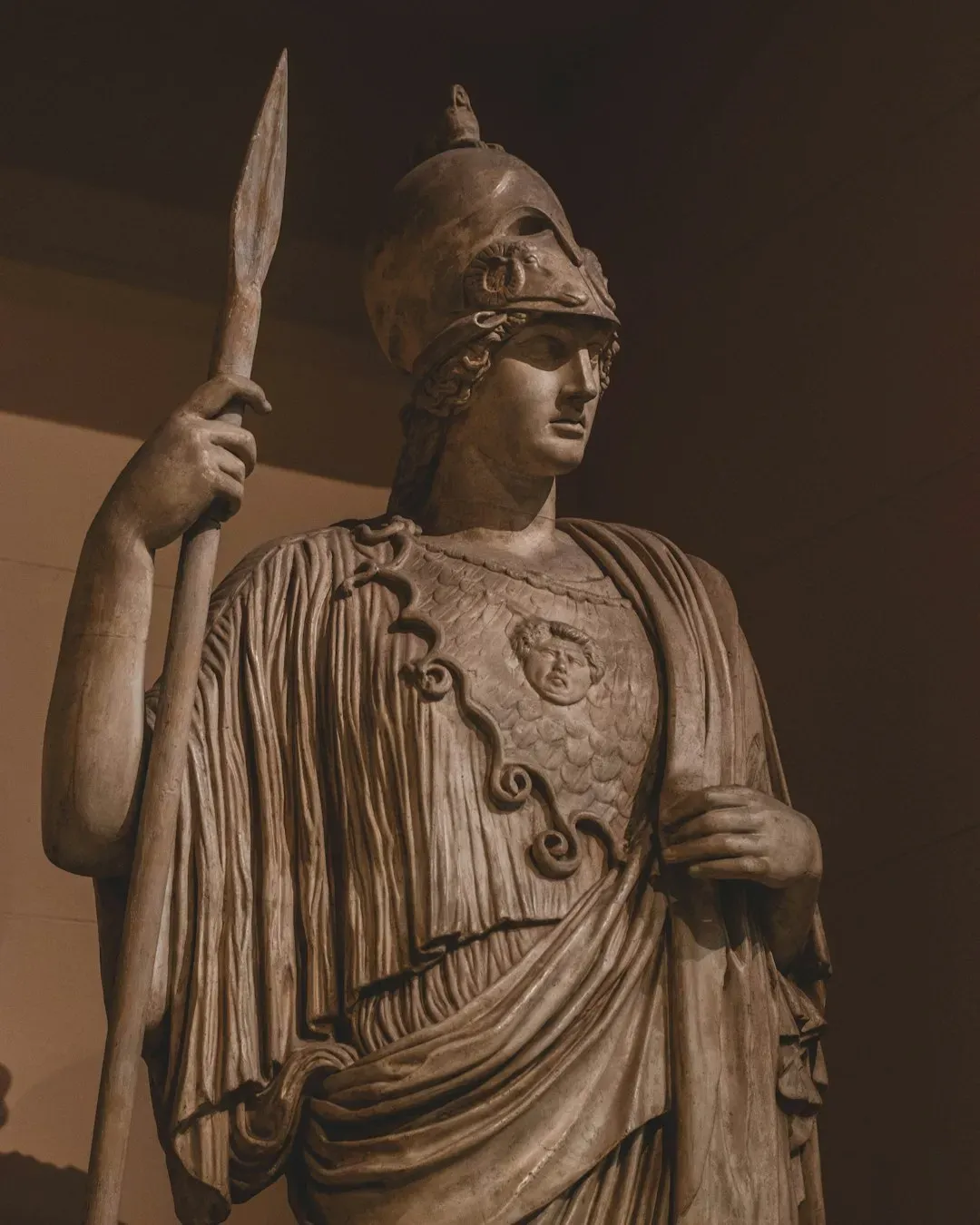
Alcibiades was a prominent Athenian general during the Peloponnesian War, known for his shifting loyalties – he initially fought for Athens but defected to Sparta, then to Persia, and back to Athens, betraying his homeland multiple times. Alcibiades represents something unique in the history of betrayal: a man who couldn’t seem to remain loyal to anyone for long. His intelligence and military skill made him valuable to multiple sides, yet his personal ambition and volatile nature meant that alliances with him were always temporary. It’s hard to say for sure, but his repeated betrayals suggest someone who valued personal glory and survival over any sense of duty or patriotism. Athens eventually paid dearly for trusting him repeatedly.
Guy Fawkes and the Gunpowder Plot: Catholic Conspiracy Unmasked

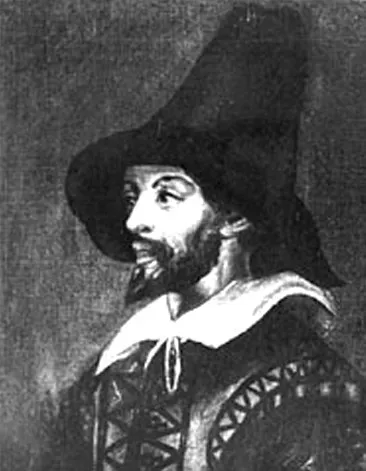
While Guy Fawkes is remembered today through bonfires and masks, his attempted betrayal of King James I in 1605 was one of the most audacious plots in British history. Fawkes and his co-conspirators planned to blow up the House of Lords during the State Opening of Parliament, intending to kill the Protestant king and restore Catholic rule. The plot was uncovered when an anonymous letter warned a Catholic lord to avoid Parliament that day. When authorities searched the cellars beneath the House of Lords, they discovered Fawkes guarding barrels of gunpowder – enough to destroy the entire building. Though Fawkes is now celebrated in popular culture, at the time his actions represented a profound betrayal of crown and country.
Did Any of Them Find Redemption?

Looking back at these ten betrayals, a pattern emerges that’s both fascinating and disturbing. These weren’t strangers turning on strangers. Caesar trusted Brutus like a son. Washington relied on Arnold as his “fighting general.” Trotsky and Stalin once fought together for the revolution. The closeness of these relationships is exactly what made the betrayals so devastating and historically significant.
Some of these figures, like Brutus, genuinely believed they were acting for a higher purpose – saving the Roman Republic from tyranny. Others, like Ames and Hanssen, were motivated purely by greed. Still others, like Arnold, felt slighted and betrayed themselves before they ever turned traitor. The motivations varied, yet the consequences were uniformly catastrophic.
What’s striking is how these betrayals fundamentally altered the course of events. Caesar’s assassination didn’t save the Republic – it destroyed it and led to the Roman Empire. Arnold’s treachery didn’t win the war for Britain. Trotsky’s murder didn’t erase his ideas. These acts of betrayal often backfired spectacularly on those who committed them, leaving them remembered not as heroes or victors, but as eternal symbols of treachery.
Did you expect some of these names on the list? What do you think drives someone to betray those closest to them?
Partner offer
Planning a trip to Vegas?
Compare hotel rates and show tickets on VEGAS.com.