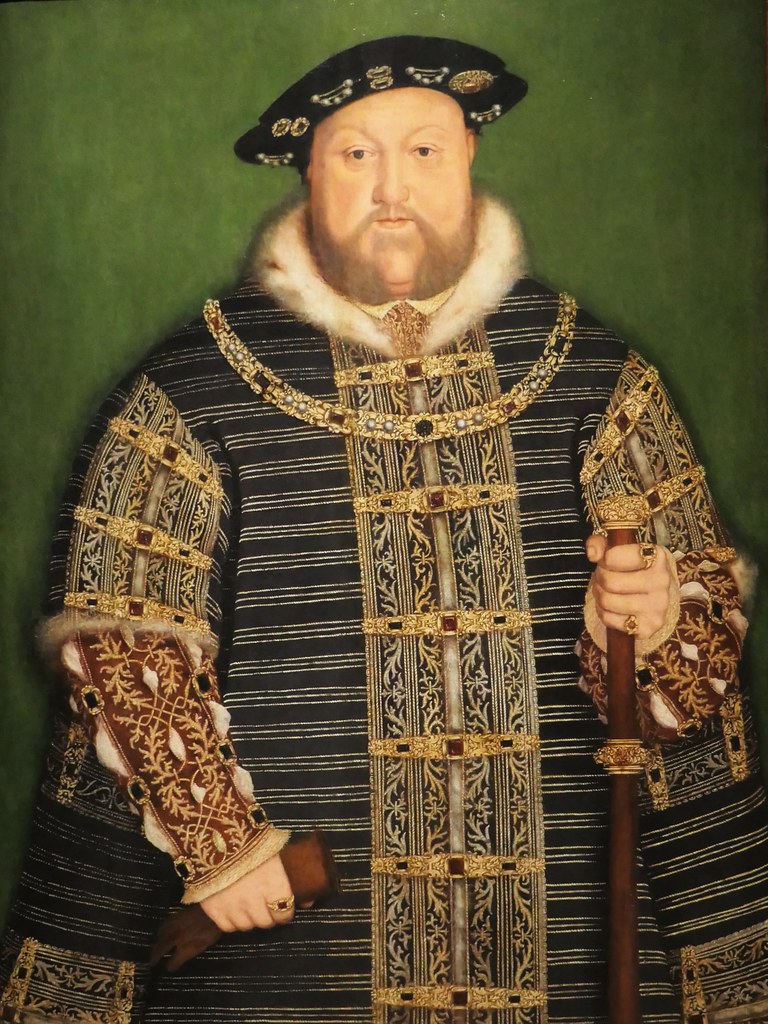
Historical fiction has a reputation problem. Some readers assume it’s costume drama with footnotes removed, a bit of period wallpaper behind a love story. The books below argue otherwise.
Each one rests on years of archival work, interviews, travel, or specialist reading, and the authors have said so in notes, afterwords, or interviews. Here are nine novels where the research shows, and where it makes the story better.
Wolf Hall by Hilary Mantel
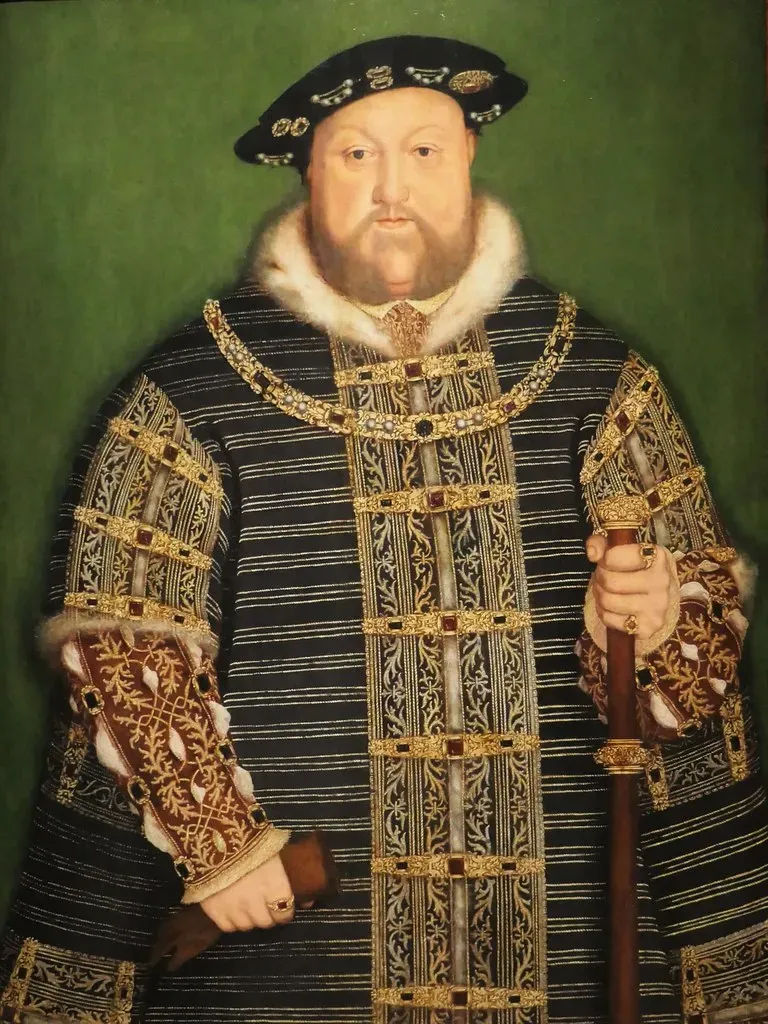
Mantel’s 2009 novel follows Thomas Cromwell’s rise in the court of Henry VIII. She built it from Tudor records, letters, and the long scholarly record around Cromwell, then wrote it in a close present tense that makes the politics feel unsettled rather than inevitable. The book won the Booker Prize in 2009.
Its credibility comes from how it handles the gaps. Where the record is thin, particularly on Cromwell’s early years, Mantel invents with restraint. Historians have debated her portrait of Thomas More, but few dispute how thoroughly she knows the period.
I, Claudius by Robert Graves
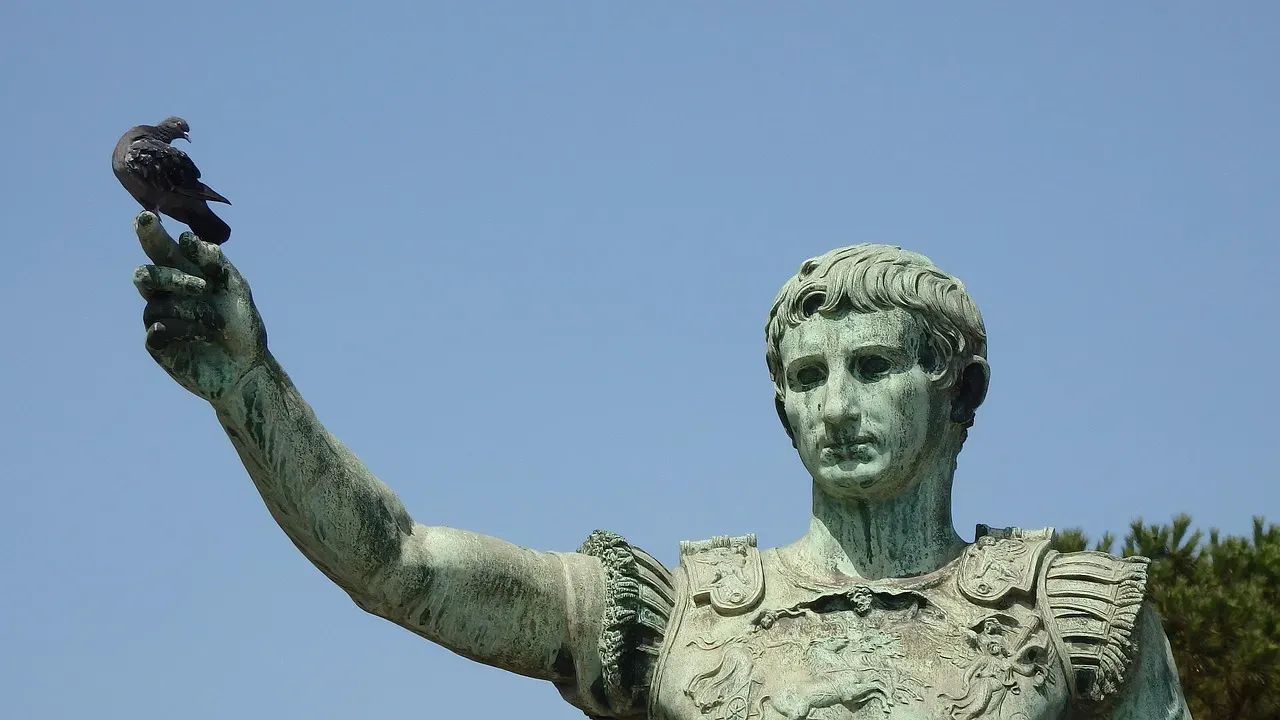
Published in 1934, this novel is narrated as the memoir of the Roman emperor Claudius. Graves leaned heavily on ancient sources, especially Tacitus, Suetonius, and Cassius Dio, and many of the scandals and poisonings come straight from those writers. He was a classicist by temperament, and it shows in the texture of court life.
That reliance carries a catch, since the ancient authors were hostile and gossipy. Graves knew it, and he turned their bias into a voice rather than hiding it. The result reads like a primary source with a sense of humor.
The Name of the Rose by Umberto Eco
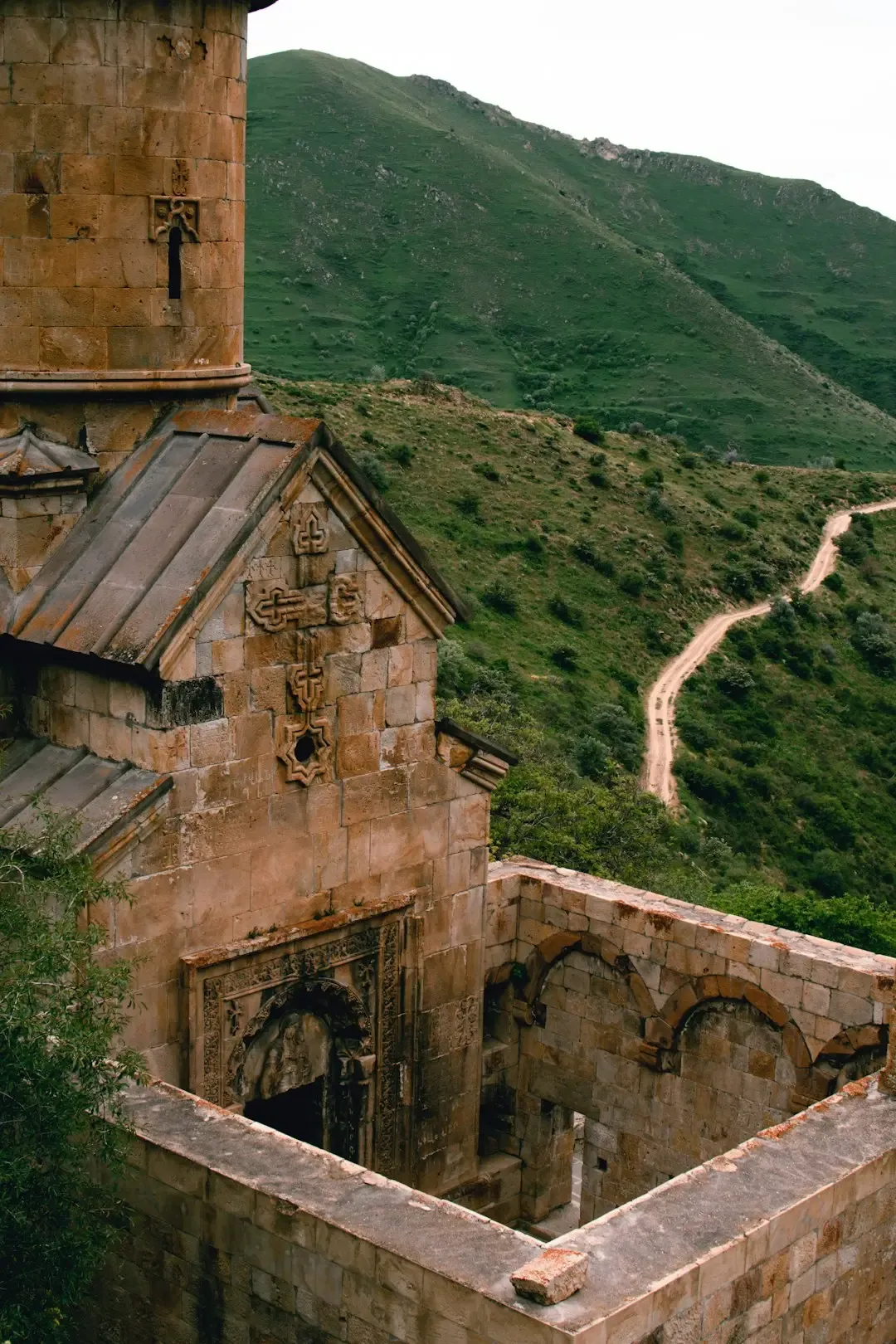
Eco was a professional medievalist, and his 1980 mystery is set in an Italian monastery in 1327. The plot draws on real disputes of the era, including the argument over apostolic poverty between the papacy and the Franciscans. Theological debates carry real weight in the story instead of serving as decoration.
Eco later wrote that he had been researching medieval culture for decades before the novel took shape. The library at the book’s center is fictional, but the intellectual world around it is not. Readers come for the murders and stay for the Middle Ages.
Gilead? No: Pillars of the Earth by Ken Follett
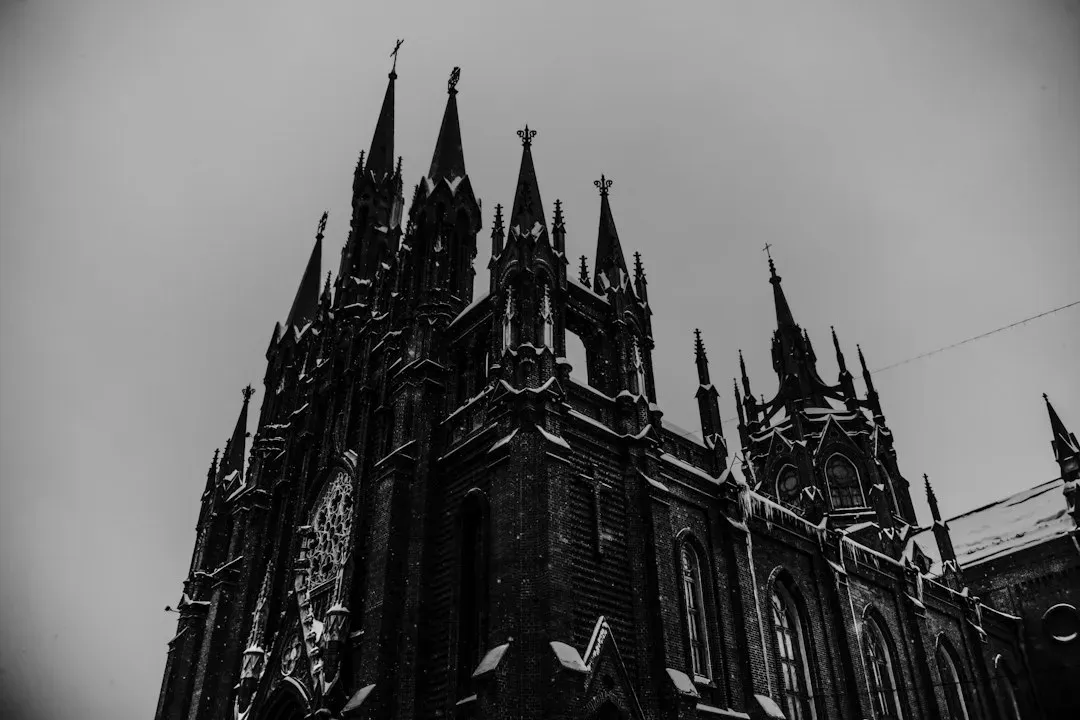
Correction in focus: this entry is The Pillars of the Earth by Ken Follett, published in 1989. It follows the building of a Gothic cathedral in twelfth century England, set against the civil war between Stephen and Matilda known as the Anarchy. Follett studied cathedral construction extensively, and the book explains how medieval masons, carpenters, and priors actually went about the work.
Plenty of readers say they came away understanding vaulting and building finance better than they expected to. The characters are invented, yet the political backdrop follows the real conflict. It’s a good example of technical research turned into suspense.
Partner offer
War and Peace by Leo Tolstoy
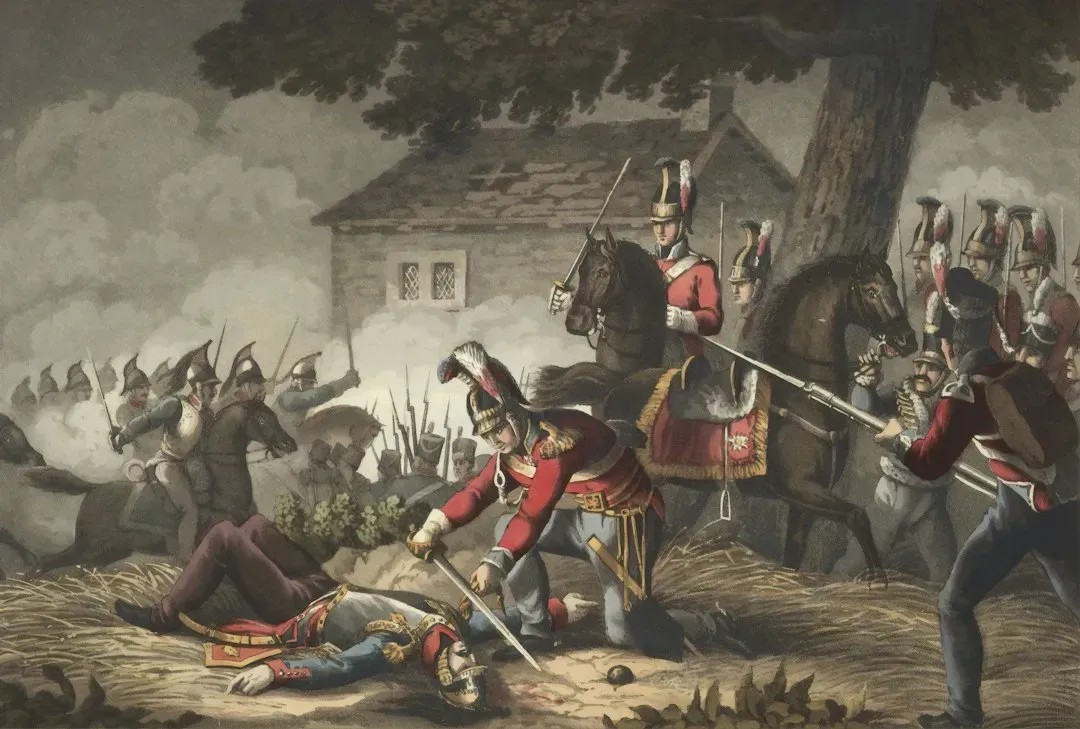
Tolstoy published this novel between 1865 and 1869, about the Napoleonic invasion of Russia. He read widely in histories, memoirs, and letters, and he spoke with veterans of the 1812 campaign. Real figures such as Kutuzov and Napoleon appear alongside invented families.
Tolstoy also argued against the history books he’d read, using the novel to question the idea that great men steer events. That makes the research part of the book’s argument. Battle scenes like Borodino remain studied for how they capture confusion on the ground.
The Book Thief? No: Master and Commander by Patrick O’Brian
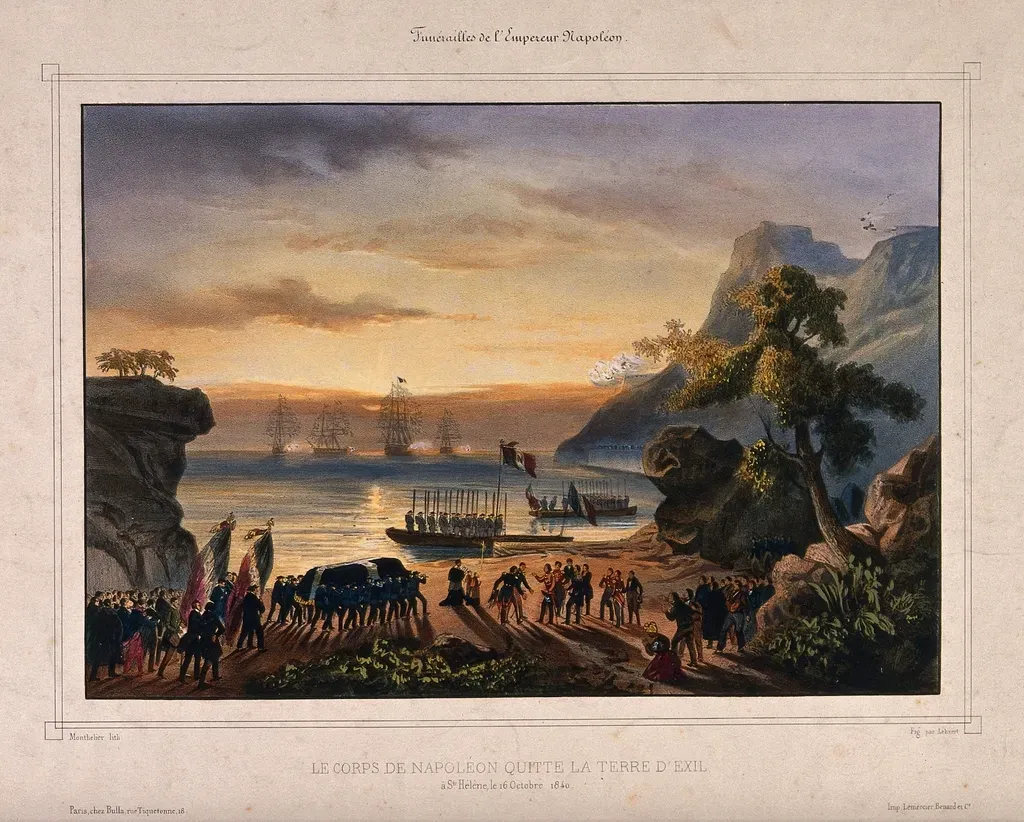
This entry is Master and Commander, the 1969 opening novel of Patrick O’Brian’s Aubrey and Maturin series, set in the Royal Navy during the Napoleonic Wars. O’Brian drew on naval logs, memoirs, and accounts of real captains, and some of the sea actions are modeled on actual engagements. Rigging, weather, and shipboard routine are handled with a specialist’s ease.
He also researched period speech and medicine, which is why Maturin’s surgery scenes feel grounded. The series has long been admired by readers who care about naval accuracy. You can learn a lot about sailing without ever feeling lectured.
Alias Grace by Margaret Atwood

Atwood’s 1996 novel revisits the 1843 murders of Thomas Kinnear and Nancy Montgomery in Upper Canada. Grace Marks was a real servant convicted in the case. Atwood worked from newspaper reports, prison records, and Susanna Moodie’s writings about Grace.
She has described how contradictory the accounts were, and she keeps that uncertainty in the book instead of resolving it. Grace’s guilt stays open. It’s a careful example of research that respects what can’t be known.
All the Light We Cannot See by Anthony Doerr
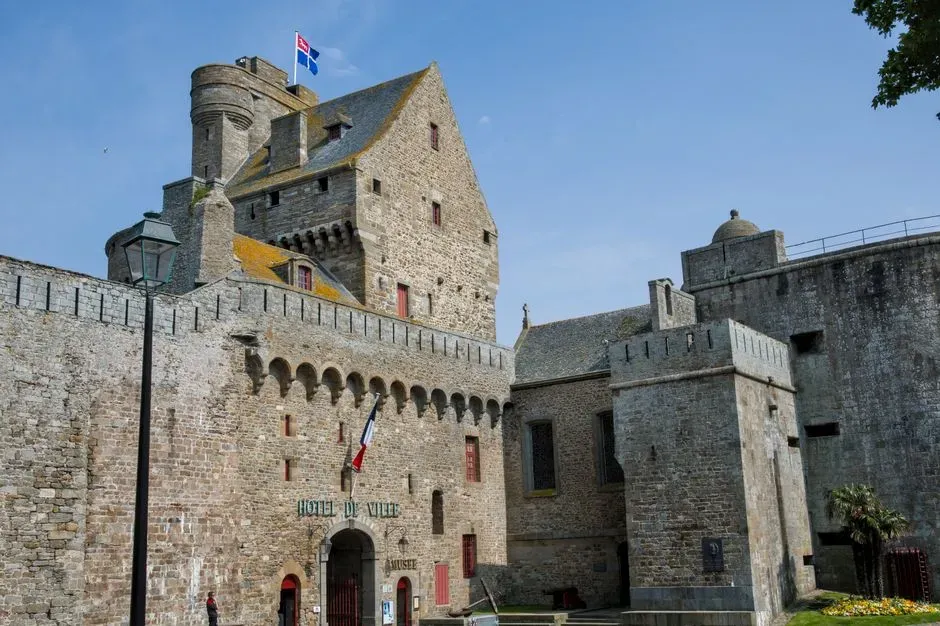
Doerr’s 2014 novel, set in occupied France and Germany during the Second World War, won the Pulitzer Prize for Fiction in 2015. He researched radio technology of the period, the siege of Saint-Malo, and life under occupation. The setting is a real walled port city that was heavily damaged in August 1944.
Doerr has spoken about spending years on the book, including visits to Saint-Malo. The details about radio and sound give the story its particular shape. Research here feeds the imagery rather than slowing the plot.
The Pillars of the Earth, Revisited? No: Circe? No: The Remains of the Day? No: Pachinko by Min Jin Lee

The final entry is Pachinko, published in 2017, which traces a Korean family in Japan across much of the twentieth century. Lee spent roughly a decade on the project, starting in the late 1980s with interviews of Korean residents in Japan, and she returned to it after living in Tokyo from 2007 to 2011. It was a finalist for the National Book Award.
The novel’s attention to discrimination, work, and the pachinko industry reflects that fieldwork. Lee has said she wanted to portray a community often missing from English language fiction. The research gives the book its quiet authority.
Partner offer
Planning a trip to Vegas?
Compare hotel rates and show tickets on VEGAS.com.