Most of us have hit the skip button at some point. A slow opening, a long wedding, a quiet stretch where nobody says anything: the remote is right there, and the temptation is real.
Film critics, though, have spent decades arguing that some of these passages are where a movie does its best work. The nine scenes below are often skipped or rushed, and each has a long record of critical praise behind it.
The Wedding Opening in The Godfather

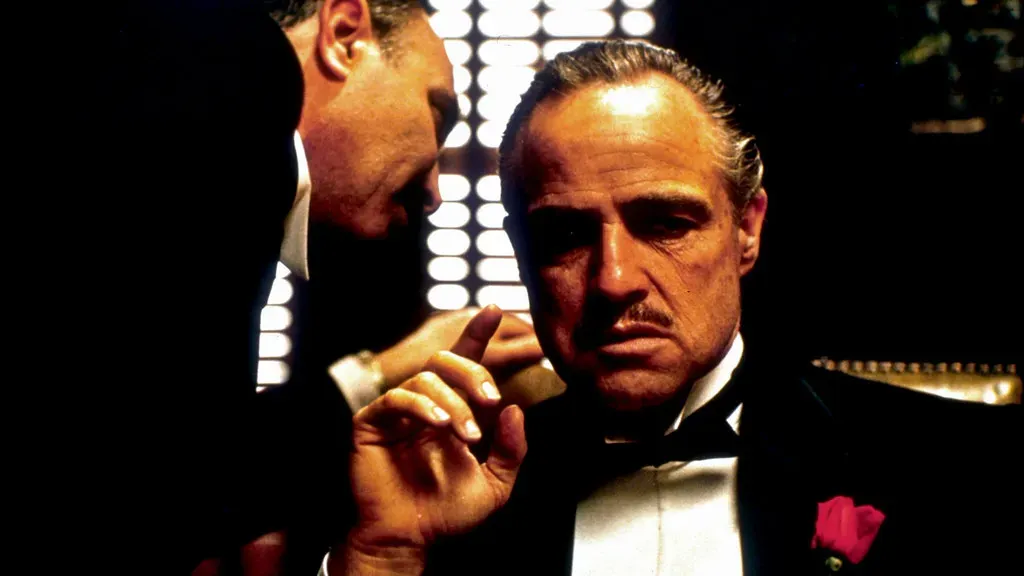
Francis Ford Coppola’s 1972 classic spends more than twenty minutes at Connie Corleone’s wedding before the main story kicks in. Some first time viewers treat it as setup to get through. It is actually the film’s quiet introduction to nearly every major character.
Gordon Willis shot the contrast on purpose: sunlit celebration outside, shadowy business inside Don Corleone’s office. Critics often point to this split as the thesis of the whole film, family and crime sharing one house. Watch it closely and the later tragedies feel earned.
The Modern Day Framing in Titanic

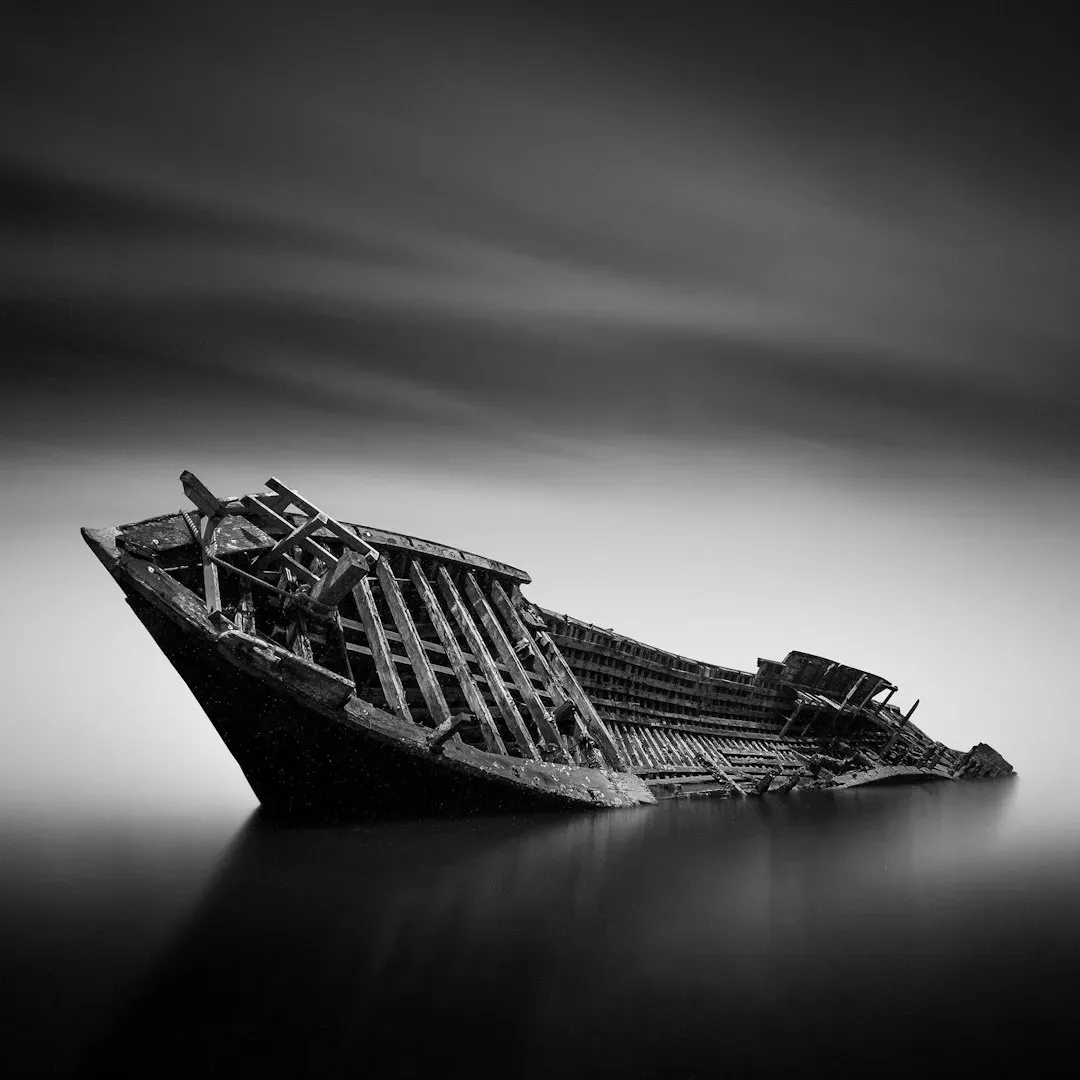
James Cameron’s 1997 epic opens with treasure hunters on a research ship, and plenty of viewers jump ahead to Jack and Rose. It’s an understandable impulse. Still, the framing device is what lets the love story become a memory rather than just a romance.
Cameron also used real footage of the wreck in these scenes, shot during dives to the actual Titanic. Seeing the ship as a decaying hulk makes the later sinking land harder. Critics have often credited that structure for giving the film its emotional weight.
The Omaha Beach Landing in Saving Private Ryan

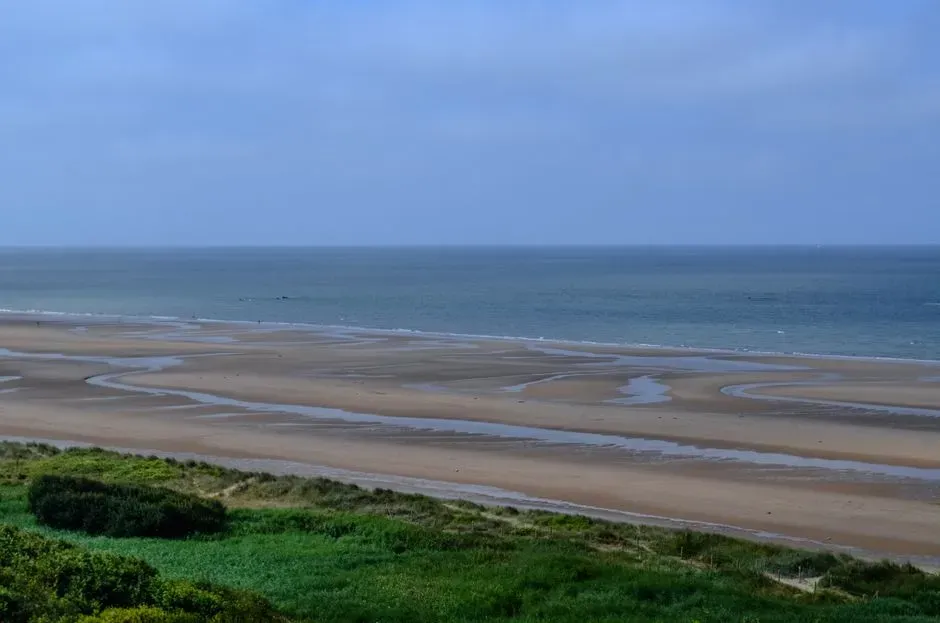
Steven Spielberg’s 1998 war film begins with a landing sequence that runs roughly twenty four minutes. Many viewers find it too brutal and look away or skip it entirely. That reaction is exactly what the scene was built to provoke.
Critics widely regard it as one of the most influential combat sequences ever filmed. Its handheld camera, muted color, and chaotic sound changed how war movies were shot for years afterward. Without it, the mission that follows would feel much smaller.
The Well Scene in Lawrence of Arabia


David Lean’s 1962 film is long, and its desert stretches can test patience at home. One of the most overlooked moments is the arrival of Sherif Ali, who appears as a tiny dark speck in the heat shimmer and slowly grows larger. It takes its time on purpose.
The slow reveal introduced Omar Sharif to a global audience. The film went on to win seven Academy Awards, including Best Picture. Critics still return to this scene as a lesson in patience and scale on the big screen.
Partner offer

The Waiting Game in Once Upon a Time in the West

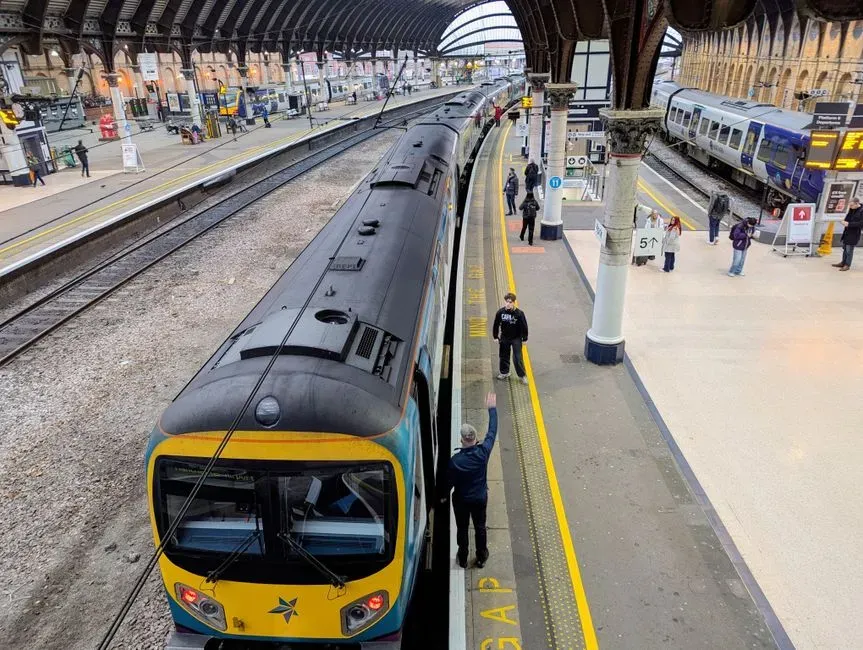
Sergio Leone’s 1968 western opens with three gunmen waiting at a remote train station, and almost nothing is said for nearly ten minutes. A dripping drop of water, a buzzing fly, and a creaking windmill fill the soundtrack. Impatient viewers often skip ahead to the shooting.
Doing so misses the point. Leone treats silence as tension, and Ennio Morricone’s later score hits harder because the stillness came first. Critics frequently list it among the greatest film openings ever made.
The Silent Mine in There Will Be Blood

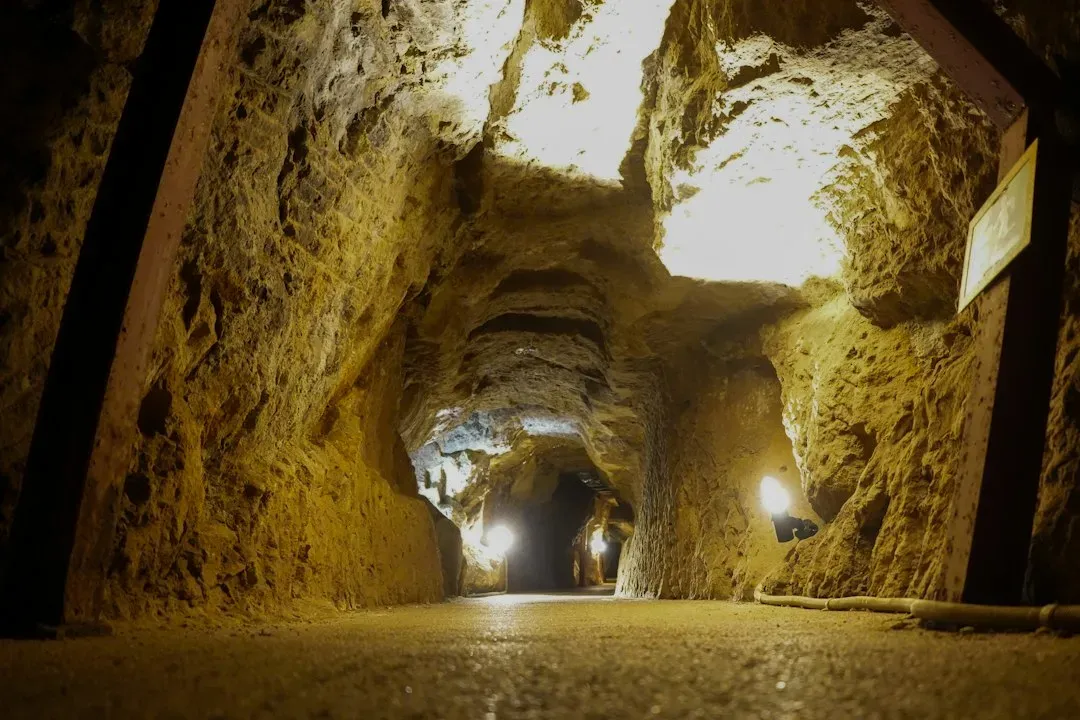
Paul Thomas Anderson’s 2007 drama starts with roughly a quarter hour of almost no dialogue. We watch Daniel Plainview dig, climb, and suffer alone in a mine. It feels like a slow start to anyone expecting a plot right away.
Yet this stretch establishes the character completely before he speaks. Jonny Greenwood’s unsettling score and Robert Elswit’s Oscar winning cinematography do much of the storytelling. Daniel Day-Lewis also won the Best Actor Oscar for the role.
The Creation Sequence in The Tree of Life


Terrence Malick’s 2011 film pauses its family story for a long, wordless look at the origins of the universe, complete with dinosaurs. Many viewers skip it, assuming it has wandered away from the story. It remains one of the most debated sequences of its decade.
The film won the Palme d’Or at Cannes in 2011, and this passage helped define its ambition. Douglas Trumbull, known for his 2001 effects work, contributed to the visuals. Critics often read it as placing one family’s grief against the scale of time itself.
The Stargate Sequence in 2001: A Space Odyssey

Stanley Kubrick’s 1968 film ends with a psychedelic light show that confuses and bores a lot of first time viewers. Fast forwarding is common here, since nothing resembling a conventional plot happens. The sequence was meant to be experienced rather than decoded.
Trumbull developed much of the effect using slit scan photography, a method that long predated computer graphics. Critics have often cited it as a landmark of visual effects craft. Watched uninterrupted on a large screen, it still feels strange in a way modern effects rarely match.
The Candlelit Interiors in Barry Lyndon

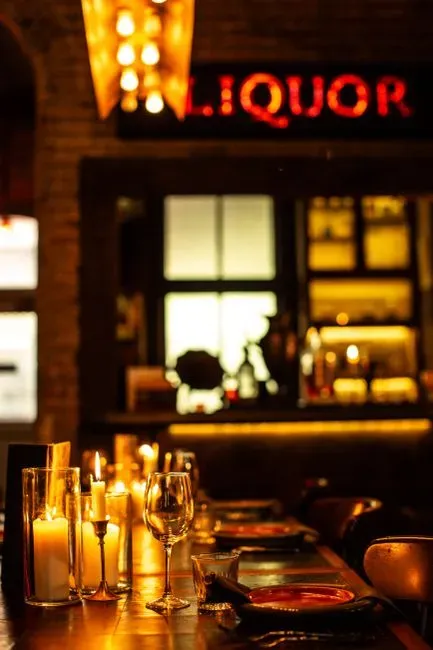
Kubrick’s 1975 period drama is slow, and its long indoor scenes lit only by candles tempt many viewers to skim. Cinematographer John Alcott used special fast lenses originally developed for NASA to make this possible. He won an Oscar for the film’s cinematography.
The result looks like a moving painting, with faces glowing softly in near darkness. Critics often cite these scenes as proof that technical limits can become artistic choices. They reward anyone willing to let the film move at its own unhurried pace.
Partner offer
Planning a trip to Vegas?
Compare hotel rates and show tickets on VEGAS.com.