


Every serious moviegoer eventually runs into the same question: which films actually matter, and which ones are just noise? The answer isn’t about chasing the biggest box office numbers or the flashiest awards campaigns. It’s about the handful of movies that changed how stories get told on screen, films that other directors still study frame by frame decades later.
This list pulls together nine films spanning different decades, countries, and genres, each one essential for a different reason. Some rewired the technical language of cinema. Others simply told a story so well that imitators are still trying to catch up.
1. Citizen Kane (1941)

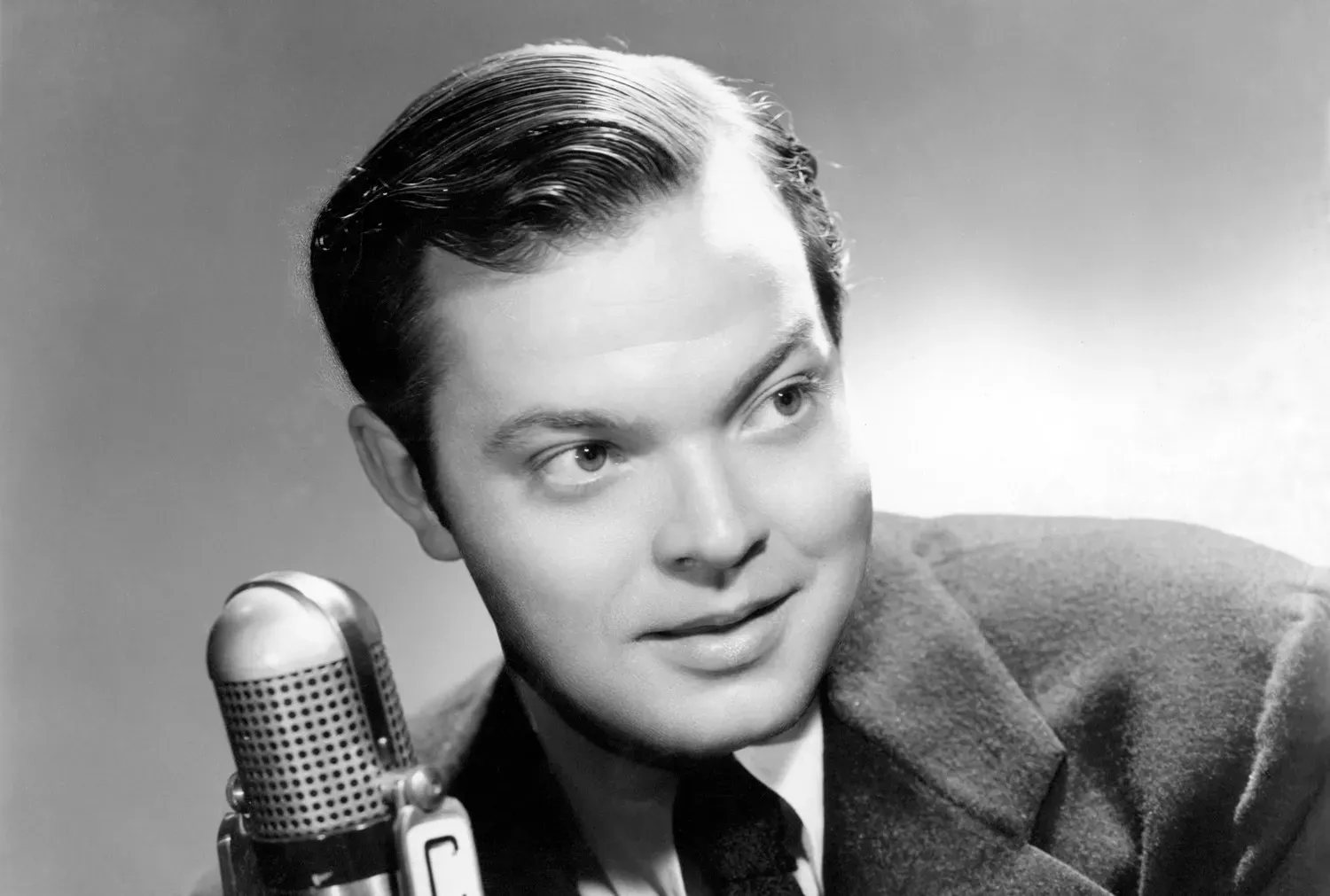
Orson Welles was just twenty five years old when he directed, co-wrote, and starred in this film, and the industry has never fully recovered from the shock. The deep focus cinematography by Gregg Toland let viewers see multiple planes of action in a single shot, a technique that felt almost radical at the time and still influences how directors block scenes today. The nonlinear structure, built around a dying man’s final word, turned a simple mystery into a meditation on memory and ambition.
Critics have debated its legacy for over eighty years, yet it consistently ranks near the top of major industry polls, including the British Film Institute’s Sight and Sound survey. Loosely based on newspaper magnate William Randolph Hearst, the film’s satirical edge caused real controversy on its release, with Hearst’s papers reportedly refusing to advertise it. That friction only adds to its reputation as a movie that dared to provoke rather than please.
2. The Godfather (1972)

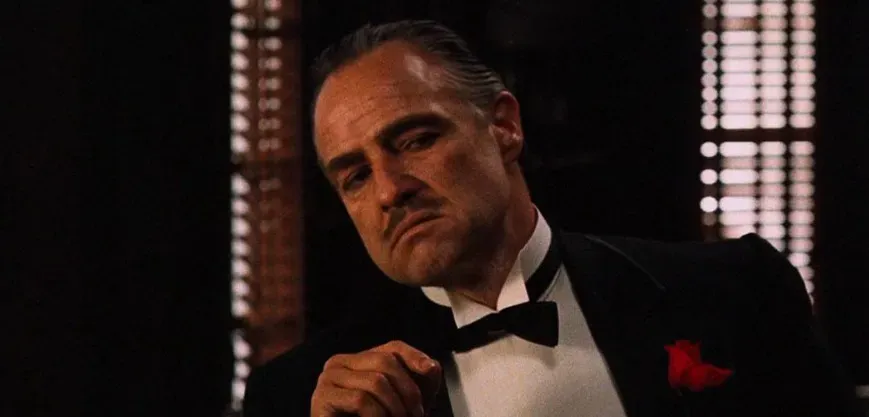
Francis Ford Coppola turned a pulpy crime novel into something closer to a Shakespearean tragedy about family, power, and inheritance. Marlon Brando’s performance as Vito Corleone, all whispered menace and quiet authority, became a template for screen villains and antiheroes for generations afterward. Al Pacino’s transformation from reluctant son to ruthless heir remains one of the most studied character arcs in American film.
The movie’s influence extends well beyond gangster cinema, shaping how filmmakers approach ensemble casts and multi generational storytelling. Nino Rota’s score, with its mournful trumpet theme, is instantly recognizable even to people who have never seen the film. It won the Academy Award for Best Picture and remains a fixture on virtually every credible list of the greatest films ever made.
3. Seven Samurai (1954)

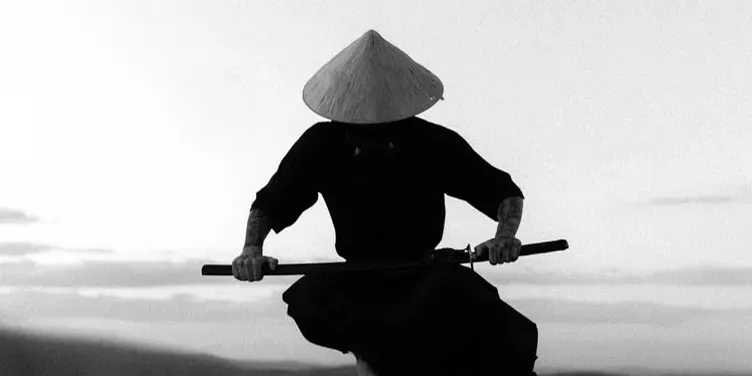
Akira Kurosawa’s epic about ronin defending a farming village from bandits basically invented the modern ensemble action movie. Its structure, a team assembled for one dangerous job, was borrowed so often that the pattern now feels like a genre unto itself, echoed directly in The Magnificent Seven and countless heist films since. At three and a half hours, it never feels padded, because every character gets a distinct personality and purpose.
Toshiro Mifune’s performance as the wild, unpredictable Kikuchiyo gives the film its emotional pulse, balancing out the stoic dignity of the other samurai. Kurosawa’s use of weather, particularly the climactic battle fought in driving rain and mud, set a visual standard for how physical, grounded action sequences could feel. It remains a foundational text for anyone studying pacing, ensemble dynamics, or Japanese cinema more broadly.
4. Vertigo (1958)

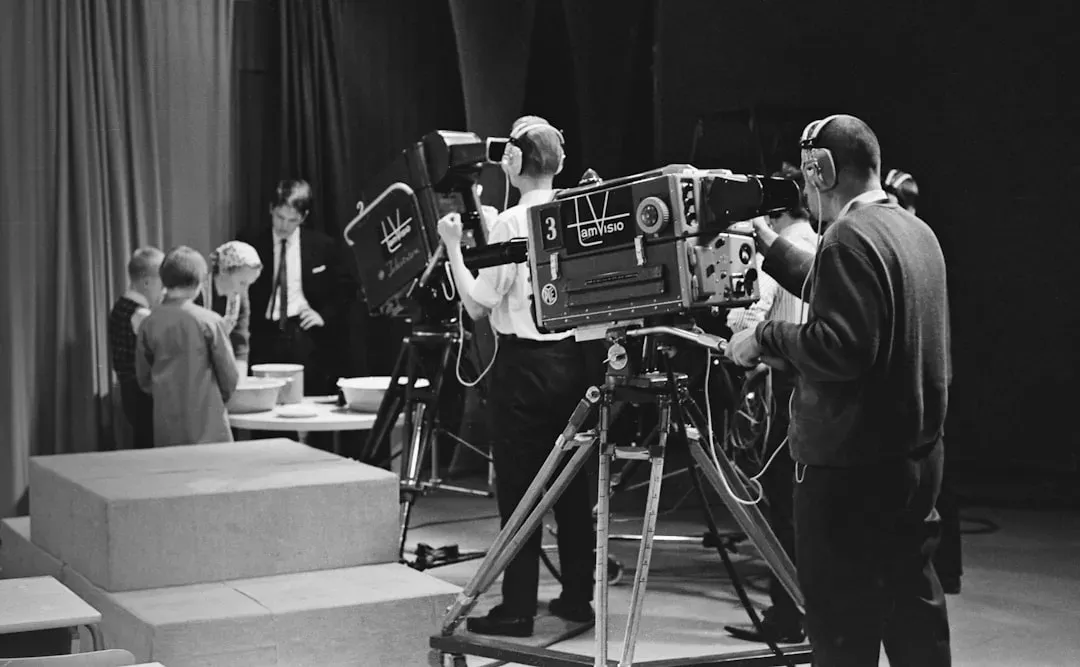
Alfred Hitchcock’s psychological thriller about obsession and identity was initially met with mixed reviews, yet it has since climbed to the very top of critical rankings, including a widely cited Sight and Sound poll where it displaced Citizen Kane as the greatest film ever made. James Stewart plays a former detective consumed by guilt and desire, and the film’s dreamlike color palette, heavy on greens and reds, mirrors his unraveling state of mind. The invented dolly zoom technique, now often called the Vertigo effect, visually conveys vertigo in a way dialogue never could.
Bernard Herrmann’s score swirls and spirals right alongside the camera work, reinforcing the sense of a mind losing its footing. San Francisco itself becomes a character, its hills and fog adding to the film’s unsettled atmosphere. Decades later, filmmakers still reach for that dolly zoom whenever they need to show a character’s world tilting off balance.
5. Pulp Fiction (1994)

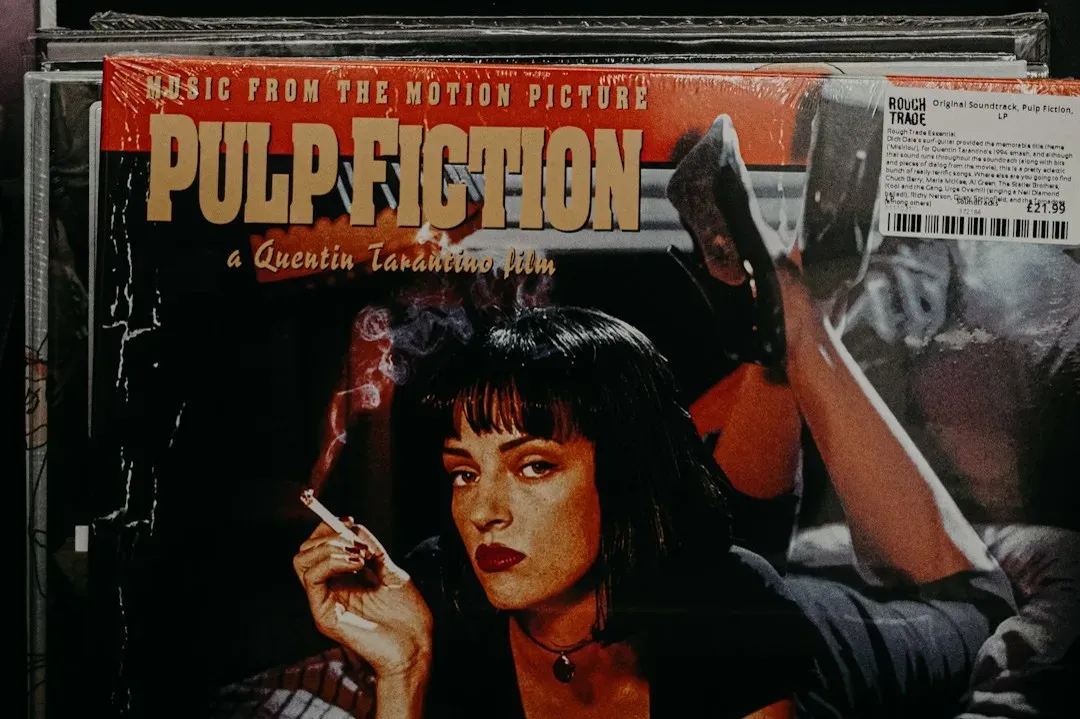
Quentin Tarantino took a fractured, out of order narrative structure and made it feel not just coherent but essential to the story’s impact. Interlocking storylines about hitmen, a boxer, and a gangster’s wife unfold with dialogue so sharp and specific it launched a wave of imitators throughout the nineties. John Travolta’s career revival alongside Samuel L. Jackson’s fiery, Biblical monologues gave the film a quotable, endlessly rewatchable quality.
Partner offer

The soundtrack, stitched together from surf rock and soul tracks, became just as iconic as the dialogue, proving music choice could be a storytelling tool rather than background noise. It won the Palme d’Or at Cannes and the Academy Award for Best Original Screenplay, cementing Tarantino as a defining voice of independent minded filmmaking breaking into the mainstream. Even now, its structural gamble is cited as proof that audiences will follow a nonlinear plot if the characters are compelling enough.
6. Spirited Away (2001)


Hayao Miyazaki’s animated fantasy about a young girl trapped in a spirit world remains the benchmark for hand drawn animation’s emotional and imaginative reach. Every frame is dense with detail, from the shifting bathhouse architecture to the strange, gentle creatures that populate it, all animated without relying heavily on computer generated shortcuts. It won the Academy Award for Best Animated Feature, becoming the first non English language film to receive that honor.
Unlike many Western animated films built around a clear villain, Spirited Away leans into ambiguity, letting characters be complicated rather than simply good or bad. Its box office success in Japan, where it briefly held the record for highest grossing film in the country’s history, showed that thoughtful, slower paced animation could still be a massive commercial draw. Studio Ghibli’s international reputation owes a great deal to this film’s crossover success.
7. Parasite (2019)

Bong Joon Ho’s dark class satire made history as the first non English language film to win the Academy Award for Best Picture, a moment that reshaped conversations about which stories deserve global recognition. The story of a poor family infiltrating a wealthy household starts as sly comedy before curdling into something far more unsettling, and the tonal shift never feels forced. Its production design, particularly the wealthy family’s minimalist mansion versus the cramped semi basement apartment, does as much storytelling as the script itself.
The film swept major categories at the ceremony, also winning Best Director, Best Original Screenplay, and Best International Feature Film. Its success sparked renewed interest in South Korean cinema worldwide and pushed streaming platforms and studios to invest more heavily in subtitled international films. Few movies in recent memory have managed to be both a sharp social critique and a genuinely gripping thriller at the same time.
8. Do the Right Thing (1989)

Spike Lee’s portrait of a Brooklyn neighborhood on the hottest day of the summer builds tension with a patience that pays off in one of American cinema’s most debated endings. Rather than offering easy resolution to its themes of racial tension and community, the film leaves audiences with contradictory quotes about violence and nonviolence, forcing viewers to sit with discomfort rather than resolve it. Ernest Dickerson’s cinematography uses warm, saturated colors to make the heat feel almost physical.
The film’s soundtrack, anchored by Public Enemy’s confrontational anthem, became inseparable from its cultural impact. Despite its clear artistic merit, it was notably snubbed for major Oscar nominations that year, a decision still cited as one of the Academy’s more glaring oversights. Decades later, its themes around policing, gentrification, and community frustration remain uncomfortably relevant to conversations happening in American cities today.
9. In the Mood for Love (2000)

Wong Kar-wai’s story of two neighbors drawn together by their spouses’ affairs is a masterclass in restraint, where glances and silences carry more weight than dialogue ever could. Christopher Doyle’s cinematography turns cramped Hong Kong apartments and rain slicked streets into something lush and painterly, using color and framing to suggest longing without ever stating it outright. The recurring use of Nat King Cole’s music alongside a hypnotic string theme gives the film a dreamlike, repetitive rhythm that mirrors the characters’ circling, unresolved feelings.
Maggie Cheung’s wardrobe of tightly fitted cheongsams became iconic in its own right, discussed almost as often as the performances themselves. The film consistently appears near the top of international critics’ polls, including strong showings in the same Sight and Sound rankings that feature several other films on this list. Its influence can be traced through countless later films that favor mood and implication over exposition, proving that sometimes the most powerful stories are the ones left partly unsaid.
Nine films, nine very different ways of using a camera, a script, and a handful of actors to say something that sticks. Some rewired the technical grammar of filmmaking, others simply told familiar stories with unfamiliar honesty. Watching all nine won’t make anyone an expert, but it’s a solid start toward understanding what cinema is capable of when it’s made with real intention.
Partner offer
Planning a trip to Vegas?
Compare hotel rates and show tickets on VEGAS.com.


