Some films don’t need to travel. They pick a room, a boat, a phone booth or an apartment courtyard, and then they stay put.
Limits tend to sharpen storytelling, and these nine titles show how. Each one keeps its action in a single place for nearly its whole running time, and each uses that restriction differently.
12 Angry Men (1957)
Sidney Lumet’s debut feature takes place almost entirely in a jury deliberation room, where twelve men argue over a murder case. The film is based on a teleplay by Reginald Rose, who had served on a jury himself. Only a short opening in the courtroom and a brief closing scene on the courthouse steps happen elsewhere.
The tension comes from small shifts in opinion, one vote at a time. The camera also changes how it frames the men as the story moves along, using lenses that make the room feel tighter toward the end. It earned three Academy Award nominations, including Best Picture, and remains a staple of film classes.
Rear Window (1954)
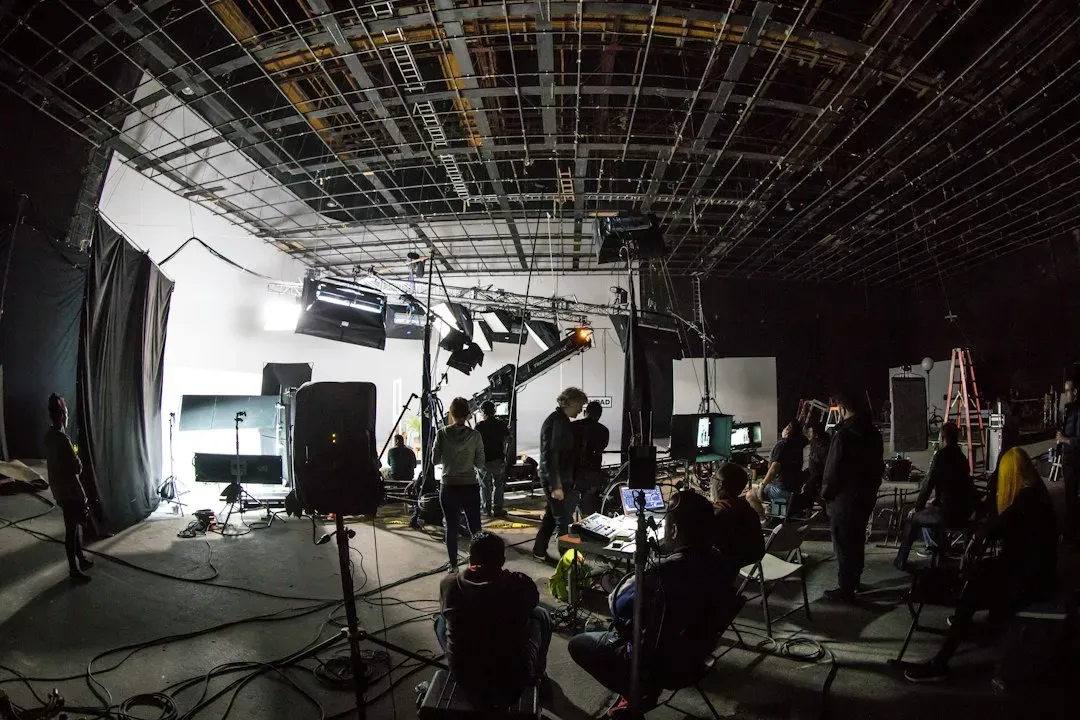
Alfred Hitchcock confined nearly all of this thriller to one apartment and the courtyard it overlooks. James Stewart plays a photographer laid up with a broken leg, who starts to suspect a neighbor of murder. The huge courtyard set was built on a soundstage at Paramount.
We see what he sees, which turns the audience into fellow voyeurs. The film was nominated for four Academy Awards, including Best Director. Its single viewpoint remains one of cinema’s best lessons in suspense.
Rope (1948)
Hitchcock’s earlier experiment unfolds inside a Manhattan apartment, where two young men host a dinner party after committing a murder. The body is hidden in a chest in plain sight. It was his first color film, and it was loosely inspired by the Leopold and Loeb case.
The movie is staged to look like a handful of very long takes. Because film reels of the era ran only about ten minutes, Hitchcock hid cuts in moments when the camera passes behind a character’s back or a dark object. The result feels like a stage play that happens to be dangerous.
Lifeboat (1944)
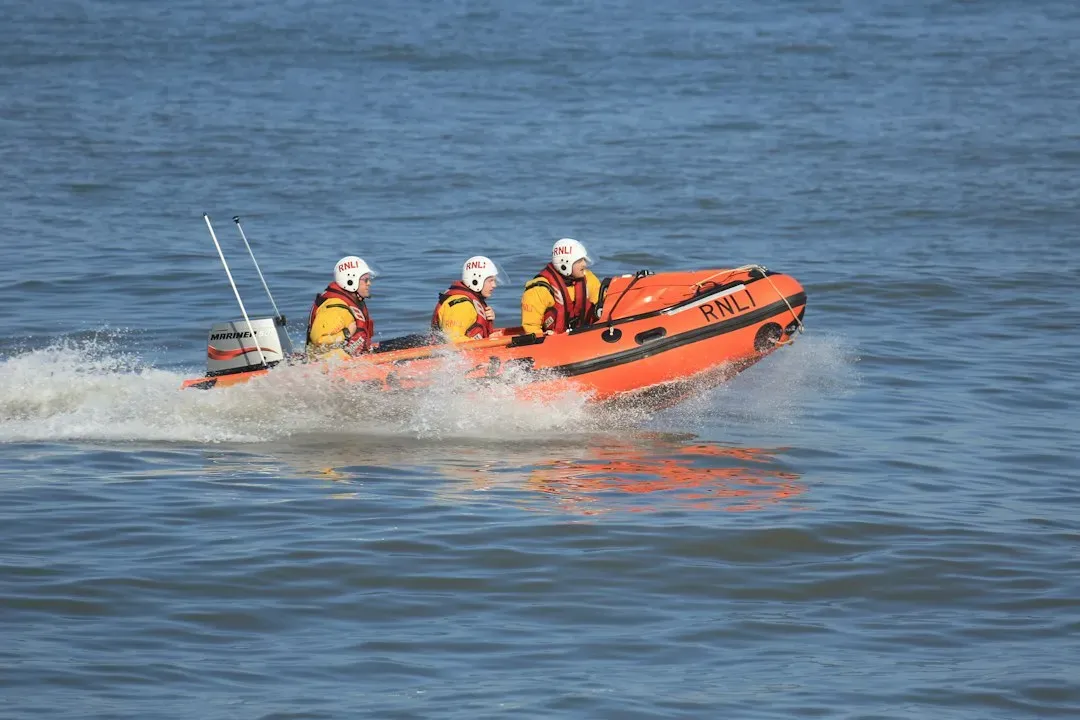
Another Hitchcock film, this one sets its whole story aboard a single lifeboat. Survivors of a ship sunk by a German U-boat drift together, and they must decide whether to trust the German man they’ve pulled from the water. It was filmed largely in a studio water tank.
The cast is small, and each character represents a different social type. The film became known for a famous production puzzle too, since Hitchcock’s customary cameo had to be worked into a story with no place for a passerby. He solved it with a newspaper advertisement visible in the boat.
Partner offer
Dial M for Murder (1954)
Adapted from Frederick Knott’s stage play, this thriller stays almost entirely inside a London flat. A retired tennis player plans to have his wealthy wife murdered, and the plot goes wrong in the apartment itself. Grace Kelly stars alongside Ray Milland.
The film retains its theatrical shape, relying on dialogue, keys and timing instead of spectacle. It was originally shot for 3D, though it was widely shown in standard format. That staging choice makes the apartment feel like a game board.
Phone Booth (2002)
Joel Schumacher’s thriller keeps Colin Farrell in a New York phone booth for nearly the entire film. A caller warns him that a sniper will shoot if he hangs up. The movie runs only about eighty minutes.
The shoot was fast, reportedly completed in about ten days. The film uses split screens and street crowds to avoid feeling static. It also serves as a reminder of a time when pay phones were still a normal part of city life.
Buried (2010)
Rodrigo Cortés directed this thriller, which takes place entirely inside a wooden coffin. Ryan Reynolds plays a civilian contractor in Iraq who wakes up buried alive with a phone and a lighter. The camera never leaves the box.
Chris Sparling wrote the screenplay, and the story relies on calls, dwindling oxygen and bureaucratic delays. It premiered at the Sundance Film Festival. Few films have used such a small space to create such relentless pressure.
Reservoir Dogs (1992)
Quentin Tarantino’s debut spends most of its time in a warehouse, where surviving criminals gather after a botched jewel heist. The robbery itself is never shown. We only hear about it through argument, flashback and bloodied confusion.
Flashbacks do take us outside, which makes it a looser fit than some entries here. Still, the warehouse is the center of gravity for the story. The film’s low budget turned into an advantage and helped launch Tarantino’s career.
Locke (2013)
Steven Knight wrote and directed this drama, which unfolds entirely inside a car on a nighttime drive. Tom Hardy plays Ivan Locke, a construction manager whose life starts to unravel through a series of phone calls. He is the only person ever seen on screen.
Other characters appear only as voices, and Hardy’s performance carries the picture. The film runs about eighty-five minutes and was shot in a brisk schedule on a motorway in England. It proves that a driver’s seat can be as dramatic as any stage.
Partner offer
Planning a trip to Vegas?
Compare hotel rates and show tickets on VEGAS.com.