
Hollywood has a strange habit of getting things wrong the first time around. Some of the most quoted, most rewatched, most culturally embedded films of the last four decades opened to empty theaters and confused shrugs from critics. It took years, sometimes over a decade, and a shift from movie houses to VHS shelves, cable reruns, and DVD racks for audiences to catch up with what these films were actually doing. What follows are nine films that studios wrote off as failures, only to watch them quietly become essential viewing once they left theaters behind. Each one tells a slightly different story about timing, marketing, and the gap between what audiences want in the moment and what they end up loving later.
1. The Shawshank Redemption (1994)


Few flops are as jarring in hindsight as this one. Despite racking up seven Oscar nominations, The Shawshank Redemption tanked at theaters, pulling in just 16 million dollars against its 25 million dollar budget. The film was released in September 1994, when Forrest Gump was still making tons of money in theaters and Pulp Fiction was just a few weeks away from taking the world by storm.
The turnaround came almost entirely through the rental market. According to Variety, Warner Home Video shipped over 320,000 copies of the film to rental chains in 1995, leading it to become one of the top rented films of the year. The film now ranks among the most beloved films of all time, holding the highest user score on IMDb since 2008.
2. Blade Runner (1982)


Ridley Scott’s dystopian noir arrived the same summer as E.T. and never stood a chance against it. Pulling in 6 million dollars on opening weekend against a 28 million dollar budget, the director’s vision of the future didn’t quite connect with audiences. Variety’s original review even predicted the trouble ahead, noting the film’s “unrelenting grimness and vacuum at the story’s center will make it tough to recoup” its budget.
What changed everything was home video, laserdisc rereleases, and eventually a series of director’s cuts that stripped away studio-mandated changes. Widely regarded as the foundation of science fiction and neo-noir cinema, the film is celebrated for its philosophical themes, groundbreaking visuals, and enduring influence. It now sits near the top of nearly every serious list of great science fiction films ever made.
3. Fight Club (1999)


David Fincher’s adaptation of the Chuck Palahniuk novel confused a studio that had marketed it as a straightforward action movie. Produced on a reported 63 million dollar budget, Fight Club earned roughly 37 million dollars domestically and just over 100 million dollars worldwide during its theatrical run. Given the budget and marketing spend, that was considered a disappointment rather than a success.
DVD changed the film’s fate almost overnight. Fight Club absolutely exploded on DVD, eventually raking in over 100 million dollars in home video sales. Today it’s ranked among the highest-rated films ever made on IMDb, regularly appears on lists of the greatest movies of all time, and remains one of the most quoted and discussed films of the last thirty years.
4. Donnie Darko (2001)


Timing sank this one before it had a chance. Richard Kelly’s mind-bending drama had the worst timing ever, released right after 9/11, with its airplane disaster subplot making it practically radioactive to American audiences. On a modest budget, the film barely registered at the domestic box office during its initial run.
Overseas audiences got there first. Donnie Darko found a foothold in the UK market first, which helped spark its eventual cult status. Jake Gyllenhaal’s breakthrough performance and that supremely creepy Frank the Rabbit costume have made it required viewing for anyone who likes their movies weird and philosophical.
5. The Big Lebowski (1998)


Coming off the Oscar-winning success of Fargo, expectations were high, but audiences weren’t ready for the Coen brothers’ shaggy bowling comedy. Reviews were mixed and it performed poorly in the States, taking just 17 million dollars against a budget of 15 million dollars before creeping to 46 million dollars internationally. Part of the problem was simply bad timing, since the film opened while Titanic was still dominating theaters.
Partner offer

Word of mouth and repeat viewings did what marketing couldn’t. It developed a cult following that included passionate fans who called themselves “achievers,” a nod to one of the film’s many jokes. The film even inspired an actual philosophy-slash-lifestyle movement built around the Dude’s laid-back worldview, something few box office flops can claim.
6. Office Space (1999)


Mike Judge’s workplace satire barely made a ripple when it opened. Mike Judge’s beloved comedy was a box office flop when it first came out in 1999, only grossing 12.2 million dollars on a 10 million dollar budget. Critics liked it well enough, but nobody predicted it would define an entire genre of office humor.
Cable television did the heavy lifting here rather than home video sales alone. It took years of airings on Comedy Central, plus a few iconic memes, for the workplace satire to truly work its way into the zeitgeist. The film’s fingerprints are still visible in office comedy today, right down to the red Swingline stapler that became a genuine retail sensation.
7. The Iron Giant (1999)


Brad Bird’s animated feature is often cited as one of the great “what went wrong” stories in studio history. Brad Bird’s animated gem bombed spectacularly, earning a measly 23 million dollars against its hefty 75 million dollar budget. The marketing failure wasn’t subtle either, since Warner Bros. completely dropped the ball on marketing, basically rushing the film into theaters with barely any promotion.
Home video and later television airings gave the film the audience it always deserved. It’s surprising to think that The Iron Giant was not a breakout hit when it premiered, but the beloved animated movie initially lost money for Warner Bros, failing to recoup its production costs theatrically. Today it’s routinely mentioned alongside the best American animated films of its era, a reputation built entirely after the fact.
8. Idiocracy (2006)

This one barely got a theatrical release at all. Despite its lack of a major theatrical release, which resulted in a 495,000 dollar box-office gross, the film received positive reviews from critics and has since become a cult film. Fox reportedly buried the film with almost no advertising and a release limited to a small number of theaters.
The studio itself seemed to anticipate this outcome. Judge stated that 20th Century Fox believed that the film would develop a cult following through its DVD release, similar to Office Space. That prediction turned out to be accurate, as the film’s satirical vision of a dumbed-down future has only grown more referenced with each passing year.
9. The Thing (1982)

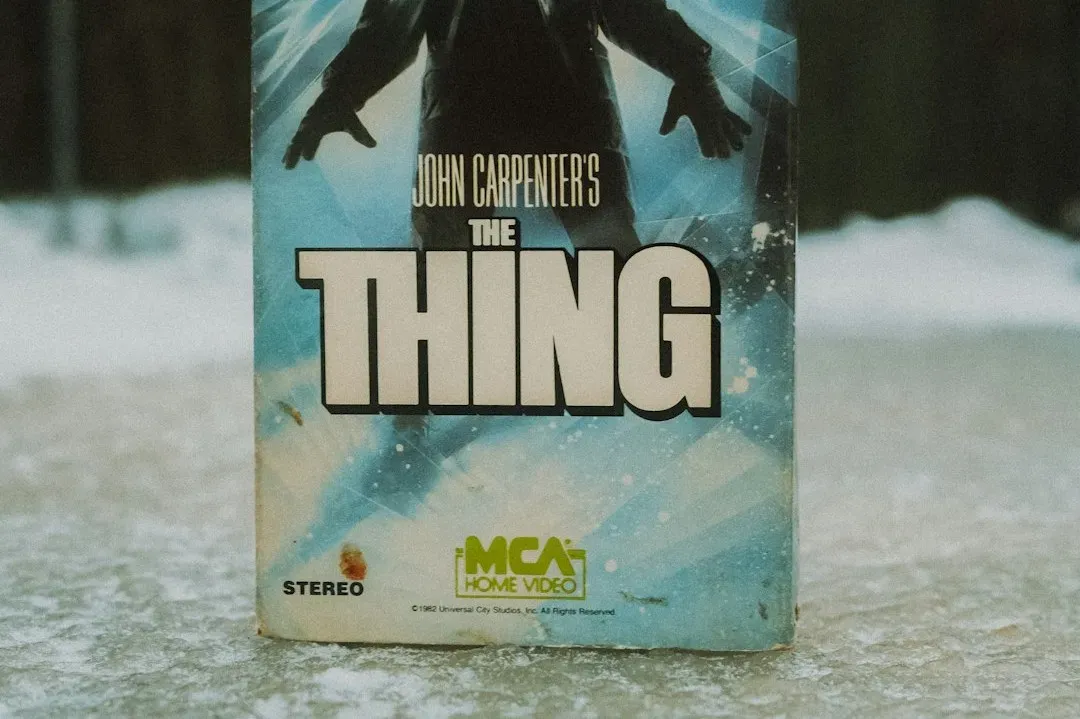
John Carpenter’s horror remake faced brutal competition and even worse reviews on arrival. Made on a budget of 15 million dollars, The Thing grossed only 19.6 million dollars in theaters, not nearly enough to come out in the black after marketing costs. Opening against E.T. during the height of summer blockbuster season did not help its cause.
Critics at the time were unusually harsh toward the film’s practical effects and tone. The film’s initial release was financially underwhelming and critically savaged, with many critics considering it worse than the original The Thing From Another World. Decades of rewatches later, it’s now widely regarded as one of the finest horror films ever made, with its creature effects treated as a benchmark rather than a liability. These nine films share a common thread beyond their theatrical struggles. Each one needed the slower, more forgiving rhythm of home viewing, repeat watches, and word of mouth spread between friends rather than opening weekend numbers, to find the audience that eventually made them classics. Their box office receipts tell one story, but the shelves of home video stores and later streaming queues told a very different one.
Partner offer
Planning a trip to Vegas?
Compare hotel rates and show tickets on VEGAS.com.