Every classic record has a story nobody talks about at the listening party. Behind the polished tracklists we know by heart, there were arguments in the studio, skeptical producers, and songs that almost got tossed in the bin before anyone outside the band ever heard them. Some of the biggest songs in music history survived by the thinnest of margins, saved by a stubborn songwriter, a persistent bandmate, or sometimes just a bit of luck. What follows are ten songs that nearly didn’t make the cut, and the album would look very different today if they hadn’t.
Bohemian Rhapsody by Queen

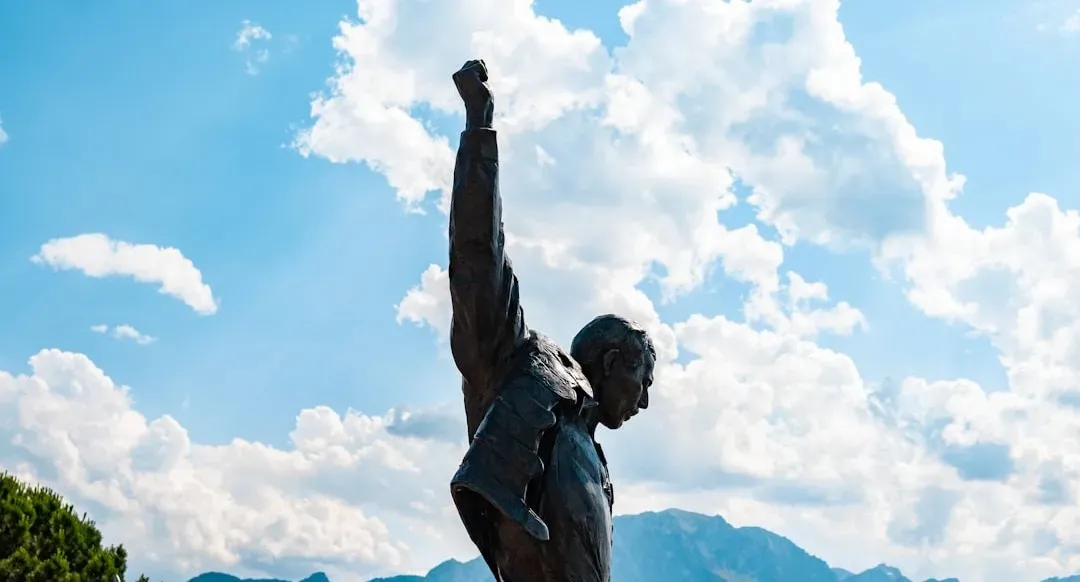
When Queen brought “Bohemian Rhapsody” to EMI for inclusion on A Night at the Opera, the label’s response was closer to alarm than enthusiasm. executives at EMI thought its six-minute runtime and operatic sections would never get radio airplay. Even within the band’s own camp, there were doubts about whether the song made sense as anything other than an album curiosity.
Freddie Mercury insisted on keeping the song intact, refusing to cut it down. That refusal turned out to be one of the great gambles in rock history, because when released in 1975, it became a massive hit, topping the UK charts for nine weeks. Decades later it kept climbing streaming charts too, a strange kind of vindication for a song almost nobody in the industry wanted.
Smells Like Teen Spirit by Nirvana

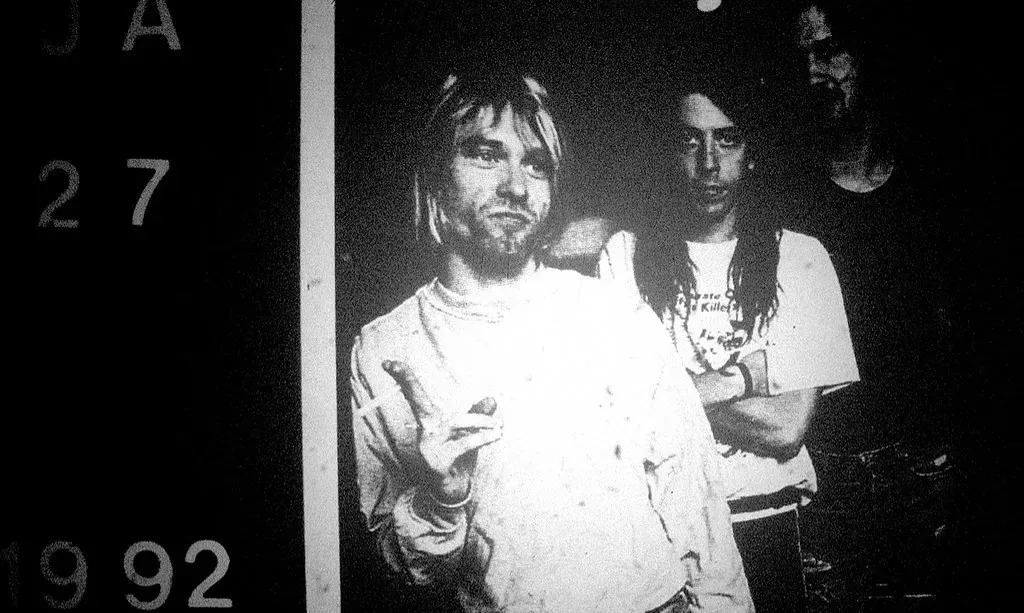
Nirvana’s signature anthem nearly never made it onto Nevermind at all. Smells Like Teen Spirit was nearly cut from Nevermind because the band felt it sounded too much like the Pixies and were hesitant about its polished sound. That anxiety wasn’t just about the sound; it touched on identity, since the band worried the song strayed too far from their punk roots.
Producer Butch Vig remembered the uncertainty firsthand. He recalled that the band was unsure about the song’s potential and almost left it unfinished. Once it did make the record, it reshaped the sound of an entire decade and turned Nevermind into a generational touchstone.
Billie Jean by Michael Jackson

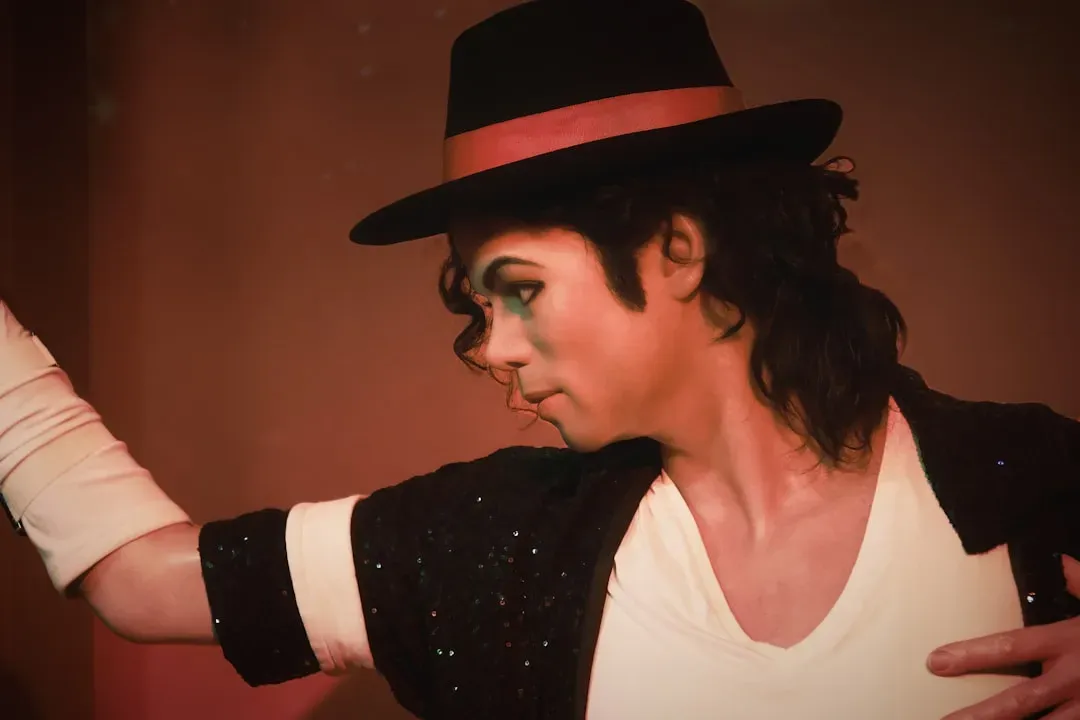
Michael Jackson had to fight for one of his most famous songs before Thriller ever hit shelves. Michael Jackson battled significant resistance during the Thriller sessions over what would become his defining hit, as Quincy Jones wasn’t sold on the bass line and even complained the track ran too long. For a producer of Jones’s stature to push back that hard shows just how close the song came to being trimmed or scrapped entirely.
Jackson held his ground anyway. Jackson dug in his heels, refusing to compromise on a composition he deeply believed in. The gamble paid off enormously, since Billie Jean skyrocketed to become one of music’s best-selling singles, helping Thriller claim its throne as history’s highest-selling album.
Sweet Child O’ Mine by Guns N’ Roses

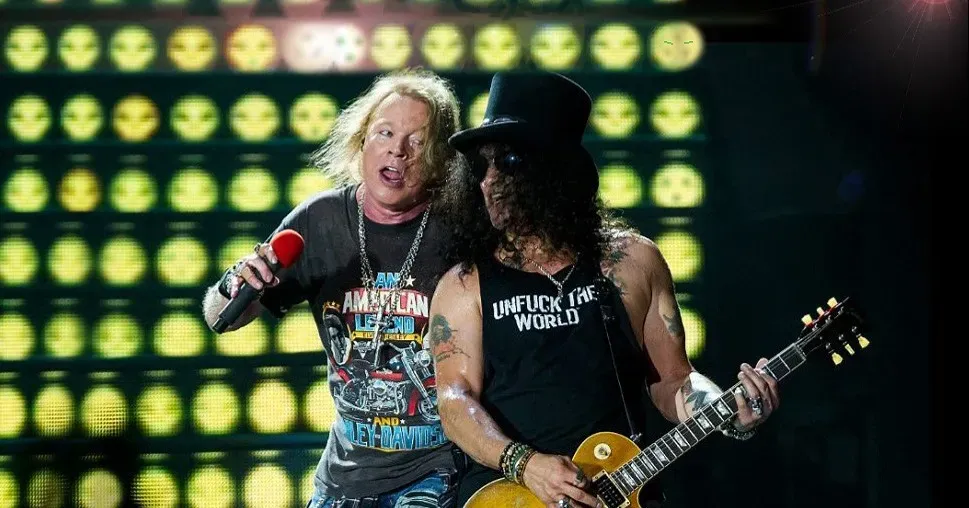
Few origin stories feel as unlikely as this one. Slash’s opening riff was meant to be a joke, and the band considered it too circus-like for their hard rock image. For a group built around raw aggression, a melodic, almost playful guitar line felt out of step with everything else on Appetite for Destruction.
Axl Rose saw something the rest of the band initially missed. Axl Rose pushed for its inclusion after writing heartfelt lyrics inspired by his girlfriend, Erin Everly. The result became one of the defining power ballads of the era, eventually reaching number one on the Billboard Hot 100 in 1988.
The Boys Are Back in Town by Thin Lizzy

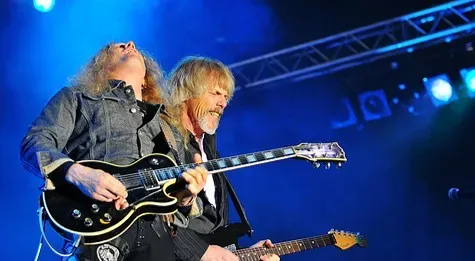
Thin Lizzy’s most enduring song almost didn’t survive the internal debate over Jailbreak’s tracklist. Thin Lizzy’s “The Boys Are Back in Town” was one of 1976’s biggest hits, but the song almost didn’t make the cut for their Jailbreak album. Guitarist Scott Gorham later recalled just how close the band came to cutting it entirely before anyone outside the group ever heard it.
It took outside pressure to change the outcome. Management pushed for its inclusion, and the song became a massive hit and Thin Lizzy’s signature track. Without that intervention, one of classic rock radio’s most enduring singalongs might have stayed in a drawer somewhere in Dublin.
Partner offer

Creep by Radiohead


Radiohead’s relationship with “Creep” has always been complicated, and that tension started before the song even made it onto Pablo Honey. Radiohead almost left “Creep” off their album Pablo Honey, as lead singer Thom Yorke wasn’t especially fond of the lyrics, and drummer Johnny Greenwood nearly tanked the recording on purpose. That kind of internal sabotage, even half serious, shows how unconvinced the band was about the song’s place on the record.
Despite the reluctance, the track made the cut and became inescapable. Despite it making its way to the album, the band still doesn’t seem to like it much, as they’ve declined to play it live many times. It remains one of the strangest cases of a band’s biggest hit also being the one they seem least eager to embrace.
Shake It Off by Taylor Swift

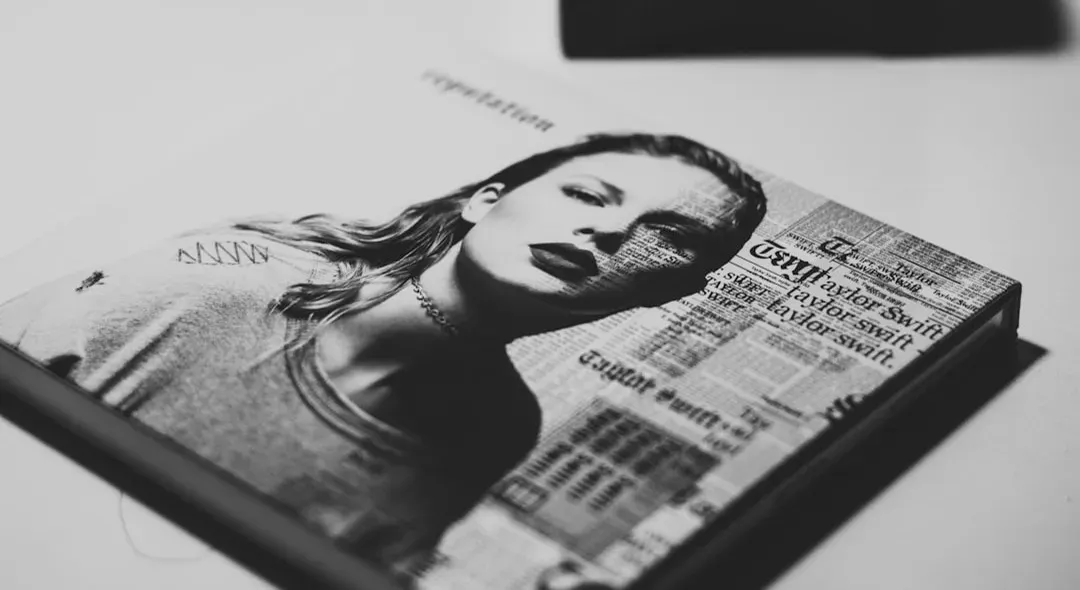
Taylor Swift’s pivot from country to full pop wasn’t universally welcomed inside her own camp. It’s hard to imagine that music execs were once worried about Taylor Swift’s transition from country to pop, and they didn’t want her to include “Shake It Off” on her album 1989. The concern reportedly centered on whether the song fit the new direction Swift was trying to establish with the record.
Swift didn’t back down from her instincts. She fought for it, and she ended up with a No. 1 hit. The song became one of the clearest signals that her pop reinvention was not a passing experiment but a lasting shift in her sound.
Fast Car by Tracy Chapman


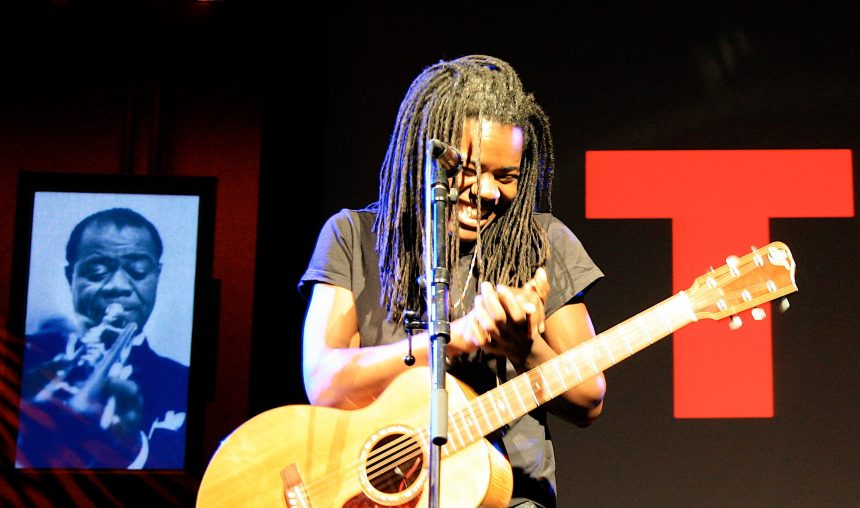
Tracy Chapman’s breakout single faced a different kind of skepticism, one rooted in pacing rather than genre. Fast Car was initially seen as too slow and too introspective to be a hit. Record executives worried that its quiet, narrative style simply wouldn’t translate to radio audiences used to something punchier.
A single live performance changed everything. Elektra considered leaving it off the album until Chapman performed it live at a Mandela tribute concert. Radio picked it up soon after, and it became a timeless classic. The song’s slow-burn success also foreshadowed its remarkable second life decades later, when Luke Combs’s cover reintroduced it to a new generation of listeners.
Sweet Dreams (Are Made of This) by Eurythmics

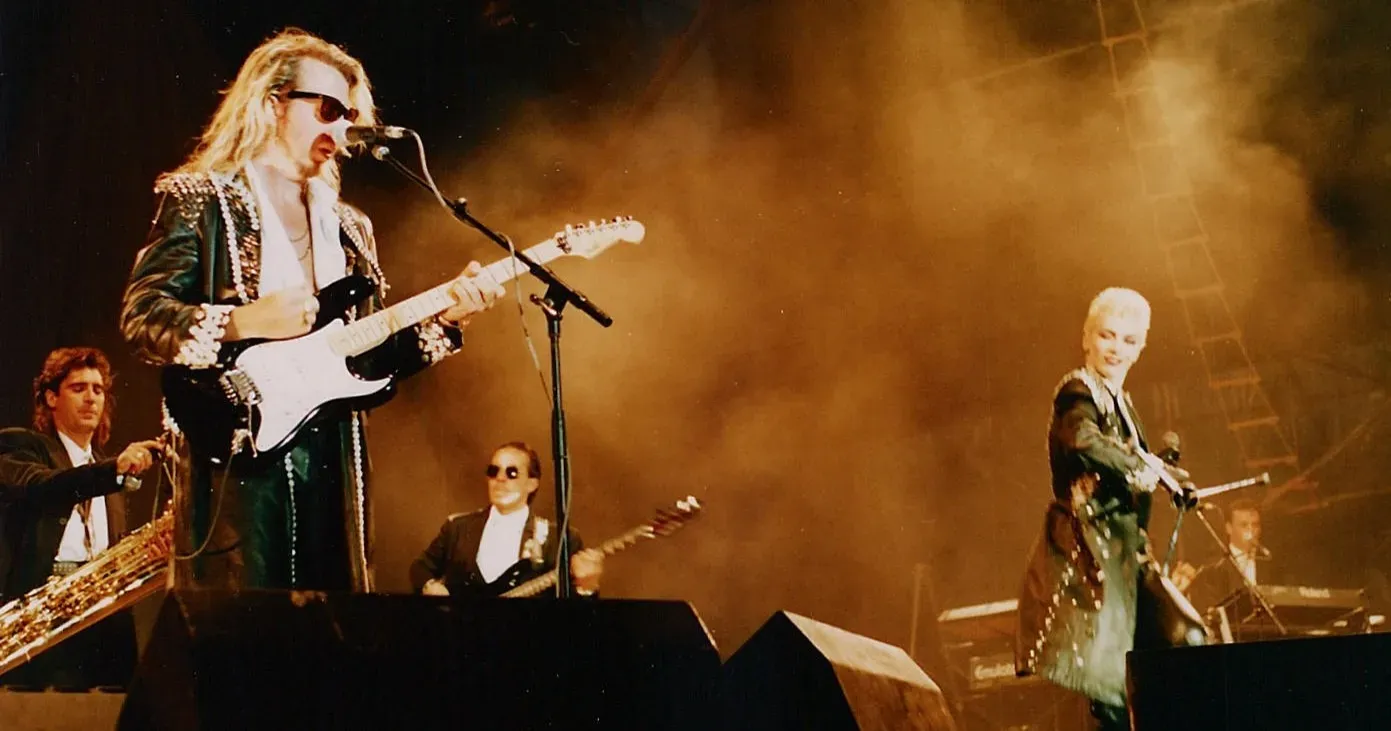
Dave Stewart and Annie Lennox believed in this synth-driven track from the start, but their label needed convincing. Dave Stewart and Annie Lennox of Eurythmics loved “Sweet Dreams (Are Made of This),” but their label wasn’t quite as taken. The song’s stark, minimalist production was unusual for the time, and executives weren’t sure mainstream audiences would respond to it.
It took an outside voice to shift the momentum. A DJ got ahold of the track, which showed label executives that it was worth including on the album named after the song. The song went on to define both the band’s sound and an entire strand of early 1980s synth pop.
Livin’ on a Prayer by Bon Jovi

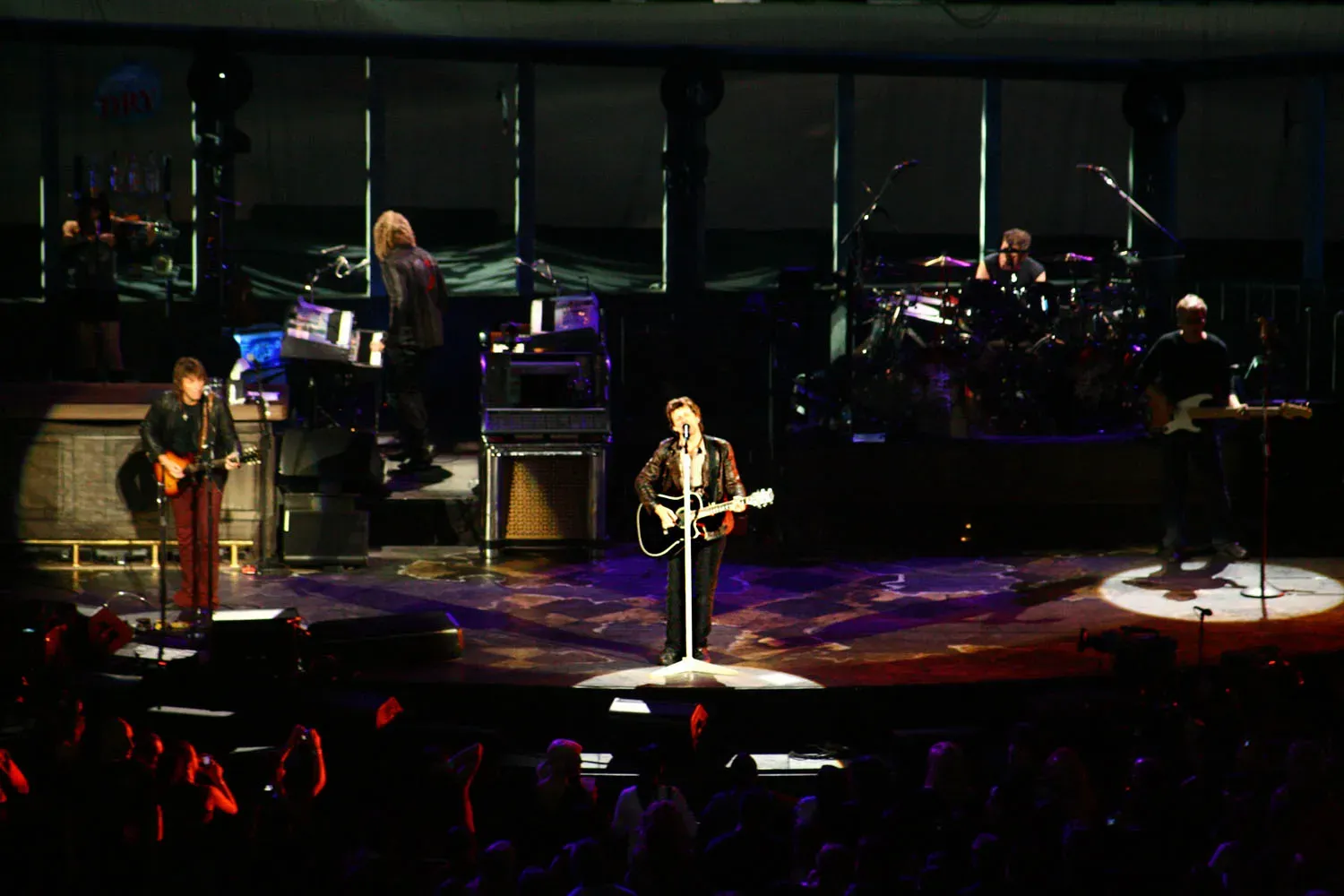
Bon Jovi’s signature anthem had a rough start, and Jon Bon Jovi himself wasn’t initially convinced. Jon Bon Jovi did not like the original recording of this song, which is present as a hidden track on 100,000,000 Bon Jovi Fans Can’t Be Wrong. By his own account, the song felt so different from anything else on the radio at the time that he wasn’t sure it even qualified as a rock song.
Guitarist Richie Sambora saw the potential others missed. Sambora convinced him the song was good, and they reworked it with a new bassline, different drum fills and the use of a talk box to include it on Slippery When Wet. The reworked version went on to spend four weeks at number one on the Billboard Hot 100 and became the song most associated with the band’s entire career.
These stories share a common thread. Time and again, the difference between a forgotten demo and a generation-defining hit came down to one person refusing to let go of a song everyone else had already written off. Producers doubted the length, the sound, the pacing, or the fit, and in nearly every case, the artist who wrote the song was the one who insisted it stay. That pattern says something worth remembering: commercial instinct and artistic instinct don’t always agree, and sometimes the song that feels like the biggest risk is the one that ends up defining the whole record.Partner offer
Planning a trip to Vegas?
Compare hotel rates and show tickets on VEGAS.com.