


Movie magic often depends less on computer graphics than on a location scout with a good map and a stubborn streak. Some of cinema’s most memorable settings, alien deserts, tropical islands, exotic prisons, were actually built or found in places that have nothing to do with the story on screen. The gap between where a film is set and where it was actually shot can be wide enough to surprise even longtime fans.
Star Wars: A New Hope and the deserts of Tunisia

George Lucas needed a sun-scorched, alien-feeling wasteland for Luke Skywalker’s home planet of Tatooine, and he found it not in some far corner of the galaxy but in the North African country of Tunisia. The town of Tozeur and the nearby salt flats of Chott el Djerid gave the young production exactly the kind of harsh, otherworldly terrain that no soundstage could replicate.
Lucas returned to Tunisia for later films in the saga, and the country has leaned into its Star Wars legacy ever since, with preserved sets near Matmata still drawing curious travelers. Locals now guide tourists through the very domed structures that once served as Luke’s childhood home, a strange bit of cultural crossover between a 1977 space fantasy and real desert life.
The Dark Knight Rises and a fortress in Jodhpur

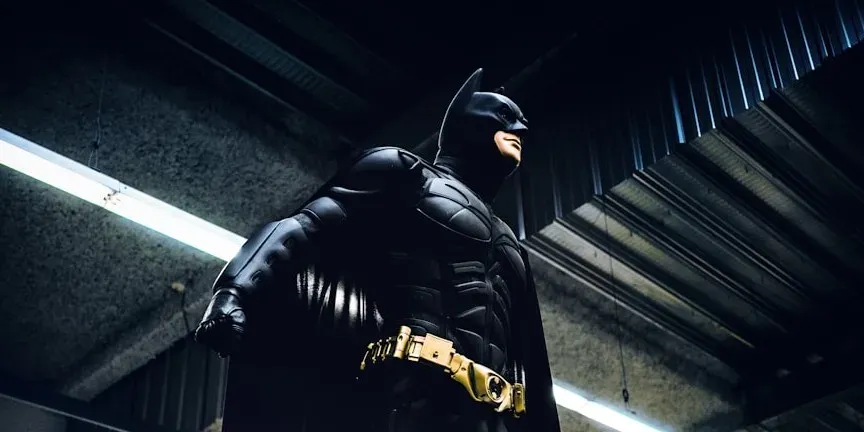
Christopher Nolan sent Bruce Wayne to what appears to be an inescapable underground pit prison somewhere vaguely Middle Eastern in The Dark Knight Rises. In reality, the exterior shots of Wayne finally climbing out into daylight were built at Cardington in the UK, but on finally escaping, he finds himself in front of the spectacular Mehrangarh Fort, a vast fifteenth century fort crowning a perpendicular cliff, four hundred feet above the skyline of Jodhpur.
The interior prison walls came from an entirely different Indian landmark. Production used the ancient stepwell of Chand Baori, a structure unique to India known as a baori, to serve as the interior walls of the prison. That stepwell, built roughly a thousand years ago in Rajasthan, now sees a steady stream of Batman fans among its more traditional visitors.
Black Panther’s chase through Busan, not Wakanda

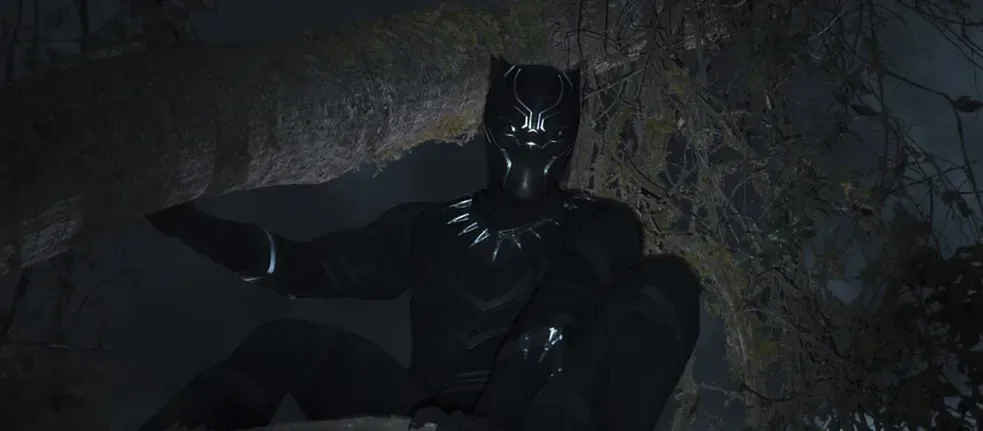
Wakanda exists only on screen, pieced together from studio sets and digital effects, but the film’s biggest action set piece needed something real underneath it. Marvel chose Busan, the second biggest city in Korea and home to the Busan International Film Festival, to stage the elaborate car chase between T’Challa and Ulysses Klaue.
The scale of that sequence was considerable. The South Korean car chase scene involved 150 cars and more than 700 people and featured Busan’s scenic Gwangalli Beach, Gwangandaegyo Bridge and other landmarks. Interior shots and some street sections were later recreated on soundstages back in Atlanta, but the beach, bridge, and market energy of Busan gave the sequence a texture that couldn’t be manufactured.
Mad Max: Fury Road’s swap from Australia to Namibia

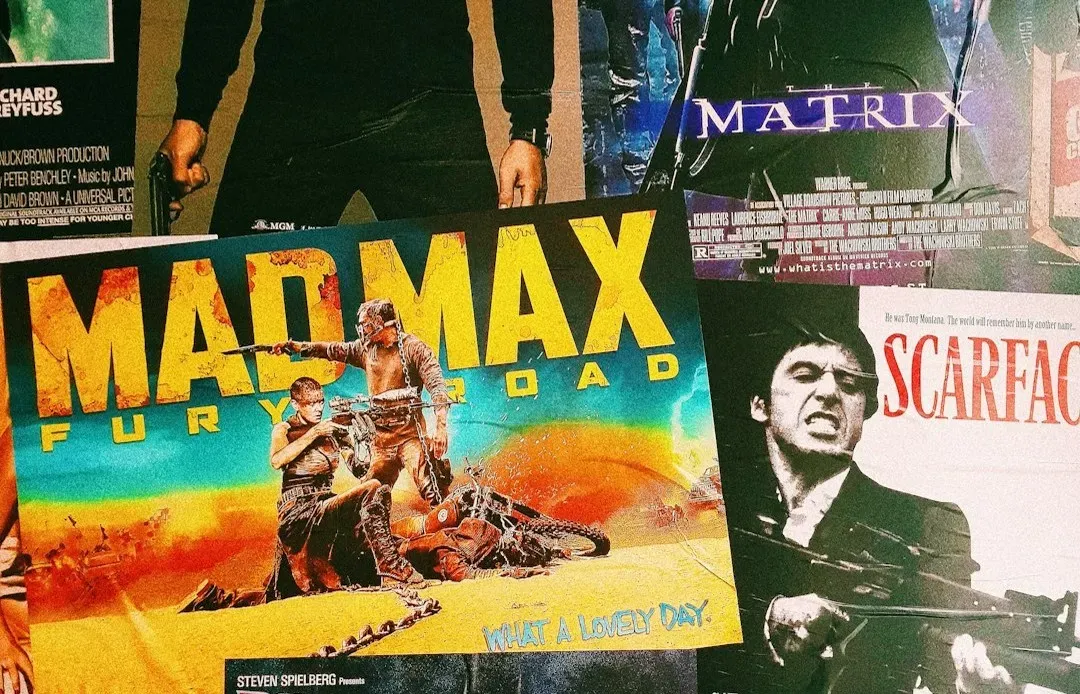
It seems almost absurd that a franchise this closely tied to the Australian outback ended up filming its biggest installment on another continent, yet that’s exactly what happened. Director George Miller had planned to shoot near Broken Hill, the same region used for Mad Max 2, but it was originally going to be shot near Broken Hill in Australia until heavy rains turned the usually barren landscape into a carpet of grass and desert flowers.
With the Outback suddenly blooming, Miller relocated the entire production to the Namib Desert near Swakopmund. As Miller himself put it at the time, “What was meant to be flat, red earth is now a flower garden,” forcing a last minute continental swap. Namibia’s stark dunes turned out to be such a convincing stand in that the film went on to win six Academy Awards, with the country’s landscape credited repeatedly during the ceremony.
The Martian’s Mars, actually a Jordanian desert

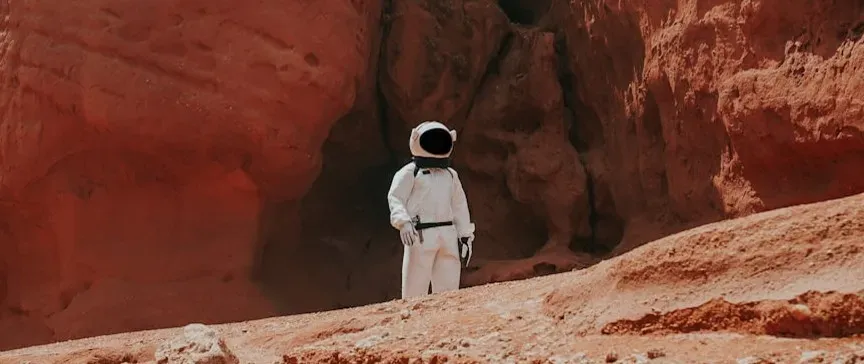
Ridley Scott needed a landscape that could pass for the red, alien surface of Mars without leaving Earth’s budget or its atmosphere. He found it in southern Jordan’s Wadi Rum, a protected desert valley that has stood in for otherworldly terrain in film after film. The Wadi Rum desert in southern Jordan was the main filming site for exterior scenes set on Mars, with filming taking place over eight days in 2015.
Partner offer

A bit of color grading transformed the site’s natural sandstone tones into something closer to the Martian palette audiences expected. From the classic Lawrence of Arabia to Prometheus, the beauty of this UNESCO World Heritage place has seduced many other film productions, making it something of an unofficial home base for Hollywood’s imagined red planet. Interior sets and studio work for The Martian were completed separately in Budapest, but the desert exteriors did the heavy lifting for realism.
Star Wars: The Force Awakens trades Tunisia for Abu Dhabi

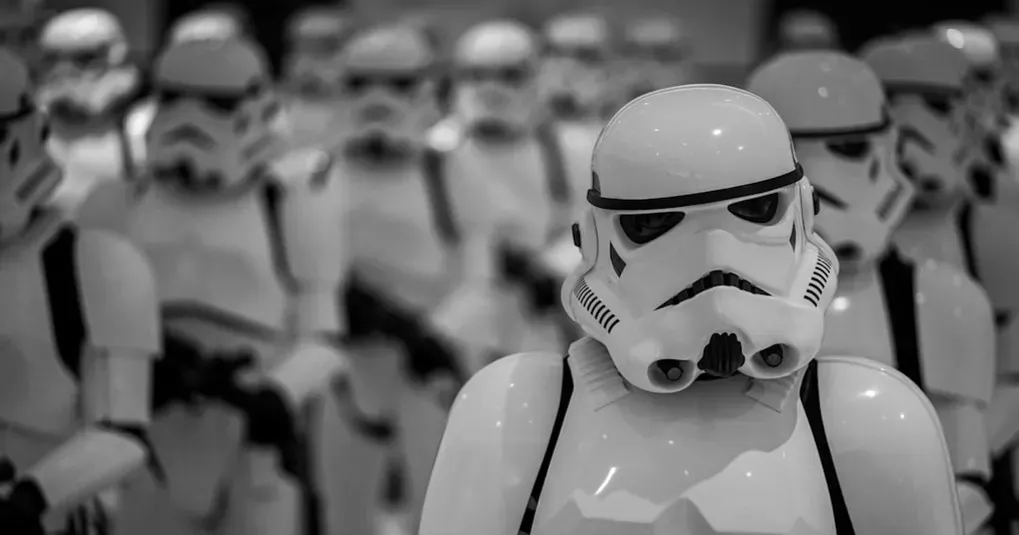
Nearly forty years after the original trilogy used Tunisia for Tatooine, J.J. Abrams needed a new desert for the sequel trilogy’s equivalent planet, Jakku. Rather than return to the same North African locations, the production instead chose the United Arab Emirates. The very first scenes of the new trilogy were shot in the desert near Abu Dhabi, in an area of the vast Rub’ al Khali desert that served as the setting for the planet Jakku.
The choice wasn’t purely aesthetic. It’s no longer Tunisia but the Rub’ al Khali desert near Abu Dhabi, thanks perhaps to rebates provided by the government to encourage film production. Cast and crew endured brutal conditions during the shoot, with temperatures regularly climbing well past what most film sets are built to handle, but the resulting dunes gave Jakku a scale and emptiness that felt distinct from the older Tatooine footage.
Jurassic Park’s tropical island was really Hawaii

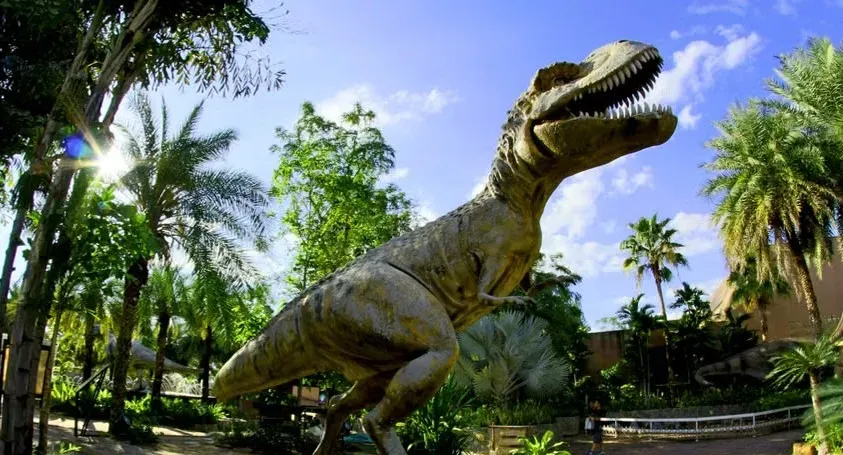
Steven Spielberg’s dinosaur thriller is set on the fictional Isla Nublar, somewhere off the coast of Costa Rica in the Pacific. Most of the film’s lush jungle exteriors, including the now iconic first glimpse of grazing brachiosaurs, were actually filmed on the island of Kauai in Hawaii. The island’s dramatic ridgelines and dense rainforest gave the production a believable stand in for a remote, undeveloped tropical paradise.
Kauai had already served as a filming backdrop for other productions before Jurassic Park, but this film cemented its reputation as a go to location for lush, prehistoric looking landscapes. A powerful hurricane actually struck the island partway through filming in 1992, delaying production and, according to cast members over the years, adding an unplanned layer of real world drama to a shoot already built around chaos and unpredictable nature.
Life of Pi’s ocean was a converted airport in Taiwan


Ang Lee’s adaptation of Yann Martel’s novel follows a young man adrift on a lifeboat with a Bengal tiger somewhere in the vast Pacific Ocean. Rather than risk shooting on open water, the production built an enormous water tank inside a decommissioned airport in Taichung, Taiwan, complete with a wave making system that could simulate storms, calm seas, and everything in between.
The controlled environment let Lee choreograph precise, repeatable shots involving visual effects and a real tiger stand in without depending on unpredictable ocean conditions. Taiwan’s film industry saw a noticeable boost from the production, and the facility used for Life of Pi has since become something of a case study in how a landlocked or coastal but calm location can convincingly fake open sea drama.
Casablanca’s Morocco that never left California

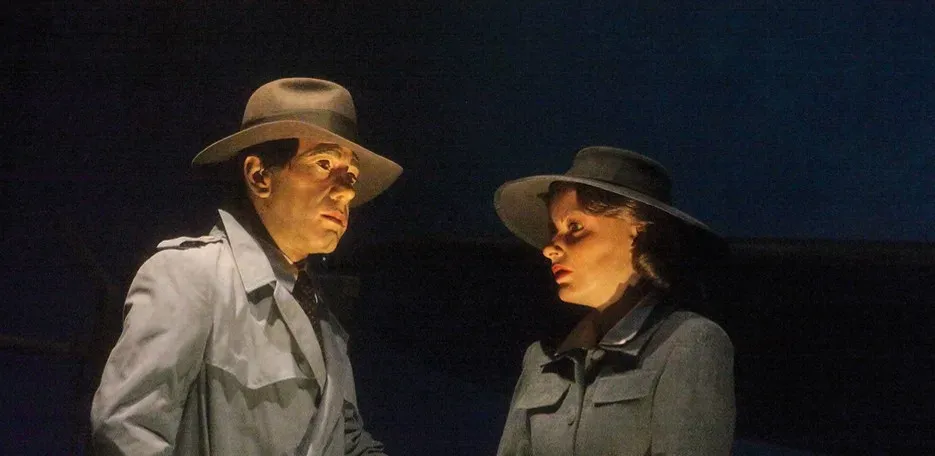
Perhaps no film demonstrates the gap between story setting and filming location quite like Casablanca. Despite its title and its wartime Moroccan setting, the 1942 classic was shot almost entirely on the Warner Bros. studio lot in Burbank, California, along with a few scenes at the nearby Van Nuys airport used for the famous farewell sequence.
Studio craftsmen built Rick’s Café Américain and the fictionalized streets of Casablanca from scratch, relying on set dressing, lighting, and matte paintings rather than any actual travel to North Africa. It’s a reminder that even one of the most atmospheric, evocative settings in film history can be entirely manufactured a short drive from Hollywood Boulevard, no passport required.
Taken together, these nine productions show how often the emotional truth of a place on screen has little to do with geography. A desert can double for another desert on a different continent, a fortress in India can become a comic book villain’s lair, and a converted airport can hold an ocean. What audiences see is rarely where the cameras actually were, and that gap is part of what makes location scouting one of filmmaking’s quieter but more fascinating crafts.Partner offer
Planning a trip to Vegas?
Compare hotel rates and show tickets on VEGAS.com.


