


Every writer knows the sting of a rejection letter, but few stories are as encouraging as the ones where authors kept submitting their manuscripts long after most people would have given up. Some of the world’s most beloved and commercially successful books were turned away by dozens, and in a few cases over a hundred, publishing houses before someone finally said yes. These stories are not just quirky trivia. They are proof that publishing decisions are subjective, that editors miss things, and that persistence sometimes matters as much as talent.
Below are nine novels whose paths to publication were littered with rejection slips, only for each one to go on and sell millions of copies, win major awards, or become a cultural touchstone. Their journeys remind us that a “no” from one editor is rarely the final word.
1. Carrie by Stephen King

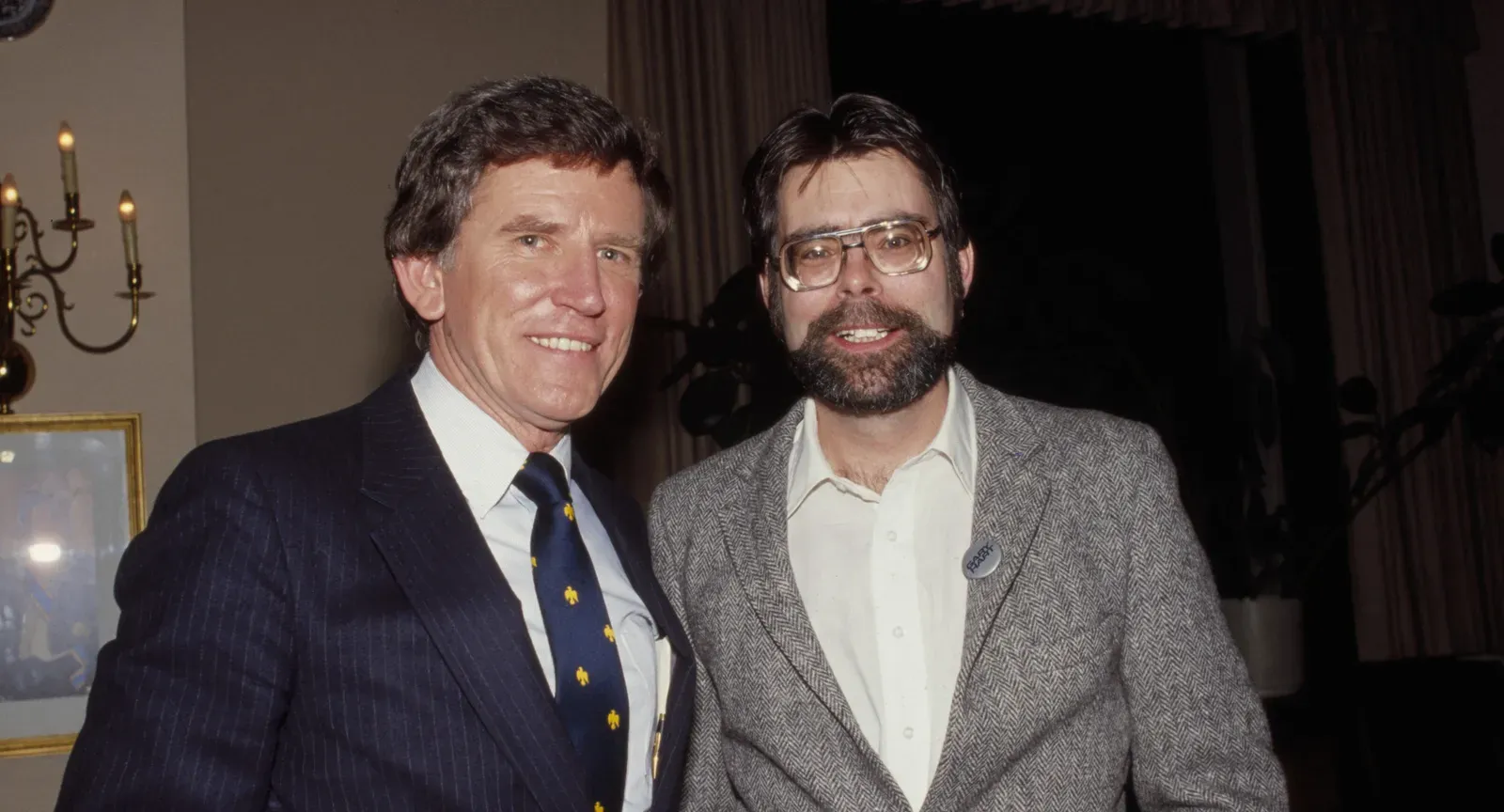
Before Stephen King became one of the best-selling authors alive, his debut novel Carrie faced a brutal road to publication. Stephen King’s first published novel, Carrie, hit the shelves on 5 April, 1974, but King’s journey to publication wasn’t as easy as you may have imagined, and it was the fourth novel he had written. Carrie was rejected by thirty publishers, and one editor reportedly noted that they weren’t interested in stories dealing with negative futures because such books simply didn’t sell. King had initially thrown just three pages of the story into the trash, and it was his wife Tabitha who rescued the pages and encouraged him to expand it into a full novel. When Doubleday finally agreed to publish it, the novel launched a career that has since produced dozens of novels and cemented King’s reputation as one of horror’s defining voices.
2. Chicken Soup for the Soul by Jack Canfield and Mark Victor Hansen


Few rejection stories in publishing history rival the saga behind Chicken Soup for the Soul. The collection of inspirational stories by Jack Canfield and Mark Victor Hansen was rejected 140 times before it was published, with editors repeatedly telling the authors that anthologies simply didn’t sell and that the stories were too sentimental for a mainstream audience. The authors had asked around fifteen people to read all 140 stories and grade them, then took only the top-scoring stories into a book they brought to New York, where they were rejected by twenty-one publishers over just three days. Once it finally found a home with a small press, the series exploded into a publishing phenomenon that has sold well over a hundred million copies worldwide.
3. Zen and the Art of Motorcycle Maintenance by Robert Pirsig


Robert Pirsig’s philosophical road-trip narrative holds one of the most extreme rejection records in literary history. Zen and the Art of Motorcycle Maintenance was published by William Morrow in 1974, after being rejected by 121 publishing houses. One editor at the publisher that eventually took a chance on it wrote before publication that the book was probably a work of genius that would attain classic status, according to reporting on the story. Despite the wall of rejections, the gamble paid off spectacularly. The book sold 50,000 copies in its first three months and has shifted more than five million copies since. It remains one of the most widely cited examples of persistence rewarded in modern publishing.
4. Dune by Frank Herbert


Frank Herbert’s sprawling science fiction epic almost never made it to bookshelves at all. Dune was serialized in Analog magazine, but when Herbert put it all together as a book manuscript, it was rejected by twenty publishers. Herbert eventually got his publishing deal because editor Sterling E. Lanier sought him out after falling in love with the story he had read in Analog. The publisher that finally agreed to release the novel was an unlikely one. Chilton Books, the company that ultimately published the book, was then known mostly for its auto repair manuals. Despite a shaky start commercially, Dune went on to become widely regarded as the best-selling science fiction novel of all time.
5. Harry Potter and the Philosopher’s Stone by J.K. Rowling


It’s hard to imagine a world without Harry Potter, yet the series very nearly didn’t happen. Harry Potter and the Philosopher’s Stone collected twelve rejections before Bloomsbury said yes, and J.K. Rowling also received the now-famous advice not to quit her day job. Twelve rejections might sound modest compared to some entries on this list, but for a struggling single mother writing in cafes, each “no” carried enormous weight. When Bloomsbury finally said yes, nobody could have predicted the astronomical success that followed, and the Harry Potter series has now sold over 500 million copies worldwide, making it the best-selling book series in history. The franchise has since expanded into films, theme parks, and a permanent place in popular culture.
6. A Wrinkle in Time by Madeleine L’Engle


Madeleine L’Engle’s genre-blending children’s classic baffled editors for years before it found a publisher. A Wrinkle in Time was rejected by 26 publishers before finally breaking into print, and it went on to win the 1963 Newbery Medal. Editors reportedly struggled to categorize the book, unsure whether it belonged in science fiction, fantasy, or straightforward children’s literature. That uncertainty nearly kept one of the most enduring works of American children’s literature off shelves entirely. Once published, the novel’s blend of science, faith, and adventure resonated with generations of readers and remains a staple of school reading lists to this day, decades after its original release.
7. Gone with the Wind by Margaret Mitchell


Margaret Mitchell’s sweeping Civil War epic is now considered one of the best-selling novels ever written, but getting it into print was no easy task. Gone With the Wind was rejected by 25 publishers according to some accounts, while other tallies put the number of rejections at 38. Either way, the manuscript spent years being turned down before Macmillan agreed to publish it in 1936. The novel went on to win the Pulitzer Prize and inspired one of the most successful films in Hollywood history. Its story of resilience amid war and loss struck a chord with Depression-era readers, and the book has remained continuously in print for nearly ninety years.
8. The Help by Kathryn Stockett


Kathryn Stockett’s debut novel about Black domestic workers in 1960s Mississippi endured an especially grueling submission process. The Help by Kathryn Stockett was rejected 60 times before finding a publisher. Stockett has spoken publicly about the years of self-doubt that came with such a long string of rejections while she worked on revisions and kept submitting the manuscript to literary agents. Once published in 2009, The Help became a massive commercial success, spending more than a hundred weeks on bestseller lists and later being adapted into an Academy Award-nominated film. Its journey from repeated rejection to critical and commercial triumph remains one of the more inspiring modern publishing stories.
9. Watership Down by Richard Adams


Richard Adams’ novel about a group of rabbits searching for a new home might seem like an unlikely candidate for dozens of rejections, but publishers were skeptical for years. Watership Down by Richard Adams collected 26 rejections before it was finally accepted. Editors reportedly worried that the story’s vocabulary and themes were too sophisticated for younger readers, while adult audiences might dismiss it as merely a children’s book. That uncertainty about its audience proved unfounded almost immediately after publication. Watership Down became an international bestseller, won both the Carnegie Medal and the Guardian Children’s Fiction Prize, and has remained a beloved classic that appeals to readers of every age since its release in 1972.
Taken together, these nine stories paint a consistent picture. Publishing is a subjective business, shaped by trends, timing, and the personal taste of whoever happens to be reading a submission on a given day. None of these authors succeeded because rejection stopped mattering to them. They succeeded because they kept going anyway, revising, resubmitting, and believing in stories that dozens of professional readers had already dismissed.
For any writer facing a stack of rejection letters today, these nine examples serve as a useful reminder. A rejection is rarely a verdict on a book’s ultimate worth. Sometimes it just means the right reader hasn’t opened the manuscript yet.


