


Musicians chase gold records and chart-topping singles all the time, but a handful have wandered into much stranger territory. Somewhere between soundchecks and world tours, a few artists ended up in the Guinness book for reasons that have nothing to do with sales figures. Some of these feats were planned publicity stunts, others happened almost by accident, and a couple involve extreme environments most performers would never dream of visiting.
Metallica: first band to play a concert on all seven continents


In December 2013, Metallica flew to a research station in Antarctica and set up inside a transparent dome for a show that would make music history. Metallica became the first musical act to play a concert on all seven of Earth’s continents when they entertained 120 scientists and competition winners in a transparent dome at Carlini Station in Antarctica on 8 December 2013. The hour long set, appropriately named “Freeze ‘Em All,” included classics from across the band’s catalog.
What makes the achievement even rarer is the timing. To date, Metallica holds the Guinness World Record as the first band to perform on all seven continents, as well as the only band to perform on all seven continents within the same calendar year. Because of Antarctica’s fragile environment, the band could not use traditional amplification, so the sound reached the small crowd through headphones instead of speakers.
Deep Purple: officially the loudest band ever recorded

Long before decibel meters became standard concert equipment, Deep Purple was already testing the limits of hearing. Deep Purple was recognized by The Guinness Book of as the “globe’s loudest band” for a concert at the London Rainbow Theatre in 1972, during which the sound reached 117 dB and three members of the audience fell unconscious. That is roughly the volume of a jet engine at close range, which gives some sense of how physically overwhelming the show must have felt.
Guinness eventually stopped tracking a “loudest band” category altogether. Technically, The Guinness Book Of Records no longer recognises the “loudest band” for fear of promoting hearing loss, though when it was still tracking the record, highlights included Iron Maiden at Monsters Of Rock (124 dB) and Kiss in Ottawa peaking at 136 dB. Deep Purple’s 1972 mark still stands out because of the specific detail that three audience members actually lost consciousness, something later record holders never quite matched in dramatic effect.
Billy Joel: most performances at Madison Square Garden
Billy Joel did not just play Madison Square Garden a few memorable times. He turned it into something closer to a residency. Billy Joel holds the Guinness World Record for the most ever performances at New York City’s Madison Square Garden, with more than 100 shows at the venue. That kind of consistency, spread across decades, has no real parallel among his peers.
The connection between Joel and the arena runs deeper than ticket sales. He also holds the distinction of being the first non-classical composer to be inducted into NYC’s Steinway Hall. Together, the two honors paint a picture of an artist whose relationship with a single building became part of his identity as a performer.
Jamiroquai: highest altitude concert ever performed

Most bands worry about sound checks and stage lighting. Jamiroquai had to worry about cabin pressure. The prize flight flew attendees from Munich to Athens, promoting the album “High Times,” and when Jamiroquai started playing at 35,000 feet, it secured the group the Guinness World Record for “performance at the highest altitude.” It remains one of the more unusual promotional stunts in modern pop music.
The idea only makes sense once you notice the album title behind it. Naming a record “High Times” and then performing it literally in the sky turned a marketing gimmick into a genuine world record. Few bands have ever combined wordplay and physics quite so directly.
Ozzy Osbourne: leading the longest scream by a crowd


In June 2010, Ozzy Osbourne turned a baseball stadium into an audio experiment. Ozzy Osbourne led a Dodger Stadium crowd of over 52,000 in setting a new Guinness achievement for the longest scream by a crowd, recorded and verified by a Guinness official. The event doubled as a fundraiser for cancer research tied to his wife Sharon’s own recovery.
Partner offer

The record did not last forever, though Osbourne’s version remains the most famous. The longest scream by a crowd is now recognized at 8 minutes 45 seconds, achieved by Drayton Manor Theme Park on April 12, 2014. Osbourne’s Dodger Stadium moment still gets remembered as the record’s most theatrical chapter, in part because of the sheer size of the crowd involved.
Jack White: fastest studio to store record release

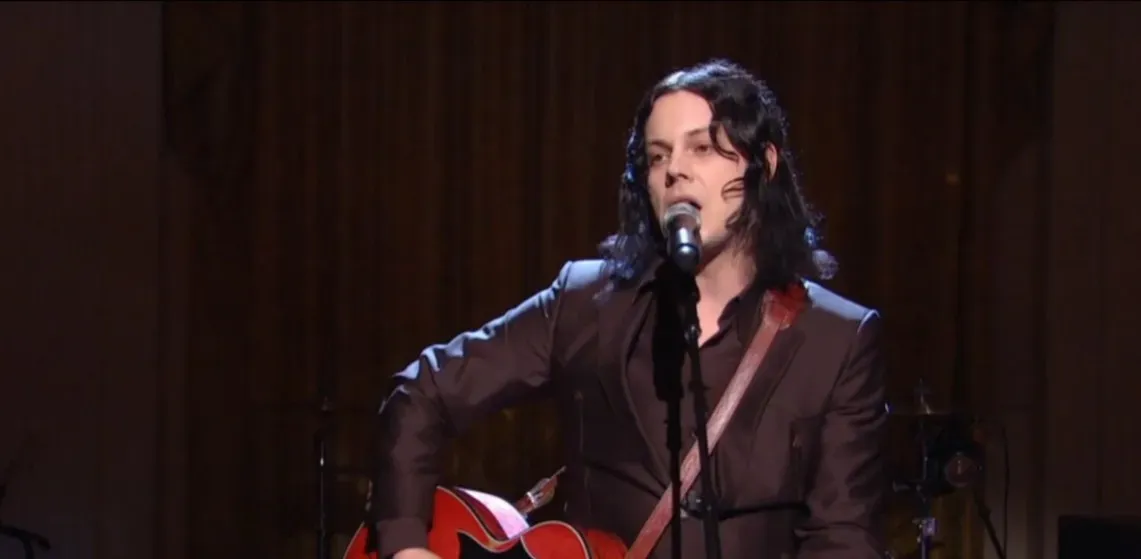
On Record Store Day in 2014, Jack White decided to see how quickly a physical record could go from an empty room to a customer’s hands. It took Jack White three hours, 55 minutes, and 21 seconds to set a new world record for the fastest released album, performing the title track of his upcoming album Lazaretto for a small crowd in Nashville. Straight from the stage, the recordings went to a nearby pressing plant.
The whole chain, from performance to finished vinyl in customers’ hands, moved faster than most bands finish a single mixing session. The previous Guinness World Record holder for the fastest album release belonged to Swiss accordion trio Vollgas Kompanie, which released a live album one day after recording it. White’s version has since been surpassed by a Dutch band, but it remains one of the more inventive record store stunts of the streaming era.
The White Stripes: shortest music concert ever staged

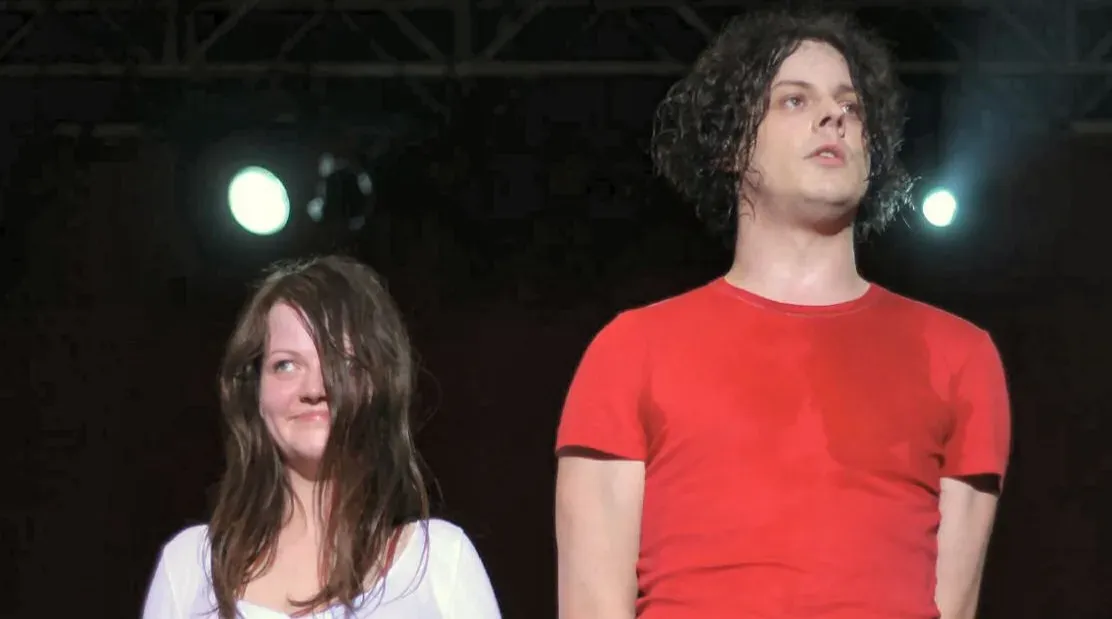
Before Jack White chased speed records with Lazaretto, his old band had already claimed a different kind of record for brevity. The White Stripes were formally recognised in the 2009 edition of the Guinness for the shortest music concert ever after, on 16 July 2007, they played just one note at a gig in Canada. It was a stunt built entirely around the idea that showing up counts as performing.
The category did not survive long after that. Following this, the judging panel received many applications from bands and performers seeking to beat the record, claiming that to appear on stage was enough to qualify, and much to White’s horror, the body eventually decided to scrap the shortest concert category. A single note in Canada effectively broke the record so thoroughly that Guinness decided nobody should be allowed to try again.
The Flaming Lips: most live concerts performed in 24 hours
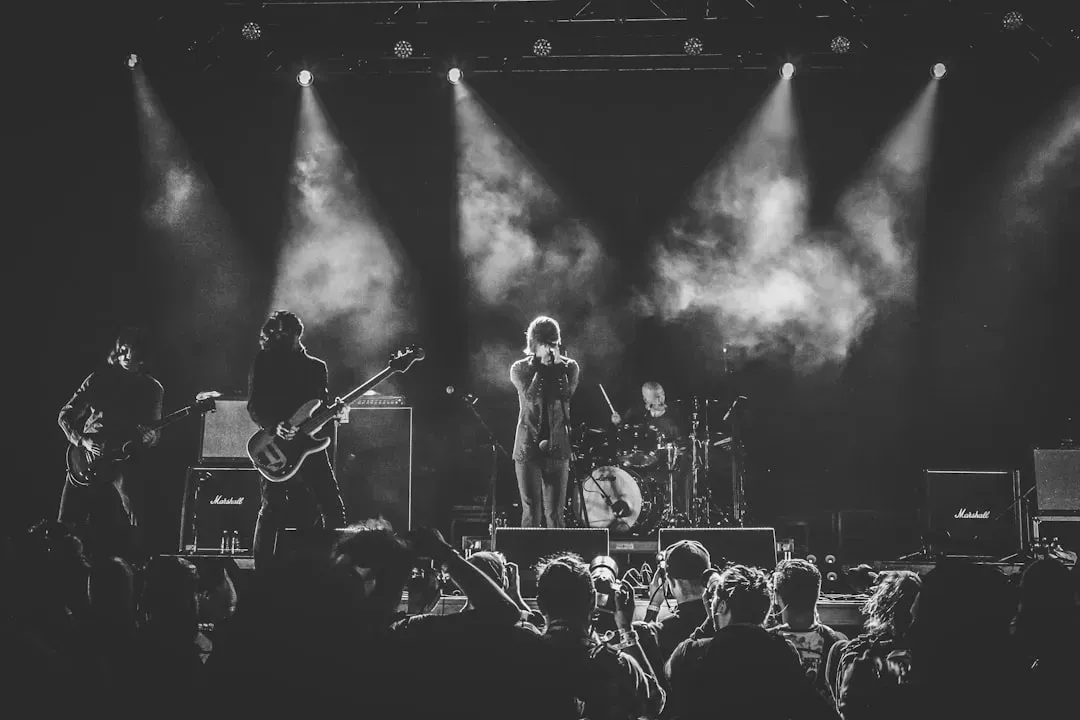
The Flaming Lips are known for elaborate stage shows involving confetti, giant balloons, and costumes, but their world record has nothing to do with spectacle. The Flaming Lips hold the record for the most live concerts in 24 hours. Pulling off multiple full shows in a single day requires logistics that look more like an endurance event than a tour schedule.
The feat sits alongside a career built on unconventional choices, from psychedelic album concepts to unusual live formats. It says something about the band’s willingness to treat touring itself as a creative challenge rather than a routine obligation. Few acts have approached the sheer physical demand of performing that often in such a short window.
Pharrell Williams: longest music video ever produced


Pharrell Williams turned a single song into something closer to a marathon broadcast. Owner of seven Grammy awards, Pharrell Williams holds the title for the longest music video, as the video for “Happy” lasts 24 hours and featured multiple people dancing in LA and miming to the words. The format let fans jump in at any hour and see a different set of dancers performing the same track.
The idea worked partly because “Happy” was built for repetition, an upbeat, endlessly loopable song that did not wear thin even across a full day of footage. It also turned into one of the more inventive ways an artist has used a single format to extend a song’s cultural reach. Instead of one music video, fans effectively got a rotating cast performing the same three and a half minutes for twenty four straight hours.
These nine records show how far musicians will go once they step outside the usual metrics of chart positions and streaming numbers. Some of these feats were built for headlines, others happened almost by chance, but each one has stuck around as a strange footnote in a musician’s career. Guinness has since tightened its rules on several of these categories, meaning a few of these achievements will likely stand exactly as they are for good.Partner offer
Planning a trip to Vegas?
Compare hotel rates and show tickets on VEGAS.com.


