


Movie fans have never been shy about complaining, but something feels different this time. Scroll through any film subreddit or comment section in 2026 and you’ll find the same grievances repeated with a weary consistency, less like isolated gripes and more like a shared diagnosis. The industry keeps doubling down on choices that pack theaters in the short term while quietly wearing down the audience’s patience for the long haul.
1. AI-generated actors trying to pass as the real thing


The idea of a synthetic performer landing a starring role sounded like science fiction until a company called Particle 6 introduced Tilly Norwood, an AI-generated actress set to appear in the film Misaligned. The LA Times published an article about Tilly Norwood, a new AI-generated actress created by Particle 6, who is set to star in the upcoming movie Misaligned, and the idea that robotic replicas would replace front-facing talent feels like a far-away dystopia. The reaction from actors and younger viewers alike has been mostly one of unease rather than curiosity.
Unions haven’t stayed quiet either. SAG-AFTRA in June ratified a new four-year contract with special protections against synthetic performers, and the union has backed a national bill designed to protect individuals from unauthorized, AI-generated digital replicas. Fans generally don’t want to root for a face that was never a person in the first place, and that resistance shows no sign of softening.
2. AI slipping into animation and visual effects without disclosure

It’s one thing to know AI exists somewhere in the pipeline. It’s another to feel deceived about it. That’s exactly what happened with Eli Roth’s Ice Cream Man, where the massive backlash over the movie turned a simple horror flick into a fight over the future of movies after filmmakers initially claimed the retro animation was drawn by hand, but the credits revealed an AI company had actually made it, forcing Roth to admit he “misspoke.”
The anger wasn’t really about rejecting new tools outright. The outrage is about more than just hating technology, since audiences are getting tired of movies looking fake, cheap, and hollow. When a studio hides that a machine did the drawing, it reads as a trust violation, not just a stylistic choice.
3. The endless legacy sequel treadmill

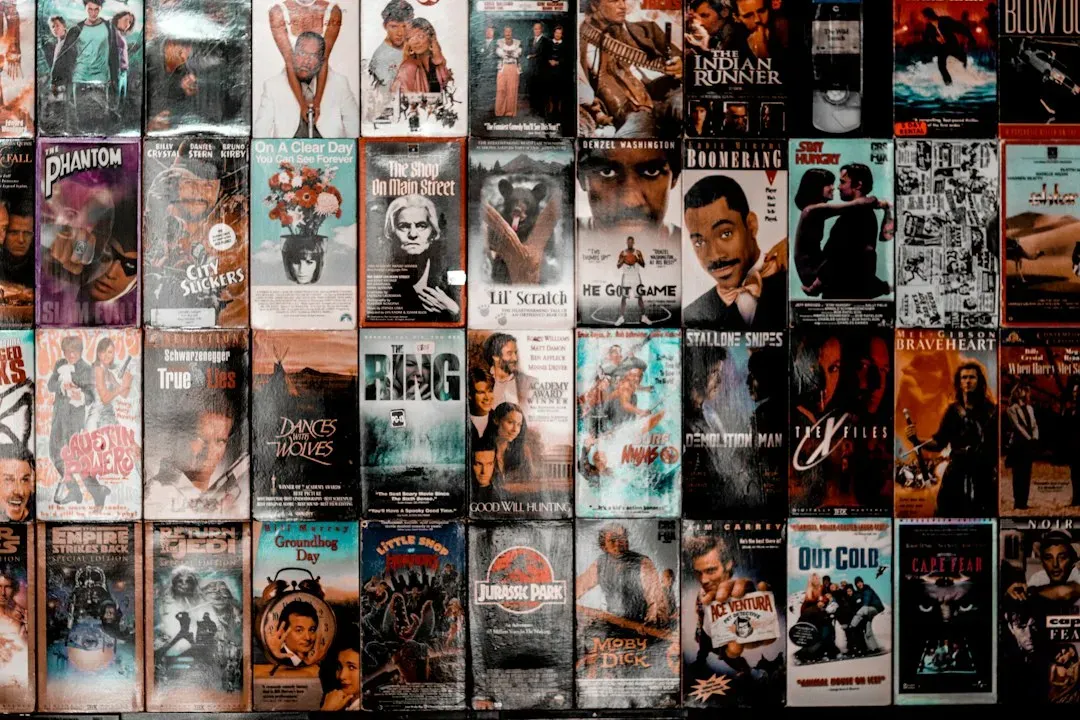
Nostalgia-driven follow-ups to decades-old hits have become a genre unto themselves, and audiences have mixed feelings even as they keep buying tickets. 2025 was the year of the sequel, and 2026 shows no sign of slowing down, with studios announcing sequels for The Devil Wears Prada, Toy Story, Jumanji, and more. The pattern has become predictable enough that fans can practically see the announcement coming before it’s made.
What makes this frustrating for critics is how little these projects seem to be about storytelling need. Audiences respond immediately to sequel announcements not because the story urgently needed a continuation, but because of an existing emotional connection to the original film and its cultural legacy. That’s a business insight worth respecting, but it doesn’t make the fatigue any less real for viewers who wanted something new.
4. Live-action remakes of animated classics


Few trends generate as much reflexive groaning as Disney’s live-action remake pipeline. The track record hasn’t done the strategy any favors either. Live-action films have generally received the worst reception, with only 4 of 24 live-action Disney remakes earning a Rotten Tomatoes score of 80 or above, yet Disney released two in 2025, confirmed one for 2026, and is developing five more.
The complaint isn’t really about the concept of remakes existing. It’s the sense that beloved animated stories are being run through a formula that trades charm for photorealism and rarely improves on the source. Fans have started deciding how they feel about these films before a single frame reaches theaters, and that preemptive skepticism has become its own kind of trend.
5. Franchise universes that never stop expanding
Cinematic universes were supposed to deepen storytelling, but for a lot of viewers they’ve become homework. Over 40 sequels and franchises clogged the 2025 release calendar, with franchises claiming more than half of wide releases as studios leaned on proven IP for box office security. Keeping up with every spinoff and tie-in has turned into a part-time job nobody signed up for.
The frustration is compounded by diminishing returns at the box office. Some big-name installments aren’t drawing the crowds they used to, and industry insiders worry theatrical benchmarks may be beyond reach as consumer viewing shifts toward streaming. Fans keep asking for fewer, better stories instead of an ever-widening web of interconnected content.
6. Runtimes that keep creeping past two and a half hours

There was a time when a two-hour movie felt long. Now it’s practically the minimum for a big release. Researcher Stephen Follows checked the run times of 36,000 films released theatrically from 1980 to 2025 and found the average length of a wide-release theatrical title has grown from roughly 106 minutes in the 1990s and early 2000s to 114 minutes in recent years, with big-budget films tending to run even longer.
Action movies are the biggest culprit. Action films now average 128 minutes, a full 25 minutes longer than a few decades ago. Add in pre-show advertising and trailers that have expanded to average around 20 to 30 minutes, meaning audiences are spending more time sitting in a theater seat than ever before, and it’s easy to see why patience is wearing thin.
7. Trailers that give away the entire plot

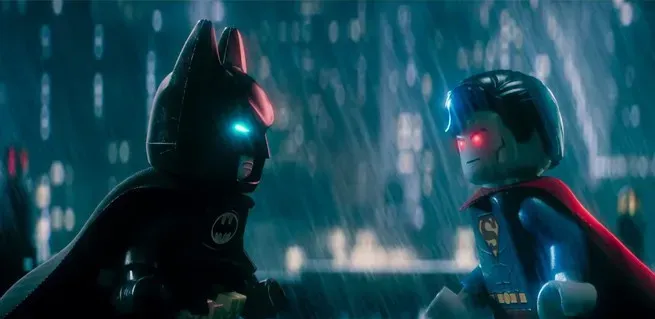
Trailers used to be a tease. Increasingly they function as a highlight reel of everything that was supposed to be a surprise. Movie trailers have morphed from tantalising glimpses into full-blown plot exposés, a marketing arms race where studios, desperate to secure opening weekend numbers, reveal far too much, far too soon.
The Terminator franchise is a repeat offender here. The Terminator Genisys trailer nonchalantly dropped the bombshell that John Connor would become a Terminator, a twist that should have been shocking but lacked punch once the secret was already out. Some directors are pushing back, and Spielberg, Jordan Peele and Christopher Nolan have each made a point of keeping third-act reveals hidden, but the industry-wide habit hasn’t gone away.
8. Streaming platforms spoiling their own biggest moments

It’s one thing for a rival outlet to leak a twist. It’s another for the studio that made the show to spoil it for you, on purpose, during a holiday football broadcast. During Christmas Day NFL broadcasts, Netflix aired a commercial titled “Spoiled 2025” that intentionally revealed major plot twists and character deaths for its biggest hits, flashing images of beloved characters with the word “DIED” across their faces.
The backlash was immediate. The reaction on social media was scathing, with one viewer calling it possibly the worst advertisement idea they had ever seen, a sentiment that quickly gained thousands of upvotes. Fans don’t mind marketing that builds excitement. They mind marketing that treats a payoff they were saving for later as free promotional material.
9. Big-event trailer slots disappearing without warning

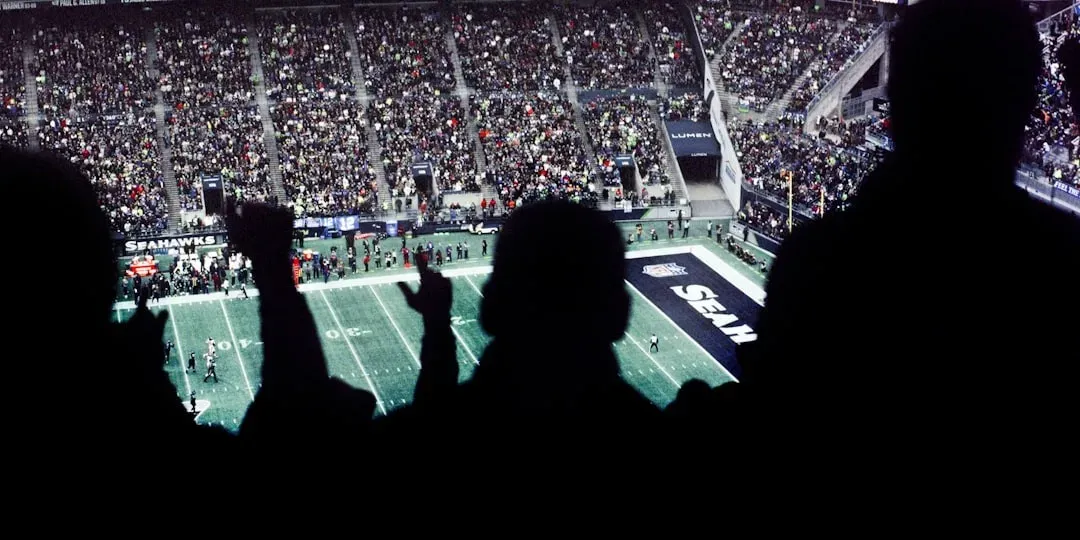
For years, the Super Bowl doubled as an unofficial trailer showcase, a night when studios dropped their biggest reveals in front of a captive national audience. That tradition thinned out considerably in 2026. The 2026 game was severely lacking in the trailer department, and folks were unified in being pretty upset by the big game’s lack of focus on the art of cinema.
Fans noticed the shift and weren’t quiet about it. One user wrote there had been like three movie trailers the whole time, joking that it was all AI and gambling instead. When a reliable cultural ritual quietly disappears, even casual moviegoers feel the absence.
10. AI content quietly slipping into theaters through the back door

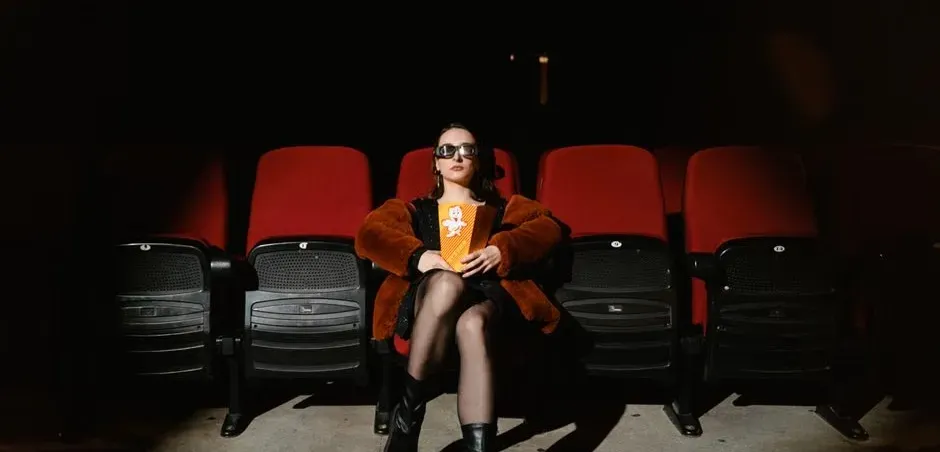
Perhaps the most unsettling trend of all is how AI material has started appearing in cinemas without clear consent from anyone involved, including the theater chains themselves. After it was leaked online that an AI-generated short was going to screen before feature presentations, people directed their anger toward AMC Theatres, though AMC protested that it had not programmed the AI film and that a third-party company called Screenvision Media had arranged it.
This kind of confusion, where nobody seems fully accountable for what’s actually shown before the movie starts, is exactly the sort of thing that erodes trust in the theatrical experience. Theater chains have grasped a fundamental truth of doing business in Hollywood in 2026, that wading into AI waters carries real peril. Audiences increasingly agree, and they’re not shy about saying so the moment they spot it.
Where things go from here

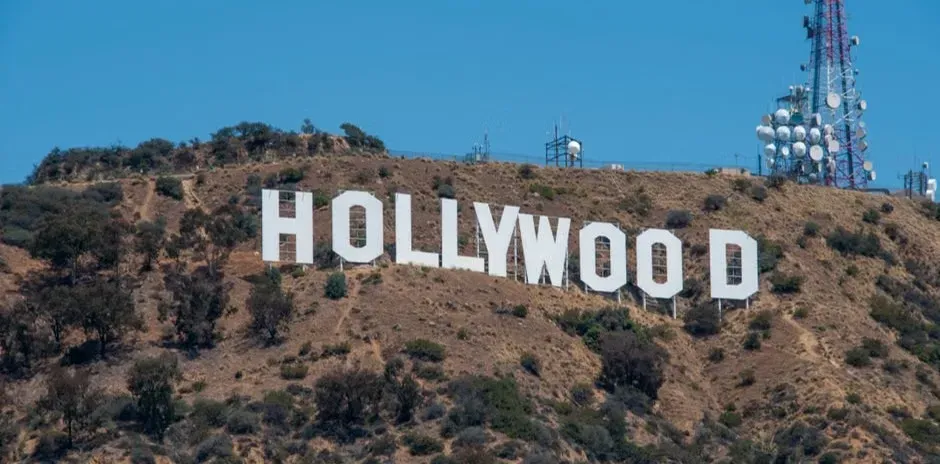
None of these trends exist in a vacuum. AI anxiety, franchise fatigue, bloated runtimes, and marketing that gives away too much are all symptoms of an industry chasing short-term certainty in an uncertain market. The irony is that fans keep showing up anyway, which makes it hard for studios to feel real pressure to change course.
Still, patience has limits, and 2026 has shown flashes of that limit being tested in public. Whether Hollywood actually listens or simply waits out the complaints, as it has before, remains an open question. For now, the list keeps growing, and so does the audience’s appetite for something that doesn’t feel quite so familiar.


