There are films you watch. Then there are films that watch you back, that leave something behind in the room after the credits roll. You know the feeling. That quiet moment after a great movie where you just sit there, staring at nothing, unsure whether you want to laugh or cry or call someone you love.
Movies are more than just entertainment. They are windows into different worlds, cultures, and ideas, and the films that have truly stood the test of time have had a significant impact on the industry, influencing filmmakers for decades and shaping pop culture in ways that are still felt today. This list is not about the flashiest blockbusters or the newest streaming hits. It is about the nine films that, in the honest opinion of critics, scholars, and millions of viewers worldwide, you simply cannot leave this earth without having experienced. Let’s dive in.
1. The Shawshank Redemption (1994) – The People’s Champion

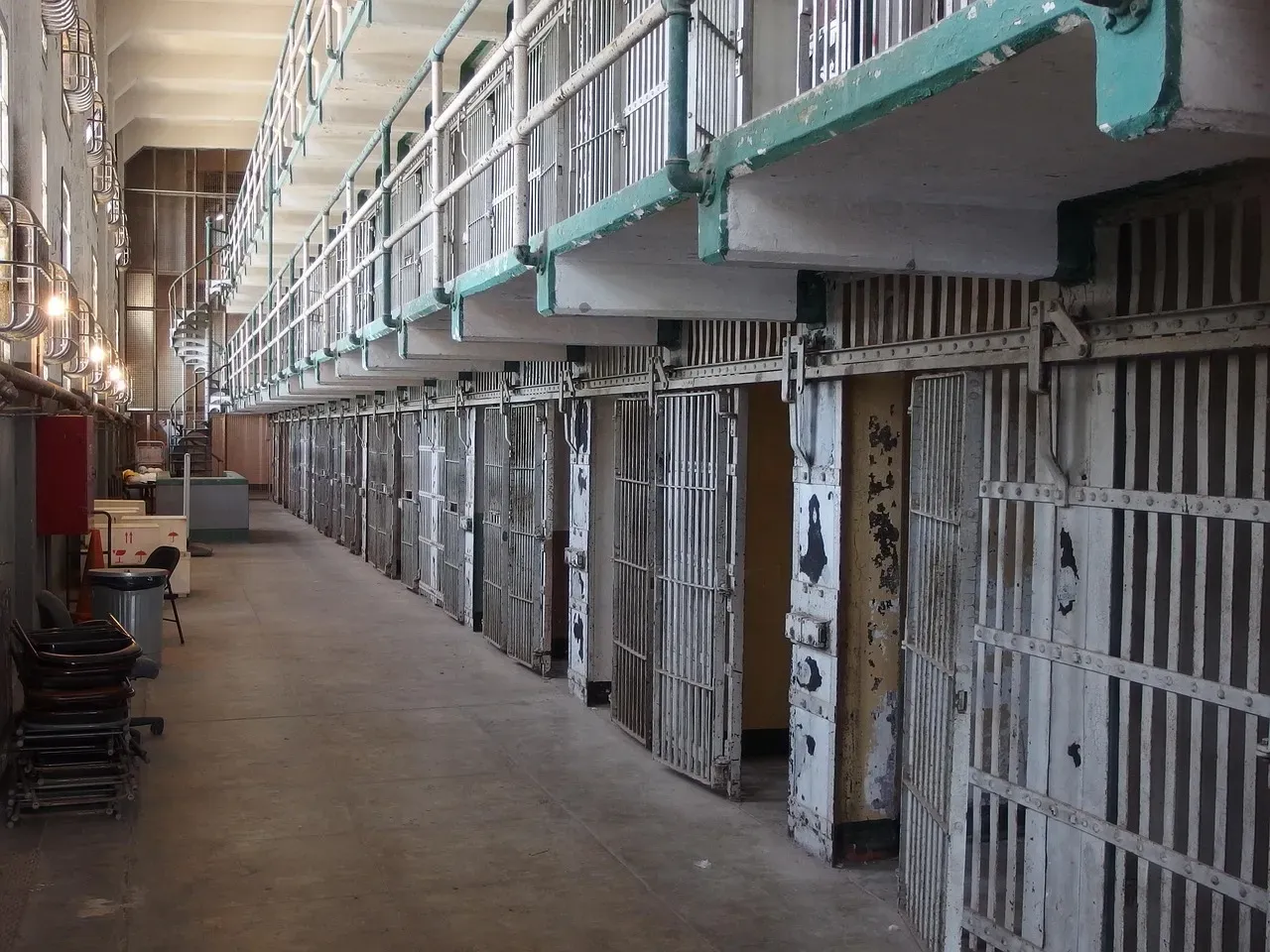
Here’s the thing about The Shawshank Redemption: it bombed when it first came out. Hard. Its release in September 1994 was met with disappointing box office returns, making a little over $16 million against its $25 million budget. Yet something remarkable happened in the years that followed.
Through TV airplay and video rental, The Shawshank Redemption slowly found a bigger audience and its reputation began to grow until, finally, the film became viewed as a bona fide classic, enjoying a lengthy reign at the summit of IMDb’s best 250 movies. That is a cinematic comeback story almost as good as the film itself.
The Shawshank Redemption doesn’t confine itself to a genre. The crime elements are peripheral and there’s more humor than one might find in a typical thriller. Instead, it deals in universal themes that almost anyone can relate to and almost anyone can enjoy. Think of it like a key that fits every lock, regardless of who you are or where you grew up.
Beyond its compelling narrative, it is also a visually stunning film. The stark contrast between the oppressive confines of Shawshank and the vast expanse of the outside world serves as a poignant metaphor for the characters’ longing for liberation. Cinematographer Roger Deakins masterfully captures the essence of each scene, immersing the audience in the gritty realism of prison life while infusing moments of beauty and introspection.
2. The Godfather (1972) – The Father of Modern Cinema

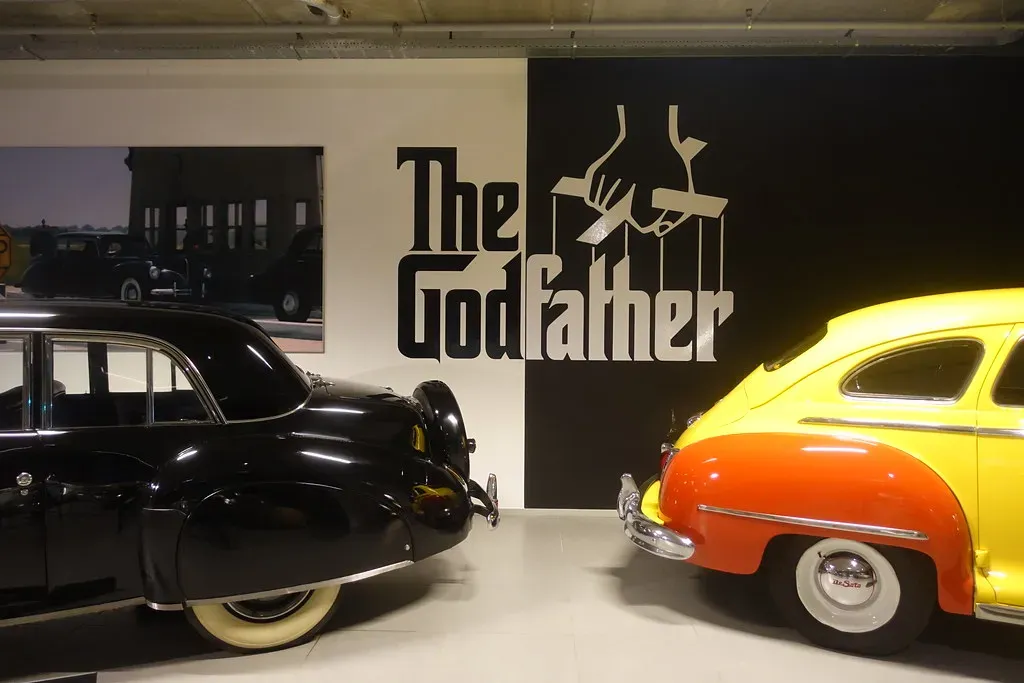
Considered one of the greatest films ever made, Francis Ford Coppola’s The Godfather is a masterpiece of crime cinema, featuring unforgettable performances by Marlon Brando and Al Pacino. Honestly, calling it a crime film almost feels reductive. It is really a Shakespearean family tragedy dressed in Italian suits.
It definitely had a massive impact on quality TV shows like Boardwalk Empire and The Sopranos, just as much as it did future crime motion pictures. This epic crime drama takes place over a decade and follows the fictional Corleone crime family. Everything in the film is on point, from the crisp, excellent writing to the fantastic acting by basically the whole cast.
If The Godfather were released today, it would still receive a boatload of awards and be highly regarded. That is a remarkable thing to say about a film made well over half a century ago. On IMDb, it holds a rating of 9.2 in the crime and drama categories. Few films in history have maintained that kind of cultural grip for this long.
3. Schindler’s List (1993) – Cinema as a Moral Obligation


I think there are films you admire, and then there are films you feel you owe something to. Schindler’s List belongs firmly in the second category. It would be untrue to say Steven Spielberg’s Academy Award-winning epic historical drama is anything other than a complete masterpiece. This true story follows Oskar Schindler, a German industrialist who wants to use the Second World War as a means to become rich. However, as Schindler realizes the horrors of the Holocaust, his motivation changes, and we see him transition from an opportunistic businessman into a savior of the Jews he employs in his factory.
The film follows Oskar Schindler, initially indifferent to the plight of the Jewish population, who slowly realizes the terrible crimes going on around him and begins using his factory as a refuge, ultimately saving over 1,100 lives by the war’s end. Opposing him is Amon Goeth, a sadistic Nazi commandant, played by Ralph Fiennes. The contrast between the two men is one of cinema’s most devastating moral studies.
Director Steven Spielberg’s critically acclaimed work is one of the most impactful depictions of the Holocaust in cinema. The black-and-white cinematography combined with restrained direction helps maximize the emotional effect of the retelling of the unbelievable true story. Spielberg’s use of selective color, most famously the girl in the red coat, delivered a devastating blow that reminds audiences to never forget the atrocities.
4. Citizen Kane (1941) – The Blueprint for Everything


Calling Citizen Kane the greatest film ever made has become almost a cliché at this point. Film students say it, critics say it, professors say it. Remarkably though, almost all of them are right. Directed by Orson Welles, Citizen Kane has long been regarded as one of the greatest films in cinematic history, and has frequently claimed the title of “best movie of all time” in various critics’ polls, including Sight and Sound’s prestigious decennial survey of critics.
Citizen Kane revolutionized filmmaking. Welles used innovative techniques such as deep-focus cinematography, which allowed multiple planes of action to be in focus at once, as well as a non-linear narrative structure that broke away from traditional storytelling conventions. Every modern filmmaker working today is, in some way, standing on Welles’ shoulders.
Citizen Kane fans often point to the direction of Orson Welles, who also both wrote and starred in the film, along with the movie’s cinematography, music, and the way the movie is structured as its key strengths. When considering that the movie was made in the early 1940s, there were a lot of innovative techniques the film used. It is like watching someone invent a musical instrument and then immediately play a masterpiece on it.
5. 2001: A Space Odyssey (1968) – The Most Debated Film Ever Made


Let’s be real: 2001: A Space Odyssey is not an easy watch. Some people love it unconditionally. Others find it somewhere between hypnotic and genuinely baffling. The film received a wide spectrum of positive and negative reviews upon release, mainly concerned with the film’s unorthodox pacing, although it is widely recognized today among critics as one of history’s greatest and most influential films of all time. It remains one of the most controversial films among casual viewers.
The screenplay, written by Kubrick and Arthur C. Clarke, deals with themes of human evolution and technology, artificial intelligence, and extraterrestrial life. The film is notable for its scientific realism, its pioneering use of special effects, and its reliance upon ambiguous yet provocative imagery and sound in place of traditional techniques of narrative cinema.
The film is consistently on IMDb’s list of top 250 films, was number 22 on AFI’s 100 Years, 100 Movies list, and is the only science fiction film to make the Sight and Sound poll for ten best movies. It has also been deemed “culturally significant” by the United States Library of Congress and selected for preservation in the National Film Registry. That is quite a legacy for a film that half its original audience apparently walked out of at intermission.
Kubrick revolutionized science fiction cinema forever with 2001: A Space Odyssey, a work that, since the late sixties, remains a creative and conceptual milestone impossible to forget. A legacy that transcends its time, not only due to its technical audacity but also because of the philosophical depth with which it addresses the relationship between humanity, technology, and space.
6. The Dark Knight (2008) – When a Superhero Film Became Art

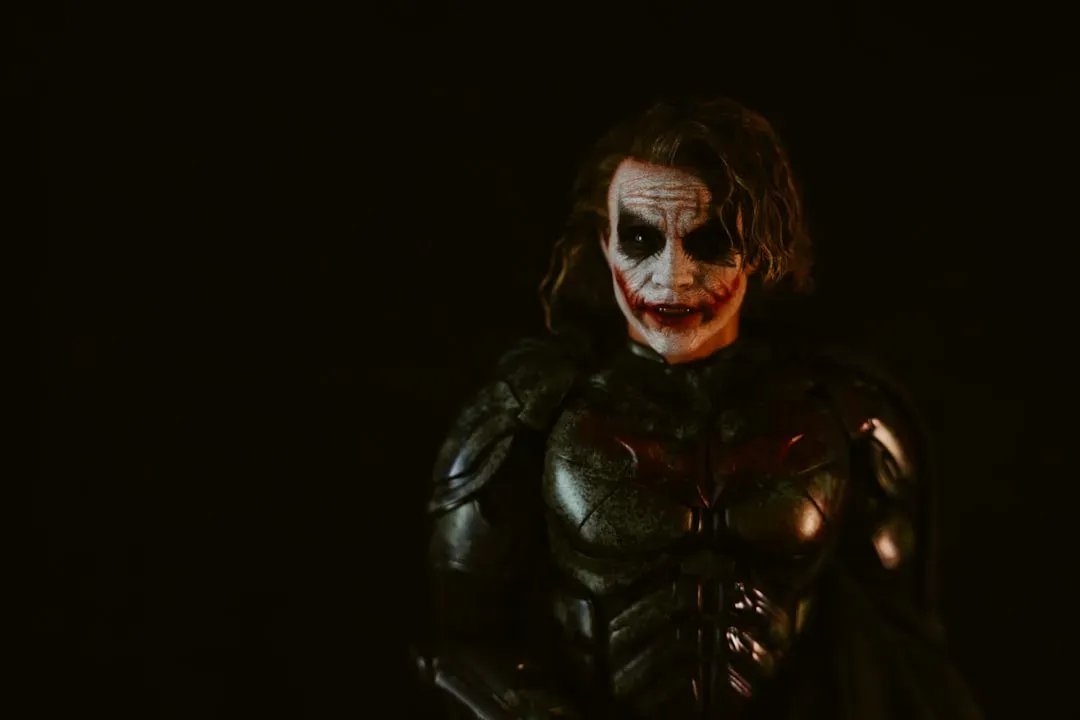
Most superhero movies are like a bag of popcorn. Fun in the moment, forgotten by morning. The Dark Knight is something else entirely. This Batman film, directed by Christopher Nolan, redefined superhero movies, with a legendary performance by Heath Ledger as the Joker. That description almost undersells it.
While Citizen Kane, The Godfather, and The Shawshank Redemption have maintained a strong hold on the title of best movie for years, the superhero genre saw a film rise to prominence in recent decades: The Dark Knight. Directed by Christopher Nolan, this second installment in his Batman trilogy not only elevated the genre but also earned recognition as one of the greatest films of the 21st century. Heath Ledger’s portrayal of the Joker in The Dark Knight became legendary, earning him a posthumous Academy Award for Best Supporting Actor.
Oppenheimer represents Nolan’s seventh entry into the IMDb Top 100 after Memento, The Prestige, The Dark Knight, The Dark Knight Rises, Inception, and Interstellar, as well as his fourth entry within the even more selective IMDb Top 20. No other living director can claim anything close to that kind of sustained greatness on a single rankings list.
7. Pulp Fiction (1994) – The Film That Broke the Rules

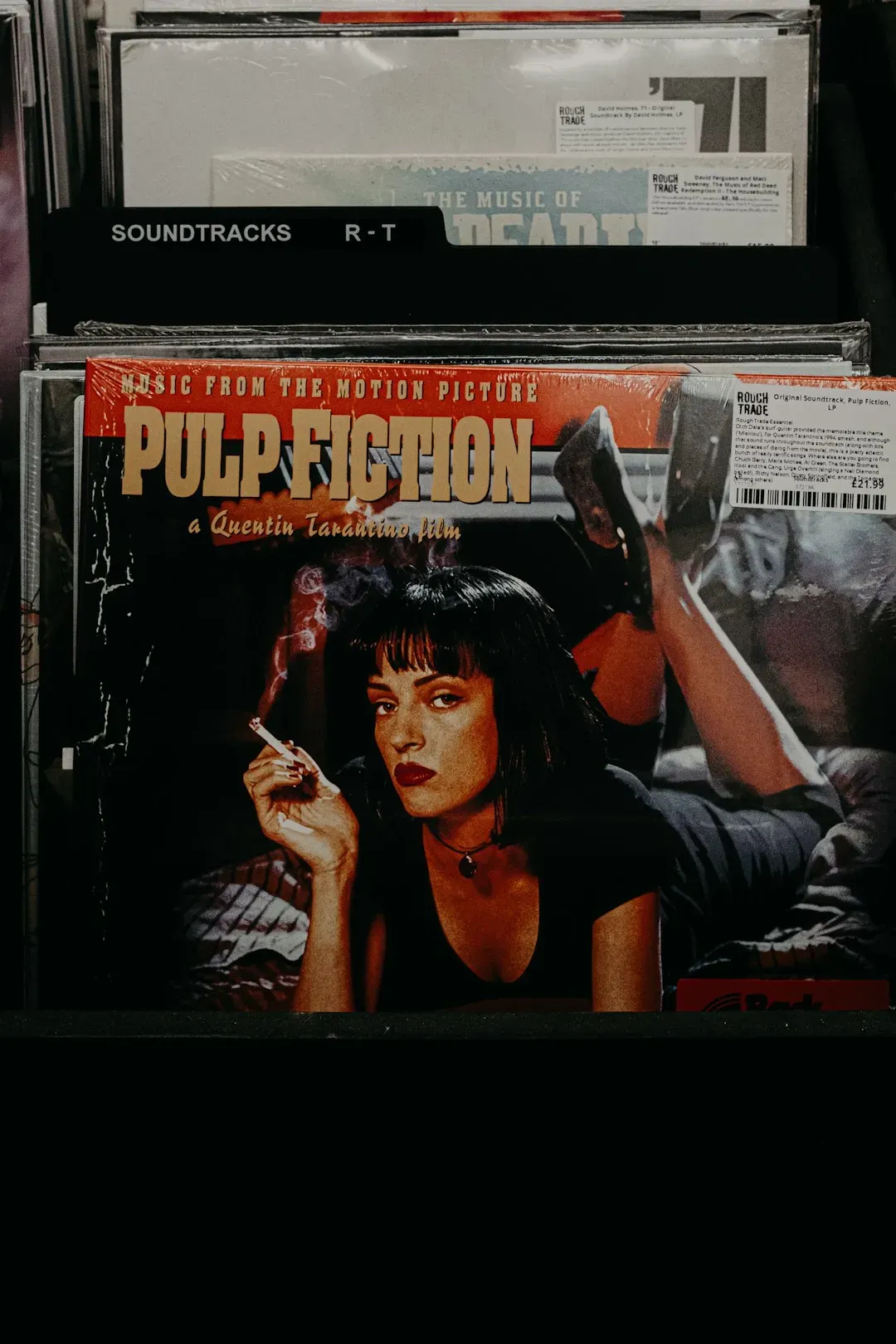
Before Pulp Fiction arrived in 1994, nobody made films quite like this. Quentin Tarantino walked into cinema and essentially threw the rulebook out of a window. Pulp Fiction’s groundbreaking non-linear storytelling and witty dialogue have earned it a permanent place in cinema history. That’s almost an understatement.
Think of the structure as a jigsaw puzzle that Tarantino deliberately hands you already scrambled, trusting you to enjoy the chaos. Pulp Fiction’s non-linear narrative can be divisive to a mainstream audience, and yet it remains one of the most watched and rewatched films of the last three decades. The film earned its place on every major “must-see” list with its razor-sharp dialogue, unforgettable characters, and a moral compass that spins in every direction at once.
Honestly, it’s hard to say for sure how many filmmakers Pulp Fiction directly inspired, but the number has to be staggering. You can trace its DNA in films and TV shows made well into the 2020s. Films like this have had a significant impact on the film industry, influencing filmmakers for decades and shaping pop culture in ways their creators could never have anticipated when the cameras were rolling.
8. Spirited Away (2001) – Animation That Touches the Soul


If you still think animated films are just for children, Spirited Away will politely but firmly correct you. This is a film that operates on multiple levels simultaneously, and each time you return to it, it reveals something new. Spirited Away, directed by Hayao Miyazaki, holds an IMDb rating of 8.6 and sits comfortably alongside acclaimed live-action films like City of God in the IMDb top rankings. That places it in extraordinarily rare company.
The film tells the story of a young girl named Chihiro who stumbles into a spirit world and must work in a bathhouse to survive and rescue her parents. It reads almost like a fairy tale on the surface, but beneath that, it is a meditation on identity, labor, greed, and the bewildering passage into adulthood. Miyazaki himself has said that the film was made for ten-year-old girls, yet it has moved adults to tears around the world for over two decades.
The Letterboxd One Million Watched Club, which tracks films viewed by at least one million members, includes detailed statistics such as average rating, most-watched titles, and representation data across decades, languages, and directors. Spirited Away consistently ranks among the most beloved non-English language films on that platform, a testament to just how universal its emotional reach truly is.
9. Casablanca (1942) – Proof That Great Storytelling Never Ages

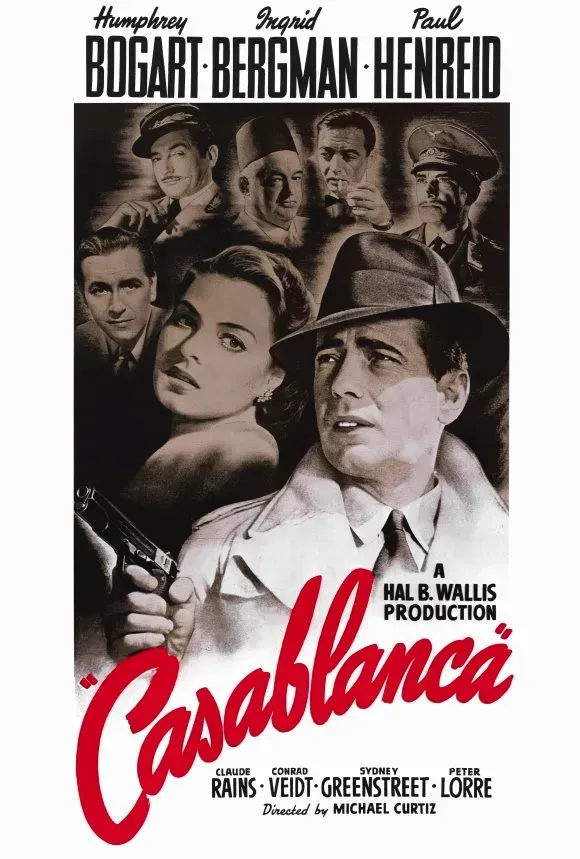
Nearly a century old and still as emotionally potent as the day it was released. Casablanca is the kind of film that makes you feel nostalgic for an era you were never actually part of. Classic Hollywood at its best, Casablanca blends romance, drama, and politics, featuring iconic lines that have permeated pop culture. There is a reason its dialogue is still quoted in films, books, and conversations in 2026.
Casablanca is an enduring classic that combines romance, war, and sacrifice in a way that continues to resonate with viewers. Set against the backdrop of World War II, it follows Rick Blaine, a cynical American expatriate running a café in Morocco, who becomes entangled with his former love and the dangerous political intrigue swirling around her. The tension between personal desire and moral duty feels just as urgent now as it did in 1942.
On IMDb, Casablanca carries a rating of 8.5 in the drama, romance, and war categories. For a film made in wartime Hollywood, with a production schedule that kept cast members in the dark about the ending until the last possible moment, that longevity is nothing short of extraordinary. It is a film that should not work as well as it does, and yet it does, completely and without apology.
So, What Makes a Film Truly Essential?
After going through these nine films, you start to notice something. None of them were perfect productions. Some bombed at the box office. Some divided critics right down the middle. While financial success does not always equate to critical success, films that dominate the rankings often have wide appeal and become cultural touchstones. What makes a movie truly essential for many viewers is its ability to move them emotionally, whether through tear-jerking moments or thrilling, thought-provoking action that connects with audiences on a deep level.
Back in 2003, Barron’s published a massive volume entitled 1001 Movies You Must See Before You Die, edited by Steven Jay Schneider. It has been updated regularly since then, given a new cover image each time, and translated into numerous languages. The fact that such a book exists, and keeps selling, tells you everything you need to know about how deeply human beings need great cinema in their lives.
The films on this list are not here because they are comfortable or easy. They are here because they demand something from you as a viewer. They ask you to sit with discomfort, with joy, with wonder, and with grief. That is not a burden. That is a gift.
So here is the real question: how many of these nine have you actually seen? And if there is one on this list you have been putting off, maybe tonight is the night you finally press play.