There’s a particular kind of unease that comes from reading a story and slowly realizing the person guiding you through it may be lying. Not to the other characters. To you. These narrators lack credibility in their recounting of plot events, which can either be immediately obvious or revealed gradually as contradictions emerge. The effect is disorienting in the best possible way.
The term “unreliable narrator” was coined by Wayne C. Booth in his 1961 book The Rhetoric of Fiction. Since then, writers have used the device not just as a trick, but as a genuine way of exploring how subjective and fragile our sense of truth really is. The nine narrators below do exactly that – each one magnificent in their own specific flavor of deception.
1. Humbert Humbert – Lolita by Vladimir Nabokov (1955)

Vladimir Nabokov’s complex tale is told from the perspective of Humbert Humbert, who is unhinged and sometimes willfully unreliable. Humbert’s obsession with his stepdaughter and his treatment of her mother are only justified in his mind, but it is through his perspective that the reader learns the story. His prose is gorgeous, almost seductive in its elegance, which is part of what makes it so troubling.
This provides a powerful metaphor: we never hear the victim’s voice without the filter of her abuser. It might even be said we never see or hear from Dolores herself, but only the version of the girl in Humbert’s mind: Lolita. Nabokov forces the reader to do uncomfortable work – separating artful language from moral reality.
2. Dr. James Sheppard – The Murder of Roger Ackroyd by Agatha Christie (1926)
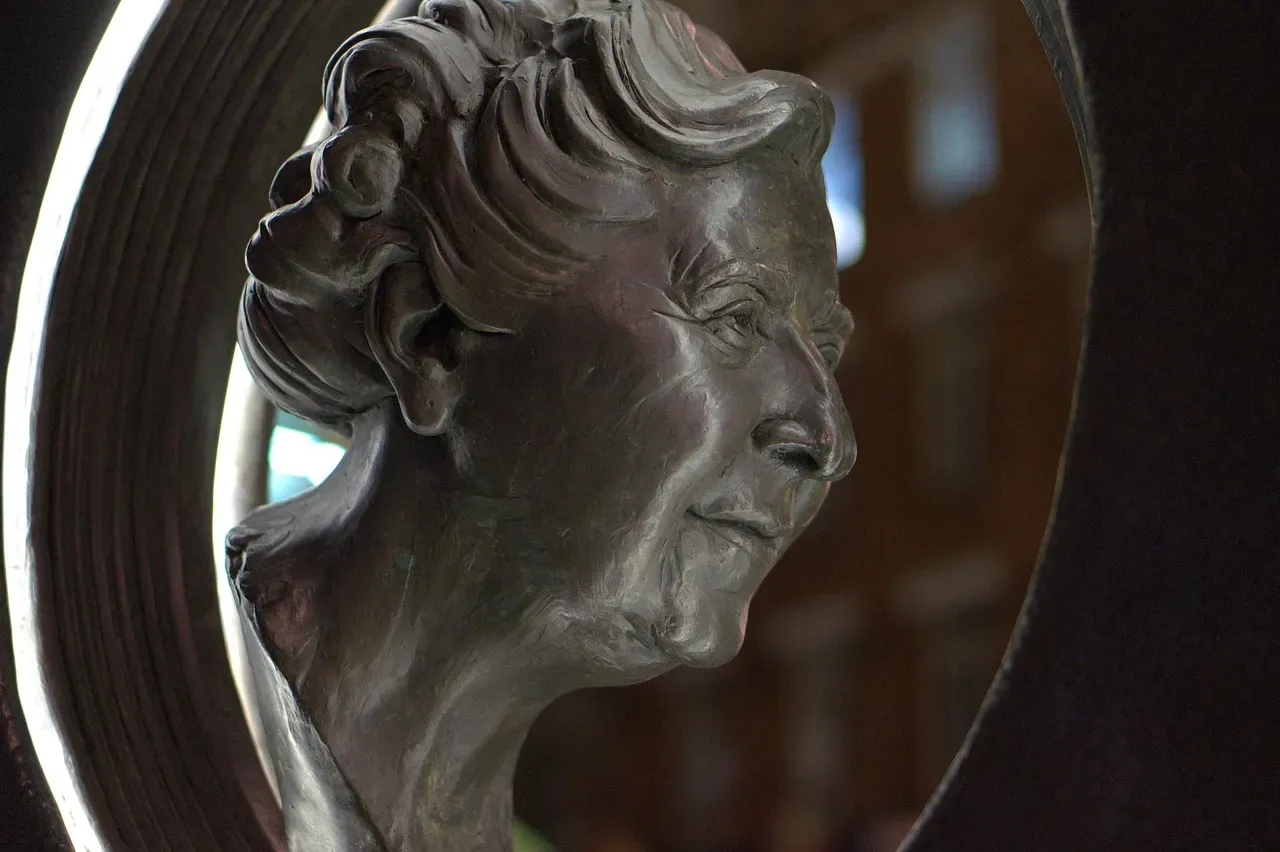
Christie delivers a premium Poirot mystery where the narrator, Dr. James Sheppard, drips the reader certain facts throughout the novel but omits other key ones. It’s very meta: Sheppard is writing this manuscript to frame someone. Christie was so ahead of her time with this structure that many readers and critics initially felt cheated when the truth landed.
Authors working in mystery and suspense frequently use unreliable narrators to deliberately muddle and confuse the reader, or to create a misdirected set of expectations that will be toppled when the truth, or something close to it, is later revealed. Christie proved this could be done with a level of craft that felt almost like a magic trick performed in plain sight.
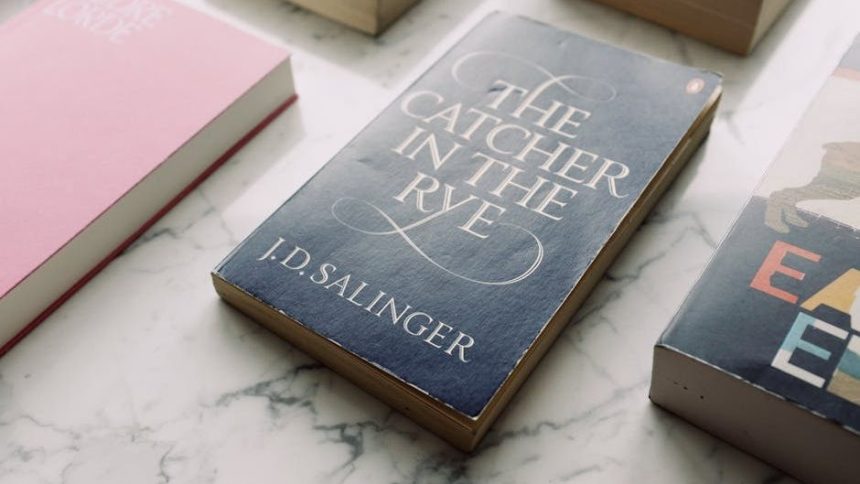
3. Holden Caulfield – The Catcher in the Rye by J.D. Salinger (1951)
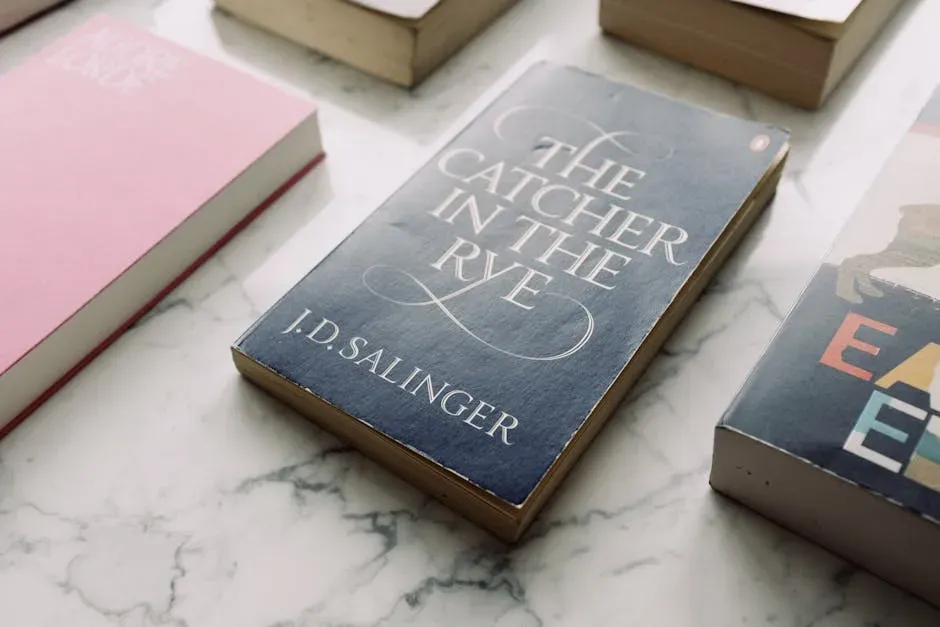
Holden Caulfield, the main character of The Catcher in the Rye, is another great example of an unreliable narrator. He is telling the story from a mental institution, so his grasp on reality is suspect. In addition, he has the sometimes naive viewpoint of a teenager, and this can lead him to misinterpret events. His unreliability isn’t sinister – it’s aching and human.
Holden Caulfield’s narration embodies teenage angst and rebellion. However, as readers delve deeper into his thoughts and actions, they realize that Holden’s perspective may not be entirely reliable, raising questions about the reliability of his account. What’s clever is how sympathetic he remains even as you recognize his distortions. You root for him while quietly correcting his version of events.
4. Nick Dunne and Amy Dunne – Gone Girl by Gillian Flynn (2012)

Gillian Flynn’s Gone Girl actually uses two unreliable narrators. The book is told through alternating accounts of Nick Dunne and the diary entries of his wife, Amy Dunne. Since their versions of events in their struggling marriage conflict, the reader is unsure of which character to trust. It is later revealed that both characters lie, which makes both of them unreliable.
As the story progresses, it becomes clear that Amy is a master manipulator, toying with both the characters within the novel and the readers themselves. The novel stands out as an example of an unreliable narrator due to its skillful use of contrasting perspectives, deceptive storytelling, hidden motives, complex characterizations, unexpected twists, and psychological manipulation. Few thrillers have weaponized the dual-narrator structure quite so ruthlessly.
5. The Unnamed Narrator – The Tell-Tale Heart by Edgar Allan Poe (1843)

Edgar Allan Poe’s “The Tell-Tale Heart” offers a clear-cut example of an unreliable narrator, with the protagonist clearly driven by insanity, thus making his recounting of the murder he committed suspect. The narrator spends the whole story insisting on his own sanity – which, of course, is precisely the giveaway. Poe understood that the loudest protests of clarity are often the first signs of its absence.
Partner offer
Sometimes the narrator’s unreliability is made immediately evident. For instance, a story may open with the narrator making a plainly false or delusional claim or admitting to being severely mentally ill, or the story itself may have a frame in which the narrator appears as a character, with clues to the character’s unreliability. Poe’s genius was in making that unreliability entertaining rather than simply disturbing.
6. Stevens – The Remains of the Day by Kazuo Ishiguro (1989)

Kathleen Wall argues that in The Remains of the Day, for the “unreliability” of the main character (Mr. Stevens) as a narrator to work, we need to believe that he describes events reliably, while interpreting them in an unreliable way. That distinction is what makes this novel so quietly devastating. Stevens isn’t lying about facts – he’s lying about feelings, including his own.
The postmodern era saw authors using unreliable narrators to comment on the subjective nature of truth and the limitations of language. Novels like Kazuo Ishiguro’s “The Remains of the Day” use unreliable narrators to mask the truth, leading readers to question their assumptions and prejudices. Stevens represses so thoroughly that his narration becomes a kind of emotional archaeology – the reader has to dig beneath every sentence to find what he can’t bring himself to say.
7. Pi Patel – Life of Pi by Yann Martel (2001)

Pi Patel, the narrator of Yann Martel’s Life of Pi, tells a story of being adrift at sea and sharing his lifeboat with a zebra, orangutan, hyena, and tiger. When his story is questioned for its implausibility, his rescuers learn of another version of the story in which he is adrift at sea with his mother, a sailor, and the ship’s cook. The rescuers find connections between the two versions of the story and choose to accept the version with the animals, understanding that the alternative would have been extremely traumatic for the boy.
The novel raises a question it never fully answers: does it matter which version of the story is true, if one version is the only bearable one? This narrative technique allows for a deeper exploration of themes such as the fallibility of human perception and memory. Martel uses Pi’s potential unreliability not to deceive readers, but to ask them what they believe – and why they believe it.
8. Briony Tallis – Atonement by Ian McEwan (2001)
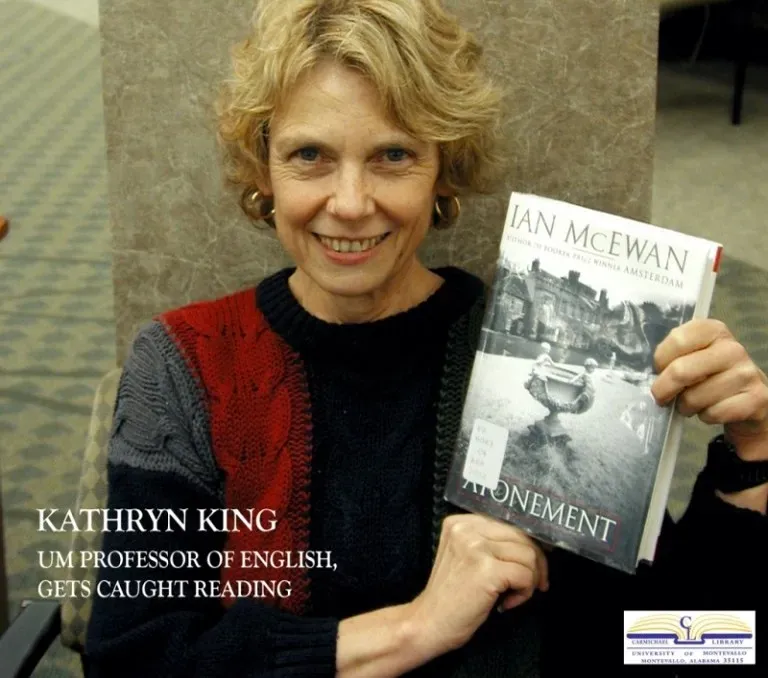
On a hot summer day in 1934, thirteen-year-old Briony Tallis witnesses a moment’s flirtation between her older sister, Cecilia, and Robbie Turner, the son of a servant and Cecilia’s childhood friend. But Briony’s incomplete grasp of adult motives – together with her precocious literary gifts – brings about a crime that will change all their lives. As it follows that crime’s repercussions through the chaos and carnage of World War II and into the close of the twentieth century, Atonement engages the reader on every conceivable level.
McEwan’s Second World War masterpiece plays with the unreliability of storytelling through the tricky words of an untrustworthy child. What’s unusual here is that the novel eventually implicates its own narrative structure. Briony isn’t simply a child who misread a situation. She’s a writer who chose to make it permanent – and McEwan implicates the entire act of fiction-making along with her.
9. The Narrator – Fight Club by Chuck Palahniuk (1996)

This type of unreliable narrator has a mental disorder resulting in dissociation, schizophrenia, or paranoia. Fight Club by Chuck Palahniuk gave us one of the best examples of this type of unreliable narrator in the discovery that the insomniac narrator and Tyler Durden were one and the same. The reveal reframes everything that came before – every scene, every conversation, every act of violence.
Unreliable narrators can be divided into two categories: unintentionally unreliable and intentionally unreliable. Unintentionally unreliable narrators often present events from a skewed and undependable point of view due to factors such as age, lack of experience, or outsider status. As a literary device, unintentionally unreliable narrators are often deployed as an implicit means through which the author challenges the reader to think critically about the narrator and the world he or she inhabits. Palahniuk’s narrator belongs to a stranger third category: someone who can’t be trusted because he doesn’t fully know himself. That’s perhaps the most unsettling kind of all.
What each of these nine narrators shares is an invitation to read differently. They ask you to hold two things at once: the story as told, and the story underneath it. An unreliable narrator’s version of events and characters in the story will also build to reveal, simultaneously, his or her own personal prejudices, anxieties, fears, tastes, delusions, and even beliefs. That double-layer is what makes these books stay with you long after the last page. The story isn’t just what happened. It’s what the narrator needed you to believe happened – and the gap between those two things is where all the meaning lives.
Partner offer
Planning a trip to Vegas?
Compare hotel rates and show tickets on VEGAS.com.