Most fan devotion lives online now. Comments, threads, fan accounts, reaction videos. The idea of sitting down and physically writing a letter to someone who doesn’t exist feels almost quaint by comparison. Yet certain fictional characters keep pulling people back to pen and paper, generation after generation, in a way that no algorithm quite explains.
What these three characters share isn’t simply popularity. It’s something closer to presence. Readers don’t just admire them from a distance. They reach out, confide in them, ask them for guidance, and treat them as though a reply might genuinely arrive. That kind of attachment is rarer than it sounds.
Sherlock Holmes: The Detective Who Still Gets His Mail
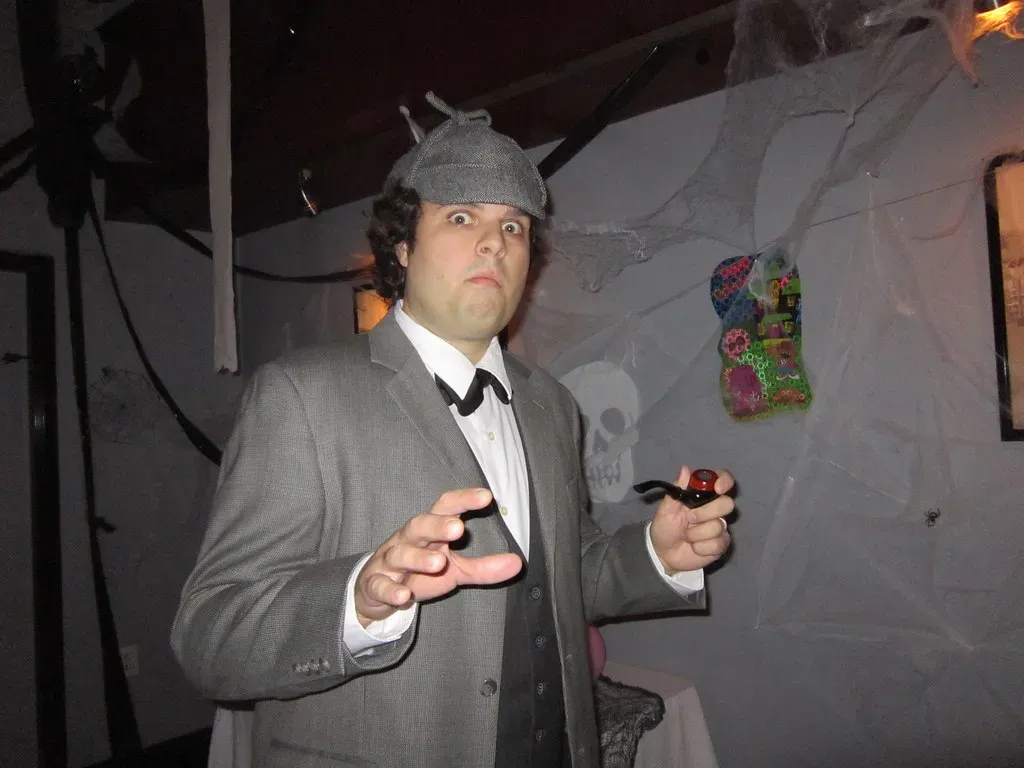
221B Baker Street is the London address of the fictional detective Sherlock Holmes, created by author Sir Arthur Conan Doyle. What makes the story of Holmes’s mail so remarkable is how physical and bureaucratic it became. The situation changed in 1932, when Baker Street expanded northward, establishing new buildings assigned numbers extending into the 200s, including 221B, which unintentionally gave Sherlock Holmes a real address at a new Art Deco building owned by the Abbey National Building Society.
From that moment, fans across the world began sending letters to Sherlock Holmes at this address, some seeking Holmes’s help and others simply sending fan mail. For over 70 years, Abbey National occupied 221B Baker Street and became the unofficial gatekeeper of Holmes-related correspondence, employing a dedicated “secretary to Sherlock Holmes” to handle the growing volume of letters addressed to the fictional detective. Through customized letters, this secretary would gently explain to fans that Holmes had given up his detective work to go raise bees in the country.
Generations have written letters to Sherlock Holmes, thinking that the great detective is more than a fictional character. Early letters include requests for more Sherlock novels and for copies of books. A letter arriving in 1913 from Warsaw, Poland, asked Holmes for help in solving the murder case of Prince Drucki-Lubecki, killed in 1846. The scale of this phenomenon eventually triggered a decade-long legal dispute. The debate lasted more than a decade and was not resolved until 2002, when the Abbey National vacated their building and the Royal Mail finally agreed to deliver all letters addressed to 221B Baker Street to the museum.
Some contemporary Sherlockian experts claim that some people thought Sherlock Holmes was a real detective who solved actual mystery cases and sought his help to resolve their issues. That’s a striking thing about Holmes specifically. The letters aren’t always playful tributes. Some are genuine appeals. Between 1887 and 1927 Holmes became the main protagonist of four novels and 56 stories, and somehow, more than a century later, the mail has never fully stopped.
Santa Claus: The Letter-Recipient Who Became an Institution

Santa Claus occupies a different category from the others here. He isn’t drawn from a single novel or story. He’s a layered figure shaped by centuries of folklore, religious tradition, and popular culture. Yet the act of writing him a letter has become one of the most enduring and organized reader-to-character traditions in the world. USPS Operation Santa began in 1912 when United States Postmaster General Frank Hitchcock authorized local postmasters to open letters addressed to Santa Claus for employees to read and respond to.
This program is now in its 113th year of operation and relies solely on random acts of kindness and the generosity of strangers. In 2024, millions of people visited the program’s website, where generous customers adopted letters written to Santa and fulfilled wishes, helping families and children experience the magic of the season. The scale in 2025 was even more striking. USPS Operation Santa saw an extraordinary surge in letters in 2025, nearly double what was received the year before.
Partner offer
People across the country “adopted” 49,000 “Dear Santa” letters in one recent holiday season through the U.S. Postal Service’s Operation Santa program. The logistics behind that number are genuinely impressive. Letters addressed to Santa’s official address are sorted, read and published on the USPS Operation Santa website with personal information redacted, and adopters are then able to browse and select letters they love and respond with a gift and a note. The Postal Service understands that a letter to Santa is often a child’s first written correspondence. That detail matters. For many children, Santa is not just a character they believe in. He’s the first person they ever wrote to.
Hermione Granger: Letters About Real Life, Not Just Magic
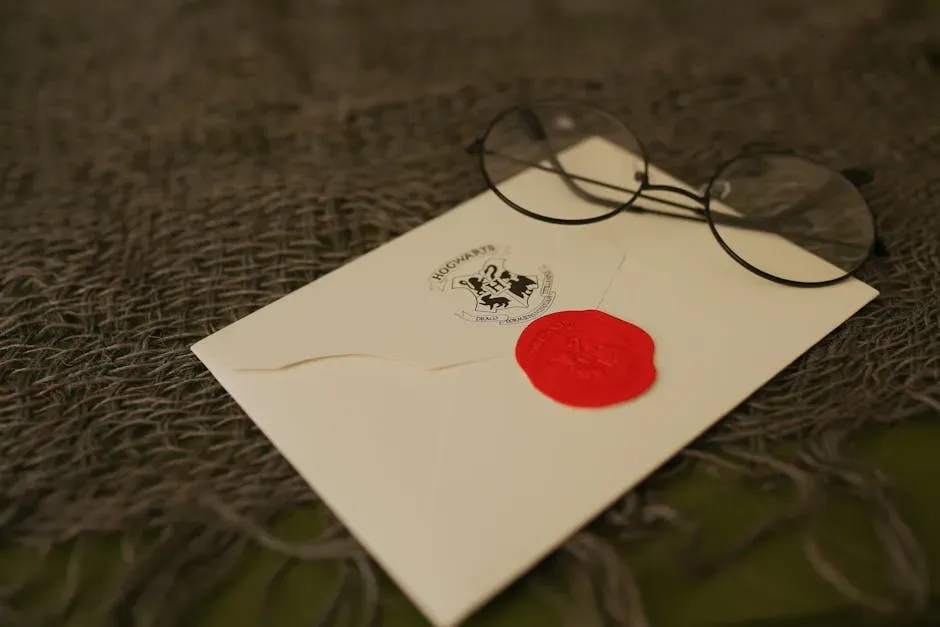
Hermione Granger has a special place in the hearts of readers around the world. Her intelligence and bravery have made her a role model for countless fans who often write to her, seeking advice or simply expressing thanks. Many people see themselves in her, maybe they were once the quiet kid in the library, or the one who always did their homework first. That kind of recognition is different from straightforward admiration. It’s more personal, more specific.
According to Book Riot, Hermione is one of the most written-to fictional characters, with fans frequently sharing how her strong moral compass inspired them to be themselves. In letters, readers talk about overcoming bullying, excelling in school, and facing challenges with the same grit Hermione shows. These letters aren’t just about magic; they’re about real-life empowerment. The themes that come up repeatedly in this correspondence are strikingly grounded: standing up to peers, resisting pressure to conform, choosing integrity when it’s inconvenient.
It’s not uncommon for fans to ask Hermione how she would handle tough situations, like standing up for a friend or fighting for justice, because her story gives them hope and direction. There’s something worth sitting with there. Readers aren’t writing to Hermione because they want to revisit the plot of a beloved series. They’re writing because a fictional character helped them navigate something real, and they need to say so. That’s about as meaningful as a letter can get.
Why These Three, and Why Still?

Holmes, Santa, and Hermione represent three very different kinds of fictional presence: the razor-sharp problem-solver, the mythic gift-giver, and the brilliant, principled underdog. What they share is a certain reliability. Readers trust them. And trust, it turns out, is what motivates people to put words on paper and address them to someone who cannot write back.
Generations have written letters to Sherlock Holmes, thinking that the great detective is more than a fictional character. The same impulse applies to the other two. Stories written in diary and letter form, and all their modern equivalents, consistently come back into style, a trend that goes back centuries. There is something about the letter as a form that demands a real recipient, or at least the feeling of one. These three characters provide exactly that. They feel present enough to deserve the effort of writing.
The letters people send to fictional characters are, in a quiet way, a record of what fiction actually does. It’s not just entertainment. It fills the role of confidant, mentor, and witness. Holmes solved imaginary crimes, Santa delivers gifts, Hermione fought for what was right. Each of them gave readers something to hold onto, and apparently, some readers still want to say thank you in writing.
Partner offer
Planning a trip to Vegas?
Compare hotel rates and show tickets on VEGAS.com.