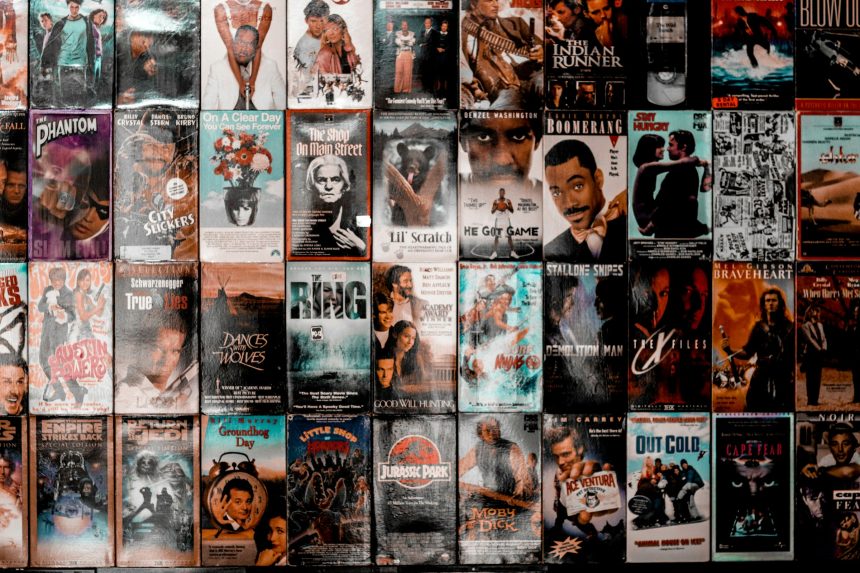
There’s a particular kind of silence that follows when someone brings up a “classic” at a dinner party and half the table nods along, eyes slightly glazed, hoping no one asks a follow-up question. Certain Oscar-nominated films have become cultural shorthand, referenced constantly, quoted occasionally, and watched by a surprisingly small percentage of the people who claim familiarity with them. These are films with real weight, real acclaim, and real Academy recognition. What they also share is a runtime, a pacing style, or a reputation that makes them easier to namedrop than to finish. Here are nine of the most commonly claimed, rarely completed Oscar contenders.
1. Citizen Kane (1941)

Orson Welles’ drama about a newspaper tycoon is routinely called the greatest film ever made, which is exactly the problem. It picked up nine nominations including Picture, Director and Actor for Welles, though it was the single victory for the movie, taking home only the Original Screenplay award. That single win, against a filmography-defining reputation, tells you how much its legend outgrew its actual box office and awards night performance.
Most people know the sled, know “Rosebud,” and could probably sketch the outline of Xanadu from memory, thanks to decades of film school references and best-of lists. Fewer have sat through the full black-and-white runtime and its layered, nonlinear structure. It remains a film people cite with total confidence and watch with considerably less.
2. 2001: A Space Odyssey (1968)

Stanley Kubrick’s science fiction epic is one of the most quoted, memed, and referenced films in movie history, largely because of HAL 9000 and a handful of unforgettable visuals. Yet its actual Oscar history is oddly modest. The film won for Best Visual Effects, which bizarrely is the only Oscar Stanley Kubrick would win in his entire career, and it was also nominated for Best Original Screenplay, since novelist Arthur C. Clarke co-wrote the script with Kubrick.
Notably, 2001: A Space Odyssey wasn’t even nominated for Best Picture, a detail that surprises a lot of people who assume it swept the ceremony. The film’s deliberate pacing and famously sparse dialogue make it a tough sit for casual viewers, which hasn’t stopped generations of people from confidently referencing the star gate sequence at parties.
3. The Godfather Part II (1974)

Everyone knows the first Godfather practically by heart, but its sequel occupies a stranger cultural space. It’s frequently ranked as one of the best sequels ever made and sits comfortably on best-picture-winner lists, yet its dual timeline structure, following both Michael Corleone’s rise and his father Vito’s earlier years, asks more patience of viewers than the original.
People will happily discuss Michael’s descent into isolation or the Cuba sequences without having actually tracked the intercut chronology themselves. It’s a film that benefits enormously from having seen the first installment closely, which means a surprising number of self-declared fans are running on vibes and half-remembered clips rather than a full, attentive viewing.
4. Schindler’s List (1993)

Steven Spielberg’s Holocaust drama is frequently taught in schools, frequently referenced in serious conversations about cinema, and frequently claimed as “already watched” by people trying to avoid a three-hour, emotionally exhausting sit. The film’s black-and-white cinematography and unflinching subject matter make it one of the most respected but least casually rewatched Best Picture winners of its era.
Its cultural weight is undeniable, and its factual grounding in Oskar Schindler’s real efforts to save Jewish workers gives it a documentary-like gravity that separates it from typical awards-season fare. That same gravity is precisely why so many people who reference it in conversation quietly avoid putting it on again, or admit, if pressed, that they only saw parts of it in a classroom setting years ago.
5. There Will Be Blood (2007)

Paul Thomas Anderson’s oil-baron epic gave Daniel Day-Lewis one of the most quoted performances in modern film, and lines from it circulate constantly online, often stripped of any context. Beneath the meme-ready dialogue is a slow, deliberate character study, and the film’s own critics have noted that very little happens, but everything that does happen counts in a big, big way.
The film picked up Oscar recognition for its cinematography, and Day-Lewis’s performance is widely treated as an all-time great turn, yet the movie’s methodical rhythm and sparse plotting trip up a lot of viewers expecting something closer to a conventional drama. It’s a film people love to quote and, quite often, have never sat through start to finish.
6. The Tree of Life (2011)

Terrence Malick’s cosmic family drama is a film people bring up to sound serious about cinema, and it earned the reputation honestly. It won the Palme d’Or at Cannes and received a Best Picture nomination for Terrence Malick’s ravishing personal epic, both cosmic and internal in scope, cementing its place among the era’s most acclaimed art films.
What that reputation glosses over is just how divisive and demanding the film actually is to watch, blending 1950s Texas family scenes with wordless sequences depicting the origins of the universe. Plenty of people reference its visual ambition and Brad Pitt’s performance without ever mentioning that they walked out, dozed off, or gave up partway through its unconventional structure.
7. Oppenheimer (2023)

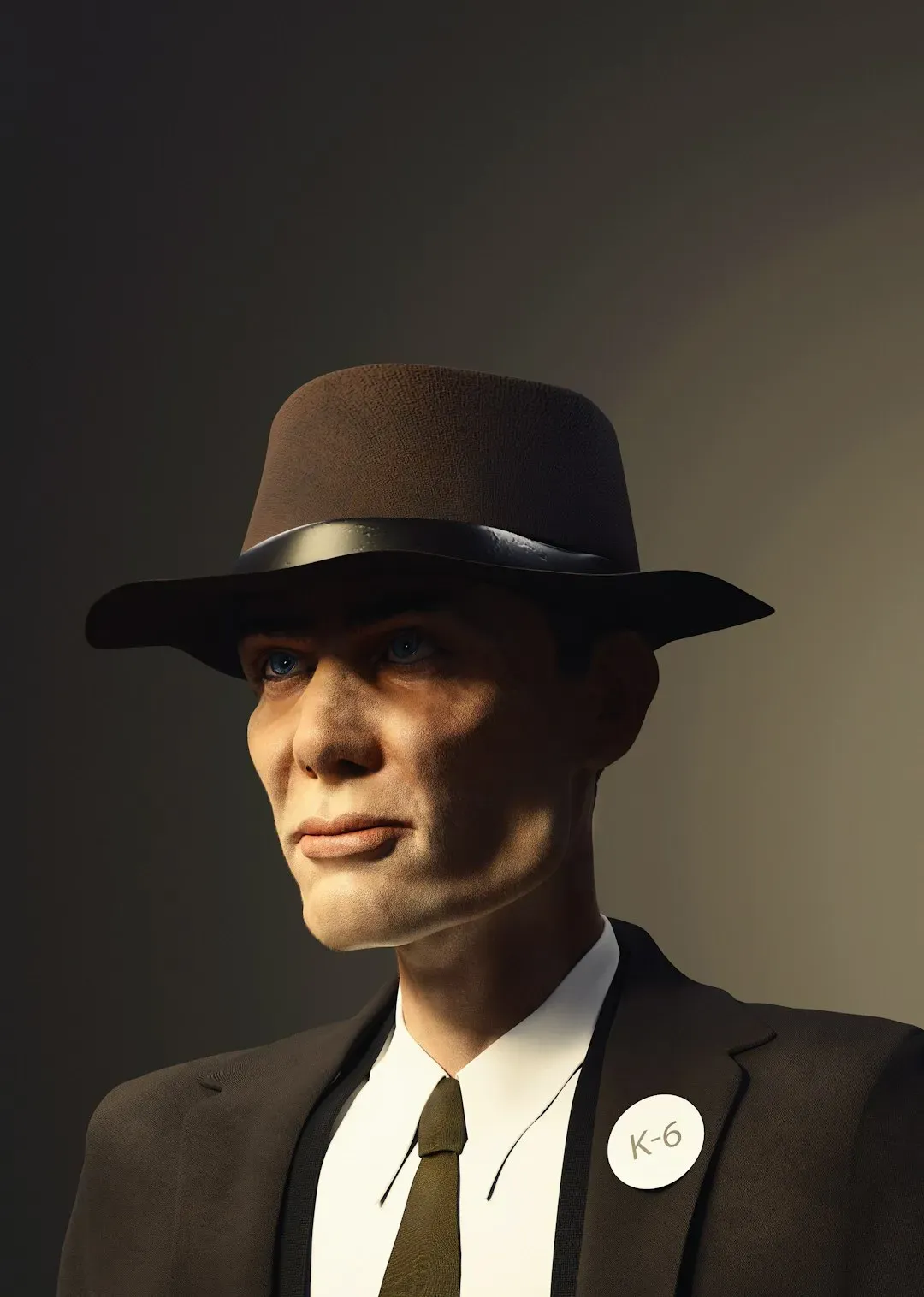
Christopher Nolan’s biographical drama became a genuine cultural event during its 2023 release, fueled by the Barbenheimer phenomenon and eventual Best Picture win. Its three-hour runtime and dense, nonlinear storytelling about the atomic bomb’s development made it a demanding watch even for enthusiastic moviegoers who bought tickets on opening weekend.
The film swept several major Oscar categories the following spring, and its cultural presence has only grown since, referenced constantly in discussions about nuclear history, IMAX film formats, and Cillian Murphy’s transformation into J. Robert Oppenheimer. That widespread cultural footprint means plenty of people discuss its themes confidently while having only caught bits of it streaming, often admitting they lost the thread somewhere around the Trinity test.
8. Killers of the Flower Moon (2023)

Martin Scorsese’s drama about the Osage murders in 1920s Oklahoma arrived with tremendous prestige, a runtime that is one of the longer films to be in serious Academy Awards contention in recent memory, clocking in just shy of three hours and thirty five minutes, and notably no intermission. It earned ten Oscar nominations without a single win, a fact that surprises people who assume its acclaim translated into statuettes.
Scorsese deliberately chose not to break up the film with a pause, unlike some of its lengthy contemporaries, which made theatrical viewing a genuine endurance test for many audiences. Its subject matter and cast, including Leonardo DiCaprio and Lily Gladstone, get discussed at length in film circles, even by people who quietly admit they finished it over two separate nights at home.
9. The Brutalist (2024)
Brady Corbet’s architecture epic became one of the defining awards-season stories of its year, largely because of its staggering length. The film clocks in at just over three and a half hours, with a total runtime of 215 minutes, making it easily the longest runtime of any 2024 movie, and it addressed that fact head-on with a built-in intermission.
That fifteen-minute break, split between “Part 1: The Enigma of Arrival” and “Part Two: The Hard Core of Beauty,” became a talking point of its own, with theatergoers expecting to spend up to four hours in the theater once previews and the intermission were added in. Adrien Brody’s Oscar-winning performance and the film’s critical acclaim made it required viewing in serious film conversations, yet its sheer length has left a fair number of people nodding along to plot summaries rather than admitting they never made it past intermission.
These nine films share more than acclaim and nomination certificates. They share a particular kind of cultural gravity, heavy enough that people feel obligated to have an opinion, long or demanding enough that actually forming that opinion through a full, attentive viewing becomes optional in practice. None of that makes them any less worth watching. If anything, it makes them better candidates for an actual, deliberate sit-down than a line dropped at a party to sound informed.