Sometimes the most powerful anthems are born from misunderstandings, coincidences, and messages their creators never intended to broadcast. Throughout music history, certain tracks have transcended their original purpose to become defining rallying cries for generations, social movements, and cultural moments. What makes these songs fascinating is not just their enduring popularity, but the gap between what their artists meant to say and what millions of people heard. These six songs became accidental anthems that shaped culture in ways nobody saw coming.
Bruce Springsteen’s “Born in the U.S.A.” – The Protest Song Mistaken for Patriotism

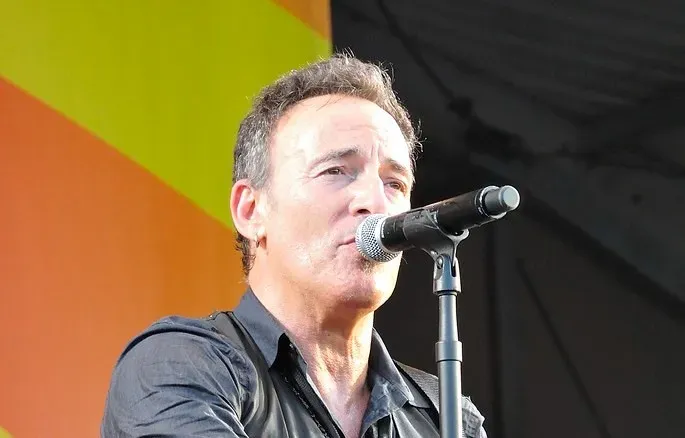
Bruce Springsteen released “Born in the U.S.A.” in 1984 as the opening track from the album of the same name, and it quickly became one of his best-known songs, ranked 275th on Rolling Stone’s list of “The 500 Greatest Songs of All Time”. Yet this anthem built on thunderous drums and an anthemic chorus became one of the most spectacularly misunderstood songs in American history. Springsteen himself called it “a protest song,” with lyrics telling of a local man railroaded into military service during the Vietnam War, scarred by his experiences in Southeast Asia, and completely forgotten about by his country when he returns home.
Ronald Reagan, one of the first Americans to misrepresent the song’s message, referenced it during his 1984 presidential campaign, and conservative politicians have continued to use it at rallies for decades since. Steven Hyden, author of a book chronicling the historic album, explains that Springsteen writes about the perspective of a disillusioned Vietnam War veteran who feels the country has left him behind, but because of the catchy chorus, it got appropriated as a pro-America song for political rallies. Forty years later, “Born in the U.S.A.” is still played at political rallies, proving that some misunderstandings become permanent fixtures in popular culture.
The Police’s “Every Breath You Take” – From Stalker Song to Wedding Standard


The Police released “Every Breath You Take” in 1983, then watched it climb to an eight-week run at number one on the Billboard Hot 100 and settle in as the year’s biggest American hit, a chart fact that helps explain why so many couples still slow dance to it without hearing the threat tucked inside the rhyme. Sting has said plainly that it isn’t a valentine; in a 1983 interview, he called it “a nasty little song, really rather evil… about jealousy and surveillance and ownership”. The song’s narrator watches every breath, every move, repeating the chilling refrain that he’ll be watching you.
Although often thought of as a love song, the lyrics are the words of a possessive lover who is watching “every breath you take; every move you make”, and Sting later said he was disconcerted by how many people think it is a positive song, insisting it is about the obsession with a lost lover, and the jealousy that follows. Sting didn’t set out to make “Every Breath You Take” quite so disturbing, and looking back, he admitted that his “intention might have been to write a romantic song, seductive, enveloping and warm, then I saw another side of my personality was involved, too – about control and jealousy, and that’s its power”. Despite its sinister meaning, couples continue to choose it as their wedding song, prompting Sting to offer them a sardonic “good luck.”
Nirvana’s “Smells Like Teen Spirit” – The Accidental Grunge Revolution

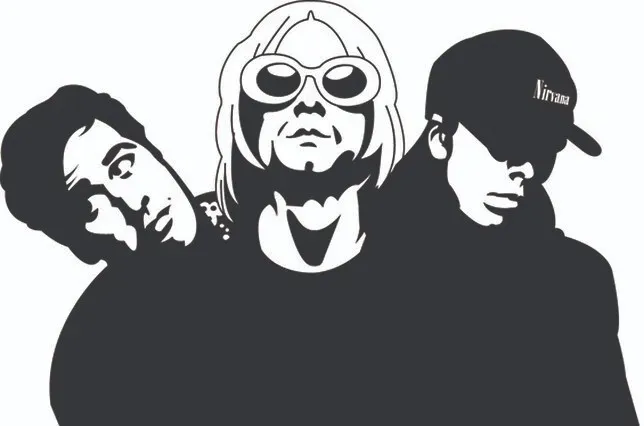
Long before Nirvana’s 1991 single “Smells Like Teen Spirit” became the defining anthem for the grunge revolution, it was just a phrase scribbled on Kurt Cobain’s wall. Teen Spirit was actually a deodorant aimed at girls, which was launched in the US in 1991 by the Mennen Company, and this innocuous deodorant became attached to the song that went on to become one of the most iconic rock anthems of all time. Bikini Kill’s Kathleen Hanna wrote the phrase as a tongue-in-cheek dig at Cobain after a night of drinking, not realizing she had just named a cultural earthquake.
The popularity of “Smells Like Teen Spirit” in some ways was accidental, as the lyrics were both nonsensical and difficult to understand, which was purely deliberate by Cobain and the band, and the slurring verses and screaming chorus lent themselves perfectly to the idea that the song would be popular within the band’s ever widening Seattle circle and likely no further. The music press awarded the song an “anthem-of-a-generation” status, placing Cobain as a reluctant spokesman for Generation X. Cobain himself grew to resent the song’s overwhelming success, later admitting he was embarrassed by it and often excluded it from setlists, uncomfortable with being thrust into a spokesperson role he never wanted.
Gloria Gaynor’s “I Will Survive” – The B-Side That Became an Empowerment Anthem

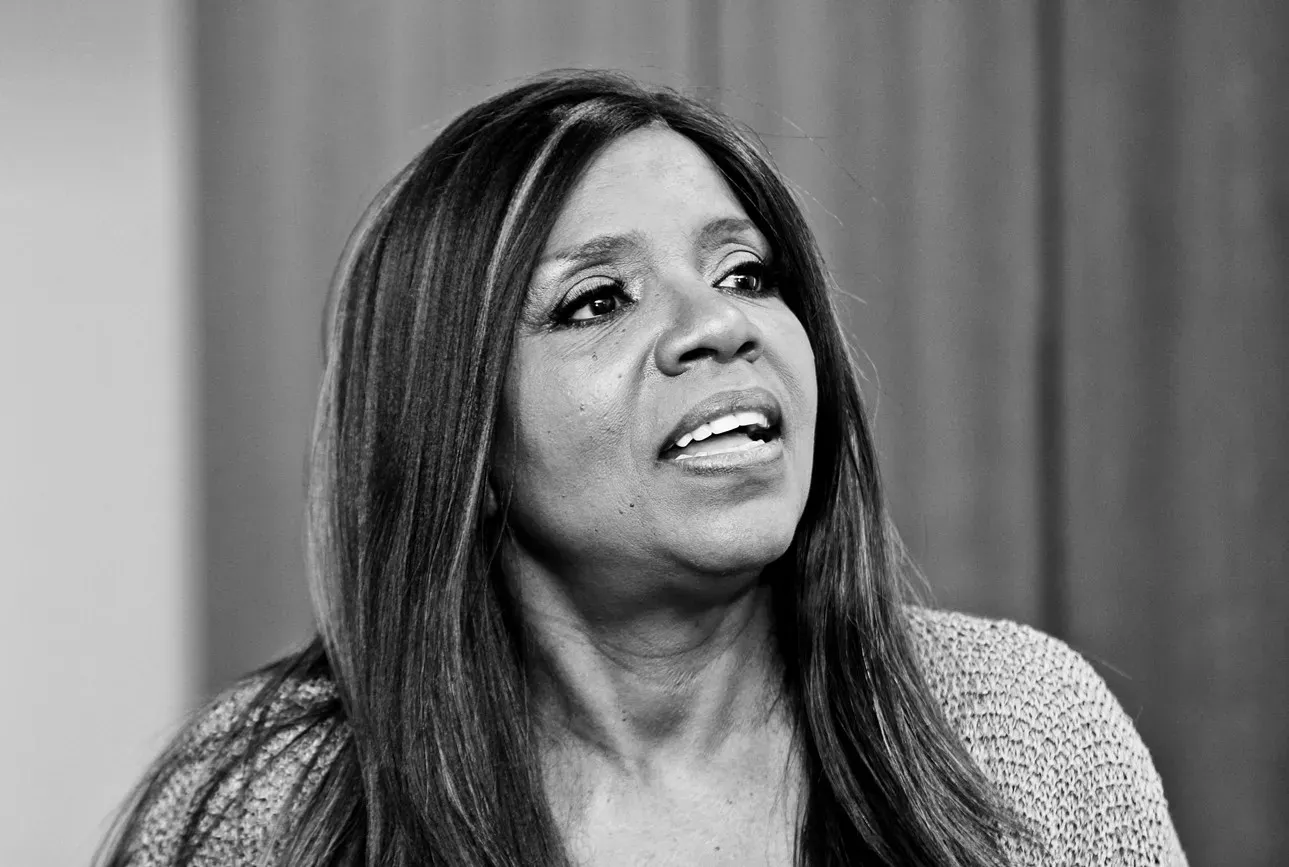
Originally, “I Will Survive” was a B-side when Polydor Records released it in late 1978, with the A-side, a song called “Substitute”, then a recent worldwide hit for South African girl-group Clout, considered more “radio friendly”. According to session musician Robert “Boogie” Bowles, who played guitar on the song, in the three-hour recording session, the session musicians spent most of their time recording the A side, “Substitute”, and as a result, they only had 35 minutes to record the B-side “I Will Survive”, and they did not even know the song title or the melody of the song. Nobody predicted that this hastily recorded track would become one of the most enduring anthems in music history.
It wasn’t until Studio 54’s DJ Richie Kaczor took notice of “I Will Survive” and began playing it at the club that the song quickly rocketed to the top of the charts and became a dance club staple. The song’s lyrics describe the narrator’s discovery of personal strength following an initially devastating breakup, and the song is frequently regarded as an anthem of gay empowerment, as well as a disco staple. The song won a Grammy for best disco recording in 1980, the only time that category existed, and in 2016, it was inducted into the Library of Congress’ National Recording Registry for its cultural significance. What began as a throwaway B-side transformed into a universal declaration of resilience.
Oasis’s “Wonderwall” – The Love Song Nobody Understood


Oasis released “Wonderwall” in 1995, and it rapidly became one of the most recognizable songs of the Britpop era. The track from their album What’s the Story Morning Glory climbed charts worldwide and has remained a cultural touchstone for over three decades. At countless open mic nights, campfire gatherings, and karaoke sessions, aspiring singers reach for their acoustic guitars to strum the iconic opening chords. Yet the song’s creator, Noel Gallagher, has expressed confusion and frustration over how people interpret his lyrics.
While millions of listeners have adopted it as a straightforward romantic anthem, Gallagher has repeatedly stated the song carries a more abstract meaning about an imaginary friend who saves you from yourself. The term “wonderwall” itself has been described by Gallagher as representing someone who provides protection and solace, though he has deliberately kept the interpretation open-ended. Despite this ambiguity, the song accidentally became a go-to romantic gesture, played at weddings and used in countless proposals. Its accidental transformation into a universal love song happened entirely independent of its writer’s intentions, cementing its place as one of the most misunderstood yet beloved tracks of the modern era.
The White Stripes’ “Seven Nation Army” – From Blues Riff to Sports Stadium Roar


The White Stripes released “Seven Nation Army” in 2003 as the lead single from their album Elephant, built around one of the most distinctive bass-like guitar riffs in rock history. Jack White created the memorable hook using a semi-acoustic guitar run through a digitech whammy pedal, giving it a deep, rumbling quality that lodged itself in the global consciousness. The song was a critical and commercial success, but nobody at the time predicted it would escape its garage rock origins to become the unofficial soundtrack of sporting events worldwide.
The transformation began in 2006 when Belgian football fans at the World Cup started chanting the main riff’s melody, replacing the notes with a simple vocalization. From there, the phenomenon spread like wildfire across international sports. Today, the “oh-oh-oh-oh-ohhhh-oh” chant echoes through stadiums on every continent during football matches, hockey games, tennis tournaments, and Olympic events. Especially popular in the soccer world, “Seven Nation Army” is considered the perfect sports anthem, with empowering lyrics mixed with invigorating riffs sure to motivate even the most exhausted players. The White Stripes accidentally created a universal sports anthem that transcended language, nationality, and even the original song itself, proving that sometimes the most powerful anthems are the ones nobody planned.