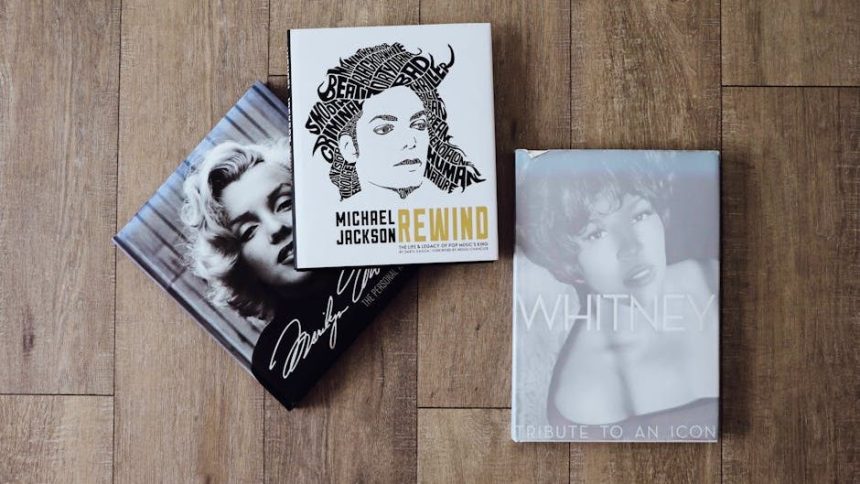
Think you know your retro music inside out? Sure, you can probably hum the opening riff of “Sweet Home Alabama” or name the drummer from Fleetwood Mac. But real retro music knowledge goes so much deeper than that. It gets into the tiny, peculiar, almost-forgotten corners of music history that separate the casual listener from the true superfan.
From the very first video ever played on MTV to the surprising comeback of vinyl in 2025, retro music is packed with stories that feel too wild to be true. Let’s dive in and see how many of these you actually know.
#1 – The First Video MTV Ever Played Was Nobody’s First Choice


Here’s a fact that genuinely stunned me when I first came across it. The very first video ever played on MTV was “Video Killed the Radio Star” by The Buggles, when the channel began broadcasting at 12:01 AM on August 1, 1981. That feels perfectly poetic now, like it was always meant to be.
Except it wasn’t planned that way at all. As network executives debated which video deserved to be first, they settled on the Buggles’ overlooked gem, though MTV program director Steve Casey later admitted: “Nobody wanted to launch with ‘Video Killed the Radio Star.'” The song was practically unknown in America at the time, having peaked at only number 40 on the U.S. charts.
The Buggles’ “Video Killed the Radio Star” was the first music video to air on the new cable television channel, which initially was available only to households in parts of New Jersey. Pretty humble beginnings for what became a global cultural phenomenon. On February 27, 2000, that same video became the one millionth video to be broadcast on MTV. Full circle.
#2 – Vinyl Didn’t Just Survive the Digital Era. It Conquered It.


Let’s be real: when CDs arrived in the 1980s and streaming took off in the 2000s, everyone assumed vinyl was done. Dead. Over. A relic for dusty basement collectors. The reality turned out to be the complete opposite.
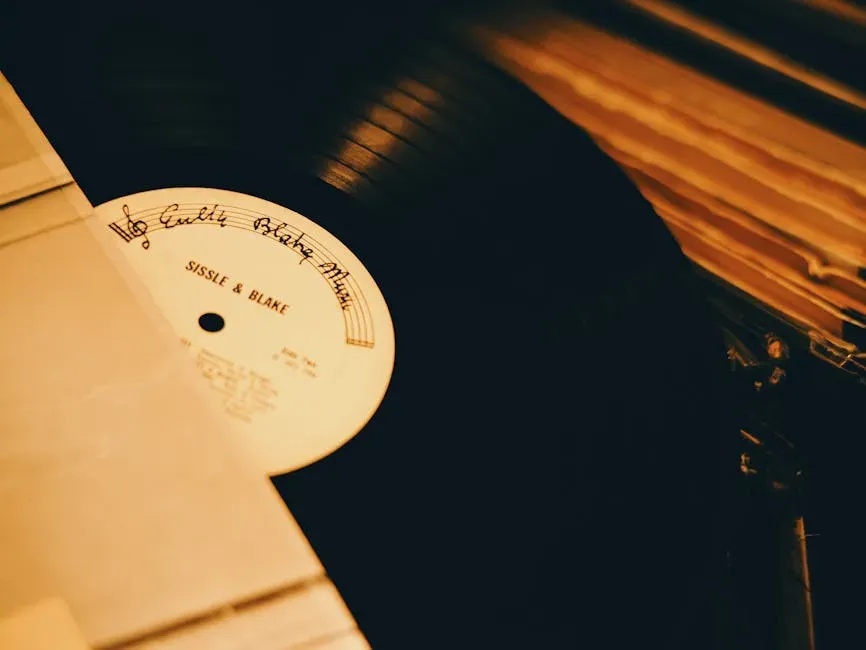
The vinyl resurgence reached a new milestone in 2025 as the format reached $1 billion in U.S. revenue, according to the RIAA’s year-end report. Vinyl has had 19 years of consecutive growth in the U.S., selling nearly 47 million copies last year. That number is staggering, honestly.
Vinyl’s 18th straight year of growth in 2024 alone scored nearly three-quarters of physical format revenue at $1.4 billion, the highest since 1984. For the third consecutive year, it outsold CDs, shipping 44 million vinyl records compared with 33 million CDs. Think about that the next time someone calls vinyl a “nostalgia gimmick.”
#3 – The Beatles’ Sgt. Pepper Changed Album Artwork Forever

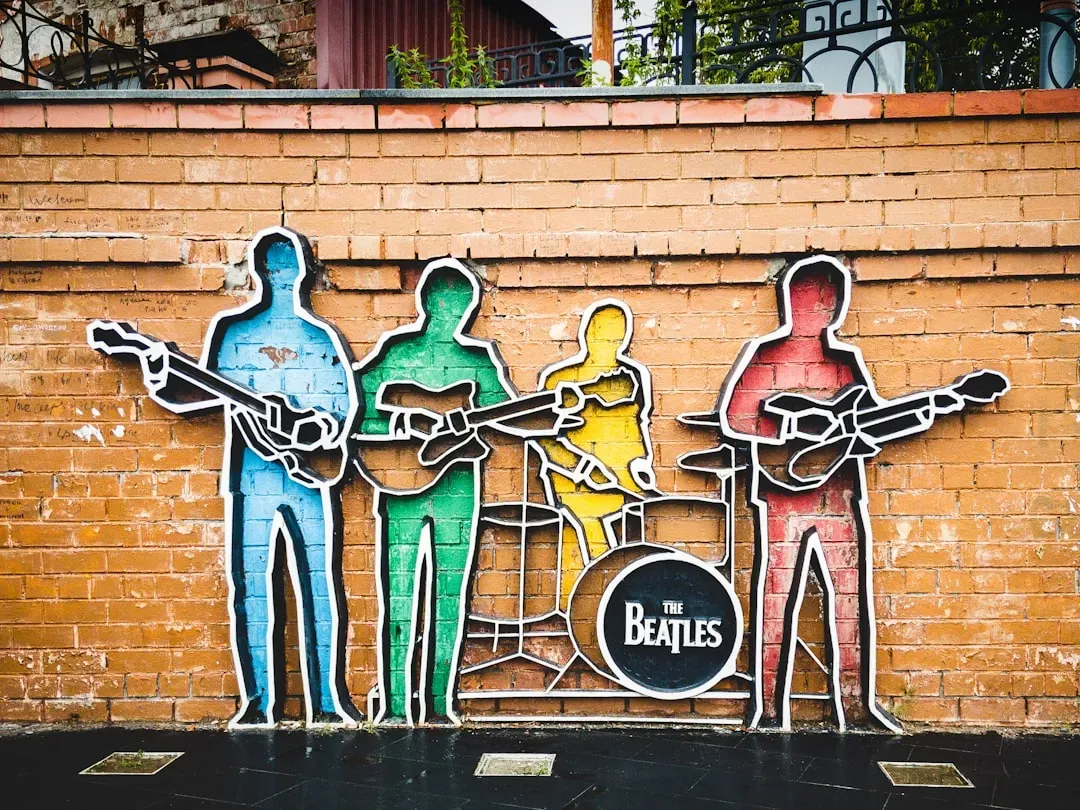
Before the Beatles dropped Sgt. Pepper’s Lonely Hearts Club Band in 1967, record sleeves were basically just pictures of the band standing around looking cool. Nothing more. Then the Fab Four decided to go completely different.
Sgt. Pepper was the first rock LP to have the lyrics to their songs printed on the cover; before then, magazines would usually print them. That single decision reshaped how every album was packaged from that point forward. It turned a record sleeve into a piece of art, a statement, a full experience.
Upon release, the BBC was quick to ban the song “A Day in the Life” due to the lyrics being interpreted as encouraging drug use, with the lyric “4,000 holes in Blackburn” thought to reference holes in the arm of a drug user. The controversy only made the album more iconic. Some would argue it was the best marketing move the band never planned.
#4 – “Billie Jean” Was A Monster That Almost Wasn’t Made
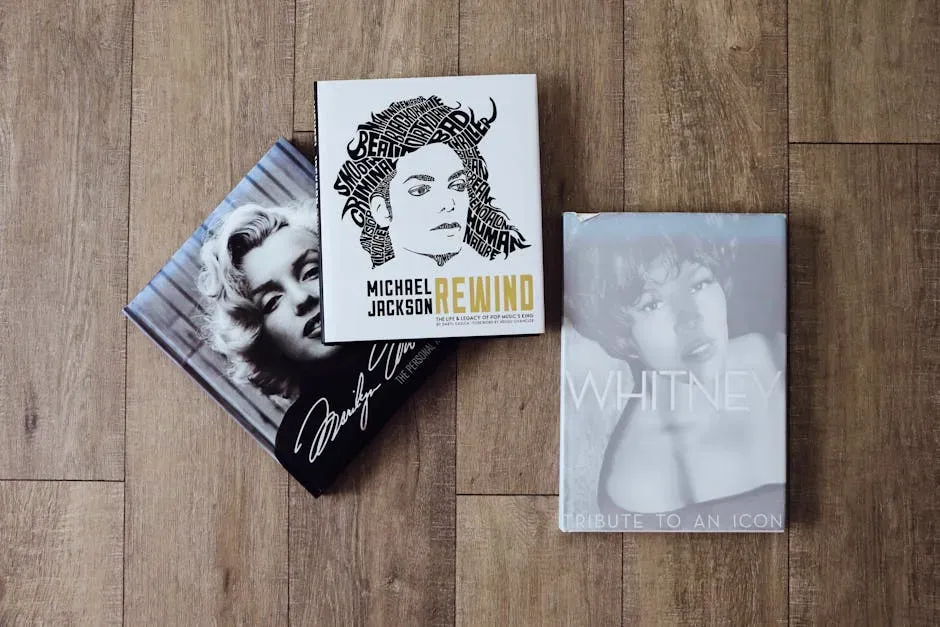
Think of all the times you’ve heard “Billie Jean” in a shopping center, a film, a TV ad, a wedding playlist. It’s everywhere. It feels inescapable. “Billie Jean” was a chart-topping 1983 hit in both the US and UK, written by Michael Jackson and produced by Quincy Jones. That partnership produced something that still hasn’t aged a single day.
The track was a cornerstone of Thriller, the album that redefined what pop music could commercially achieve. Michael Jackson and Quincy Jones created a perfect machine of sound. What’s wild is that Quincy Jones reportedly didn’t want “Billie Jean” on the album at all. He thought it was too personal, too close to the edge.
Jackson held his ground and insisted it stayed. The rest, as they say, is history. It’s one of the great examples of an artist trusting their gut over industry wisdom, and it paid off on a scale almost nobody could have predicted at the time.
#5 – ABBA’s Global Domination in the 1970s Was Something Else

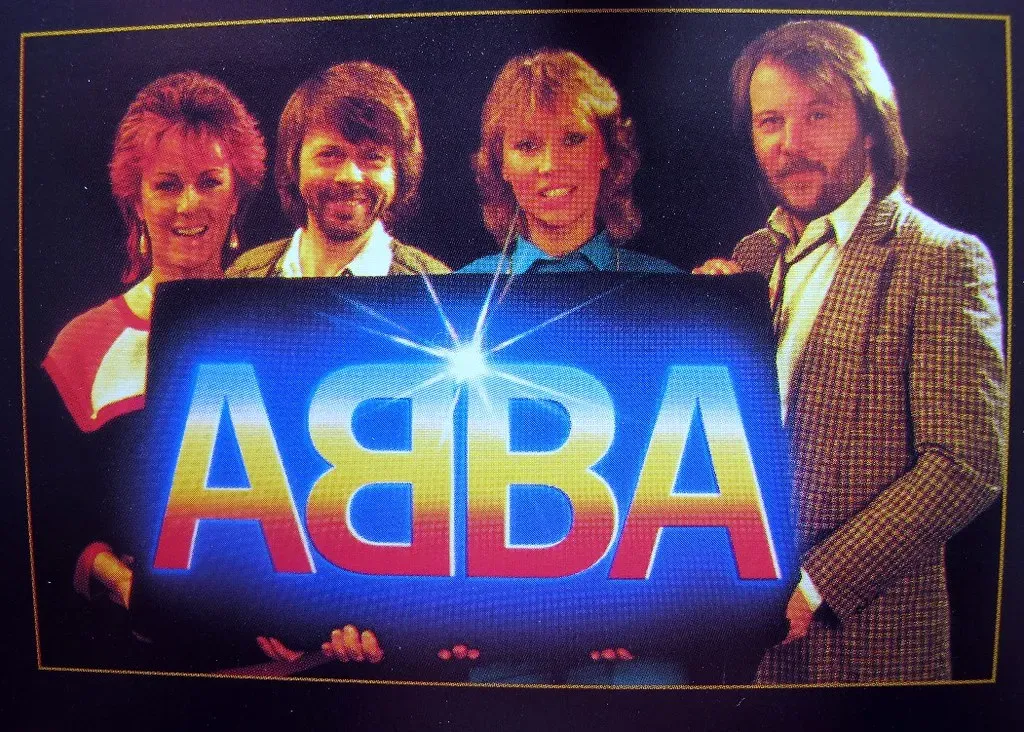
ABBA get reduced sometimes to a fun pop group with catchy songs. Nice melodies, sequined jumpsuits, Eurovision glory. But the actual scale of their success in the 1970s was genuinely overwhelming. “Knowing Me, Knowing You” was a 1977 hit for ABBA. This Swedish group dominated the UK charts in the 1970s, and the song reached number 14 in the US and number 1 in the UK singles charts.
Their run of UK number one singles throughout that decade is something modern pop acts can only dream about. ABBA weren’t just popular; they were inescapable in a way that even streaming can’t replicate, because back then, if a song was on the radio, that was it. Everyone heard it.
The music has never really stopped playing, either. Mamma Mia became one of the most successful musicals and films of the 21st century, and the band returned with new music in 2021 after a four-decade hiatus. It’s hard to think of any other retro act with quite that level of generational staying power.
#6 – MTV Didn’t Just Show Videos. It Launched Careers From Zero.

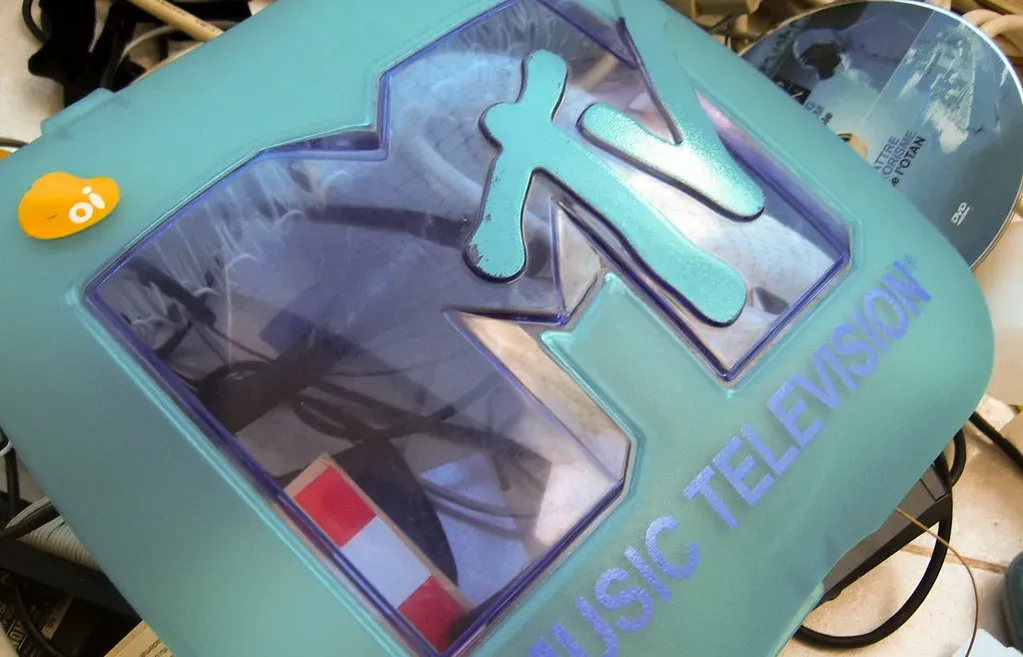
People tend to think of MTV as a channel that promoted already-famous artists. That wasn’t always how it worked. The network brought success to newcomers like Madonna and new wave icons Duran Duran, who used increasingly sophisticated techniques to make the visual elements of the video as important as the music. MTV also gave renewed life to veteran performers such as ZZ Top, Tina Turner, and Peter Gabriel, each of whom scored the biggest hits of their careers thanks to heavy rotation of their videos.
In this sense, video did not kill the radio star, but instead launched the careers and record sales of artists like Michael Jackson, Madonna, and Cyndi Lauper into the stratosphere. The irony in that Buggles song title really cannot be overstated.
A-ha’s “Take On Me” from 1985 featured a blend of live action and pencil-sketch animation called rotoscoping, with the band’s lead singer Morten Harket and actress Bunty Bailey moving back and forth between each world in a romantic, chase-me tango. It won six awards at the MTV Video Music Awards. Without MTV, that video might have stayed just a forgotten Norwegian pop experiment instead of becoming one of the most iconic visuals in music history.
#7 – The Most Expensive Rare Rock Records Will Make Your Eyes Water

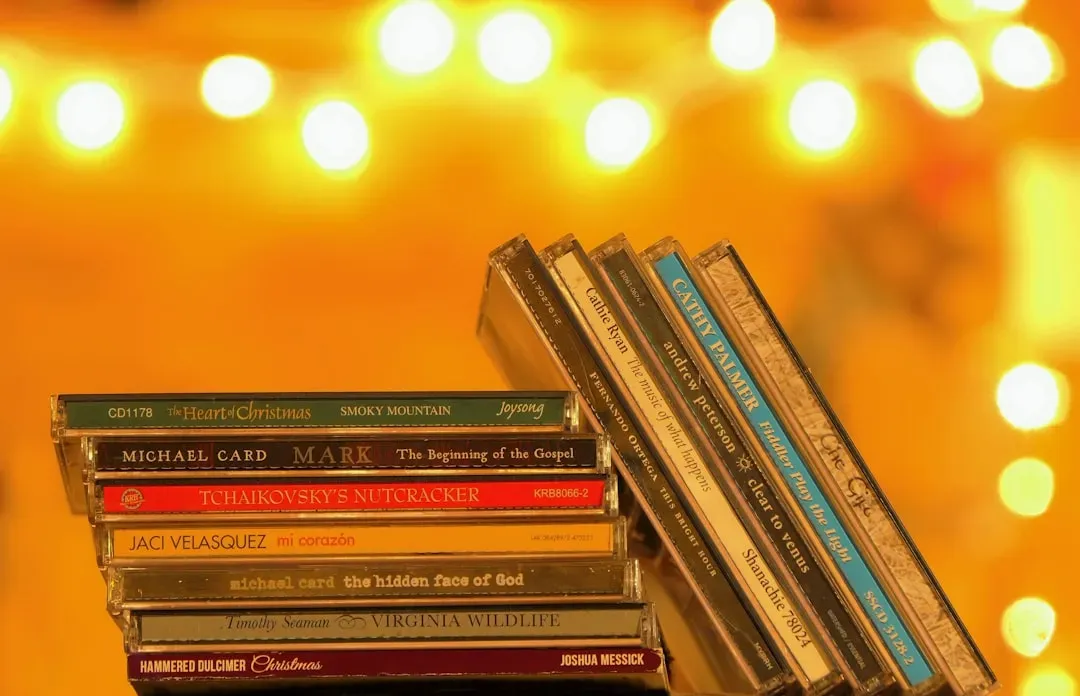
Collectors have always been a passionate, slightly obsessive breed. I mean that in the best way. There are plenty of valuable Pink Floyd rarities out there, but some are considerably rarer and more valuable than others. A Chilean version of 1971’s Meddle sold for $12,000 on eBay due to a unique cover, but Discogs beat that with an ultra-rare mint red vinyl Japanese promo copy of 1969’s Ummagumma going for $13,953.
Led Zeppelin’s limited edition “Road Case” box sets, originally priced at $700 in 2006, routinely fetch $10,000 or more. For a single record, versions of the band’s eponymous debut album with turquoise rather than orange lettering can sell for thousands. The rarest pressing of all is a promotional album that was never officially released by Swan Song Records.
Even rarer is the test pressing of Metallica’s debut album “Kill ‘Em All,” which comes in a plain white sleeve with “KEA” hand-written on one side. There are supposedly fewer than 10 in existence, and they have sold for as much as $6,600. Some people collect stamps. Others chase music history pressed in wax.
#8 – Nostalgia-Driven Music Has Become a Commercial Force in 2025

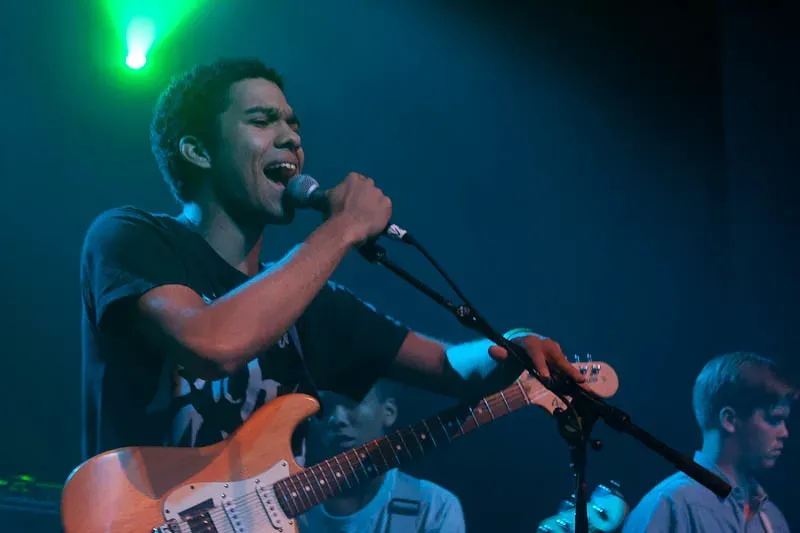
It’s not just older fans buying retro records. Younger generations are deeply invested in music from eras they never even lived through. Research from UC Davis highlights how music activates the brain’s memory hub, which is why millennials and Gen Z listeners love retro-inspired tracks – they remind them of childhood, family road trips, or early days of discovering music.
Toto’s song “Africa” experienced a resurgence after being featured in Netflix’s “Stranger Things,” highlighting the impact of retro sounds in modern media. The 1982 track became one of the most-streamed songs of its era practically overnight, introduced to audiences who hadn’t been born when it was first released. That’s the power of a good TV placement.
Artists like The Weeknd, Dua Lipa, Olivia Rodrigo, Silk Sonic, and Jack Harlow blend retro sounds with modern production to create hits. Honestly, the lines between “retro” and “new” have never been blurrier. Nostalgic music brings huge demand for reunion tours and tribute concerts, proving its long-lasting appeal. The past is officially selling better than ever.
#9 – Jimi Hendrix Recorded a Classic in a Few Hours for Almost Nothing
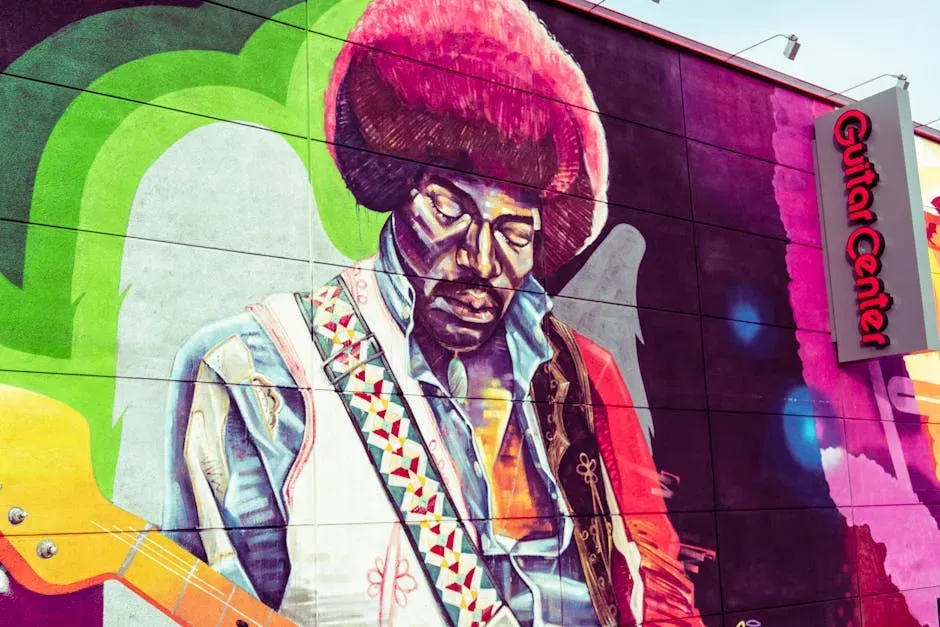
In an era where modern albums cost millions to produce and take years to complete, the story of Jimi Hendrix’s debut is almost unbelievable. Often considered one of the greatest albums of all time and cementing Jimi Hendrix’s status as the original guitar hero, “Are You Experienced” remains a significant milestone in the history of rock music.
Recording for the album was done in between a busy schedule of live performances, though the trio notoriously laid down entire tracks with minimal fuss. Most notably, “The Wind Cries Mary” was reportedly recorded in a single take, having only been written the night before by Hendrix. It’s estimated that the album cost no more than £1,500 to produce. That’s roughly the cost of a decent secondhand car today.
The album changed the language of rock guitar so completely and so fast that other musicians were scrambling to catch up almost immediately. £1,500. For what many consider one of the most important records in history. It makes you wonder how many masterpieces are being created right now for almost nothing, waiting to be discovered decades later.
Final Thought

Retro music trivia isn’t just about memorizing dates and chart positions. It’s about understanding the wild, messy, surprising human stories behind the songs that shaped entire generations. The first video nobody wanted to play on MTV. The Jimi Hendrix album that cost less than a thousand pounds. Vinyl bouncing back from near-extinction to surpass a billion dollars in revenue. These aren’t just trivia facts – they’re proof that music history is genuinely stranger and more fascinating than most people realize.
Whether you crushed all nine or learned something new today, retro music keeps rewarding the curious. So, how many did you actually know before reading this? Tell us in the comments.